SLO County went from 1 COVID case to 7,711 in 9 months. Here’s how it happened
Nine months after the first local coronavirus case was confirmed, SLO County has found itself back in a stay-at-home order where it began — however this time, the potential chance to return to normalcy is on the horizon.
San Luis Obispo County is slated to begin distributing the first local doses of the coronavirus vaccine in the coming days or weeks.
However, nothing can undo the hardships business owners have faced, the illness thousands of residents have went through and the loved ones whose lives were lost to the virus.
A lot has changed in nine months. Here’s a timeline of events since February.
Early February: Paso woman on Grand Princess
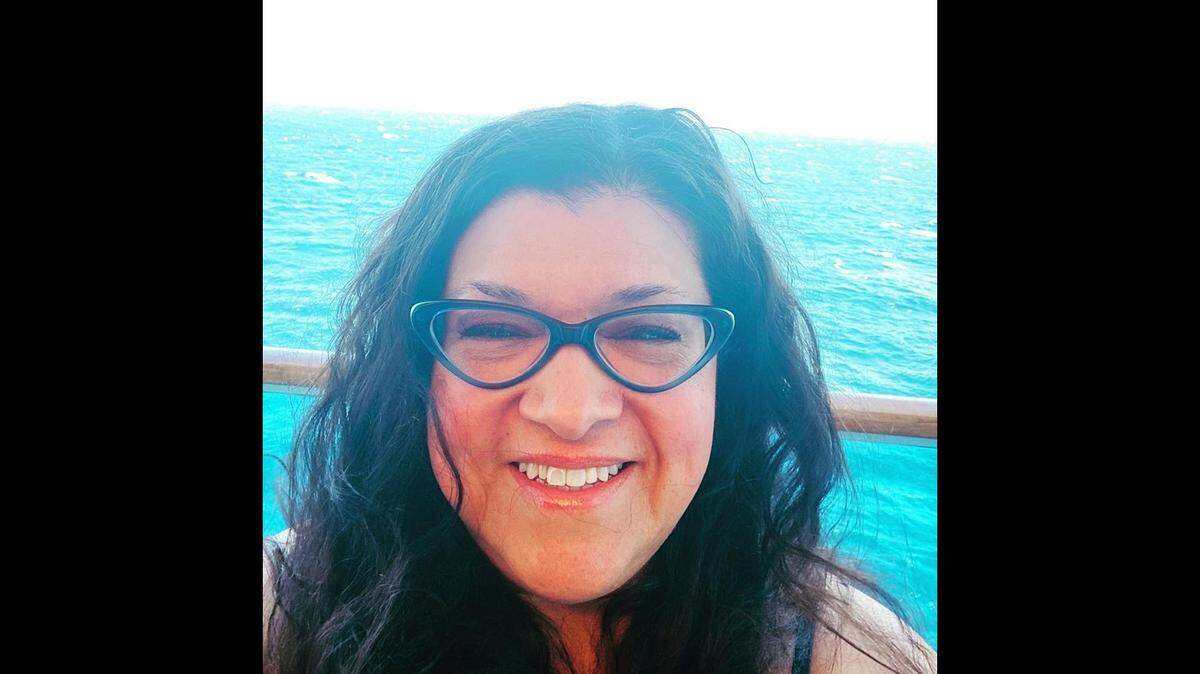
San Luis Obispo County’s first link to the new coronavirus outbreak came in early February when one Paso Robles woman’s whole world was consumed by COVID-19 after 14 passengers aboard the Diamond Princess cruise ship tested positive.
She and hundreds of other United States citizens were stuck on the ship for 12 days prior to being sent to the U.S. for a 14-day quarantine. She eventually made it home safely without contracting the virus.
March 3: First SLO County resident gets COVID-19 test
A month later, the first San Luis Obispo County resident, a person in the North County, was tested for coronavirus. According to the county, the test result came back negative the following day.
At that time, the county didn’t have any of its own testing materials and had to send the specimen away to an outside lab.
March 4: California declares state of emergency
Gov. Gavin Newsom declared a state of emergency in response to rising COVID-19 cases in California.
The declaration came on the same day that the first California resident died due to COVID-19.
The U.S. had already declared a public health emergency at that point, however the state’s declaration provided additional resources and permitted emergency actions already underway across multiple state agencies and departments, according to the order.
March 6: SLO County Public Health Lab begins testing
SLO County’s Public Health Lab began testing for COVID-19 on March 6, according to ReadySLO.org. Due to limited resources and a maximum capacity of 50 tests per day, coronavirus tests were only given to those who met certain COVID-19 criteria.
The county Public Health Lab now has the capacity to test around 300 people per day — however the county’s lab remains reserved for those in high-risk categories, congregate living situations and healthcare workers.
Tests are also available at state-sponsored labs and through some primary care physicians.
March 11: Many event closures are announced
Events were canceled left and right following state guidance on large-scale gatherings in early-March.
While some venues held onto hope for summer events, as the months progressed, most functions were postponed or altogether canceled for the year.
March 13: SLO County declares local health emergency and schools close
San Luis Obispo County Health officer Dr. Penny Borenstein declared a local health emergency on March 13, although no coronavirus cases had been confirmed in San Luis Obispo County yet.
Central Coast school districts also announced school closures March 13 to prevent coronavirus transmission.
Atascadero, Lucia Mar, Paso Robles and San Luis Coastal school districts all closed, however each had varied plans as to how to return to teaching.
Several schools gave students an extra week of Spring Break before moving to variations of online or at-home instruction for the remainder of the school year.
Cuesta College in San Luis Obispo opted to move online the day prior.
March 14: First SLO County resident tests positive; Cal Poly switches to online classes
- 1 COVID-19 case.
The first San Luis Obispo County resident to have a confirmed case of coronavirus received their test results March 14, six months ago.
Little was disclosed about the case, other than that the person lived in the North County and was over the age of 65.
New cases have been reported nearly every day since.
Following the county’s announcement, Cal Poly decided to switch to online finals and extend spring break one week.
The San Luis Obispo university was among the last California State Universities to make the switch to online finals and announce classes would be online for the rest of the school year.
March 16: Bars are ordered to close
- 2 total cases.
Just before St. Patrick’s Day, San Luis Obispo County issued an executive order to protect the public’s health by temporarily prohibiting alcohol sales at onsite alcohol-serving establishments from Monday, March 16, to Wednesday, March 18.
March 18: SLO County issues shelter-at-home order
- 6 total cases.
San Luis Obispo County officials ordered residents to shelter at home to slow the spread of coronavirus as cases in the county rose to seven.
County residents were told to avoid gathering with those outside their household except to conduct necessary activities — like grocery shopping and or going to the doctor. Many business sectors were required to close.
April 4: First SLO County resident dies due to COVID-19
- 93 total cases, 27 active cases, 1 death.
On April 4, San Luis Obispo County experienced its first death due to COVID-19.
A North County resident in their 80s died after being hospitalized with coronavirus. The patient had underlying health conditions, according to the county.
Six months in, 23 people in SLO County have died due to COVID-19.
Borenstein said only residents with COVID-19 listed as one of the causes of death have been counted as coronavirus deaths locally.
April 8: SLO County passes 100 cases; Alternate Care Site opens
- 102 total cases, 28 active cases, 1 death.
San Luis Obispo County reached a case-count milestone April 8, passing 100 confirmed coronavirus cases.
At the time, Paso Robles had the most cases with 29 coronavirus-positive residents, followed by Atascadero with 20 cases and Arroyo Grande with 14.
The same day that SLO County hit 100 cases, the Alternate Care Site at Cal Poly was considered ready for opening.
Shortly after the first COVID-19 case was confirmed in SLO County, county and hospital officials formed a partnership to create one of the first alternate care sites in California.
The Cal Poly Rec Center was transformed from a gym to an overflow hospital facility equipped to take care of 165 patients by April 8.
The $3.5 million project has the capacity to house more than 900 sick residents, if needed. However it has not been used since it opened in April — the number of coronavirus patients hospitalized due to COVID-19 has not exceeded 20, according to county data.
The facility will remain ready to accept pateints until December at the very least.
April 11: First California Men’s Colony inmate tests positive
- 110 total cases, 22 active cases, 1 death.
The California Men’s Colony in San Luis Obispo reported its first case of an inmate testing positive for COVID-19 on April 11, according to the state Department of Corrections and Rehabilitation.
The April outbreak led to 11 coronavirus cases at the prison.
Another outbreak, which is still ongoing, began July 31.
In total, 291 CMC inmates and 47 employees at the prison have tested positive for COVID-19. One inmate has died due to COVID-19.
April 13: SLO County begins reporting test numbers
- 117 total cases, 21 active cases, 1 death.
The SLO County Public Health Department did not report the number of coronavirus tests conducted because private labs had only reported positive test results to the county until mid-April.
Private labs began reporting the number of negative tests April 13.
May 1: SLO County creates START guide
- 188 total cases, 40 active cases, 1 death.
San Luis Obispo County officials released the START guide, a three-phased plan to reopen the county once Gov. Gavin Newsom lifted a statewide shelter order.
However, Newsom’s order remains in place today and the county’s START guide did not meet the state’s requirements for reopening. As a result, the county shelved the plan and discontinued the local health order, while remaining under the state guidelines.
May 13: SLO County invites everyone to get tested for COVID-19
- 232 total cases, 48 active cases, 1 death.
About two months into the pandemic locally, testing capacity expanded in May due to an increase in private lab testing and the opening of state-sponsored test sites.
As a result, SLO County health officials urged anyone to get tested for coronavirus — whether people were symptomatic, asymptomatic, had come into contact with COVID-19 or not.
State-sponsored sites are still operating in San Luis Obispo, Arroyo Grande and Morro Bay.
May 17: SLO County limits hotels to 50% capacity
- 243 COVID-19 cases, 41 active cases, 1 death.
As warm weather and Memorial Day weekend neared, the county issued a Local Emergency Order limiting short-term rentals and hotels to 50% capacity to discourage tourists from visiting San Luis Obispo County.
The county was unclear about how it aimed to enforce the policy and removed the order by June 5 after deciding it was not effective.
May 20: Retail shops and restaurants can open with restrictions
- 249 total cases, 26 active cases, 1 death.
In late May, SLO County met necessary criteria at the time to reopen retail stores for indoor shopping. It was the beginning of a process officials hope would mark a gradual return to normalcy, if the case counts cooperated.
Guidance released by the state allowed for shops and restaurants to reopen at limited capacity indoors.
May 26: Hair salons and places of worship can open with restrictions
- 263 total cases, 28 active cases, 1 death.
A week after retail stores and restaurants were permitted to reopen at some capacity, hair salons, barber shops and places of worship followed suit.
Places of worship were allowed to hold in-person services and funerals with a maximum of 25% capacity or 100 attendees, whichever number was lower, the county said.
Hair salons and barbershops were told to limit services and require customers to wear facemasks at all times.
On May 26, when these sectors of business were allowed to reopen, the county had 236 coronavirus cases.
June 18: California issues face covering mandate; SLO starts outdoor dining program
- 389 total cases, 82 active cases, 1 death.
By June, some grocery stores had begun to implement a face mask policy for both employees and customers.
However, for several months, Borenstein held out against issuing a mask ordinance because she said she did not want people to feel as though that meant they no longer needed to physically distance.
On June 18, Newsom issued a statewide mask mandate that required anyone in California to wear a face covering or mask in indoor public spaces, when interacting with the public or in line for a public function.
June 18 was also the first day of what was then called Open SLO.
The city of San Luis Obispo approved a pilot program to expand outdoor seating once restaurants were allowed to reopen with limited indoor dining services in mid-May.
After a few weeks, the program pivoted from closed streets to parklets outside of businesses.
The program began as a weekend-only dining option, but transitioned along with pandemic guidance.
Once businesses were required to close all indoor operations, parklets kept businesses afloat, allowing them to serve guests in-person every day.
Similar programs were initiated in other SLO County cities, like Paso Robles and Morro Bay.
July 4: SLO closes bars for holiday weekend
- 718 total cases, 223 active cases, 2 deaths.
City of San Luis Obispo officials mandated that all bars in the city must close during the Fourth of July weekend.
When drinking establishments reopened, they were ordered to operate at 25% capacity.
Public health officials did not issue a countywide mandate during the holiday weekend.
July 9: SLO County limits coronavirus testing
- 877 total cases, 260 active cases, 4 deaths.
San Luis Obispo County stopped offering coronavirus testing to anyone who wished to be tested, blaming a backlog of test results and delayed appointment times.
Instead, the county’s public health lab asked that only people showing symptoms of COVID-19 such as fever, cough and/or shortness of breath be tested at the state-sponsored test sites.
At the time, test results were taking as long as 14 days to return, and appointments were several days to a week out.
July 10: Report shows more than 700 SLO County businesses received PPP loans
905 total cases, 285 active cases, 4 deaths.
Data released July 10 by President Donald Trump’s administration shows that more than 700 businesses in San Luis Obispo County received at least $217 million through the Paycheck Protection Program.
Construction companies, wineries, law firms, restaurants, churches, hardware stores and car dealers were among the types of businesses to receive a PPE loan meant to offset the impact of coronavirus.
July 13: Bars, indoor dining ordered to close as SLO County passes 1,000 cases
1,106 total cases, 313 active cases, 5 deaths.
San Luis Obispo County passed 1,000 local confirmed cases on July 13, about four months after the first SLO County case.
Paso Robles continued to have the most COVID-19 cases in the county with 244 coronavirus-positive residents. Paso Robles was followed by San Luis Obispo with 163 cases and Nipomo with 141.
Newsom also announced on July 13 that all indoor operations at restaurants, wineries and movie theaters must close. All bars were ordered to immediately close as well.
The state introduced more restrictions for counties placed on a coronavirus monitoring list that was based off of six metrics.
The county was added to the monitoring list that day.
July 16: More SLO County businesses must close due to case rate
- 1,158 total cases, 425 active cases, 6 deaths.
Three days after SLO County was added to California’s coronavirus monitoring list, several business sectors were once again required to close.
Gyms and fitness centers, places of worship, indoor protests, non-essential offices, personal care services like nail salons and tattoo parlors, hair salons and indoor malls were required to close once more due to a high case rate.
Aug. 6: SLO County passes 2,000 cases
- 2,047 total cases, 366 active cases, 15 deaths.
In less than a month, San Luis Obispo County added another 1,000 cases, passing the 2,000-case mark on Aug. 6.
Aug. 6 also marked the highest daily increase in local COVID-19 cases since the pandemic began, with 77 cases added.
Paso Robles remained the county’s hotspot and had more than doubled its case count since July 13. By Aug. 6, 541 Paso Robles residents had tested positive for COVID-19.
San Luis Obispo followed with 302 coronavirus cases, then Atascadero with 237 cases.
Aug. 14: SLO County loosens testing restrictions
- 2,439 total cases, 440 active cases, 18 deaths.
SLO County Public Health Officer Dr. Penny Borenstein said state-sponsored coronavirus testing sites were available to anyone who may have come into contact with COVID-19.
People with symptoms were encouraged to be tested right away, whereas people without symptoms were told to wait five to seven days after exposure because of the virus’ incubation period.
Aug. 18: Data shows half of local COVID-19 cases found in Hispanic population
- 2,571 total cases, 450 active cases, 19 deaths.
For the first time, the county released the ethnic breakdown of positive COVID-19 tests in SLO County.
Hispanic or Latino people made up nearly half of all the coronavirus cases in San Luis Obispo County, even though they comprise only about 23% of the population, data released Aug. 18 showed.
The numbers reflected the trend seen across California, where Latino and Hispanic people made up nearly 60 percent of positive cases as of mid-August.
The county has since expanded its data from Hispanic/Latino and white/not Hispanic to also include Black/African American, Asian and Pacific Islander, multiracial and American Indian or Alaskan native.
Aug. 28: California announces new color-coded labels and allows hair salons to reopen
- 2,882 total cases, 447 active cases, 21 deaths.
In late August, the California Department of Public Health released a new colored-coded system and reopening guidelines for California counties.
The new system categorizes counties into one of four colors — purple, red, orange and yellow — with purple counties having the most widespread COVID-19 cases and most restrictive reopening orders.
SLO County was grouped into the purple category and has remained there since.
In order to move down to the red category and allow more business sectors to reopen, SLO County would need to continue its less than 8% positivity rate and have a case rate of less than 7 per 100,000 people (in other words, fewer than 20 new cases per day) for at least two weeks.
As of Sept. 14, San Luis Obispo County had a 4.6% positivity rate and a rate of 9.6 COVID-19 cases per 100,000 people, according to ReadySLO.org.
Along with the new guidelines, the state allowed for hair salons and barber shops to reopen even within purple counties.
Sept. 1: SLO County passes 3,000 cases
- 3,006 COVID-19 cases, 428 active cases, 20 deaths. (A formerly counted death was retracted after further investigation.)
Less than a month after SLO County reached 2,000 cases, the county passed the 3,000-case mark.
By Sept. 1, nearly every zip code in the county had at least five coronavirus cases. Paso had the most with 734. San Luis Obispo had 425, and Atascadero had 328.
Sept. 3: Cal Poly students move into dorms
- 3,047 total cases, 401 active cases, 20 deaths.
With Cal Poly’s fall quarter approaching, about 4,300 students had applied to live on campus and not yet deferred their housing contracts to the winter term, said Keith Humphrey, Cal Poly’s vice president for student affairs. That’s just over half the university’s normal capacity of 8,500 students living in on-campus residences.
Cal Poly’s move-in began Sept. 3 and was conducted in phases.
The university plans to hold about 15% of its courses in person, and the rest online. Cuesta College has also started instructing some classes in person.
While colleges can hold some in-person classes, only K-12 schools who have been approved by a public health officer can reopen for in-person instruction.
Sept. 14: Coronavirus has been in SLO County for six months
- 3,278 total cases, 201 active cases, 26 deaths.
San Luis Obispo County has felt the effects of coronavirus for six months.
In a recent editorial by Borenstein, the public health officer encouraged residents to take actions to slow the spread of coronavirus.
“San Luis Obispo County has been through a lot in the past six months,” Borenstein wrote.
“Every day the world learns more about the virus and what people need to do to overcome it. As our community responds to these new developments and contends with rumors and misinformation, it can sometimes feel like the ground is forever shifting underneath us,” Borenstein continued.
“In some ways, that is real. We must continue to adapt. But I’d like to step back for a moment and say very clearly: We are on solid ground when it comes to the individual actions we can each take.”
Borenstein said people need to continue to wear face coverings, avoid gathering with people outside of their household, stay home if they are sick, avoid yelling, chanting and exercising close to others, and wash their hands.
Sept. 22: SLO County enters red tier of California’s reopening plan
3,453 total cases, 228 active cases, 27 deaths.
San Luis Obispo County entered the red tier of California’s Blueprint for a Safer Economy on Sept. 22 after two consecutive weeks of meeting red-tier requirements — a case rate below seven new cases per 100,000 people and a testing positivity rate below 8%.
During this time, restaurants in SLO County could serve food indoors, movie theaters could reopen and places of worship offered inside services once more. Schools were also allowed to reopen after two weeks in the red tier.
The county stayed in the red tier for nearly eight weeks. Shortly after Halloween, a surge in cases changed the county’s course.
Oct. 6: SLO County schools can reopen
3,755 total cases. 187 active cases, 31 deaths.
Schools in San Luis Obispo County were allowed to reopen for modified in-person classes under California’s Blueprint for a Safer Economy after two weeks of the county maintaining red-tier qualifications.
Some elementary schools were able to open prior to Oct. 6 through a reopening waiver process, but the county had only approved some waivers for small private schools until this point.
Many schools chose to transition to in-person teaching in a variety of modified forms.
Atascadero Unified, San Miguel Joint Union and Paso Robles Joint Unified school districts brought elementary school students back to campuses for modified hours the week of Nov. 17.
However, Lucia Mar Unified and San Luis Coastal Unified opted to wait until at least January before having students return to campus.
Oc.t 19: SLO County passes 4,000 cases
- 4,005 total cases, 184 active cases, 32 deaths.
SLO County hit the 4,000 case mark about six weeks after reaching 3,000 cases. Twelve deaths were reported in that timeframe.
The county had been in the red tier for four weeks by Oct. 19, however that would not remain the case for much longer.
By Oct. 19, Paso Robles passed 1,000 coronavirus cases.
The North County city held the most coronavirus cases out of any local city with 1,003 cases. San Luis Obispo trailed at 769 coronavirus cases.
Nov. 5: Coronavirus cases at Cal Poly begin to spike
4,496 total cases, 278 active cases, 33 deaths.
Coronavirus cases among Cal Poly students began to soar after Halloween and continued to rise until the in-person quarter ended and students returned home, according to county data.
On Nov. 5, the university said in a news release that clusters of cases were traced back to several campus sorority chapters holding unapproved, off-campus events, students in on-campus apartments, and some students ignoring isolation and quarantine orders.
The surge prompted increased testing that some experts said was long overdue.
Cal Poly’s on-campus community alone saw a 346% jump in coronavirus cases in November.
Total Cal Poly cases tracked by the university rose from 265 to 892 total cases — that’s a 236% increase in cases.
Nov. 13: SLO County passes 5,000 cases
- 5,038 total cases, 587 active cases, 33 deaths.
Nearly a month after passing the 4,000-case mark, SLO County added another 1,000 coronavirus cases.
On Nov. 13, the county’s coronavirus case total was 5,038. The county’s death toll had reached 33.
Between Nov. 1 and Nov. 13, the county added 728 coronavirus cases, which was more than the number of cases added throughout the entire month of October.
San Luis Obispo and Paso Robles had both passed 1,00 coronavirus cases by this point.
Nov. 16: SLO County returns to purple tier
- 5,250 total cases, 712 active cases, 34 deaths.
San Luis Obispo County reverted to the most restrictive tier of California’s Blueprint for a Safer Economy on Nov. 16 due to widespread coronavirus transmission, according to the California Department of Public Health.
The county’s adjusted average reached 12.5 new cases per 100,000 people per day, which was 5.5 points above the level needed to qualify for the red tier, according to state data. The unadjusted case rate came in at 17.7.
San Luis Obispo County’s positivity rate was at 4.7% as of Nov. 16 data.
The continued rise in case rate meant SLO County restaurants, gyms and places of worship — which had been allowed to operate indoors at limited capacity — were ordered to shift back to outdoor-only operations.
Other businesses, such as retail stores, were required to limit indoor capacity.
Schools that hadn’t opened yet were no longer able to do so.
Thirty-nine of the state’s 58 counties were demoted Nov. 16 — 28 moved to the purple tier.
Nov. 26: SLO County passes 6,000 cases
- 6,055 total cases, 888 active cases, 36 deaths.
Within two weeks, San Luis Obispo County added another 1,000 coronavirus cases, passing the 6,000-case mark on Nov. 26.
The month of November had many record high days and accounted for around one-third of all coronavirus cases in SLO County up until Nov. 30.
Dec. 6: California regional stay-at-home order issued in SLO County
- 6,815 total cases, 873 active cases, 42 deaths.
Gov. Gavin Newsom announced a new regional stay-at-home order Dec. 3 that is meant to limit exposure between households in regions where intensive care unit bed availability is below 15%.
San Luis Obispo County is considered to be part of the Southern California region — along with Imperial, Inyo, Los Angeles, Mono, Orange, San Bernardino, San Diego, Santa Barbara and Ventura counties.
Three days after the new guidance was announced, SLO County and the Southern California region were issued the stay-at-home order.
The order went into affect Dec. 6 at 11:59 p.m., according to the San Luis Obispo County Public Health Department. The county must remain under the stay-at-home order for at least three weeks and until ICU availability is above 15% in the region.
In San Luis Obispo County, there are 53 intensive care unit beds, according to the county Public Health Department.
Even though San Luis Obispo County’s ICU availability isn’t below 15%, the ICU availability in the Southern California region means that the county falls under a new stay-at-home order.
Under the order, local retail stores are limited to 20% capacity inside. Restaurants are closed to indoor and outdoor dining, and bars, wineries and hair salons are required to close. In addition, places of worship will only be allowed to have outdoor services.
The county clarified Dec. 10 that people who order takeout may eat at parklets that are outside of local restaurants, however restaurants may not offer table service or serve alcohol at the parklets.
Dec. 7: Tribune releases analysis of SLO business closures
- 6,873 total cases, 868 active cases, 42 deaths.
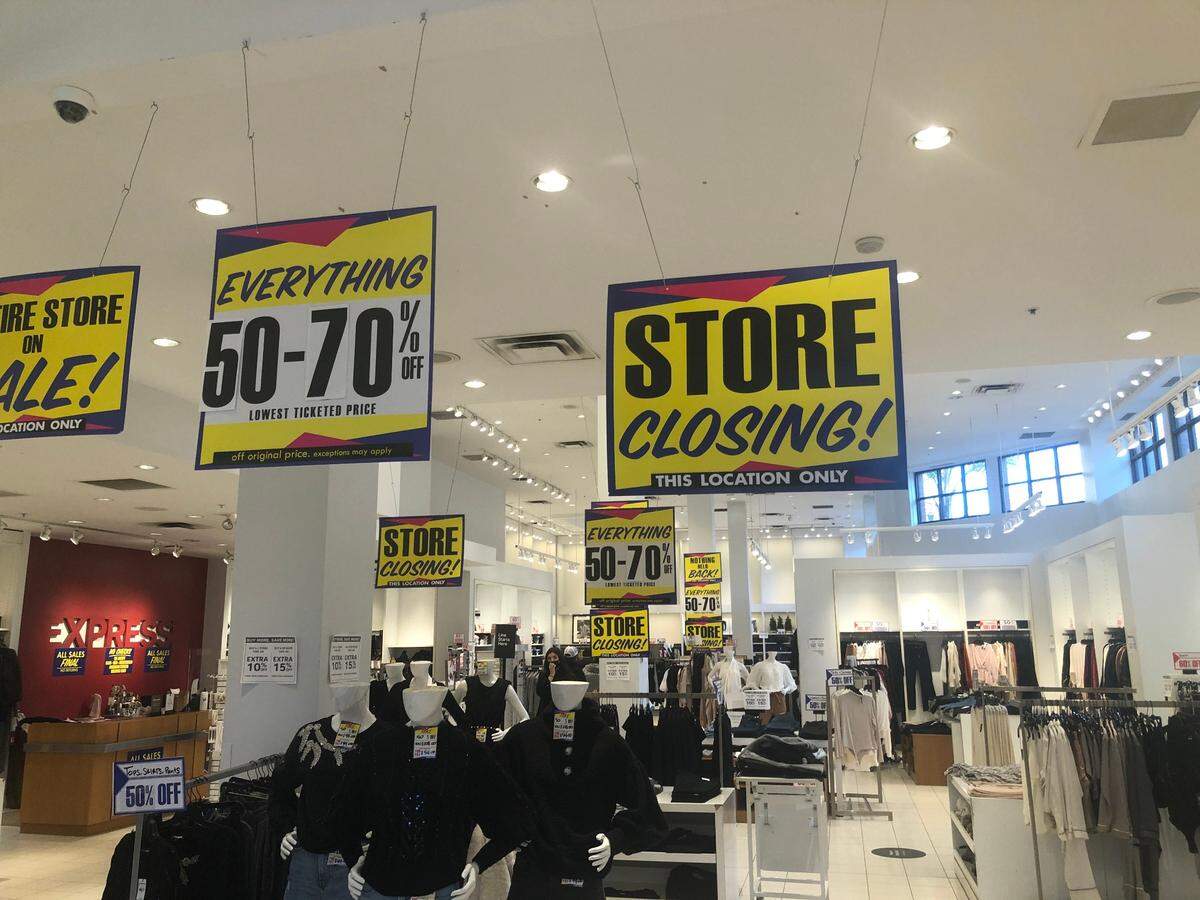
Back-and-forth business restrictions regarding coronavirus safety have hit local business owners hard, resulting in an increase in closures.
This year, about 120 more business than usual closed, city officials said.
City records provided to The Tribune show that 353 businesses opted not to renew their business licenses with the city by August.
Some of the most affected included beauty shops, retail stores, restaurants, professional services, massage parlors and sole proprietors.
The Tribune released a list of businesses that did not renew their license for the next fiscal year.
Dec. 8: SLO County requests formation of Central Coast region
- 6,965 total cases, 912 active cases, 42 deaths.
Three Central Coast counties could separate from the Southern California stay-at-home region if their request is approved by the state.
San Luis Obispo, Santa Barbara and Ventura counties jointly signed a petition the state to form a Central Coast region under California’s regional stay-at-home order that would tie restrictions to their collective ICU capacity, rather than larger Southern California area as a whole.
According to a news release from Ventura County officials, the three counties planned to submit a unified request for a “smaller regional approach” if their ICU capacity exceeds the state’s 15% trigger in the next three weeks. SLO County confirmed that hte letter was submitted in a Dec. 8 news release.
As of Dec. 15, the county remained a part of the Sothern California region.
Dec. 9: Public health department reduces quarantine as SLO County passes 7,000 cases
- 7,071 total cases, 948 active cases, 45 deaths.
Another 1,000 coronavirus cases were reported within two weeks of SLO County passing the 6,000-case mark. As coronavirus cases continued to surge locally, hospitalizations and death rate rose as well.
The count also announced Dec. 9 that quarantine orders would shift down from a 14-day order to a 10-day order for asymptomatic people who were exposed to COVID-19. The change came as a result of new CDC and California Department of Public Health recommendations.

Dec. 10: Cal Poly fall sports canceled due to COVID concerns
- 7,267 total cases, 1,088 active cases, 45 deaths.
Cal Poly fall sports, which were planned for the spring, including soccer and volleyball, have been canceled due to a Big West Conference decision.
The Big West’s decision was made in response to ongoing coronavirus and safety challenges affecting campuses and communities, Cal Poly officials said in a news release.
Men’s and women’s basketball teams in the Big West Conference have already began their winter season and will not be affected by the decision.
Cal Poly football may also continue because it is not in the Big West Conference. Cal Poly’s football season begins Feb. 27.
Dec. 14: Coronavirus has been in SLO County for 9 months; vaccine on the horizon
- 7,711 total cases, 1,332 active cases, 46 deaths.
Nine months ago, San Luis Obispo County confirmed it’s first coronavirus case, changing the county since.
While in many ways the county has returned to where it was nine months ago — under a stay-at-home-order, wondering when life will return to the way things were — much has also changed.
Businesses have closed, schools have reopened, neighbors have died.
Yet, as Borenstein put it “there is a light at the end of this tunnel.”
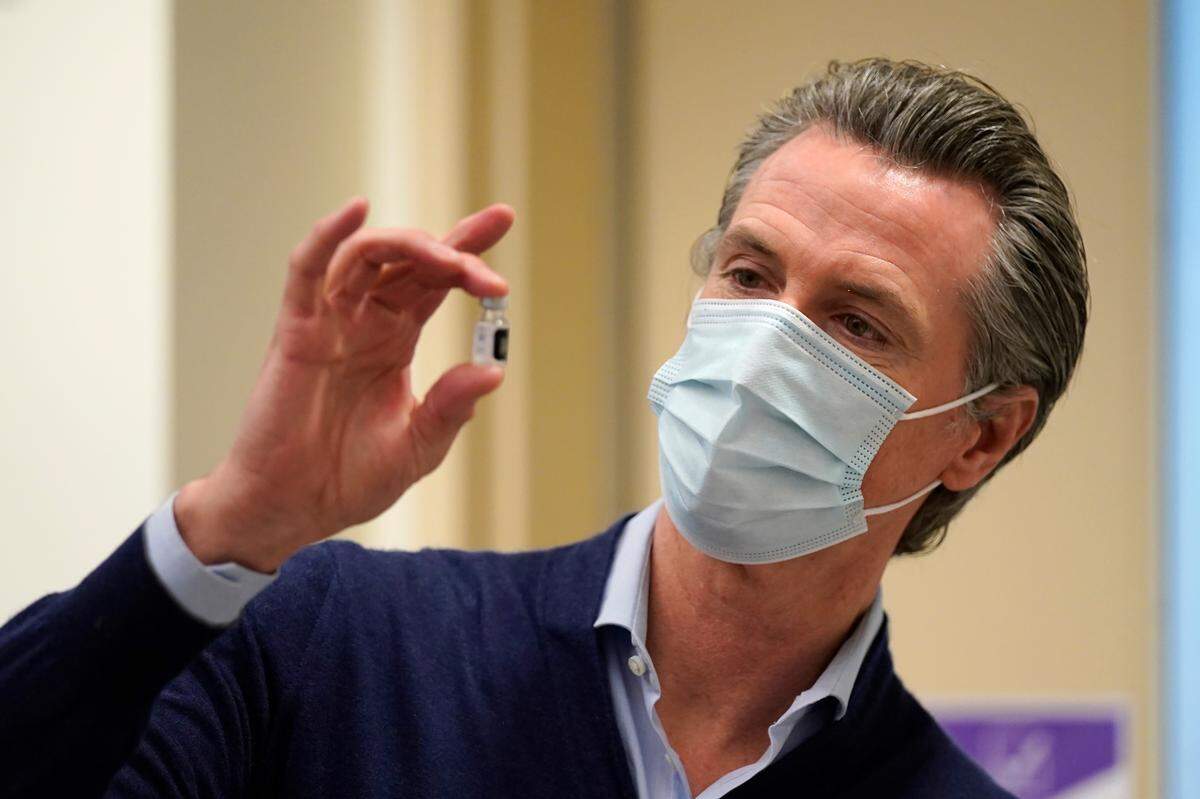
A vaccine is on the horizon. In San Luis Obispo County, nearly 2,000 doses of that vaccine is slated to arrive as soon as this week.
The first doses will be distributed to healthcare workers and people at skilled nursing facilities, the county said.
This story was originally published September 14, 2020 at 2:15 PM.