
353 businesses have closed in SLO amid the pandemic. Here’s who’s been hit hardest
Update to this story >> >> Hundreds of businesses closed in SLO in recent months. See the full list
A breakdown of the types of San Luis Obispo businesses that have been hit hardest by the pandemic shows small companies of all types have shut their doors in recent months — particularly those in the service and retail industries.
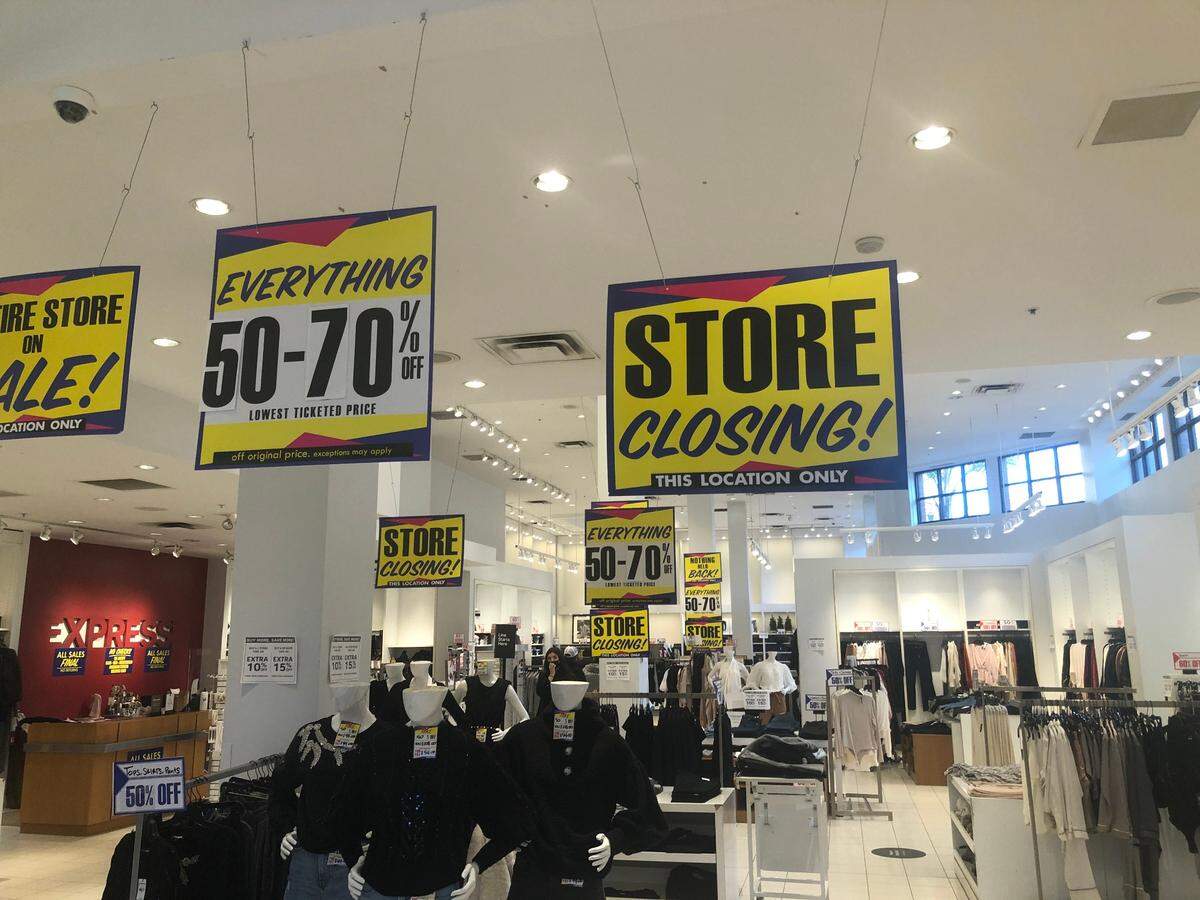
City records provided to The Tribune show that 353 businesses opted not to renew their business licenses with the city by August, with some of the most affected including beauty shops, retail stores, restaurants, professional services, massage parlors and a host of sole proprietors.
A typical year of business closures in the city is about 230, meaning more than 120 businesses than usual ceased their operations in SLO, city officials say.
SLO has more than 7,300 businesses licensed in the city in all.
The city generally monitors the businesses that stopped license renewal at the end of the fiscal year in June, but this year SLO extended business license renewals to August.
Sole properties who closed in the city included beauticians, Realtors, legal and finance professionals, private educators such as music and preschool teachers, painters and contractors, hair stylists, and many more.
“One thing that we noticed in the data was that service industries tended to close within the first three months of the shutdown while most retailers waited longer than three months to close,” said Brigitte Elke, the city’s finance director. “We noticed right away that sole proprietors and small professional service companies were quick to close following the shutdown.”
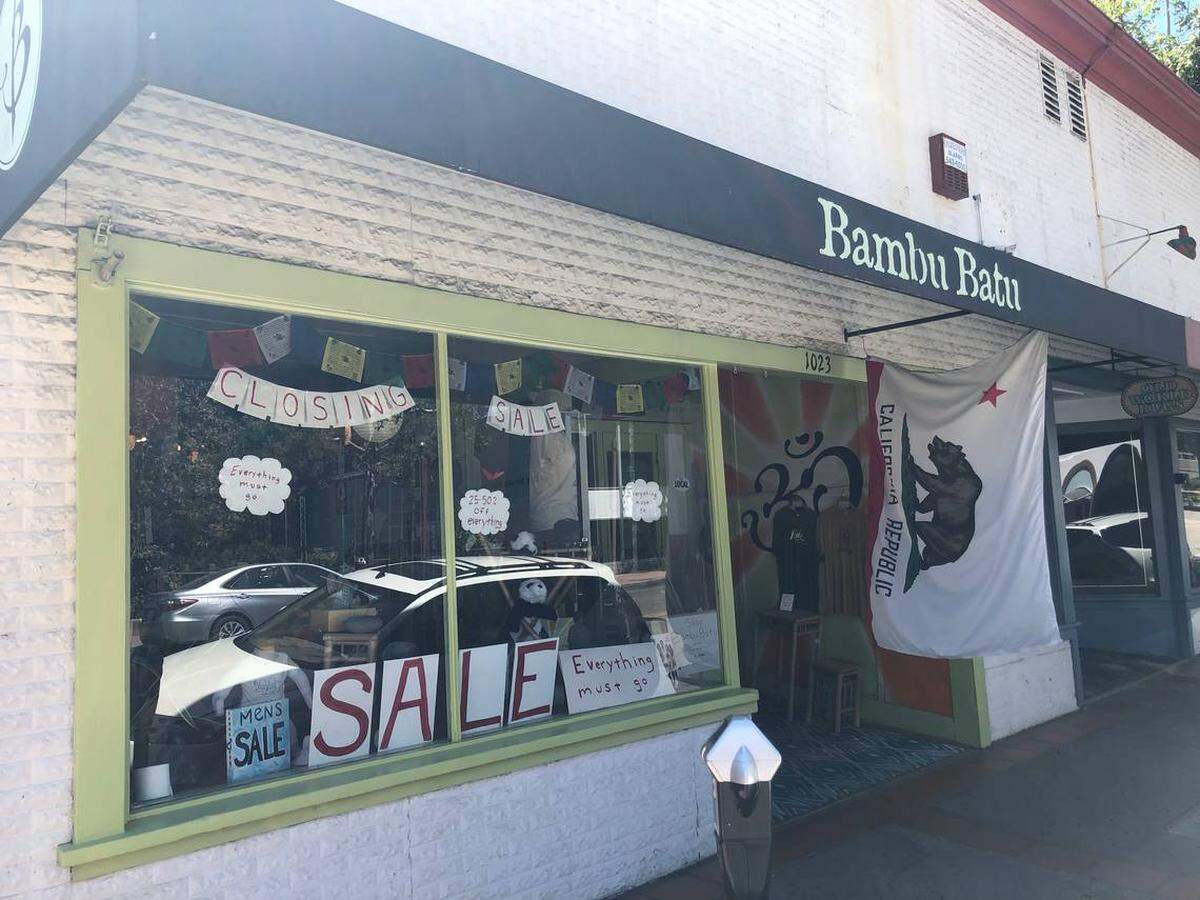
While many of the operators are unknown to the general public, some of the high-profile businesses that appear to have permanently closed in SLO during their period included: retail stores Jules D, Bambu Batu and Fiore; restaurants Pepe Delgado’s, Chronic Tacos (Downtown Centre), Oasis and Pizza Solo.
Other notable establishments included Peet’s Coffee, Enterprise Rent-A-Car (on Los Osos Valley Road), Manuel’s Liquors, and San Luis Motorsports.
Just because a business didn’t renew its license in SLO doesn’t mean it necessarily closed for good, however.
For example, BoltAbout Electric Bikes discontinued its business license in SLO but is now operating in Avila Beach and Oasis consolidated its operations to its existing Pismo Beach eatery. Another business, Apropos, moved its location within the city.
But many likely will not come back amid the pandemic, according to city officials, who have noted 150 new companies have purchased licenses in the city since June 1.
Breakdown of SLO industry impact
Of the businesses that ceased to renew licenses by the end of August, SLO officials tallied the following breakdown by industry:
▪ General service: 40.2%
▪ General retailer (including restaurants): 22.5%
▪ Professional service: 21.4%
▪ Massage therapist: 5.4%
▪ Contractor: 2.9%
▪ General manufacturer: 2.4%
▪ Commercial rental property: 2.1%
▪ General wholesaler: 2.1%
▪ Utilities/transportation: 0.5%
General and professional services breakdown
According to city officials, the general and professional services industries are made up of:
▪ Finance/business/legal services: 15%
▪ Beauty shops/hairdressers: 11%
▪ Education and art: 8%
▪ Chiropractic/physical therapy: 7%
▪ Counseling: 4%
▪ Other general services: 54%
SLO still monitoring business impacts
The data shows that 84 out of the 353 (24%) were businesses with home occupation permits with the rest commercial businesses.
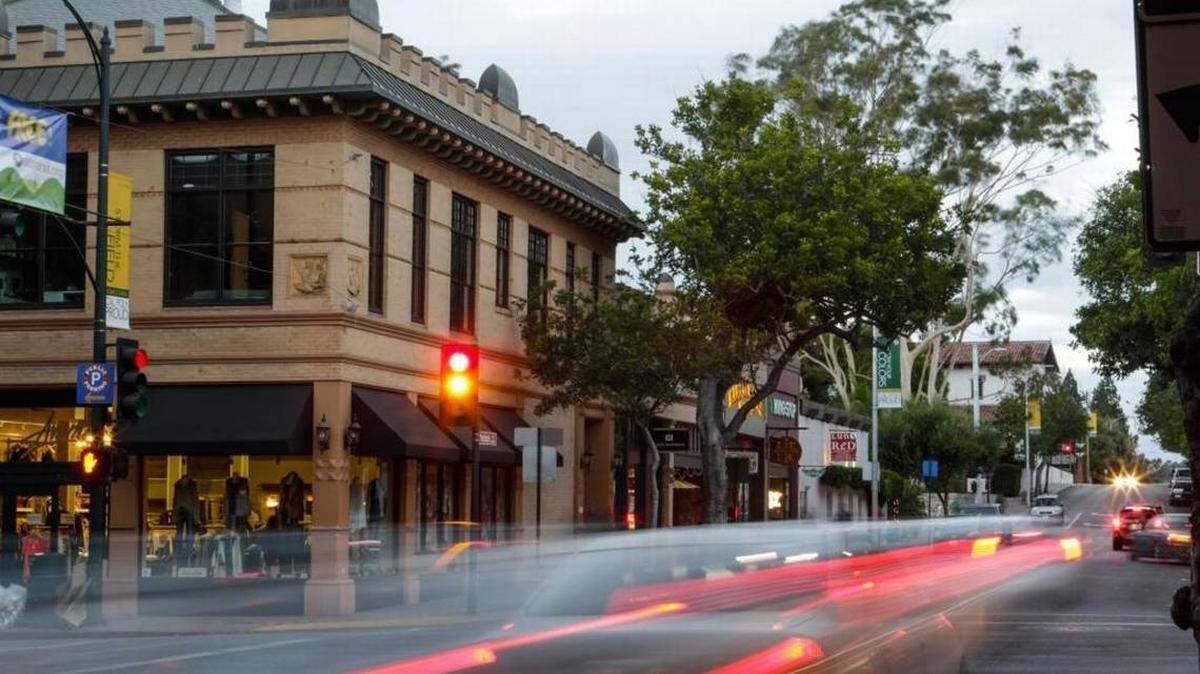
About 14% were within the downtown district boundaries, Elke said, though notably few of these businesses appeared to be in the dining industry.
Elke said that the direct impact of sales tax loss related to the closures is hard to project, considering the success of new businesses that have taken the place of closed ones would still need to be factored in.
But even with the local economy faring better than expected since the pandemic, according to early financial forecasts, the city is still down about $1 million in its budgeted revenue, Elke said.
“It is hard to correlate business closures with sales tax losses at this point simply because new businesses are opening up when others close,” Elke said. “A good example is Peet’s closing and Teazer World opening up. The real impact on sales tax with the pandemic came thus far from the temporary closure of many businesses and diminished tourism and event activities.”
As the pandemic continues, however, this “might change and the city will continue to monitor business activities very closely,” she said.
Reaction from business owners who closed
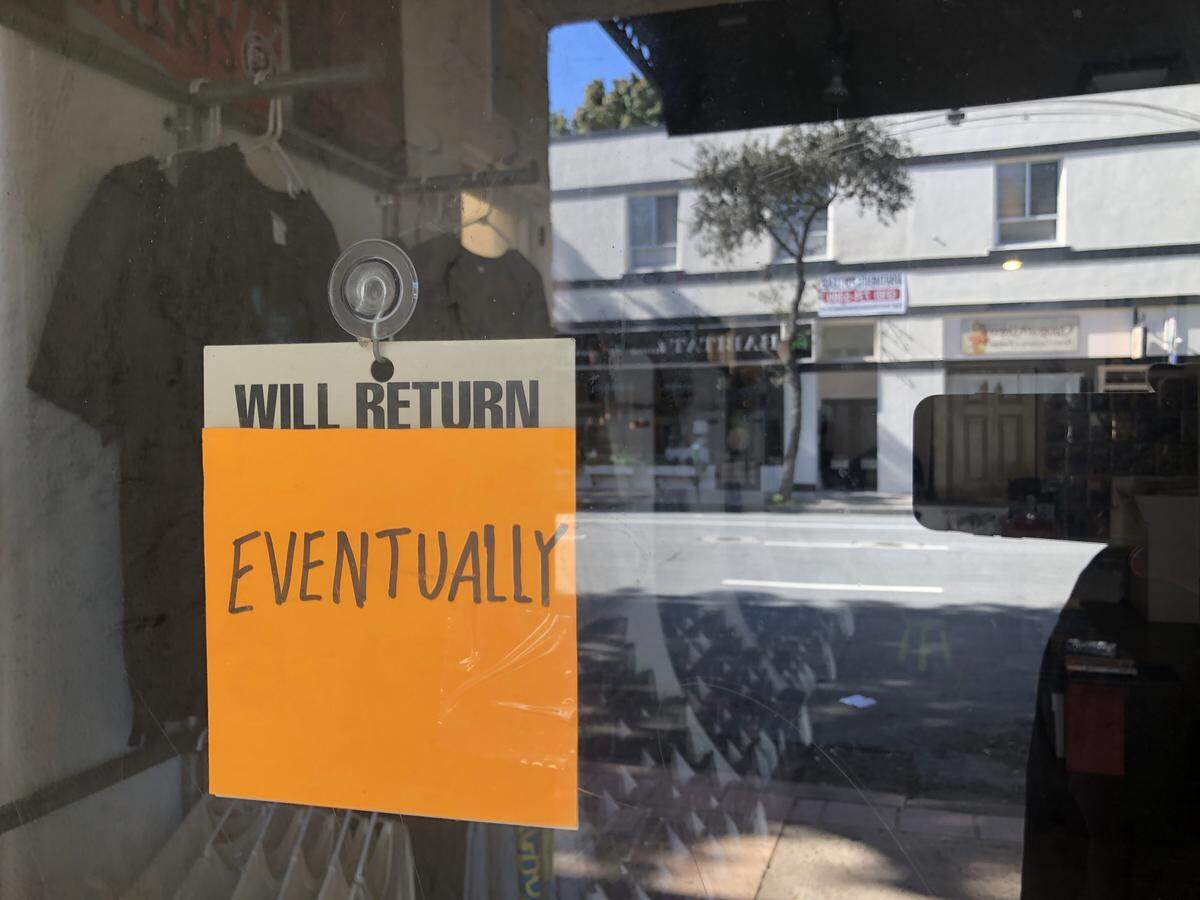
Throughout 2020, various business owners in SLO have shared their hardships.
Jules DuRocher, owner of Jules D which closed in downtown SLO after eight years, told The Tribune in July that retail in general is just struggling, “and that already was happening before the pandemic, which made things even more difficult. It has been hard.”
DuRocher at the time said she could have developed a hybrid model merging an online and physical retail business, but said Jules D’s vendors sell the same products online as well. Those vendors can offer better deals such as free shipping because of bigger profit margins, she said.
Former Bambu Batu owner Fred Hornaday told The Tribune he was planning to sell his store specializing in bamboo clothing and decor, but when the pandemic hit, SLO turned into a virtual ghost town with few shoppers and government restrictions, and he decided to close his doors in May as part of a personal decision to reunite with his wife and kids in Europe.
Hornaday said Bambu Batu, like many other stores, was heavily impacted by the COVID-19 shelter-at-home order. He made the decision to close rather than continue trying to sell the business after no takers came forward and because he foresees a slow and arduous economic recovery ahead.
Downtown SLO CEO Bettina Swigger, however, expressed optimism that the local economy can rebound.
“SLO is uniquely positioned as a walkable, charming place that will continue to offer a great restaurant, shopping and other types of services,” Swigger said in July. “Small businesses are known for their creativity, and those who are the most adept at adapting will come through this.”
Resources for relief, stimulus
To help weather the economic hits, SLO has provided a variety of types of assistance.
Those have included $1 million toward the OpenSLO program for outdoor dining, including parklets and outdoor seating; a fast-track tenant improvement program to help get new businesses up and running; and $260,000 in small-business grants, which were awarded in amounts of $5,000 to 52 local businesses.
The city will consider at its Tuesday City Council meeting a new round of stimulus funding totaling $3.425 million through its voter-approved Measure G sales tax funding.
That funding would include: $2 million toward tenant improvement assistance, $500,000 in small-business relief grants, $425,000 in downtown projects like OpenSLO parklets, Mission Plaza dining and the Light Up Downtown holiday decorations; and $200,000 for a shop local incentive, such as gift card rewards for those who spend at local businesses.
A recent Central Coast Coalition of Chambers of Commerce survey shows that while many businesses are still struggling through the current economic conditions, the number reporting a more than 50% loss in revenue since March has dropped by nearly 20 points since a previous May survey. Currently, about 29% of 263 survey respondents reported losses of at least 50%.
And the Chamber’s latest survey, conducted from Nov. 9-30, showed nearly 30% of businesses aim to hire within the next month, though the data was gathered before Thursday’s announcement of a new likely stay-at-home order in SLO County.
SLO Partners to launch digital marketing bootcamp for businesses
As a way to boost online presence, SLO Partners announced the launch of a new Digital Marketing Bootcamp, in partnership with the Economic Vitality Corp. (EVC).
The program is designed for small to medium-sized businesses “who want to gain the skills to create and maintain an effective social media presence,” the organization wrote in a news release.
“The pandemic has shown us how critical social media can be for businesses — it really was a make or break asset for some,” said Paula Mathias-Fryer, program director at SLO Partners.
Business owners can enroll in the Bootcamp themselves or choose employees to complete the 10-week program that starts Jan. 14. Students complete five hours of modules a week — three hours at their own pace and two hours of live classes via Zoom.
Participants can apply up until the class starts with early-bird spaces available at $499. Once those spots are filled, the price will increase to $899.
“Those who had an established presence and a good following on social channels were able to communicate changes to their business and promote new products and services during an extremely challenging time — for many it was their lifeline,” Mathias-Fryer said. “Our hope is that more small to medium-sized businesses can gain the skills needed to create and maintain an effective social media presence, in order to aid in their recovery from COVID-19.”
SLO Partners was formed in 2014 as an initiative of the San Luis Obispo County Office of Education. For more information, go to www.slopartners.org.
Clarification: While Apropos pulled its business license in 2019 at its former location, it has moved and continues to operate in SLO at 1021 Morro St. under a new license.
This story was originally published December 7, 2020 at 5:00 AM.
%20Cropped.jpg)