Despite COVID-19, Cuesta College reopens classrooms for in-person learning
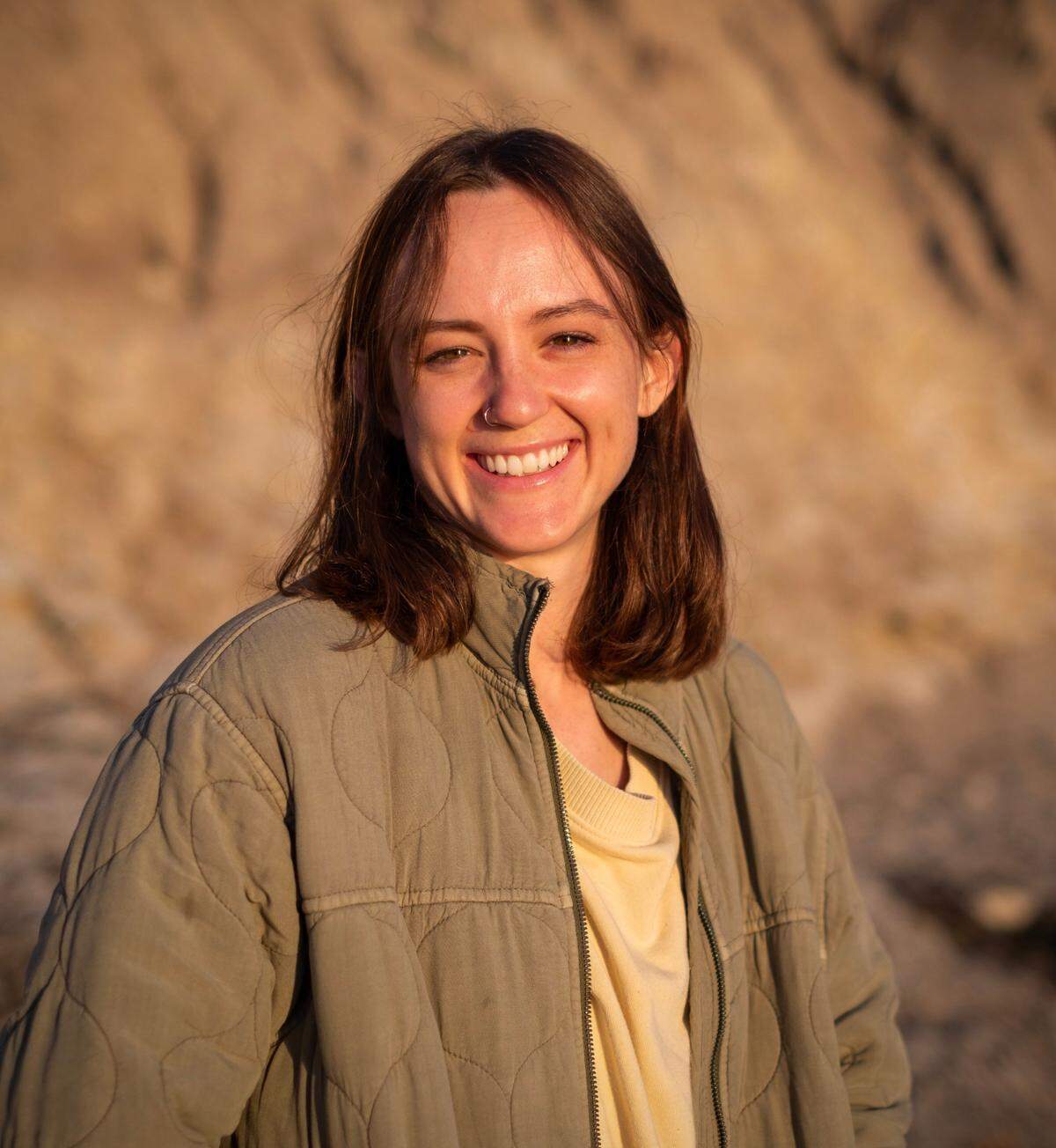
Going onto campus at Cuesta College during the first week of classes was “weird,” student Sage Whitham said.
“I’m used to being here (for the) first day of school (when) everyone is running around, everyone is out,” said Whitham, an art major from Arroyo Grande.
But this year is different.
Cuesta College’s San Luis Obispo campus is quiet. Most buildings are empty and only a few students and employees can be seen hurrying from their classes and then straight back home.
The community college, which began classes Aug. 17, is one of many colleges and universities to offer in-person classes despite the coronavirus pandemic and strict local, state and federal health guidelines across the United States.
Cuesta College’s San Luis Obispo campus will host most of those classes, while students taking agriculture classes will be at the Paso Robles campus. The college’s Arroyo Grande campus will not offer in-person classes.
About 92% of Cuesta College’s courses are being taught online this fall, leaving just under 100 taught face-to-face, said Jason Curtis, assistant superintendent and vice president of instruction. An estimated 250 students and faculty are expected on campus each day, he added.
“We’re hoping that people come onto campus for their class and then as soon as class is over they will just leave and go home,” Curtis said.
Health and safety protocols to prevent spread of COVID-19
Cuesta College is adhering to health and safety guidelines for preventing the spread of COVID-19 from the federal Centers for Disease Control and Prevention as well as state and local agencies, Curtis said.
San Luis Obispo County Public Health Officer Dr. Penny Borenstein approved the state’s guidelines for the reopening of college campuses. Those guidelines include wearing face coverings, maintaining physical distancing, closing nonessential shared spaces such as game rooms and lounges, and limiting visitors on campus.
“We support the safe reopening of our higher education institutions as we all try to slow the spread of COVID-19 here in SLO County,” Borenstein said in an April 12 news release. “As our colleges and universities continue to develop their reopening strategies in accordance with the State’s guidance, protecting the community and promoting behaviors that reduce spread of the disease must be the top priority.”
The California Community College Chancellor’s Office released a report on June 25 with guidance for community colleges to safely reopen.
In its broad-ranging guidance, the Chancellor’s Office suggested — along with standard health and safety measures — allowing students to complete course requirements online if they cannot or do not wish to participate in on-campus classes, limiting class attendance, holding all office hours virtually, moving student services online and providing additional training to students and staff for accessing classes and other support services.
Strict protocols such as temperature screening before entering a classroom, physical distancing, mask wearing and lots of sanitation must be followed for in-person instruction to continue.
Students are making sure to take those safety precautions seriously, Cuesta College art student Allison Hamby said.
“It’s not just about your own safety,” Hamby said. “It’s everyone else’s, too.”
Classes being taught in person this fall are “hard to convert” to an online format, Curtis said. Students are allowed to participate in studio art, auto repair, some science labs and athletics on campus.
Cuesta College was able to learn from the small number of in-person classes it offered over the summer. Those classes served as an experiment, Curtis said, and allowed the college to learn the appropriate amount of protection needed to keep students and faculty safe.
Fall term classes won’t look much different from those taught in the summer — because those safety measures worked, Curtis said.
“Since March, we’ve been fortunate to not have an exposure on campus, or where the county Public Health Department felt like we had someone on campus who was potentially infectious to others,” he said.
The only major change from the summer term is the number of classes offered in person and how many students and faculty will be on campus each day, which have both increased significantly.
Each classroom will be sanitized and sealed off after a course is taught, and only the lab portions are in person with the lecture portion of the classes taught online.
In-person classes are worth it, teachers and students say
Despite Cuesta College’s strict health measures, studio art teacher David Prochaska said that having the students on campus for his art classes is incredibly important to their success.
Prochaska said students adapted quickly to fully distanced learning in the spring when COVID-19 first came to San Luis Obispo County, but he saw a change in their artwork.
“We could also see the level of success diminish quickly just because they didn’t have a home studio space to work in,” he said.
Hamby, one of Prochaska’s students, said in-person classes give her the opportunity to see what other students are doing and notice how their art differs from hers. Plus, she’s able to get real-time critiques from her professor.
“There’s a huge difference between looking at an object in person and looking at it from a screen,” she said. “And it’s nice because he (Prochaska) can walk around and critique my art, so if I need to change how I did a line or something, he can tell me right there instead of later after my whole piece is done.”
Though other colleges and universities around the nation have been forced to reverse in-person fall term plans due to COVID-19 outbreaks, Cuesta College remains positive that their term will go smoothly.
If a student or faculty member does get sick and possibly exposes others on campus, the class or classes that the individual was in will move immediately to an online-only format, Curtis said. But that would be a devastating option for the college, to be used only as a last resort, he added.
“We learned from the summer just the gratitude and appreciation from the students who were able to get that face-to-face class that they needed,” Curtis said. “That’s why we were really committed to trying to keep some of those for the fall semester and expand what we could offer.”