DOJ report says SLO County had most homicides in 17 years in 2020. But it missed a few
A recently released California Department of Justice report says that San Luis Obispo County recorded more homicides in 2020 than in any year since 2003.
The report, Homicide in California 2020, shows the county had seven homicides last year, a jump from five local homicides in 2019.
But the number of local homicides in 2020 was actually much higher when killings by law enforcement officers are included.
San Luis Obispo County law enforcement officers fatally shot three people in 2020, the most recorded in a single year in recent memory. And local officers have shot and killed two people so far this year in incidents that remain under investigation.
In reality, 2020 was the deadliest year statistically since 1992, when the county last recorded 10 homicides, according to historical data from the California Department of Justice.
The three officer-involved homicides of 2020 — each of which remain under investigation by the county District Attorney’s Office — should be included in the annual DOJ report, which was released July 1. But the state Attorney General’s Press Office told The Tribune that the publication is based solely on what was provided to their office by local law enforcement agencies.
The AG’s Office, the judicial arm of the DOJ, confirmed through its press office that the agency did not receive information about the three officer-related killings, at least not for inclusion in the report.
The DOJ reports are compiled from crime data submitted annually by local agencies across the state.
The San Luis Obispo County Sheriff’s Office is one of those agencies. And it was the sole local agency that was both involved in and later investigated the three 2020 officer-involved homicides, which the District Attorney’s Office has yet to deem justifiable.
Asked about the discrepancy, Sheriff’s Office spokesman Tony Cipolla said that suspected justifiable homicides are not considered by the Sheriff’s Office to be criminal homicides, and therefore are not among the cases reported annually to the state in its crime reporting.
Should an investigation into what is believed to be a justifiable homicide by law enforcement remain open at the time the agency submits its annual data to the DOJ, Cipolla said, those open homicides aren’t reported to the state until a District Attorney’s Office review makes the official determination that a shooting was justified.
“These three (law enforcement-related homicides) are still under investigation and once it is confirmed they are classified as justifiable homicides then we can accurately report them as such,” Cipolla wrote in an email Friday. “It’s not uncommon to issue an amended total once the investigations are complete.”
The ways local agencies choose to report their data to the state can affect the accuracy of crime data publications such as the DOJ’s homicide report, which include criminal homicides that remain under investigation in San Luis Obispo County.
What is SLO County’s homicide rate?
A homicide is generally defined as the killing of a person. Homicides include murders, which are crimes proven in court, but can also include accidental killings and fatalities that occur during self-defense situations.
The DOJ report noted seven homicides of civilians by other civilians.
The number of seven homicides in 2020 translates to a rate of 2.5 homicides for every 100,000 residents. That’s up from a rate of 1.8 homicides per 100,000 residents the previous year.
But that data does not include the peace officer killings of a mentally ill man who shot a Sheriff’s Office deputy in the face in June 2020, a Bakersfield man who was killed after opening fire outside a Nipomo grocery store that August or a suspected white supremacist gang member who died in a shootout in September.
The AG’s Press Office explained that although justifiable homicides are included in the report’s statistics, they are not calculated into the homicide rate, which is intended to convey a rate of violent crime, and is in line with FBI reporting practices.
Had justifiable homicides been considered, it would translate to a local homicide rate of 3.5 homicides per 100,000 residents.
By comparison, Santa Barbara County reported eight homicides in 2020, or a rate of 1.8 homicides per 100,000 people. That was way down from 2019, when the county recorded 17 homicides, or a rate of 3.7 homicides per 100,000 people.
Los Angeles County had the most homicides — 677 — with a rate of 6.7 homicides per 100,000 residents.
San Luis Obispo County has recorded at least two, but no more than seven, homicides each year between 2000 and 2020, according to past DOJ reports.
The county recorded its least amount of homicides in the years 2004 and 2017 with two homicides each year, and no homicides in 1993, according to data compiled going back to 1991.
Homicides jump after California saw historical low in 2019
Statewide, homicides jumped from 1,679 in 2019 to 2,202 in 2020, a 31% increase.
The spike made 2020 the deadliest year in the state since 2007, a notable increase after California’s homicide rate in 2019 was the lowest seen in the state since 1966.
Statewide, firearms continue to be the most common weapon used in homicides, with 74.2% of homicides involving a firearm when the weapon was identified.
Of the homicides where a contributing circumstance was known, 34% were the result of an unspecified conflict or argument; 28% were gang-related and roughly 9% occurred in conjunction with the commission of a rape, robbery, or burglary. About 7% of the homicides were domestic violence-related.
There was also an 18.1% increase in homicide arrests in 2020, with 1,597 arrests.
Of the homicides where the victim’s race or ethnicity was identified, 45.% were Hispanic, 31% were Black, 16% were white and 8% belonged to other race or ethnic groups.
Also in 2020, 143 justifiable killings were reported. Of those, 58 were committed by civilians and 85 were committed by peace officers.
It does not appear those figures include the three San Luis Obispo County homicides committed by officers.
Of those killed by law enforcement officers statewide, 94% were male; 49% were Hispanic, 22% were white, 20% were Black, and 8% belonged to other race or ethnic groups.
All of the justifiable homicides involved the use of a firearm.
Who were the people killed in SLO County in 2020?
Here is a look at the homicides that occurred in San Luis Obispo County in 2020.
In January, 58-year-old Andrew McTaggart was stabbed to death at a Morro Bay storage facility during an altercation with Sean Maneely. Maneely, who was a friend of McTaggart’s, pleaded no contest to voluntary manslaughter that July and was sentenced to six years in state prison.
In March, 37-year-old Andres Martinez of Grover Beach died of blunt force trauma injuries in a Grover Beach strip mall parking lot. An acquaintance, 26-year-old Nicholas Sage Coronado-Watermen, has been charged with his murder and is currently in custody at San Luis Obispo County Jail.
Homicide victim Trevon Perry, 27, of Paso Robles, was allegedly shot to death by Nicholas Ron Jr., also of Paso Robles, in March, a San Luis Obispo County investigator testified at a court hearing. Perry was missing for months before authorities found his remains at a property in Riverside County.
A motive for Perry’s killing has not yet been made clear in court records or testimony. Ron is due back in court later this month. Several other people, including Ron’s mother, have been charged with accessory counts related to Perry’s alleged murder.
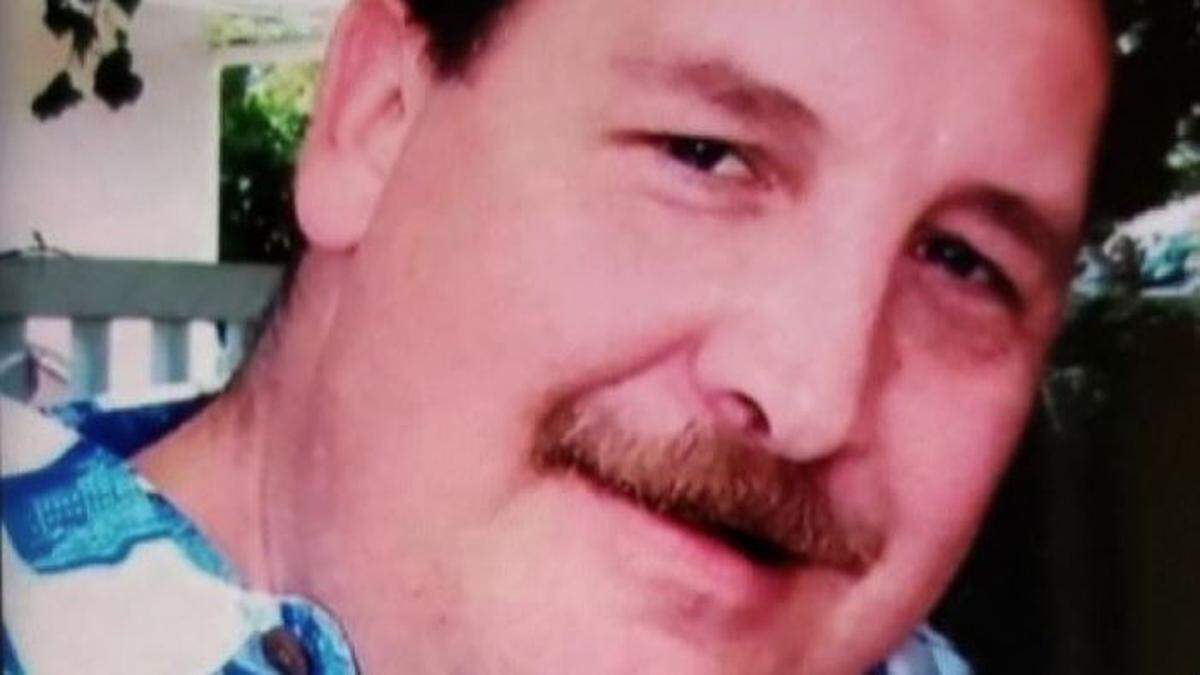
Sparking a large-scale two-day police manhunt in June that involved dozens of law enforcement agencies, Mason Lira used a stolen pistol to shoot and kill 58-year-old James Harding Watson near the city’s train station.
Watson, who was homeless, was described by friends and family as a “very gentle and loving guy.” He was found to have been shot in the head at close range.
Lira, 26, was also homeless and had a history of untreated mental illness.
After Watson’s killing, Lira ambushed and shot Sheriff’s Office Deputy Nicholas Dreyfus in the face. Dreyfus survived the attack. Three more officers would be injured over the next 24 hours before Lira was cornered and killed by police in a Paso Robles vineyard.
The several shootings involved in the manhunt are currently under review by the District Attorney’s Office, which is expected to release its report in the coming weeks.
In July, 23-year-old Skylar Marshall fatally shot her husband, Alexander Hagist, 35, in the couple’s San Luis Obispo apartment.
Though Marshall was initially charged with murder, a judge reduced the charge to involuntary manslaughter during a court hearing this April, when investigators testified that Marshall had told them the firearm discharge was accidental.
The District Attorney’s Office said it plans to challenge that ruling, and Marshall, who remains in County Jail, is due back in court in August.
In August 2020, 42-year-old Bakersfield resident Scott Huffman opened fire in broad daylight in a parking lot outside a busy Nipomo grocery store. Huffman fired at least 20 rounds into the parking lot near the grocery store, into the nearby street and into a gas station before he was shot and killed by CHP officers and Sheriff’s Office deputies.
That fatal shooting is currently under review by the District Attorney’s Office.
In September, Sheriff’s Office deputies fatally shot Christopher Straub, 38, near the Templeton Cemetery after Straub shot and wounded a deputy in the leg during a shootout.
San Luis Obispo County Sheriff Ian Parkinson said that Straub was a member of a white supremacist gang, though he would not elaborate. A large cache of weapons was discovered in Straub’s vehicle and home, and officials say he was suspected of manufacturing illegal weapons.
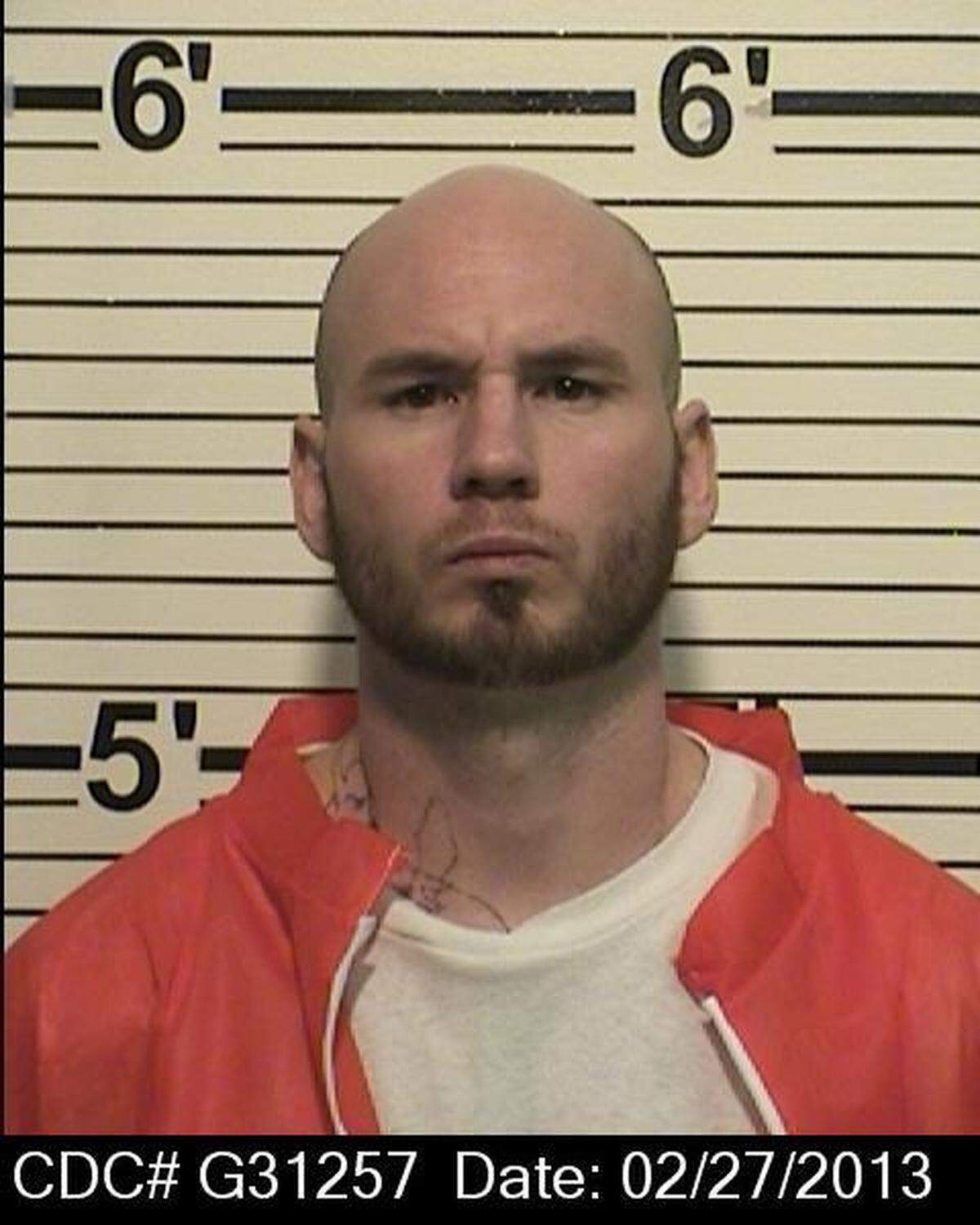
In October, 27-year-old Victor Nungary of Hanford was shot and killed the parking lot of J N J’s Liquor in the 3300 block of Spring St.
Paso Robles police said that three men, including another victim who lived, had approached Nungaray outside of the store and a fight broke out between Nungaray and two of the men. Nungary was fatally shot with a handgun.
The police department said Friday that the investigation is ongoing.
In November, Kayonie Eliaz Mendibles was arrested at a traffic stop and later charged with murder for the death of 77-year-old Jeanine Vore in rural Arroyo Grande.
Details have not yet been revealed in court, but the District Attorney’s Office said in a charging document that Mendibles used a belt in Vore’s killing. He’s due back in court in August.
This story was originally published July 12, 2021 at 5:00 AM.
CORRECTION: This article has been updated to clarify that the California Department of Justice does not include justifiable homicides in calculating counties’ homicide rates.