From housing to Diablo Canyon — where do SLO County District 3 candidates stand on the issues?
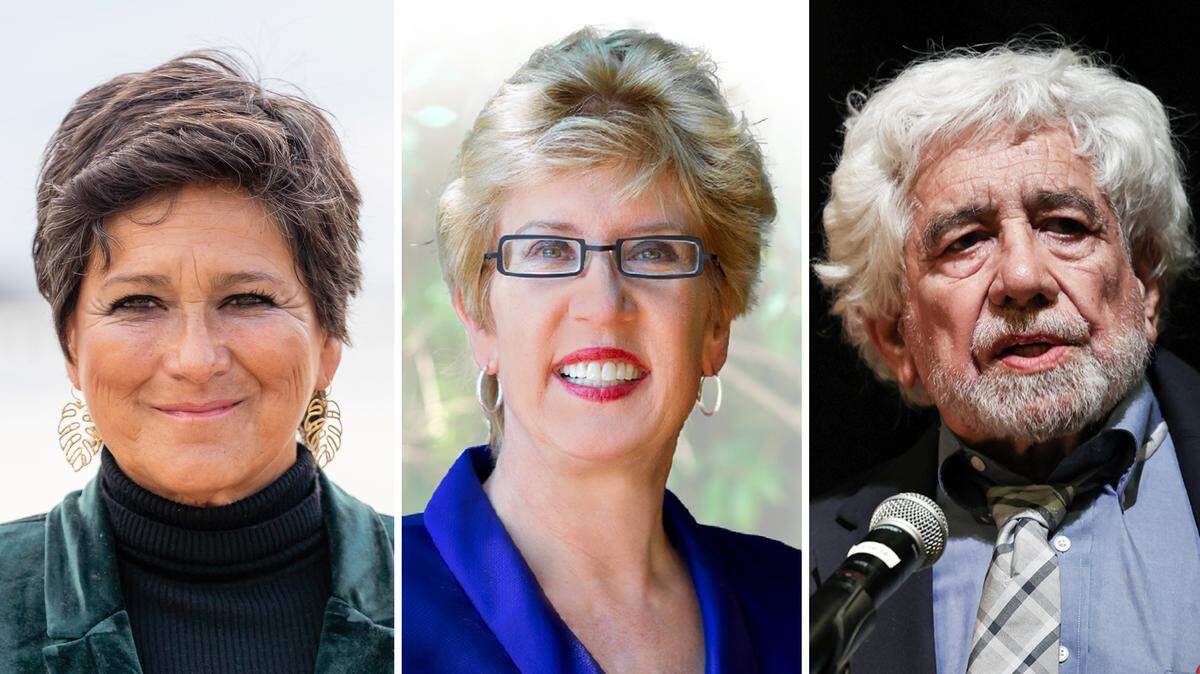
San Luis Obispo County is about a month away from the next election, and three candidates are fighting to win your vote to represent District 3 on the Board of Supervisors.
As you prepare to vote, here’s a look at who the candidates are and where they stand on a range of issues, from water to housing.
Want to hear about their stances on other topics? Let The Tribune know what you want candidates in all SLO County races to be talking about ahead of the primaries at https://bit.ly/3Fam4Ry.
Who is running for District 3 seat? Meet the candidates
Public service is a way of life for current District 3 Supervisor Dawn Ortiz-Legg. Growing up, her parents co-founded a nonprofit organization that offered eye health services in low-income areas.
They taught her how to support her community, she said.
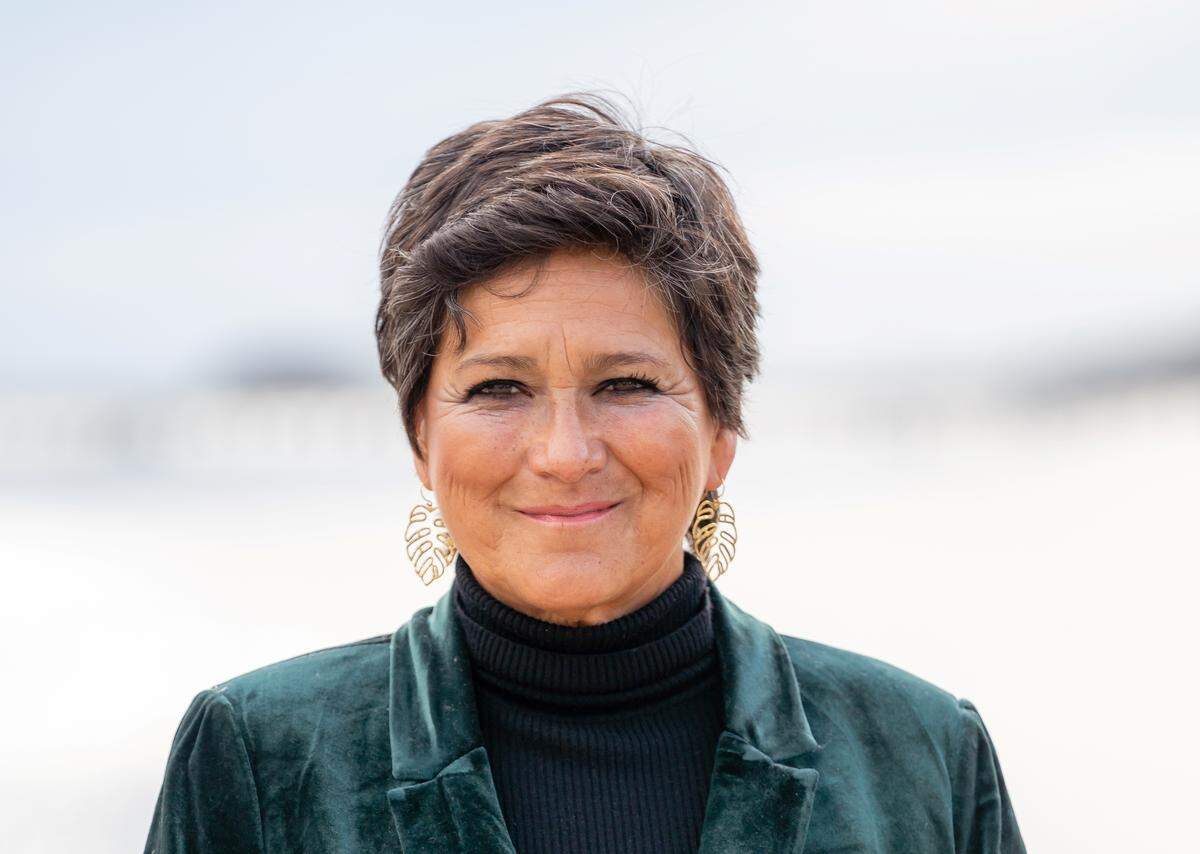
“Service is really why we’re here on the planet,” Ortiz-Legg told The Tribune in a recent interview. “You can do it with joy.”
Ortiz-Legg, who was appointed to the board in 2020 following the death of late Supervisor Adam Hill, raised her daughter in San Luis Obispo, worked as an energy expert in the renewable energy industry and served on a variety of community organizations, including the San Luis Obispo County Planning Commission.
Ortiz-Legg is running to keep her appointed seat.
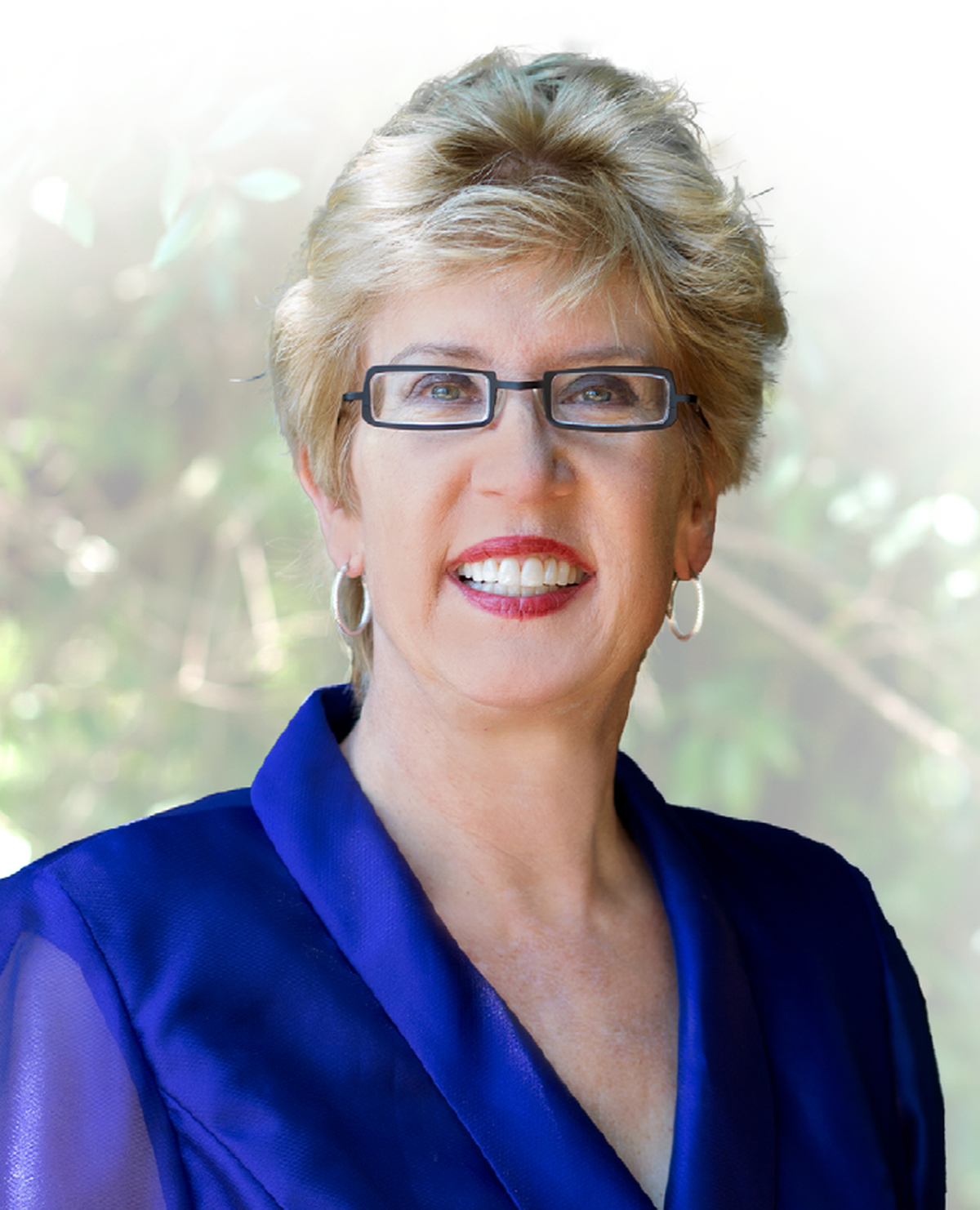
Competing for that seat is Stacy Korsgaden, a Cal Poly graduate who owns and operates her own insurance business.
Korsgaden also serves on the Board of Directors at the Boys and Girls Club of South San Luis Obispo County, and was previously a chairperson of the South County Chamber of Commerce.
In an interview with The Tribune, Korsgaden said she’s results-oriented and wants to “hold people and projects accountable.”
She’s committed to advocating for “government accountability, the truth, honesty and process,” she said.
It’s not Korsgaden’s first time on the ballot for District 3: In 2020 she ran for the open seat and almost defeated the incumbent Hill.
Korsgaden also previously made headlines after attending the Jan. 6, 2021 “Save America” rally in Washington, D.C., prior to the Capitol riot by a pro-Trump mob seeking to overturn the presidential election results.
“It was middle America, I’m telling you,” she told The Tribune in January 2021 after a photo surfaced of her at the rally and what she called the “peaceful and joyous” walk toward the Capitol afterwards.
She wasn’t part of the group that broke into the Capitol building after the rally and doesn’t condone the violence they caused, she said.
“We as Americans have the right for free speech and the right to assemble,” she told the Tribune in April. “We also have the right to question our government. That’s exactly what I did in Washington.”
Arnold Ruiz, a retired barber, is also in the race for District 3 supervisor — though he’s possibly most well known to some voters as the candidate who brings his pet rabbit to many of the debates. (He calls the rabbit Captain of the San Luis Obispo Sidewalk Zoo.)

Ruiz did not respond to multiple interview requests from the Tribune.
Now that you’ve met the candidates, here’s a look at where they stand on key issues.
Where do candidates stand on housing, homelessness and affordability?
When the pandemic hit, people discovered that they could work remotely — leaving cities behind for more picturesque places like San Luis Obispo.
According to Ortiz-Legg, the county doesn’t have enough housing to keep up with demand, and needs more homes that working people can afford.
In 2019, the Board of Supervisors updated the county’s inclusionary housing ordinance, which required developers to make 8% of their projects affordable housing or pay a fee. Fees were placed in a fund for affordable housing projects.
In March, the board voted to repeal the ordinance.
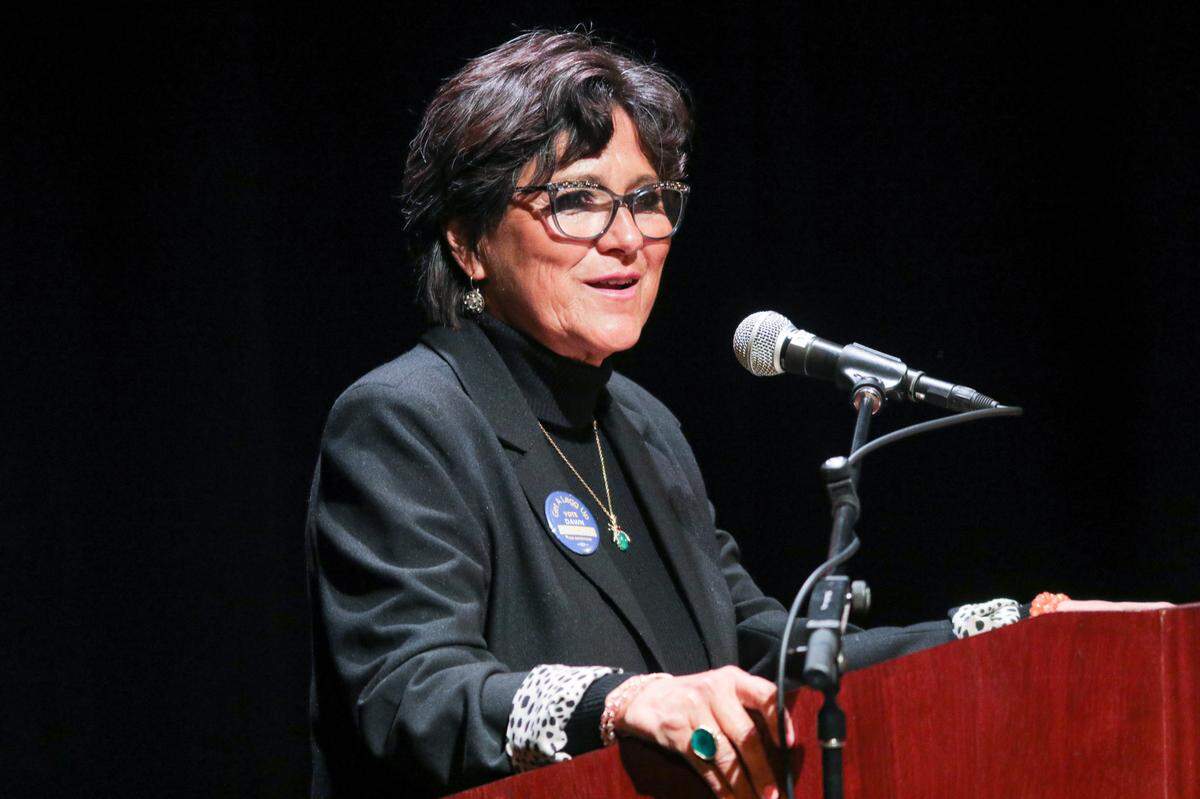
Ortiz-Legg said she wanted to wait to repeal the ordinance until they found another source of funding, but agreed that the ordinance wasn’t the right solution for now.
“Why are we taxing the things we want more of?” she said.
In response, Ortiz-Legg said she’s working with the Home Builders Association, various nonprofit organizations and Cal Poly to find new funding for affordable housing that works for everyone.
“I like to work with the people that are impacted the most,” she said. “That includes the nonprofits. That includes the developers, and that includes the industries that are having a hard time finding workers because there’s no houses: hospitality, education, public safety and health care.”
If Korsgaden was on the board, she said she also would have voted to repeal the housing fee ordinance because she felt it made building more expensive and discouraged development.
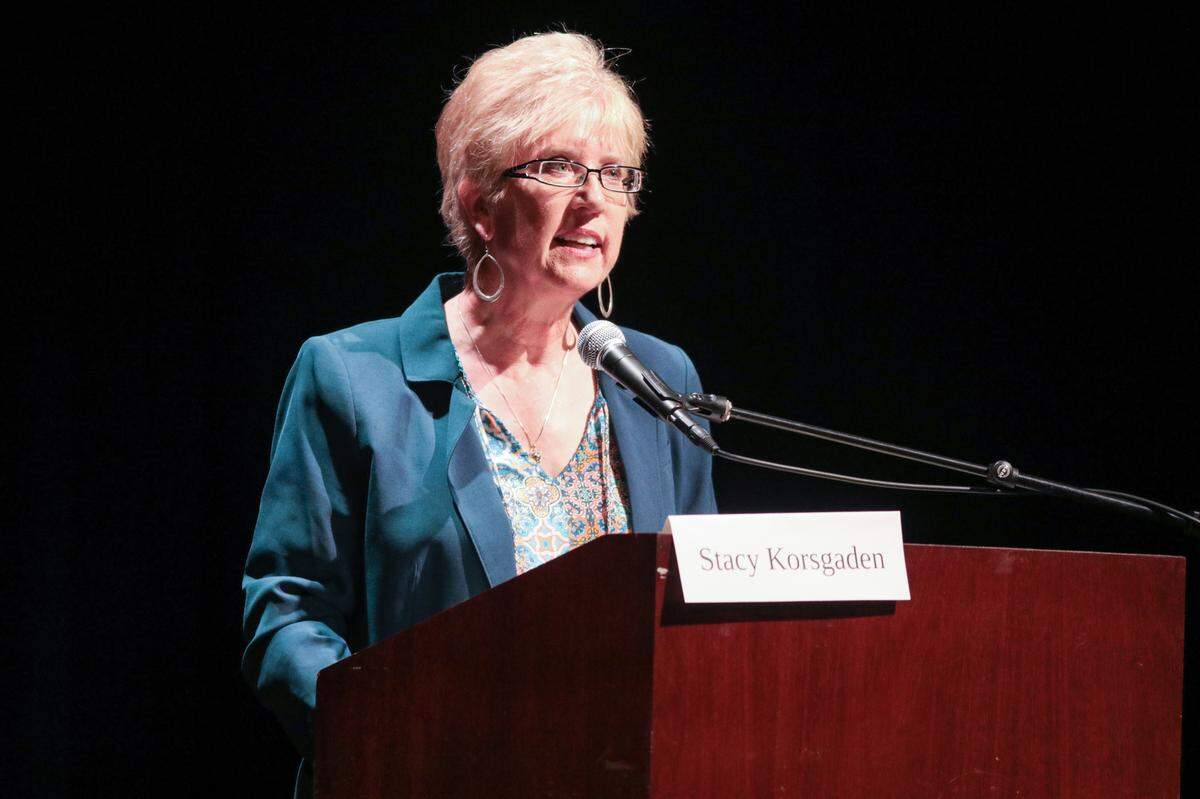
Instead, she wants to pass policies that encourage growth in the market.
Ultimately, Korsgaden said she thinks developers will pass building costs onto buyers. To reduce the cost of housing, the board needs to pass policies that make building more affordable, she said.
She also wants to encourage developers to build smaller homes that working people can afford.
Ruiz also didn’t agree with the inclusionary housing ordinance, saying during an April candidate debate on homelessness that, “we just don’t need more government.”
Inflation is the primary reason people struggle to afford to live in San Luis Obispo, he said.
How would District 3 candidates help preserve county’s water?
Water levels in the San Luis Obispo Valley groundwater basin are lower than is sustainable, and the candidates said they are committed to finding solutions for water security.
At a debate co-hosted by the League of Women’s Voters and Latino Outreach Council, Korsgaden said she supports Central Coast Blue, a massive South County effort to recycle water back into the Santa Maria Groundwater Basin.
She also wants to pursue a large-scale desalination plant with Santa Barbara and Ventura counties, and would push for a feasibility study on its cost and environmental impacts, she said.
Ortiz-Legg said she’s looking for creative, regional solutions to the water crisis — including the county combining their many water systems and supporting desalination.
Korsgaden meanwhile supports large developments, including vineyards, as long as they “strike a balance with water,” she said during the debate.
She said local management of water is important, but state regulations also need to improve.
“If we were properly prepared as a state and had proper water storage, maybe we would be using and managing our surface water so we wouldn’t have to go into our savings account, which is our groundwater,” she said.
Oritz-Legg said she also supports new developments, because projects have to prove that they’re able to manage water on their property according to the California Environmental Quality Act.
Where do candidates stand on Diablo Canyon closure, renewable energy?
Prior to Gov. Gavin Newsom’s comments last week indicating a shift in the state’s stance on nuclear power, Korsgaden said she wanted to fight to keep Diablo Canyon nuclear power plant open beyond its expected closure in 2025.
The plant is one of the county’s largest employers, produces 6% of California’s energy and pays high property taxes — which fund public safety, education and more, she said.
“It’s a huge asset for the community,” she said.
The plant should remain open for 10 years while other renewable energy sources develop, she said.
“I’m for all forms of energy,” Korsgaden said. “I’m very excited for our renewables and our green energy sector — they’re just not ready for prime time yet.”
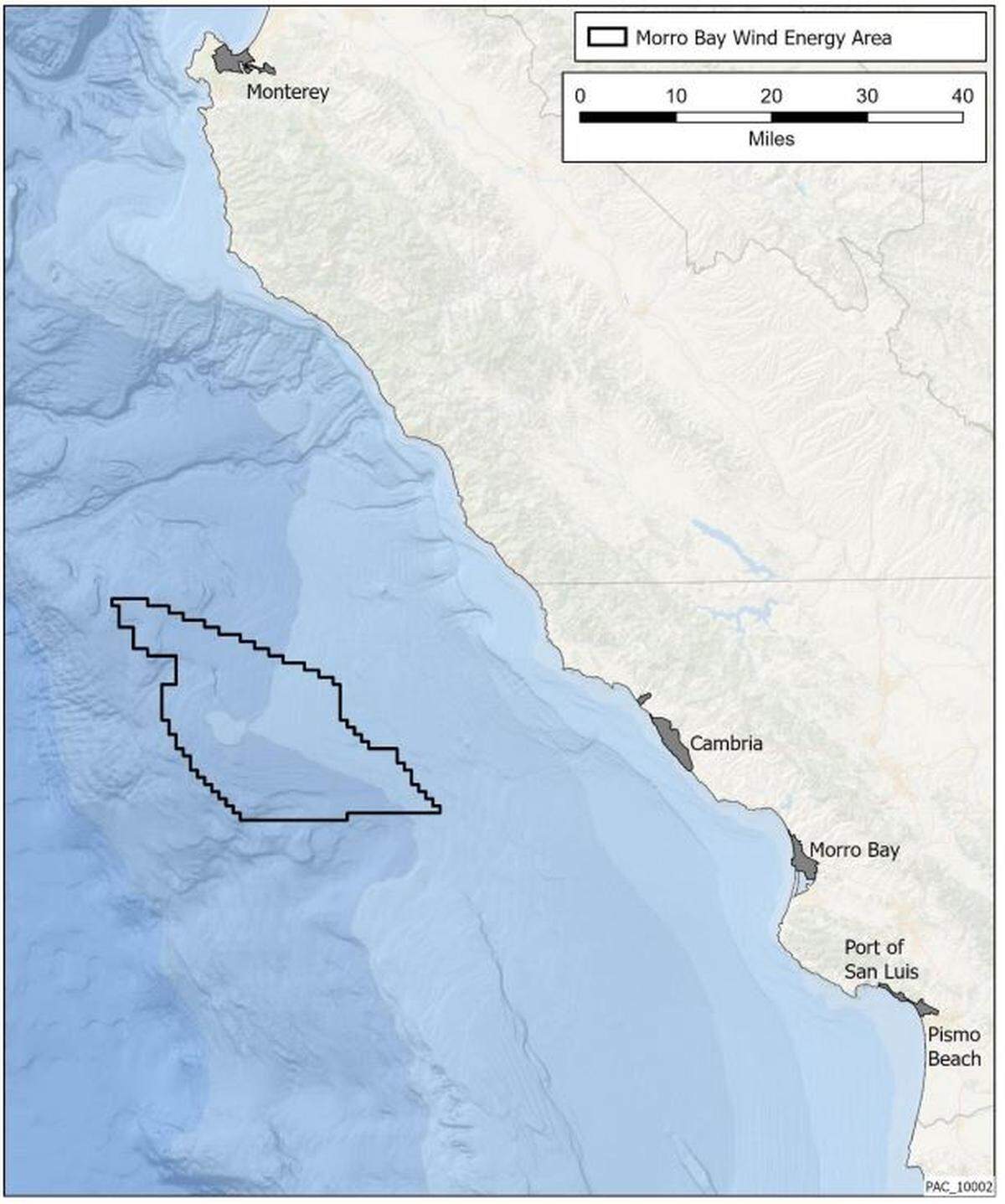
Korsgaden said she’s open to offshore wind energy, as has been considered off the coast of Morro Bay, but she’s “not in love with it.”
Wind turbines require a lot of space, and she’s worried they could harm marine life, she said.
Ortiz-Legg had a different approach to Diablo Canyon, saying the nuclear power plant will eventually close and it’s not up to the Board of Supervisors to decide whether or not it stays open.
Ortiz-Legg has previously told The Tribune she would be in support of talking about keeping the plant open. In December, she spoke at a “Save Clean Energy” rally aimed at keeping Diablo Canyon running.
In an interview in April, she told The Tribune she now wants to focus on finding new, clean power sources for the county and new jobs to replace those lost.
This includes the offshore wind project in Morro Bay. Working in the solar industry, Ortiz-Legg said she learned it’s possible to install energy sources while also protecting ecosystems in the area, so she’s confident that it can be done with offshore wind, too.
The project would also replace many of the jobs lost when Diablo Canyon closes, she said.
Ortiz-Legg also wants to see more private-public partnerships to try new technologies in energy generation and storage. She said the state and county should do more to support innovation in the energy sector.
“We as a county and we as a state could do a better job of helping do some of that innovation,” Ortiz-Legg said. “They might cost money and they might not be as fruitful as we had hoped, but we’ve got to try.”
How District 3 candidates feel about crime, early-release support?
All three candidates have also spoken out about crime in the community and reforms they would hope to make if they were elected.
Korsgaden said she will work to repeal Proposition 47, which classified shoplifting as a misdemeanor for those who stole less than $950 of items, and Proposition 57, which creates opportunities for early release from prison.
Korsgaden said she met with the police chiefs of Grover Beach and San Luis Obispo, who both said there isn’t enough support in the community for early-release criminals. They need help finding jobs, housing and re-entering society in a productive way, she said.
Ortiz-Legg said she supports reform of Propositions 47 and 57, noting the lack of support for early-release criminals.
“The people that are released may be ready, but if we don’t have the support out there in the community for them, they turn around” and commit more crime, she said at the April 21 debate.
At the same debate, Ruiz said he appreciates the work of local law enforcement.
“I like the sheriff a lot,” Ruiz said. “I think he should run for Congress.”
Where do candidates stand on election charter?
Another major issue that would potentially impact whoever wins the District 3 seat — the county is currently drafting an election charter, which would require vacancies in elected county offices to be filled by an election instead of appointment.
Ortiz-Legg doesn’t support the charter, calling it “an expensive hornet’s nest,” as special elections can cost $1 million for Board of Supervisor seats, she said.
“It’s another waste of time and money,” she said at the April 21 debate, noting the board could be focusing on issues like housing, homelessness, infrastructure and water security.
She also pointed out that she was appointed to office last November and already is up for re-election.
Korsgaden, however, said she’s open to the charter, because it allows voters to decide who’s in office.
“We belong in a representative government, and we should always default to the vote,” Korsgaden said.
Who do supervisor candidates think should handle redistricting?
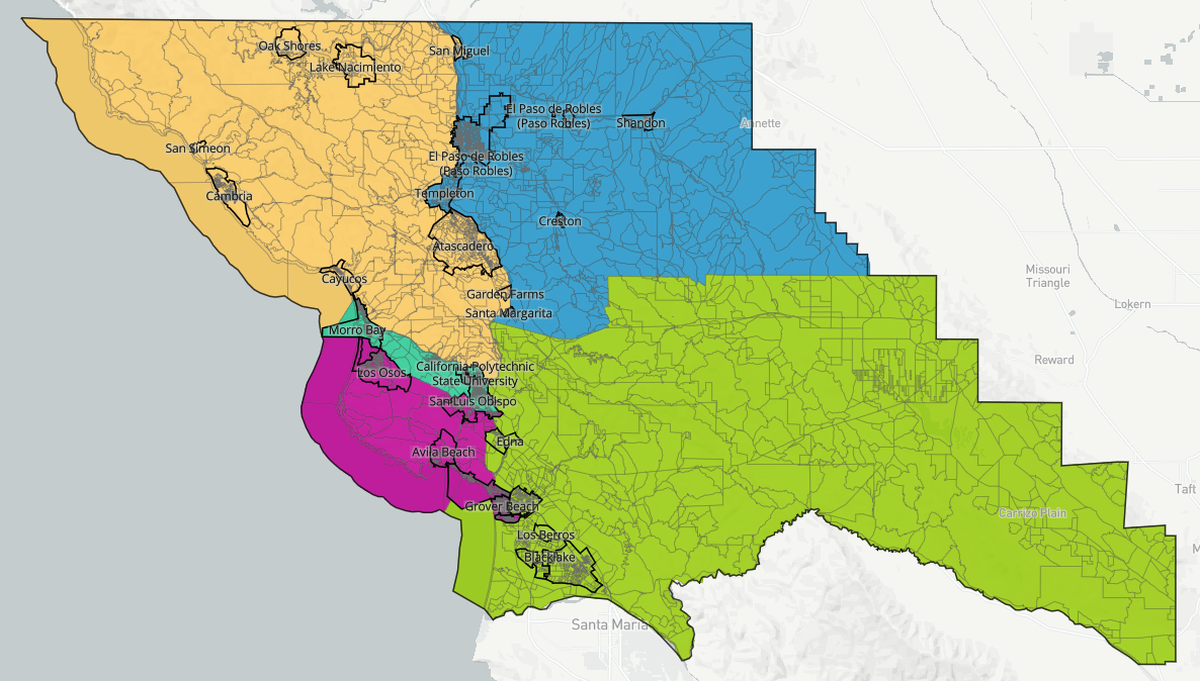
In December 2021, the board voted to adopt a controversial district map drawn by Arroyo Grande resident Richard Patten.
SLO County Citizens for Good Government filed a lawsuit against the county, saying the map violated the Fair Maps Act by gerrymandering the districts to favor Republicans and splitting communities of interest. They asked the court to prevent the county from using the map in upcoming elections, but a local court approved the map, and the California Supreme Court refused to hear an appeal.
Meanwhile, members of the public suggested the county form an appointed, nonpartisan redistricting commission that would examine district boundaries when the time came again for redistricting.
The board voted 3-2 on April 6 to exclude a commission from the county charter.
Ortiz-Legg voted in favor of the redistricting commission, and continues to support the commission, she said.
She added when it comes to the newly drawn district map, she’s concerned residents in unincorporated areas — which are represented by the Board of Supervisors and not city councils — have been unevenly packed into some districts.
The new District 3 — which she called the “dog bone” — is made of two cities and only 1,500 residents from unincorporated areas, whereas the new District 4 will have 48,000 unincorporated residents and District 5 will have 25,000, she said.
Ortiz-Legg also said she’s concerned that “communities that have been together for decades (are) being torn apart.”
Korsgaden, however, said she likes the redrawn map because it brings together similar communities in the South County.
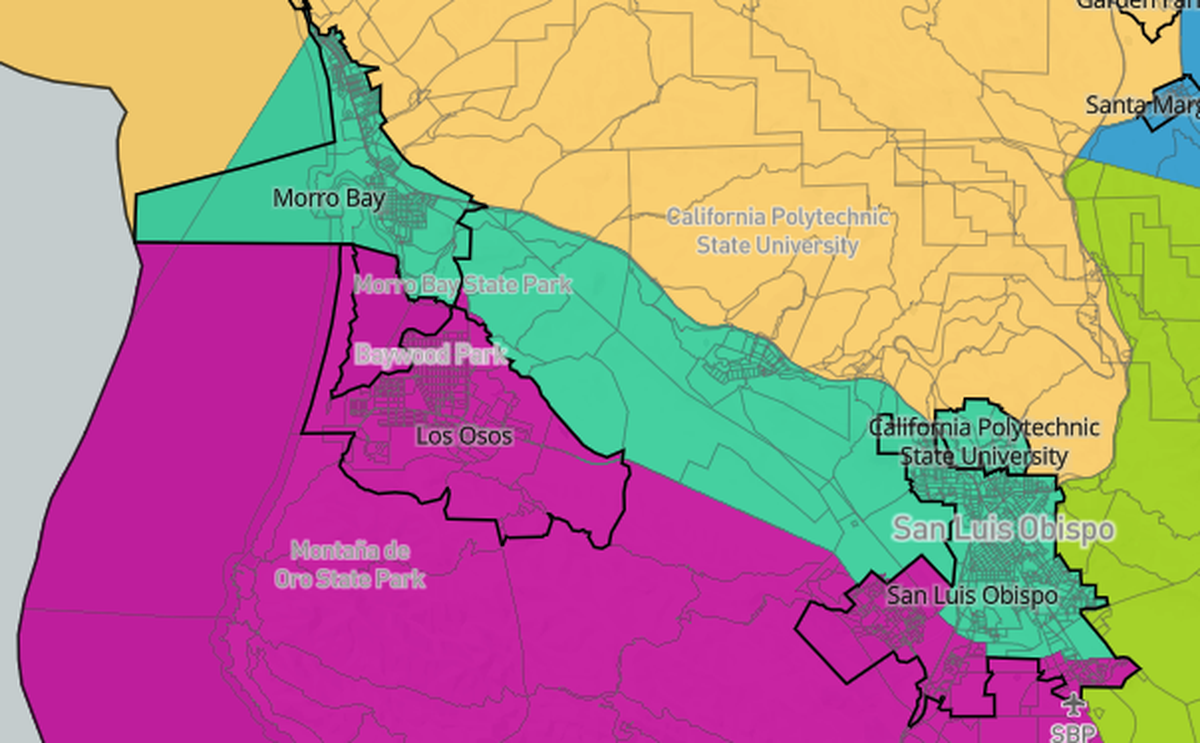
She said she appreciates that Grover Beach and Oceano are in the same district, calling them “twin cities.”
“You literally cannot tell where one begins and one ends,” she said.
She also likes that the new map groups Pismo Beach, Shell Beach, Avila and Los Osos — all of which share the “common thread of being beach towns,” she said.
Korsgaden said she doesn’t support a redistricting commission, as members of the commission are appointed and would not be accountable to voters.
If residents don’t like a particular map approved by the Board of Supervisors, they can vote their supervisor out of office, she said.
Where do candidates stand on community, board partisanship?
During her time on the board, Ortiz-Legg said she felt that some board members seem to have allegiance to a political ideology rather than the good of the county.
If elected, she said wants to reduce partisanship on the board.
“My loyalty is to the county,” Ortiz-Legg said. “I’m ready to roll up my sleeves and work with anybody that’s willing to work towards the common good.”
In her 15 months as a supervisor, she said she’s voted independently and fought for compromise.
“We don’t need a club, we need representation,” Ortiz-Legg said. “We need public servants. We need people who understand that we are just the conduits between the people and the staff and the experts that are running our county in 23 different departments.”
At her business, Korsgaden said she never asks her clients or employees about their political party. She wouldn’t focus on partisan politics on the board, either.
Solving issues like homelessness, crime, energy and affordable housing is “a nonpartisan job,” she said.
“People don’t care what party you’re in,” Korsgaden said. “They want solutions.”
This story was originally published May 2, 2022 at 3:00 PM.