CA offered a SLO County port $3 million to study offshore wind. Is that legal?
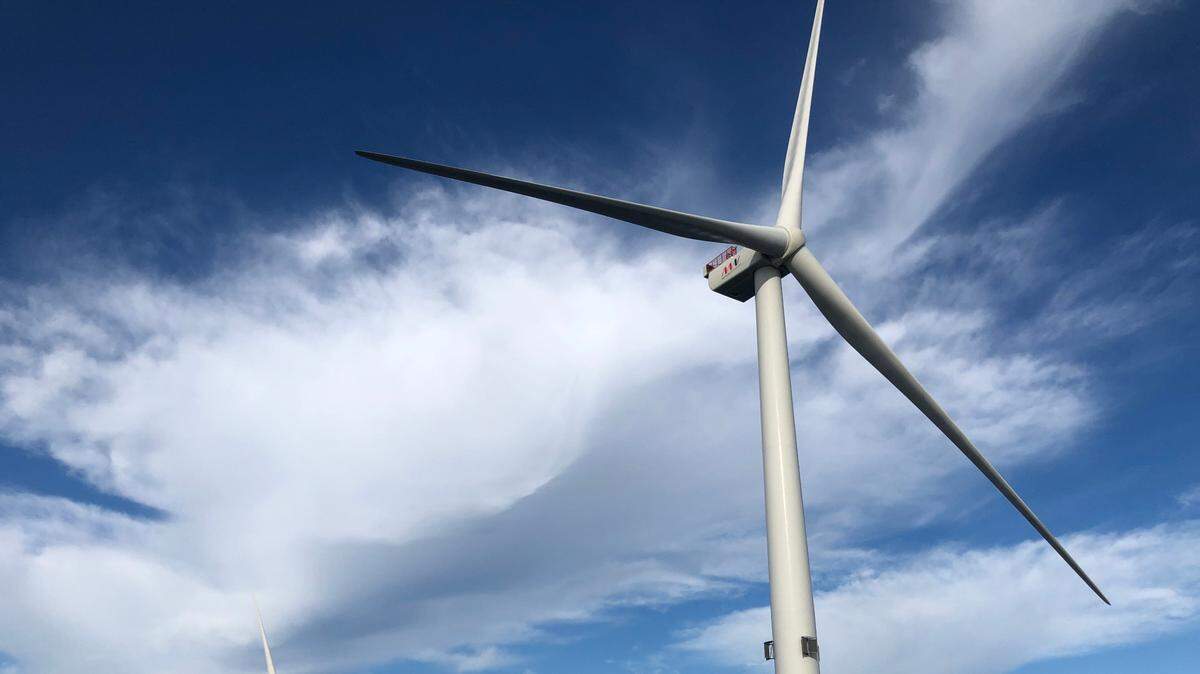
A state agency offered the Port San Luis Harbor District $3 million to study offshore wind — but a local non-profit said awarding the grant violated state law.
The California Energy Commission offered the grant to the port to “mature” the design of an offshore wind operations and maintenance terminal proposed to be built in San Luis Bay, the staff report said.
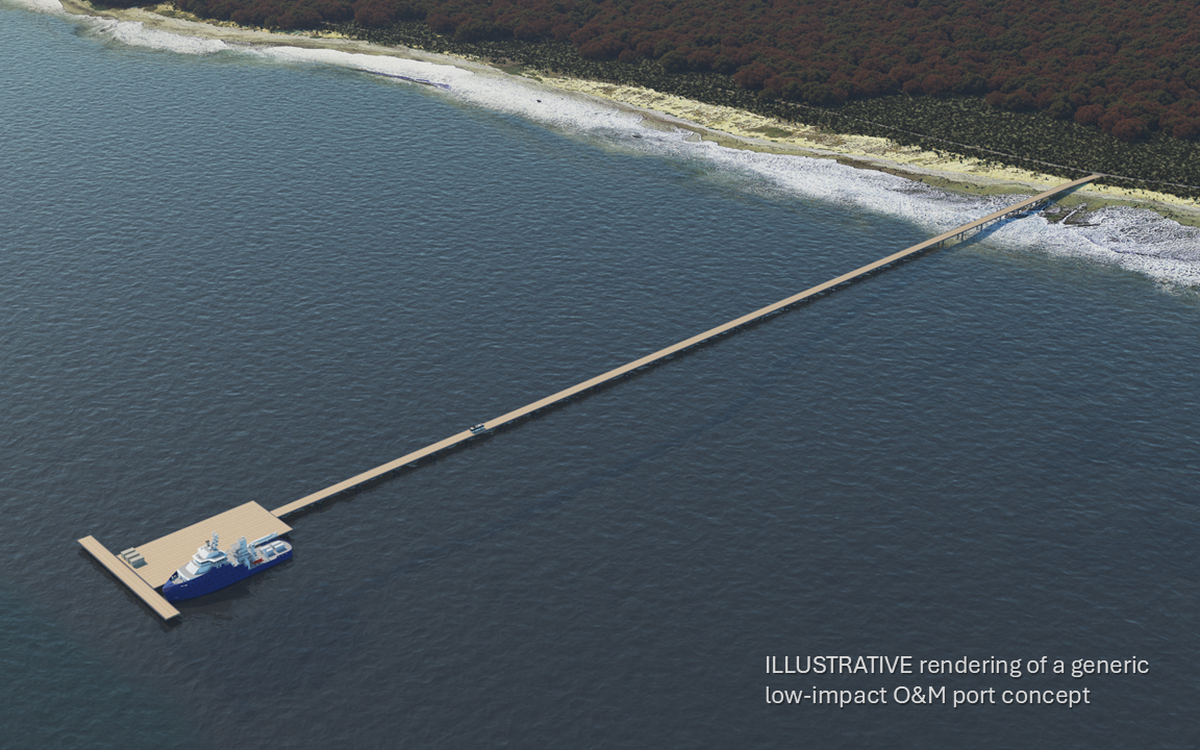
The terminal would serve as a dock for maintenance vessels traveling to the offshore wind farm proposed to be built near Cambria.
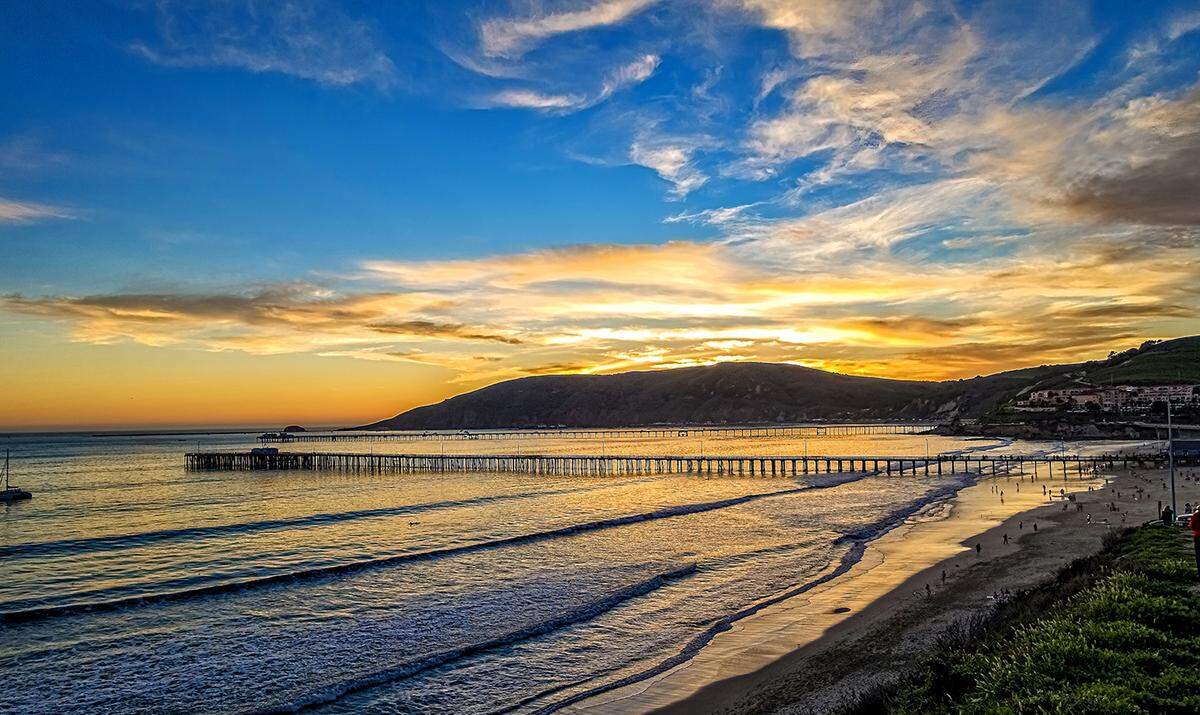
Ventura-based company Clean Energy Terminals expressed interest in building the port, which could require a dock about the length of the Cal Poly Pier, but no one has proposed an official design, and the port has not approved any design or permits for the project.
In fact, the port hasn’t even accepted the grant funding yet, according to harbor director Will Friedman. The Harbor Commission will likely discuss the grant at its Nov. 18 meeting, he said.
In its Oct. 23 newsletter, an anti-offshore wind non-profit known as REACT Alliance said the commission violated the California Environmental Quality Act by issuing the grant. The group called for the commission to conduct an environmental review of the grant agreement before awarding the funding.
The California Energy Commission, however, maintained that the grant agreement was exempt from the environmental review process under the California Environmental Quality Act, known as CEQA. A Cal Poly environmental law professor and an energy attorney agreed.
The Tribune investigated REACT Alliance’s claim as part of its Reality Check series.
What is the grant?
On Oct. 8, the California Energy Commission offered the Port San Luis Harbor District a $3 million grant to conduct a feasibility study to determine if Avila Beach could host an offshore wind operations and maintenance terminal.
One goal of the grant agreement is to prepare a 30% engineering design for “upgrading port infrastructure,” which would allow the port to apply for permits and start environmental review in the future, the commission staff report said. Other goals include community engagement and developing a plan to train locals to work in offshore wind.
Accepting the $3 million would not require the Harbor District to approve a lease or design for such a port in San Luis Obispo Bay. The Harbor Commission would vote separately on whether to authorize development.
If the port accepts the grant, about $2 million would be allocated to Clean Energy Terminals to hire consultants to conduct technical studies and engage in community outreach while drawing up a port design. Meanwhile, about $1.2 million would be allocated to Mott MacDonald Group, Inc., a global engineering consulting firm.
Mott MacDonald Group is no stranger to the area.
In 2024, San Luis Obispo County hired Mott MacDonald to complete a separate, $1 million feasibility study to investigate if an operations and maintenance port should be located at Port San Luis or Morro Bay. The study has not yet been completed.
The California Energy Commission said the $3 million grant agreement is exempt from environmental review usually required by CEQA, the staff report said.
According to California Code, “activities which do not result in a serious or major disturbance to an environmental resource” are free from environmental review, the staff report said. Additionally, a separate California Code exempts feasibility studies from environmental review.
“This agreement involves only feasibility or planning studies for possible future actions that appropriate agencies, boards or commissions have not yet approved,” and conducting these studies will not disturb the environment, so the grant agreement does not need to undergo an environmental review process, the staff report said.
Does the grant violate state law?
REACT Alliance disagreed with the commission.
REACT Alliance board member Tricia Boaz said the grant agreement should be required to undergo the environmental review process. Boaz graduated from Cal Poly, then worked in San Diego for decades as a consultant on land use and conservation projects. She retired to Avila Beach.
Boaz said the project should not be considered a feasibility study, because it includes 30% design plans that will be used to apply for permits. Normally, feasibility studies are hypothetical — and would explore more generally what the size and location of such a project could be, she said.
“Whether something is feasible or not is different from going forward and actually putting together engineering plans,” she told The Tribune.
If a design and construction permits are eventually approved, the terminal would have significant environmental impacts, she said.
“You cannot piecemeal this project,” she said. “You cannot use categorical exemptions for a project this big that will have such a great impact on our ocean, our community, our wildlife.”
Additionally, she said REACT Alliance is concerned that the Harbor Commission will feel pressured to eventually approve construction of the operations and maintenance port if it accepts the grant funding.
“It’s hard to turn back,” she said.
Cal Poly environmental law professor Dr. Anastasia Telesetsky, however, agreed with the California Energy Commission — and said the grant agreement should be exempt from environmental review under CEQA.
Right now, the project is still hypothetical. Preparing a 30% engineering design does not yet have any impact on the environment, she said.
However, if the port voted to adopt the design, or used the design to apply for a permit, that would trigger the environmental review process, she said.
“The idea behind having these statutory exemptions is to ensure that environmental review, which is labor intensive and resource intensive, is pursued for projects that are materializing and that may have impacts, rather than hypothetical projects whose feasibility as an actual project is still unknown,” she wrote in an email to The Tribune.
Energy attorney Brian Biering agreed.
Raised in Los Osos, Biering previously worked for the Energy Commission and now practices law in Sacramento with the firm Biering & Brown, LLP.
When the California Energy Commission issued the grant, it did not authorize any disturbance of the land — so CEQA doesn’t require an environmental review, he said.
If the port votes to select a project design or applies for a permit, however, there would be a potential for disturbance of the land — so CEQA would require an environmental review of the project, he said.
The Port San Luis Harbor Commission will likely discuss whether to accept the grant funding at its Nov. 18 meeting, harbor director Will Friedman said. The meeting agenda will be released on Friday.