CA Legislature in special session to prepare for Trump presidency. How will it affect SLO County?
READ MORE
How will a second Trump term impact SLO County?
Expand All
Editor’s note: This is the first in a series of stories in the lead-up to President Donald Trump’s inauguration aimed at exploring how a second Trump administration could impact SLO County, with coverage spanning key policy areas such as immigration, tariffs, education and more.
Last month, California Gov. Gavin Newsom called a special session of the state legislature to “safeguard California values” and “fundamental rights” against a second incoming Trump administration.
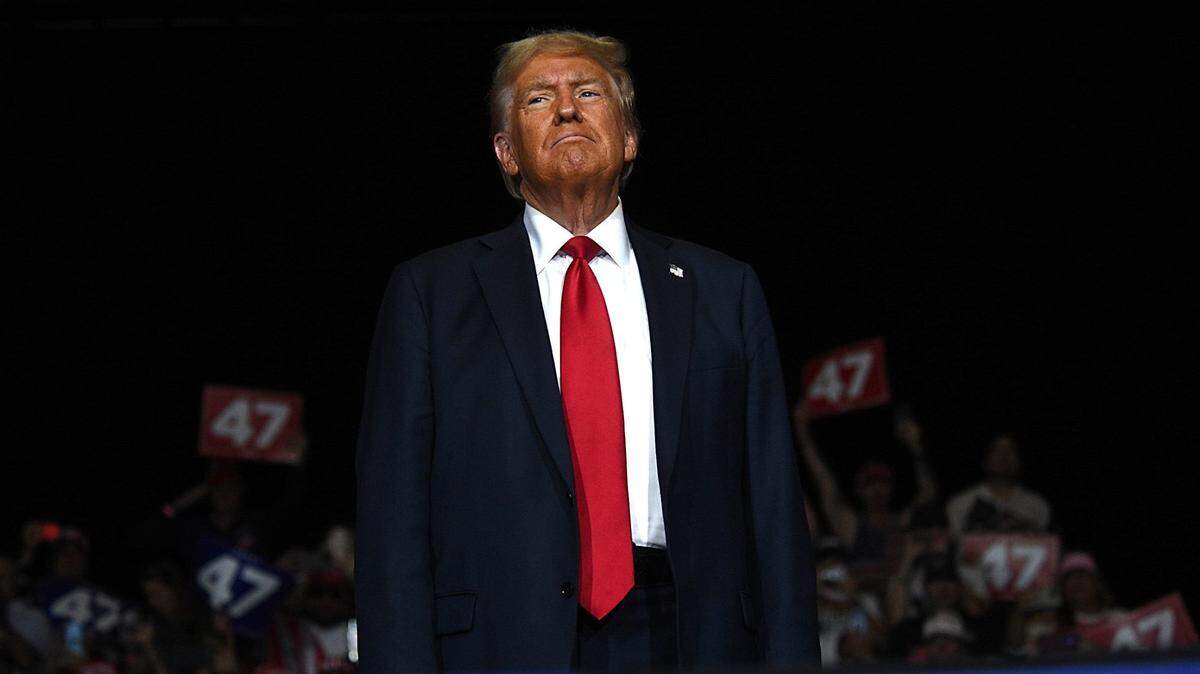
“The freedoms we hold dear in California are under attack — and we won’t sit idle,” Newsom said in a statement announcing the special session on Nov. 7, the day after former President Donald Trump was declared the president elect. “California has faced this challenge before, and we know how to respond.”
Newsom started the session on Dec. 2 and asked the legislature — full of newly elected representatives — to set aside $25 million for the California Department of Justice for anticipated litigation of Trump’s new administration.
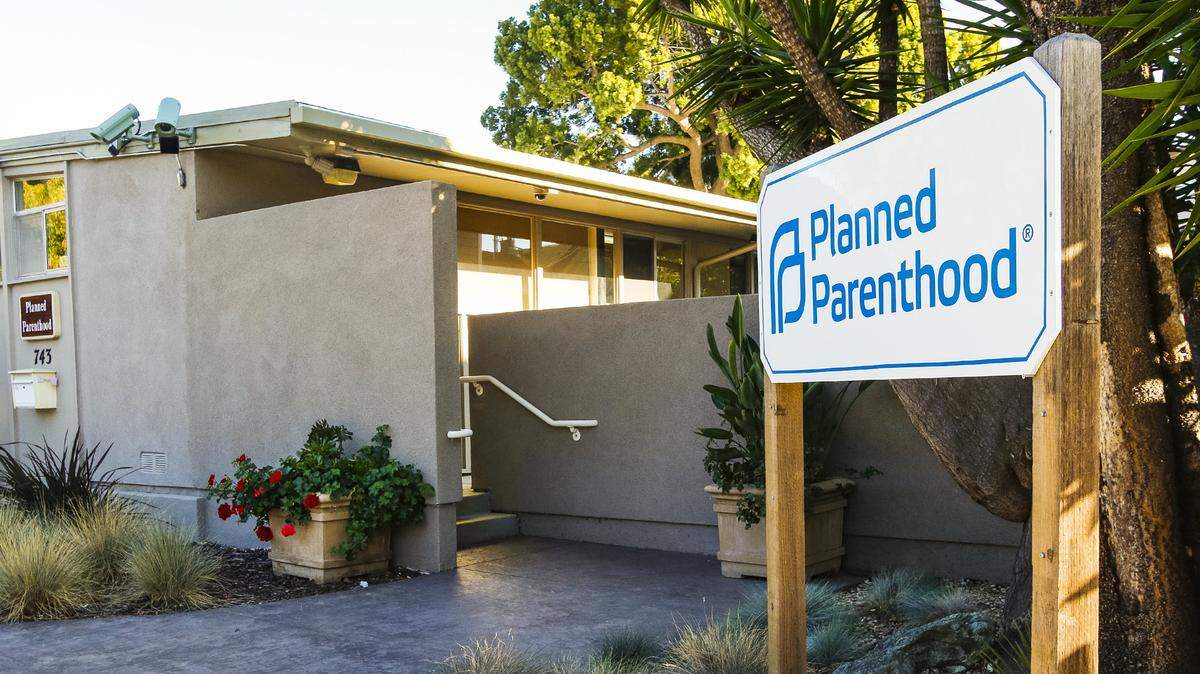
From rolling back access to reproductive and gender affirming care to mass deportations of immigrants, and even threatening to dissolve the U.S. Department of Education, Trump has promised massive overhauls of national policy that directly challenge California’s laws.
And the state is preparing a fight.
A number of these issues also will hit close to home for San Luis Obispo County residents, local representatives and community leaders said.
“So much is on the line, whether it’s emergency response, whether it’s reproductive care access, or it’s around immigration protections and protections for mixed status families,” Assemblymember Dawn Addis (D-30), who represents SLO County, told The Tribune. “We need to be ready on day one to protect the Central Coast and to protect California in those situations.”
Going into the winter months, Addis said she particularly concerned about Trump’s threats to withhold emergency response funds. After the January 2023 storms, FEMA provided $11 million to help repair SLO County, she said.
“That is a huge, huge hit to a place like SLO County, if that money is not coming in,” Addis said.
It is also an issue that is “intimately wrapped up” in attacking California taxpayers,” she said.
“California is one of the states that pays the most in federal income taxes,” Addis said. “When there’s a threat not to provide FEMA dollars, that’s a huge problem for the California taxpayers, because we’ve paid in to these federal tax coffers, and then all this money is not coming back to our state that we really need.”
The threat of mass deportations of undocumented immigrants is another issue that could directly impact SLO County’s immigrant communities and local economy.
Trump has suggested deporting entire mixed status families made up of both undocumented and legal residents, which Addis said is illegal.
Erica Ruvalcaba is the director Corazón Latino, a local non-profit which provides mental health support and other resources to Latinx communities in San Luis Obispo and Santa Barbara counties.
She said fear and uncertainty of what is to come is reverberating through immigrant communities across both counties, and the need for preparation is potent.
“We are forced to go back to what we experienced eight years ago,” Ruvalcaba said. “We have to make sure we are prepared.”
It is also an issue that directly impacts the economy.
“We’re definitely concerned about some of the things that have been said, particularly because agriculture is important to SLO County and the Central Coast, and agriculture relies on an immigrant workforce,” Sen. Monique Limón (D-21), who represents a portion of southern SLO County, told the Tribune. “If people think the cost of food is expensive, imagine not having enough people to work in that sector.”
California sued the first Trump administration over 120 times — and won most of the closed cases. Even more lawsuits are expected this time around.
State Attorney General Rob Bonta said he has already begun preparing plans to defend California policies.
“California will seek to work with the incoming president — but let there be no mistake, we intend to stand with states across our nation to defend our Constitution and uphold the rule of law,” Newsom said in a written statement following the election. “Federalism is the cornerstone of our democracy. It’s the United STATES of America.”
The goal of the special session is to create a robust legal defense fund. The legislature is currently in deliberations and is expected to take action in the new year prior to the presidential inauguration on Jan. 20.
Early on in the special session, the senate introduced a bill that would allocate $10 million to California city attorneys and county counsels in addition to the $25 million to the Attorney General to fight Trump administration policies in court.
SLO County Counsel Rita Neal told The Tribune on Dec. 18 she had not heard anything about potential funding or the senate bill.
Whatever action is taken, Addis said it is only a starting point, and that more money could be dedicated to litigation as needed in future legislative sessions.
“This isn’t meant to be the end,” Addis said. “It’s meant to be just the beginning of what might be needed.”
This story was originally published December 26, 2024 at 5:00 AM.