Trump’s tariff plan could raise prices on goods — including that bottle of SLO County wine
READ MORE
How will a second Trump term impact SLO County?
Expand All
Editor’s note: This is the eighth in a series of stories in the lead-up to and following President Donald Trump’s inauguration aimed at exploring how a second Trump administration could impact SLO County, with coverage spanning key policy areas such as immigration, tariffs, education and more.
Local wine lovers may be in for some sticker shock now that Donald Trump is back in office.
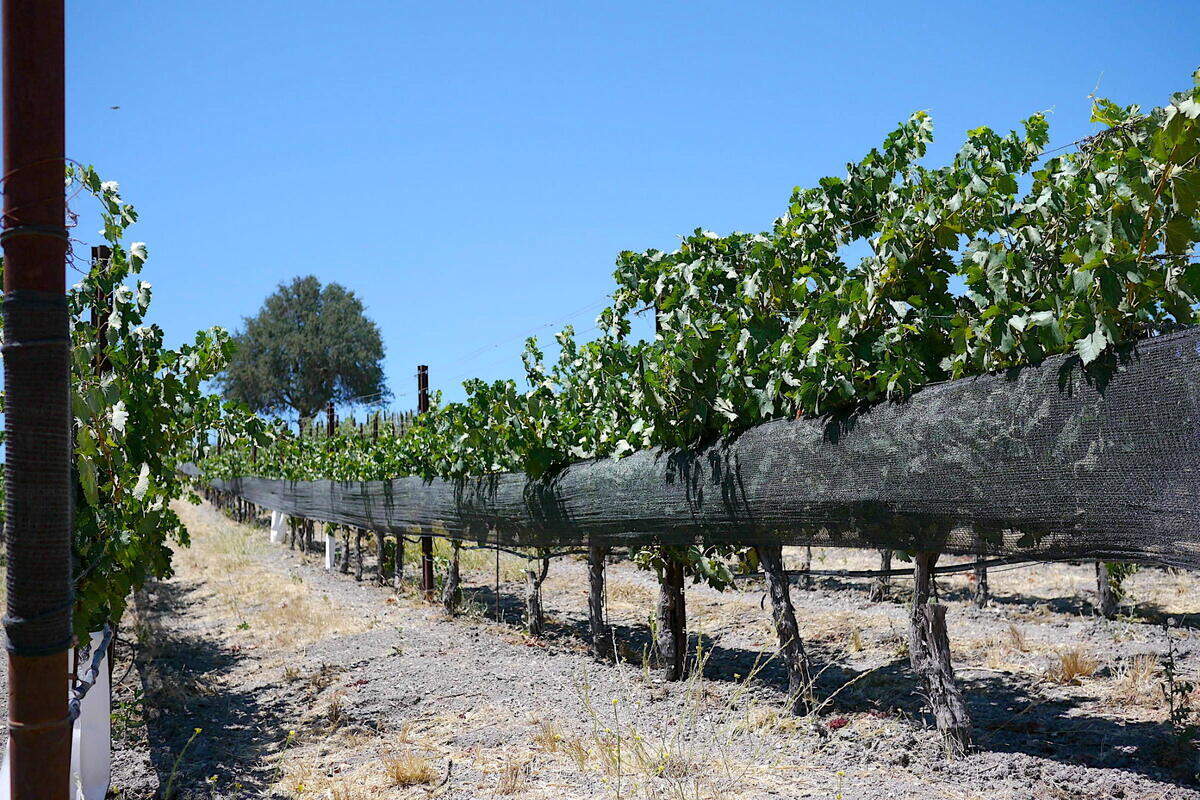
If President Trump sticks to his plan to enact widespread tariffs, “wineries are probably going to have a lot more pain points,” said Joel Peterson, the executive director of the Paso Robles Wine Country Alliance. The trade association represents about 200 local wineries.
Peterson told The Tribune that broad tariffs would likely force small businesses in Paso Robles to raise bottle prices on their wine.
Taxes on imported goods would directly affect local wineries who rely on materials from foreign countries, like Mexico, to produce a bottle of wine, he said.
Besides fermented grape juice, wineries need barrels, corks, bottles, pumps, tanks and presses to produce a bottle of wine. For the most part, none of these products are made in the United States, Peterson said — meaning they would all be subject to tariff impacts.
“I’m not going to say that they’re good or bad,” Peterson said. “It’s going to certainly increase the cost of doing business on our industry.”
Could Trump’s proposed tariffs lead to higher prices in SLO County?
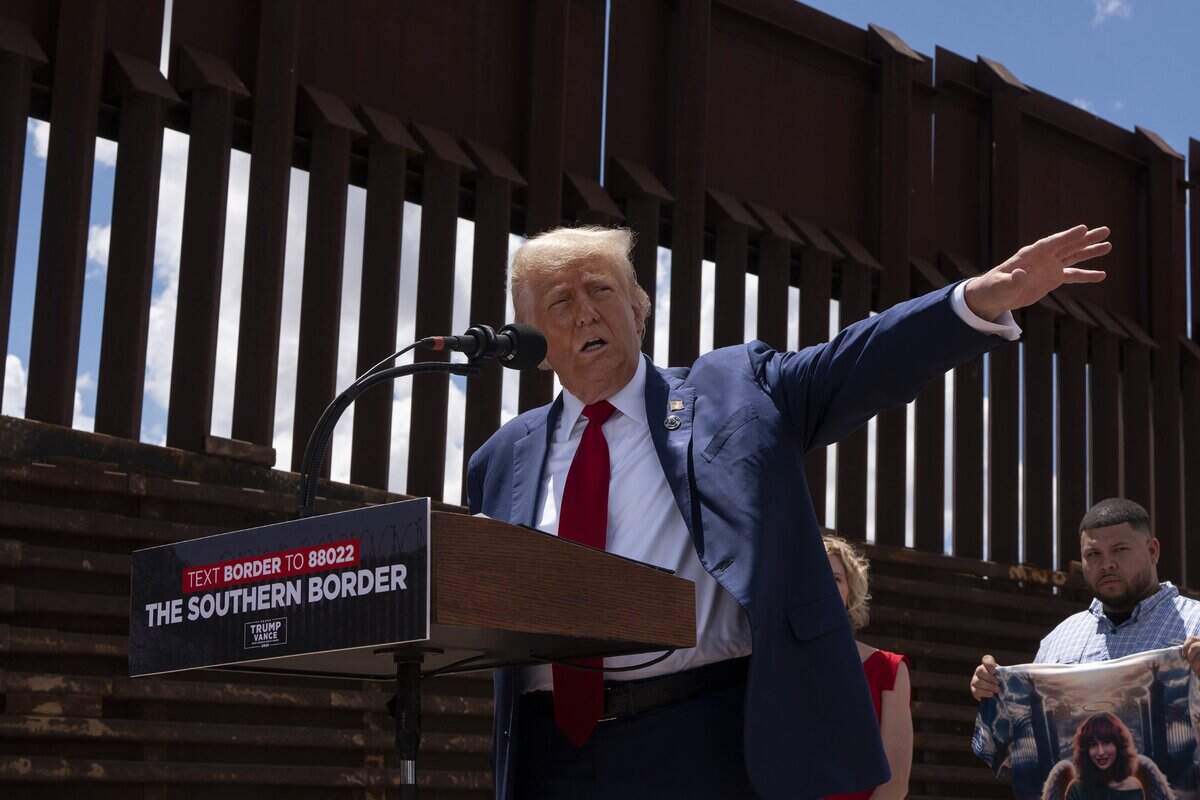
During an Oval Office signing ceremony on his first day in office, Trump said he intends to enact 25% tariffs on goods coming from Mexico and Canada on Feb. 1. The new president also pledged to impose 10% tariffs on Chinese imports.
“We’re thinking in terms of 25% on Mexico and Canada, because they’re allowing vast numbers of people — Canada’s a very bad abuser also — vast numbers of people to come in, and fentanyl to come in,” Trump said Monday as he signed several executive orders.
Trump previously said on social media that tariffs would stay in place until the flow of illicit drugs stopped and illegal immigration decreased at the border.
During his campaign, the president also called for universal tariffs up to 10% or 20% that could affect practically every country in the world.
On Monday, Trump said these blanket tariffs remain a possibility, but he was not ready to act on any specific proposals just yet.
Trump’s massive tax hikes on imported goods from Mexico, Canada and China could rapidly increase costs for San Luis Obispo County consumers and businesses.
Tariffs are paid by importers — U.S. companies — with the money going to the Treasury, Matthew Cole, an international trade economist and associate professor at Cal Poly, told The Tribune.
Consumers are typically hit with the majority of the tax, resulting in higher price tags for products ranging from cars to gas to grocery store staples, Cole said.
“I think the broader thing is that any good that has a tariff put on, you can expect the price to go up,” he said.
Cole said tariffs are typically imposed to protect domestic industries. However, economic studies have shown there are less expensive and more efficient methods, such as training or direct monetary assistance, if the goal is to save jobs in the United States, he said.
Jim Dantona, the president and CEO of the San Luis Obispo Chamber of Commerce, said that Trump’s blustery rhetoric regarding widespread tariffs has already created some instability for local business owners.
“That has dangerous ripple effects for an economy and a stock market and everything else that makes people feel comfortable,” he said.
California Congressman Jimmy Panetta, who represents northern San Luis Obispo County, told The Tribune that Trump’s proposed tariffs could disrupt industries throughout the United States.
“It could reduce the growth of the economy, I think close to 4%, which would be definitely a downturn from where we have been going,” Panetta said.
If Trump does follow through on enacting tariffs, Cole hypothesized that the price of foreign products could rise by 20%.
Cole also warned that people in the agriculture industry could expect retaliatory tariffs if Trump goes through with his tariff plan, which could lead to decreased sales from exports to those countries.
“The best outcome — he doesn’t follow through on these things,” Cole said. If tariffs are implemented, he said, “best case scenario, the price of food goes up 10%.”
Paso Robles winemakers at risk if broad tariffs imposed, industry leader says
Prior to looming tariffs, the Paso Robles wine industry was already plagued by unprecedented decreased consumption.
From August 2023 to 2024, wine sales dipped by 8%, according to data from WSWA SipSource.
“Wine is hurting,” SipSource analyst Dale Stratton said in a news release.
Stratton said changing consumption patterns, inflationary pressures and reduced shelf space had all contributed to shrinking wine sales across the United States.
Wine is an extremely regional product that is unique to the climate, variety and vineyard where the grape is grown, Peterson explained.
He said tariffs could yield some positive results for domestic makers in the bulk wine market, but overall the world of wine was a unique industry that was not typically in direct competition with winemakers across the globe.
“There’s just a lot of nuance in the in the wine industry, where I think tariffs across the board could present some challenges,” Peterson said.
For now, winemakers are holding their breath to see if tariffs will really come to pass under the incoming Trump administration.
“There’s a little bit of fear, but there’s also a little bit of wait and see,” he said. “Is it really going to happen or not?”
This story was originally published January 24, 2025 at 5:00 AM.