How aerial firefighting went from crop dusters to massive jets
When I began my career in photojournalism, a good number of firefighting air tankers were World War II era warplanes, converted to carry and drop fire retardant.
A few months back we published a column on the early days of helicopter firefighting.
Air attack on wildfires made sense, especially in a big rural county with rugged back country.
As mentioned in previous columns, Caliente Mountain at 5,106 feet puts San Luis Obispo County higher than the highest point in 28 of the United States.
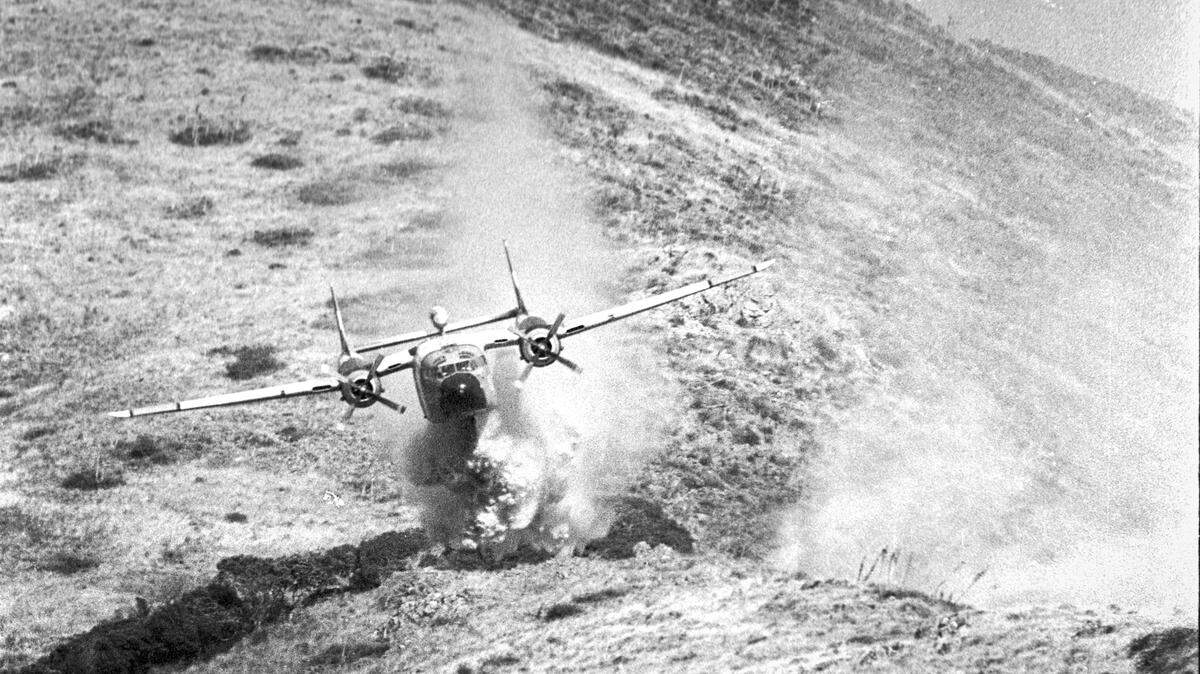
That is a lot of wilderness area, and it takes a long time to get hand crews on scene.
In the best case, an air drop can put a fire out, but more often it helps steer the fire and buys time and a safe space for the boots on the ground to be effective.
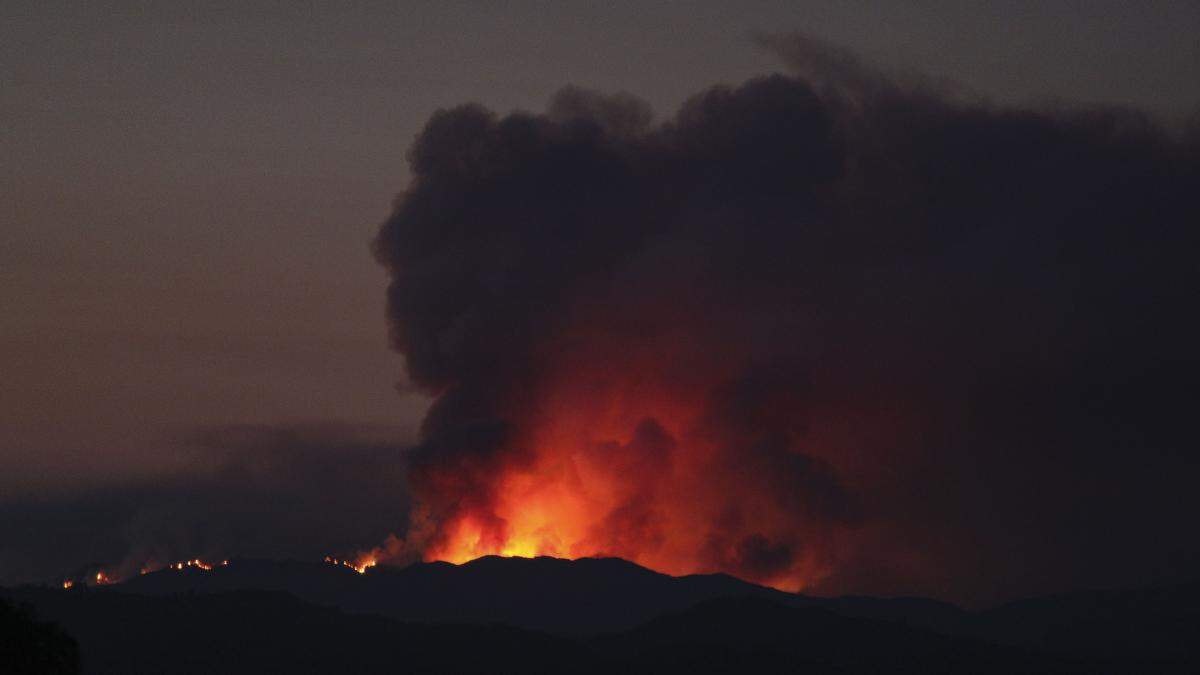
As we saw last year with the Madre and Gifford fires, when the wildland has not burned for decades, it is hard to stop the forward progress.
As Jordan Thomas writes in his book “When It All Burns,” the European concept of all fire is bad came to the New World with colonists.
A culture based on town building, wheat farming, cattle ranching and property lines is more focused on keeping what we have today, rather than thinking generationally.
Native American practices used regular burning to keep decadent fuel levels from building up. Low-intensity fire was not catastrophically harmful to the pines and oaks that were food sources. Often the replacement grasses that were a transition plant fed deer and other wild game.
High-intensity fire, however, is not good, especially when California is losing trees as a warmer and drier climate combines with fire in areas that for years had operated under a full fire suppression strategy. This has allowed fuels to build up to a point where full suppression (extinguish everything, all the time) is difficult or requires large scale intervention.
Recently there have been efforts to conduct cultural burns in addition to the controlled burns that ranchers have undertaken over the years to manage rangeland.
Community groups like Firewise are organizing to protect neighborhood homes by pruning the ground-hugging branches, chipping dead growth and keeping tall grass mowed or grazed.
Which is a long way to say, a multi-option approach is needed. Firefighters can’t do it all alone.
So when did tanker planes start flying in the county?
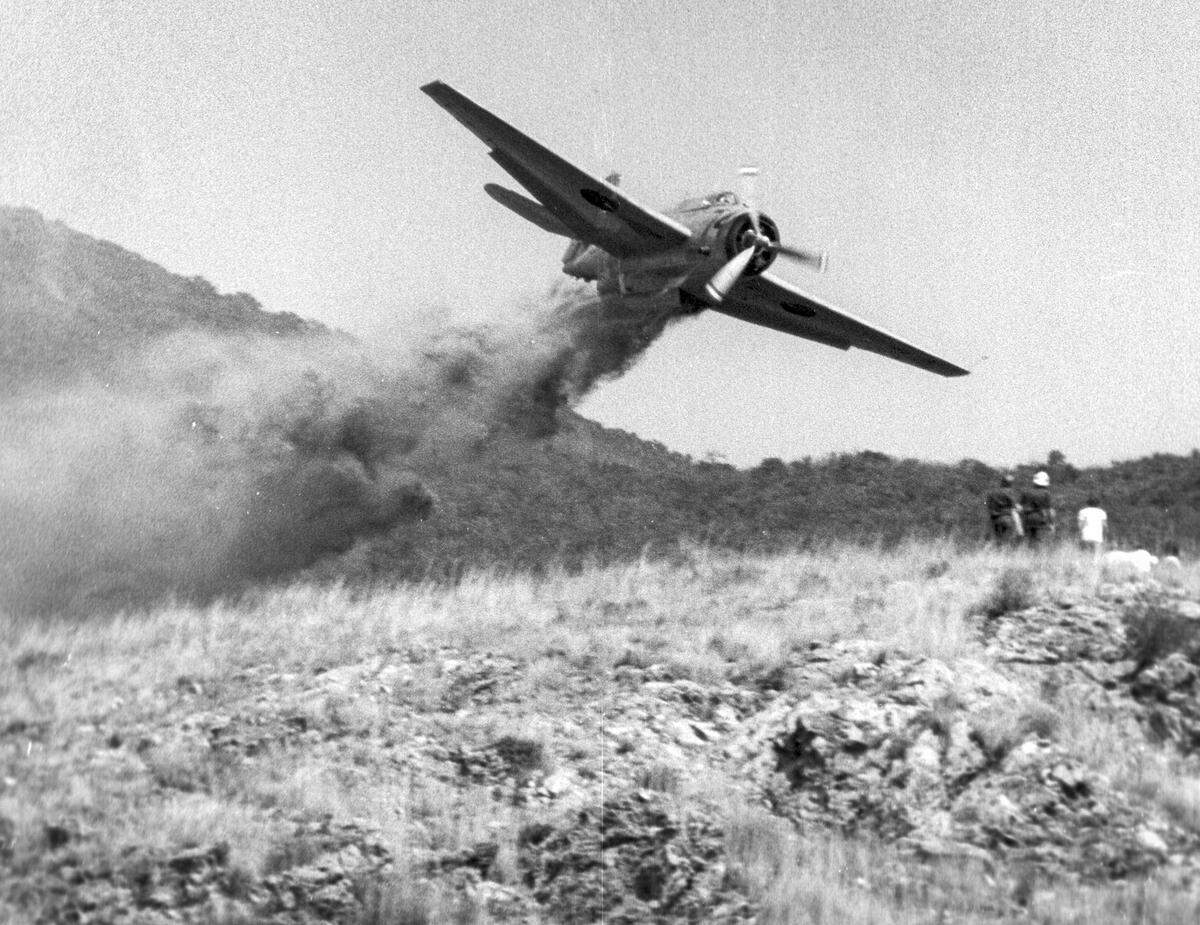
The oldest story I have found was from Aug. 29, 1959. The U.S. Forest Service operated five contract tanker planes from the Paso Robles airport to fight a fire in the Cuyama area. They had a B-25 and four TBMs — World War II era planes — dropping the fire retardant bentonite on the fire.
Only three years earlier, a United Press story described the new technique after a series of 39 flights with crop-dusting planes had carried 90-gallon tanks of water over San Diego County, dropping a water-borax mixture on inaccessible Forest Service land.
By 1962 a story said that California expected to use about 50 air tankers during that season.
Compare the 90-gallon crop dusters to today’s jets, like the MD-10 Very Large Air Tanker (VLAT) that carries up to 9,400 gallons.
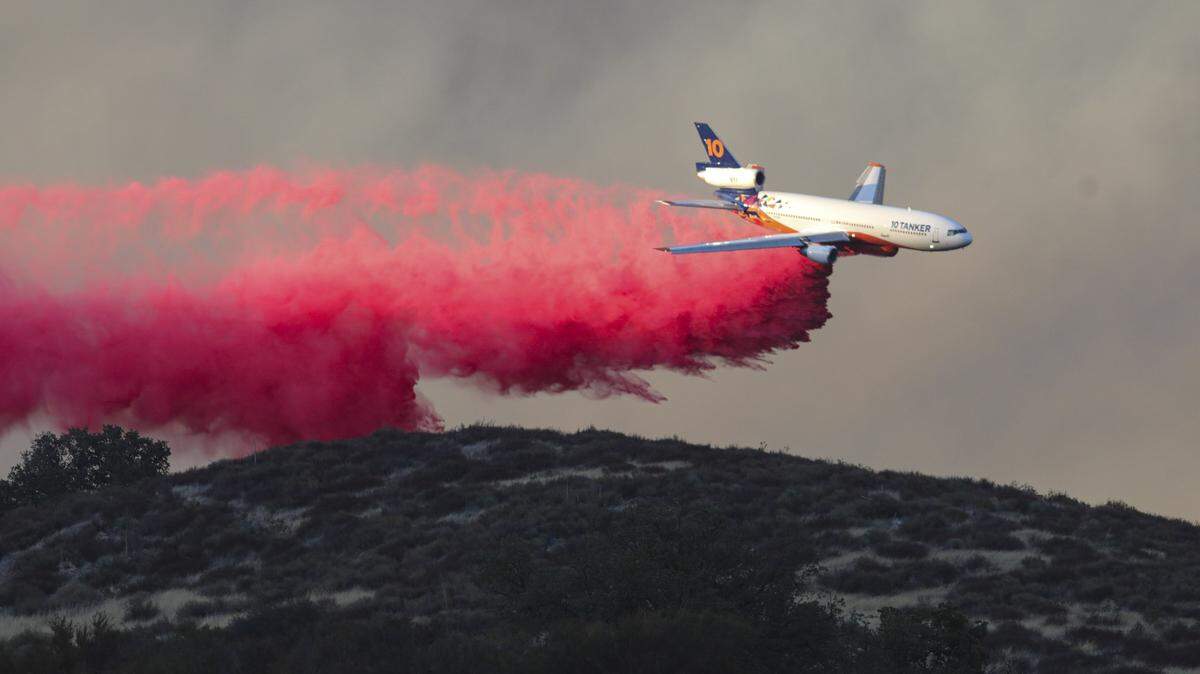
And there is a company that is working on an even larger 767 configuration.
So the tools have improved, but even still, gritty work on the ground is what finishes the job.
And the air attack can be the first on the scene not only helping to fight the fire and also passing on information to ground crews in the critical early stages.
This story was originally published May 23, 2026 at 5:00 AM.