ytt Tribe leads cultural burns as part of SLO restoration project. ‘So healing’
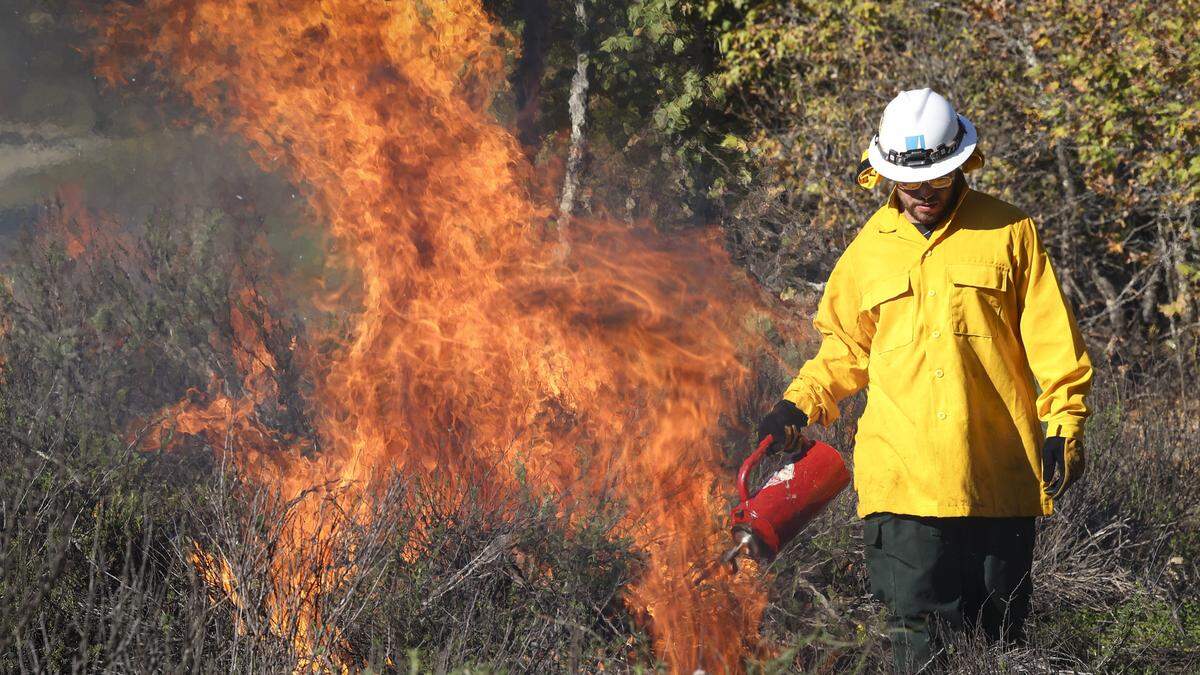
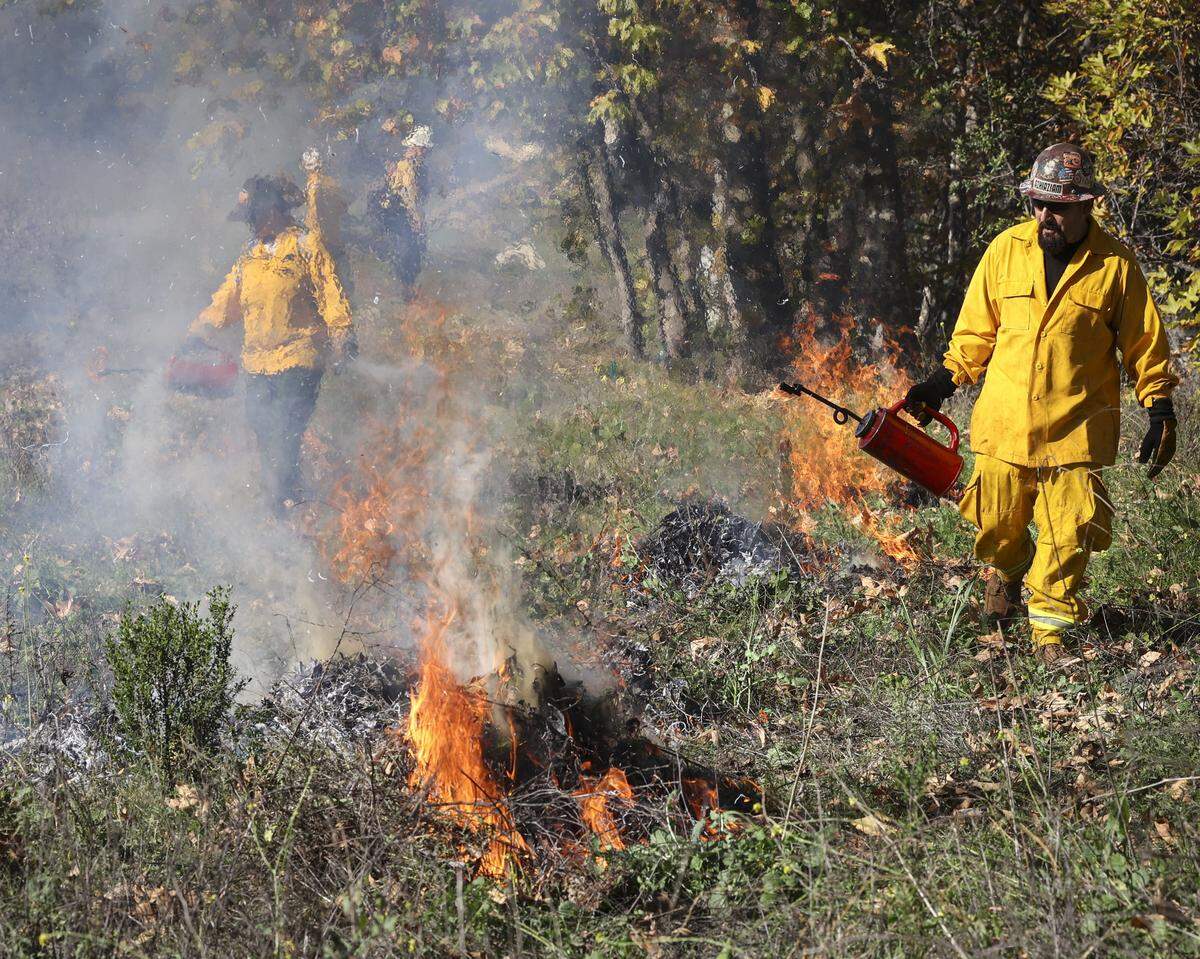
On a warm December day, fallen sycamore leaves crunched under Kelsey Shaffer’s boots as she carried a flame to the Dry Creek riverbed.
Carefully, she set a pile of dried twigs and leaves ablaze, and watched as the flame licked across the grass — burning withered plants to make room for new life.
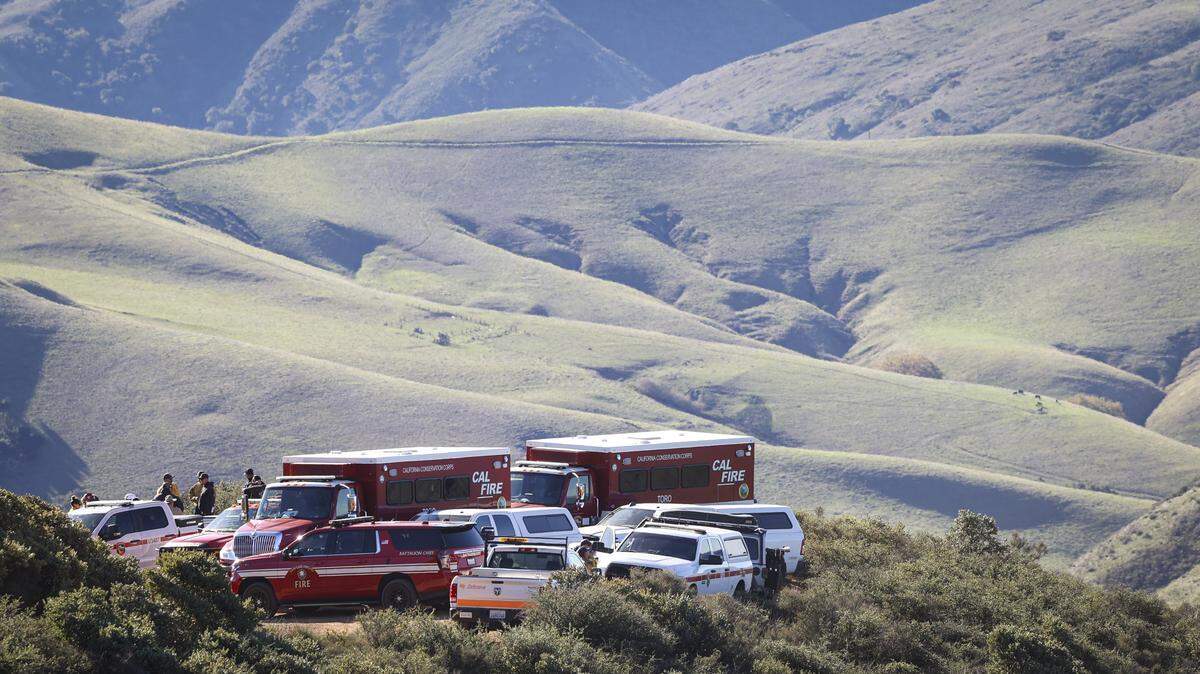
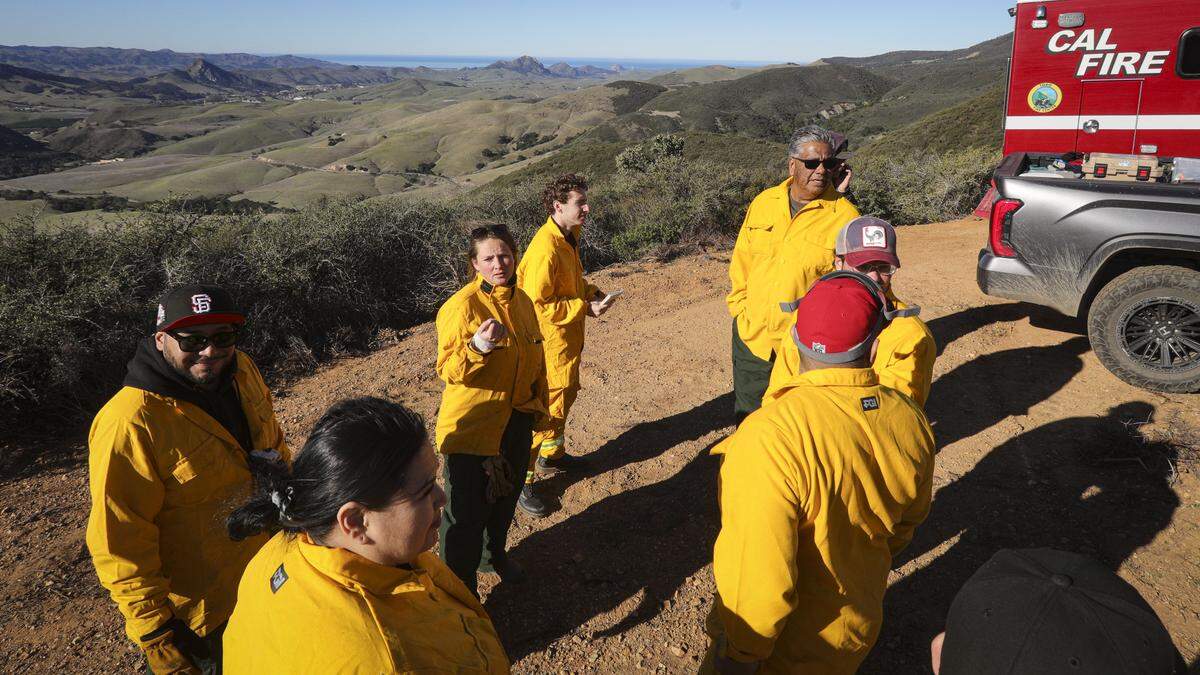
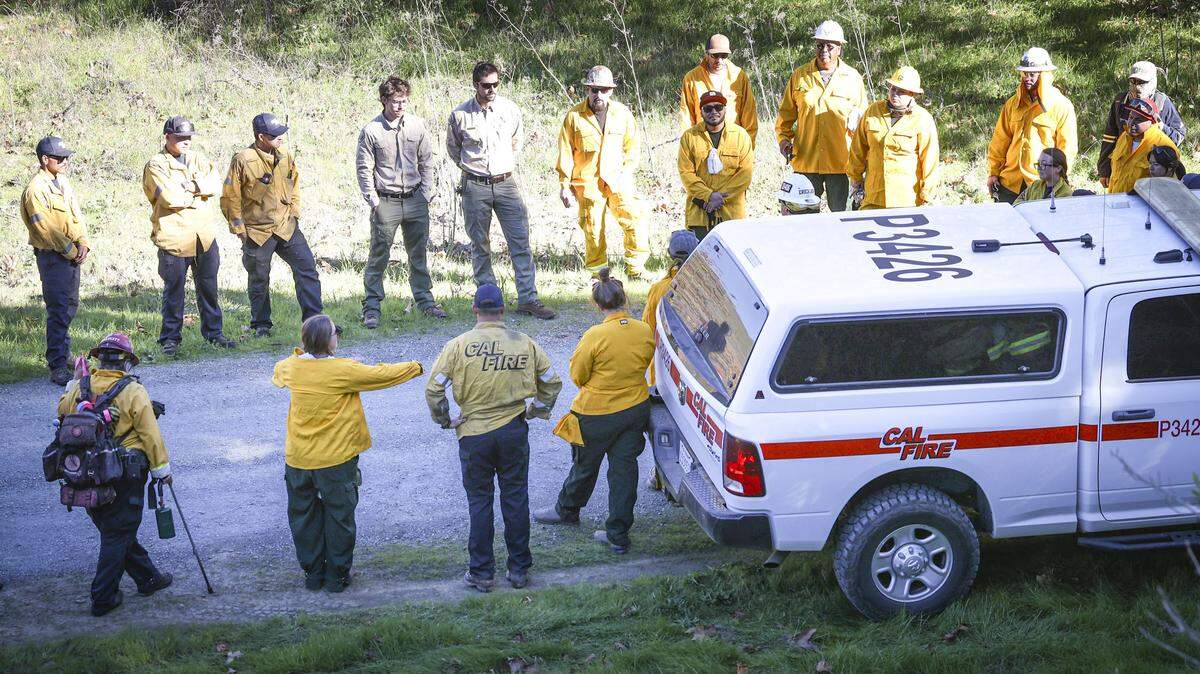
The yak titʸu titʸu yak tiłhini Northern Chumash Tribe led their third cultural burn on about 1.5 acres of the Johnson Ranch Open Space on Dec. 11.
“It’s so healing,” Shaffer said. “This is a way that we can show the land, like, we’re still here. We see you, we hear you, and you hear us, too.”
About one week later, green shoots of native bunch grasses poked through the charred soil.
The city of San Luis Obispo partnered with the ytt Tribe to conduct a three-part restoration project at the Johnson Ranch Open Space.
In 2024, Point Blue Conservation Science gave the city a $251,996 grant to restore the riparian area around Dry Creek, which flows seasonally when the area receives enough rain, city sustainability and natural resources analyst Lucia Baesemann said.
The project incudes cultural burns and the sewing of purple needle grass seeds led by the ytt Tribe, the installation of beaver dam analogs by Nature’s Engineers and native tree planting led by EcoSlo.
“We’re really thinking of Johnson Ranch as a place to pilot the restoration techniques that leaders across the state are using for carbon sequestration and climate adaptation,” Baesemann said.
Partnering with the ytt Tribe is a critical part of the project, she said.
Not only is it the city’s responsibility to support Indigenous tribes in reconnecting with their homeland — these lands co-evolved with tribal stewardship, so the ecosystem is healthier when tended to according to the ytt Tribe’s land management practices, she said.
“It’s not just because it’s the right thing to do,” she said. “It also just really works.”
Restoring the creek
When water flows through Dry Creek, it moves quickly — cutting deep into the soil and washing away sediment. This means the soil can’t absorb as much water, and the creek dries up more easily.
In the fall of 2024, Nature’s Engineers installed three beaver dam analogs in the creek, organization founder Cooper Leinhart said.
The dams are made of rocks, branches and leaves found on site, and they mimic beaver dams by catching sediment and slowing the speed of the water. This allows the water to seep deep into the soil and spread horizontally — reaching more plants.
This process will allow the creek to hold water longer, Leinhart said.
Beaver dam analogs also make the riparian area more resistant to extreme weather patterns caused by climate change.
Areas with beaver dams recover more quickly after wildfires, as they filter ash that falls into the river. The dams also catch sediment and debris during flashy rain events, which prevents erosion, he said.
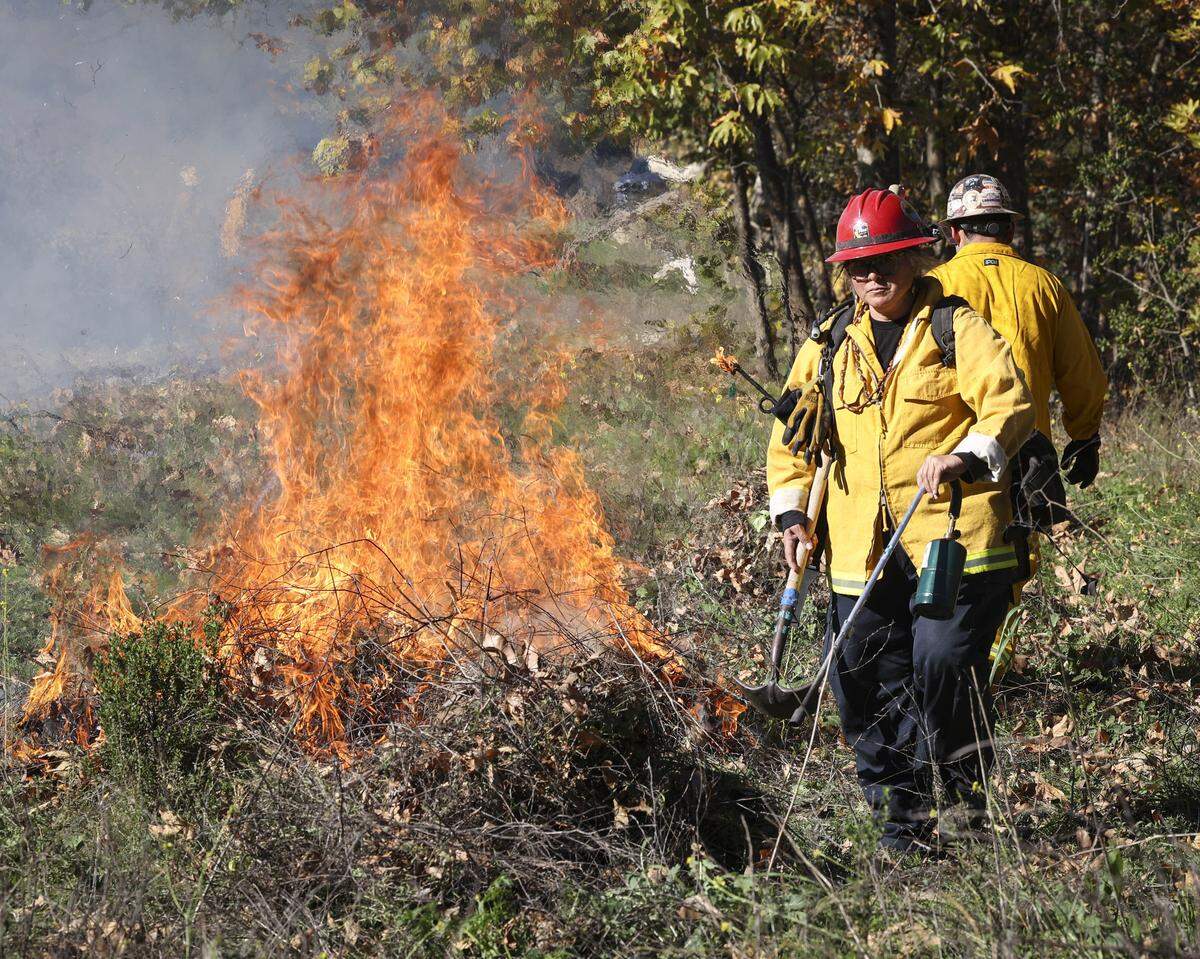
Meanwhile, environmental group EcoSlo is leading the effort to plant native trees and shrubs along the river. Those plants will have access to more water year-round thanks to the beaver dam analogs.
On Dec. 13, volunteers planted about 45 trees and shrubs, including oak trees, California rose, sage, buckwheat and bunch grasses, executive director Kendra Paulding said.
Native plants have longer root systems that stabilize soil in the creek bed, preventing erosion. The trees also provide shade over the creek, which supports steelhead trout who prefer cooler water.
EcoSlo facilitated three tree-plantings last season. The nonprofit will lead three plantings this season and three more next season, she said.
The next tree planting is on Jan. 17, and people can sign up to volunteer at ecoslo.com/events.
“Everybody who goes out to these events leaves with such a big smile,” she said. “I don’t know another form of therapy that’s quite as effective as being outside and in the sunshine.”
Returning fire to the landscape
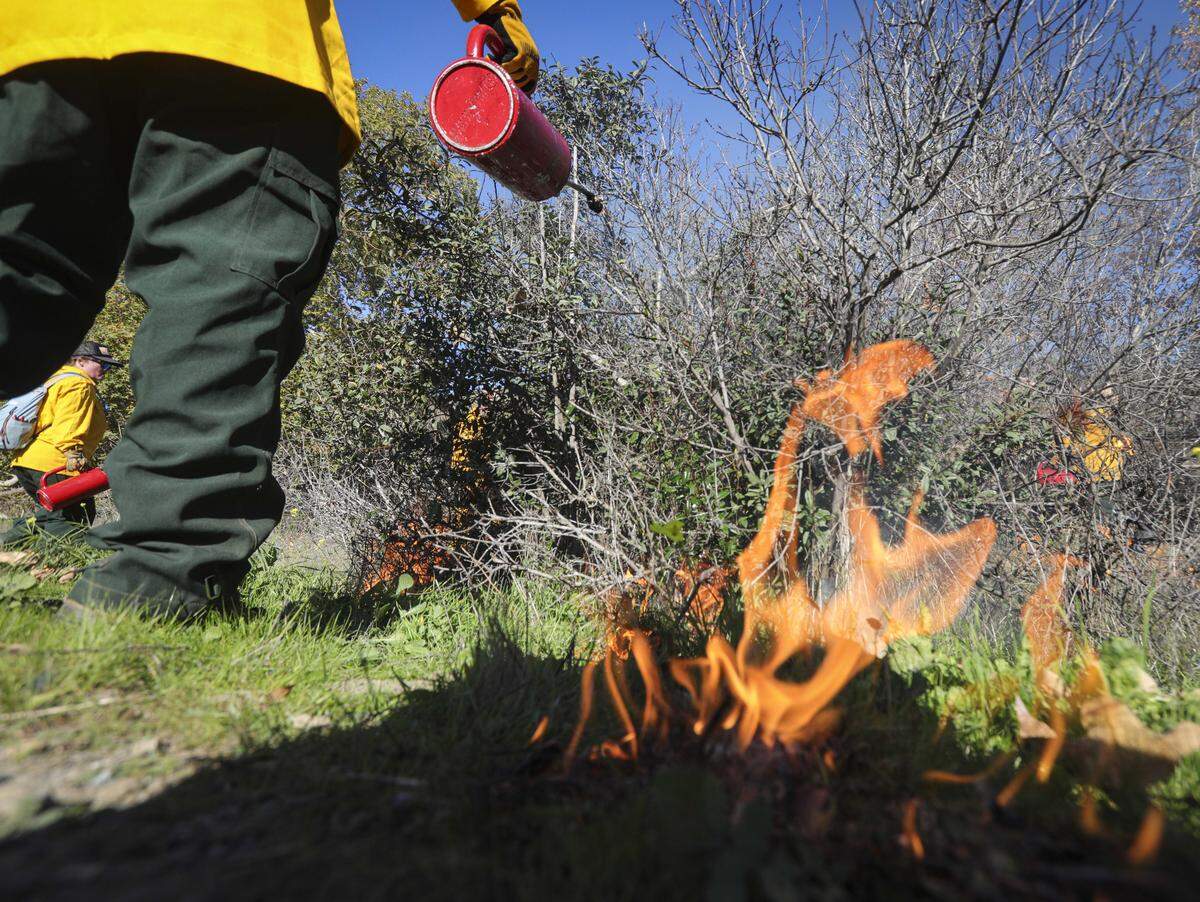
The ytt Tribe led their first cultural burn in generations at the Johnson Ranch Open Space in June 2024.
They burned 15 acres of a grassy hillside on the property, targeting invasive species like mustard grass. The day after the burn, they raked the nutrient-rich ash into the soil and scattered native purple needle grass seeds.
By March 2025, native species like lupine, miner’s lettuce, poppies, soap plant, yarrow and buckley returned to the burn scar in greater numbers than before the burn, cultural burn practitioner and ytt Tribe nonprofit executive director Becca Lucas Thomas said.
In November 2024, the ytt Tribe singed a patch of 7-foot-tall mustard bushes at Johnson Ranch. The bushes were still green in June, so they didn’t burn to ash. But the fire still burned the mustard flowers before they could go to seed, preventing new plants from growing.
In March, that hill sprouted fewer mustard bushes and more native lupine flowers than the year before.
“Even if we didn’t eradicate invasive species, we were able to give the native species a chance,” she said.
The ytt Tribe doesn’t burn each plant to ash. Instead, they burn invasive plants with the goal of eliminating their seed banks, and they burn native plants just enough to support healthy growth, Thomas said.
“It’s not just about burning,” she said. “It’s about what the relationship is with the plant afterward, and how you’re going to use it, and how it’s going to be supported by the burn.”
The ytt Tribe returns to each burn site frequently to monitor how each plant responds to fire, and they will adjust their practices accordingly.
“What it is, is having a living relationship with the land,” Shaffer said.
In December, the ytt Tribe burned overgrown wild buckley in the riverbed that was weighed down by old, gray plant material.
“It spends so much energy trying to support that old, old growth, so that’ll be nice to give her a haircut and clean her up,” Shaffer said.
Fire helps protect the riverbank from erosion by promoting native grasses and other species that have root systems that can hold the soil in place, Thomas said. Conducing cultural burns also reconnects the ytt Tribe with a cherished cultural practice.
“It really feels like we’re tending to that relationship that has been severed in recent years,” Thomas said.