1 death, 9 arrests: What happened when the Hells Angels rode into SLO County
Violence, crime, sex, drugs and racism wrapped around a search for excitement on two wheels are all part of the lore of the Hells Angels.
They were founded either in Fontana in 1948 or San Bernardino in 1951. Competing stories are told.
Motorcycle gangs were never on the chamber of commerce welcome list, but their reputation was not helped by a violent drunken biker gathering and brawl took place over several days in Hollister during Independence Day celebrations in 1947.
The outlaw biker theme was irresistible to Hollywood filmmakers who needed a modern update to the western outlaw genre.
The movies ranged from Marlon Brando in the 1953 picture “The Wild One” to B movies like 1968’s “Wild Wheels,” filmed around Pismo Beach.
Immersive writer Hunter S. Thompson wrote “The Motorcycle Gangs: Losers and Outsiders” published in the Nation on May 17, 1965.
It was a rare look inside a secretive culture that had more to lose than to gain from publicity.
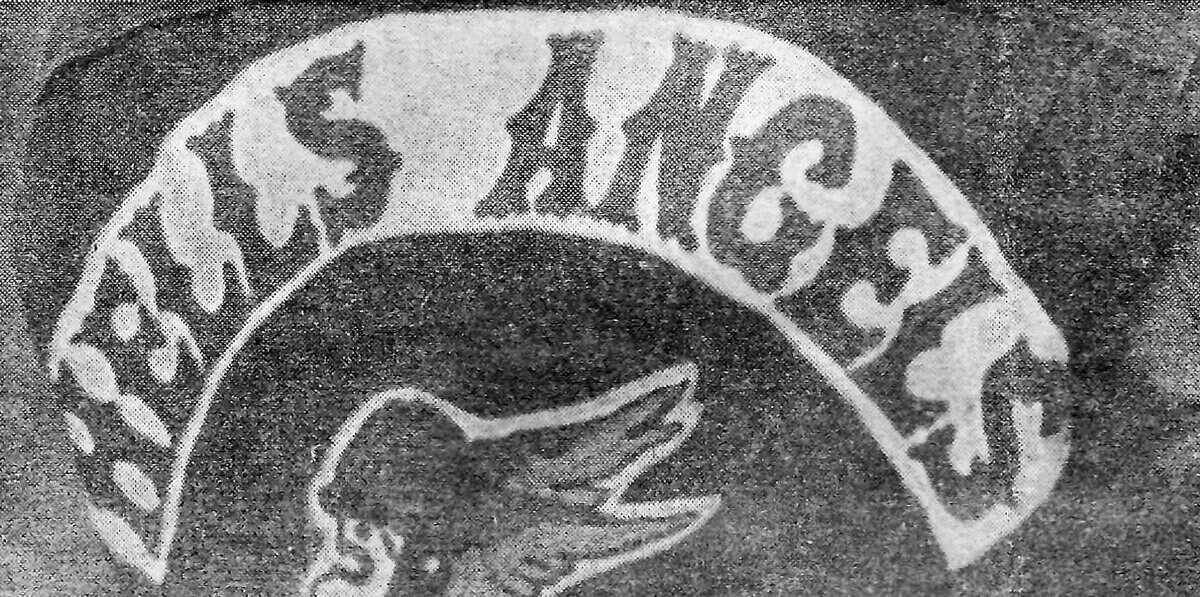
Thompson would later expand on the article and launch his book career with “Hells Angels: The Strange and Terrible Saga of the Outlaw Motorcycle Gangs” published in 1967.
The Angels were around the rock scene, connected to events with the Merry Pranksters, the Grateful Dead and a tragic murder captured on film at the Rolling Stones’ Altimont performance. Many saw that event as the end of the 1960s ethos.
In April 1966, the Hells Angels gathered from throughout the state to camp at Oso Flaco Lake.
Law enforcement went on high alert and the Telegram-Tribune sent three writers and a photographer to cover it.
Unfortunately the photos are lost to time, so scans from newsprint are the best we have.
There was an April 16, 1966, article with several photos, but it was a first-person point of view article and is omitted here.
The following is a composite of the news stories by Walt Beesley and Charles Yoakum who each wrote stories on April 11, 1966.
Note: The newspaper added an apostrophe — Hell’s Angels — but the motorcycle club does not punctuate its name like that, so the article has been corrected in this reprinting.
In the wake of the Hells Angels - One death and nine arrests
Death and the law cut short an Easter weekend visit of the Hells Angels in San Luis Obispo County Sunday when the gathering broke up and more than 150 bearded cyclists and their women broke camp and left Oso Flaco.
Congregated near the freshwater lake in the Nipomo Mesa dunes, the obviously disgruntled Angels decided shortly after dawn Sunday to scatter to their home bases, north and south and leave one of their members dead in a Santa Maria mortuary.
Killed about a mile north of Guadalupe on Highway 1 Saturday night was Larry Dean Lucas, 24, of San Francisco, who had left the camp and gone into the nearby town.
On his way back, his motorcycle went out of control about 10:30 p.m. and Lucas was thrown from the vehicle into the southbound lane.
Witnesses to the accident told Highway Patrolmen another car struck Lucas but failed to stop. He was pronounced dead on arrival at a Santa Maria Hospital. Also left behind, alive but in custody, were nine other Angels who were arrested by the Highway Patrol for various infractions of the law.
Four were held for investigation of car theft, three were picked up on warrants and one was charged with assault with a deadly weapon and one for driving without a valid operator’s license.
Another Angel, wanted on a rape charge in Sonoma County, was arrested in an Avila Beach house trailer Sunday at 8:45 p.m.
Marvin William Gilbert, 23, of Oakland was asleep when officers found him. As he was being taken away, he told the officers, “You never would have caught me if I hadn’t been so tired.”
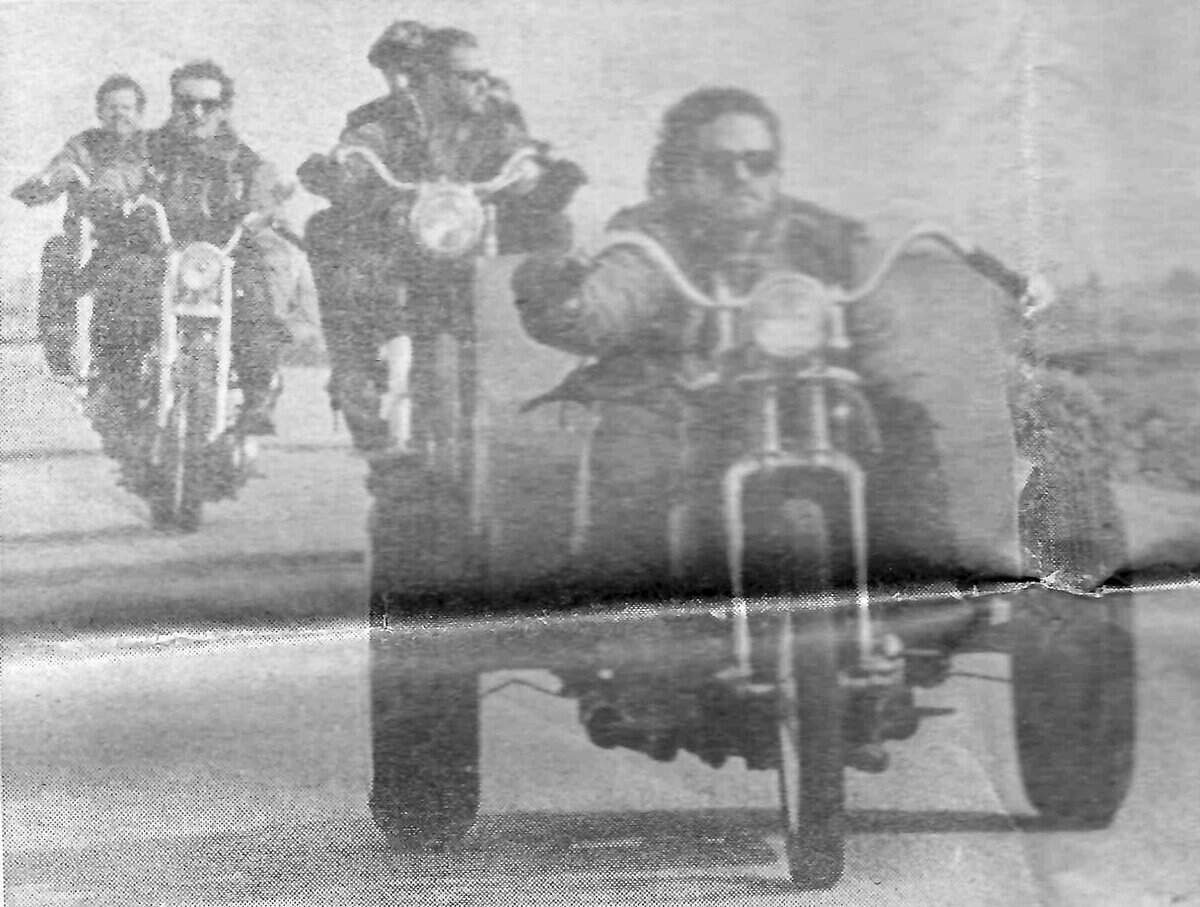
The cyclists began streaming into the South County shortly after midnight Friday, and by 7:30 a.m. Saturday, approximately 50 of them had established a raucous camp at the edge of the lake.
By 10 a.m. Saturday, the main band of Hells Angels had arrived at Oso Flaco Lake.
Other than being closely watched by California Highway Patrol and deputy sheriff officers, the angels had no trouble getting into the lake for their two-day party.
Getting out was another story.
County law officers — ranging from city policemen to highway patrol officers — had joined to contain the motorcyclists.
The rules were strict. Once a motorcycle passed the last checkpoint, located about 100 yards from the Hells Angels camp, it had to remain at the due-side camp until its driver was ready to leave the county for good. When it left the camp, its license number was taken and neither it nor the driver was allowed back in the camp.
The members of the club could leave the lakeside only in cars, not more than three persons to a vehicle. They could go only to Guadalupe, located three miles down the road from the lake.
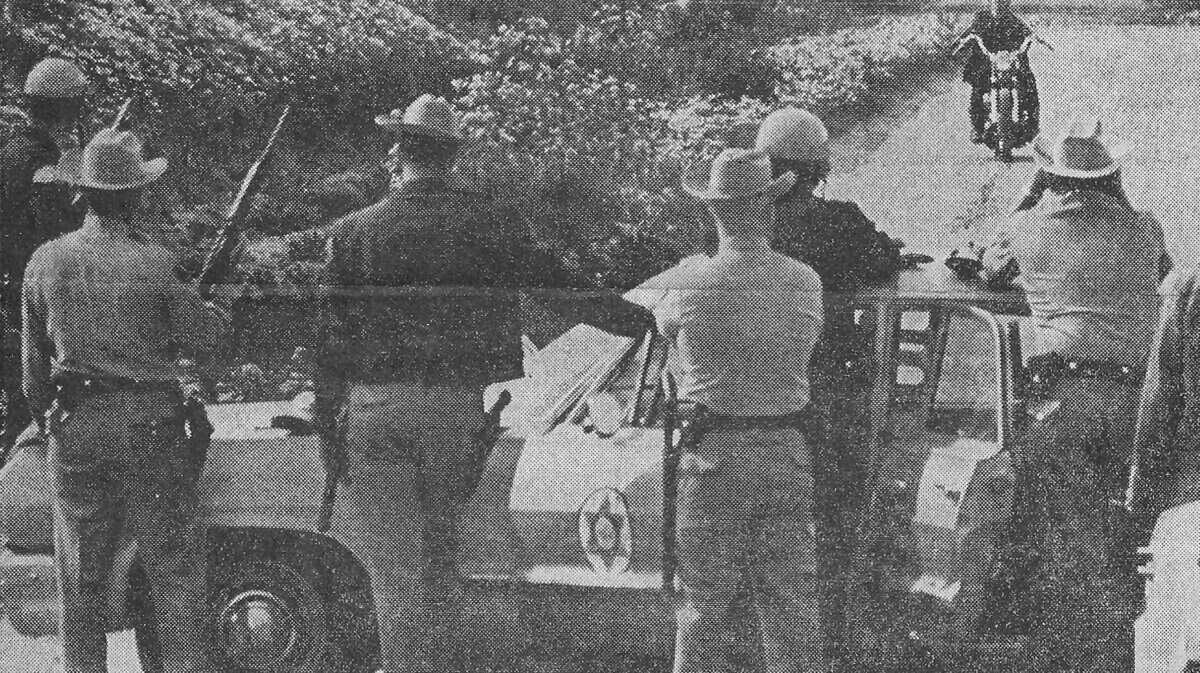
At our checkpoint, nearest the camp, all the officers carried their usual pistols. But also out in plain sight — lying on top of the car used to block the road — were six or seven riot guns or shotguns, an M-1 carbine, a .30-.30 Winchester and other assorted weapons.
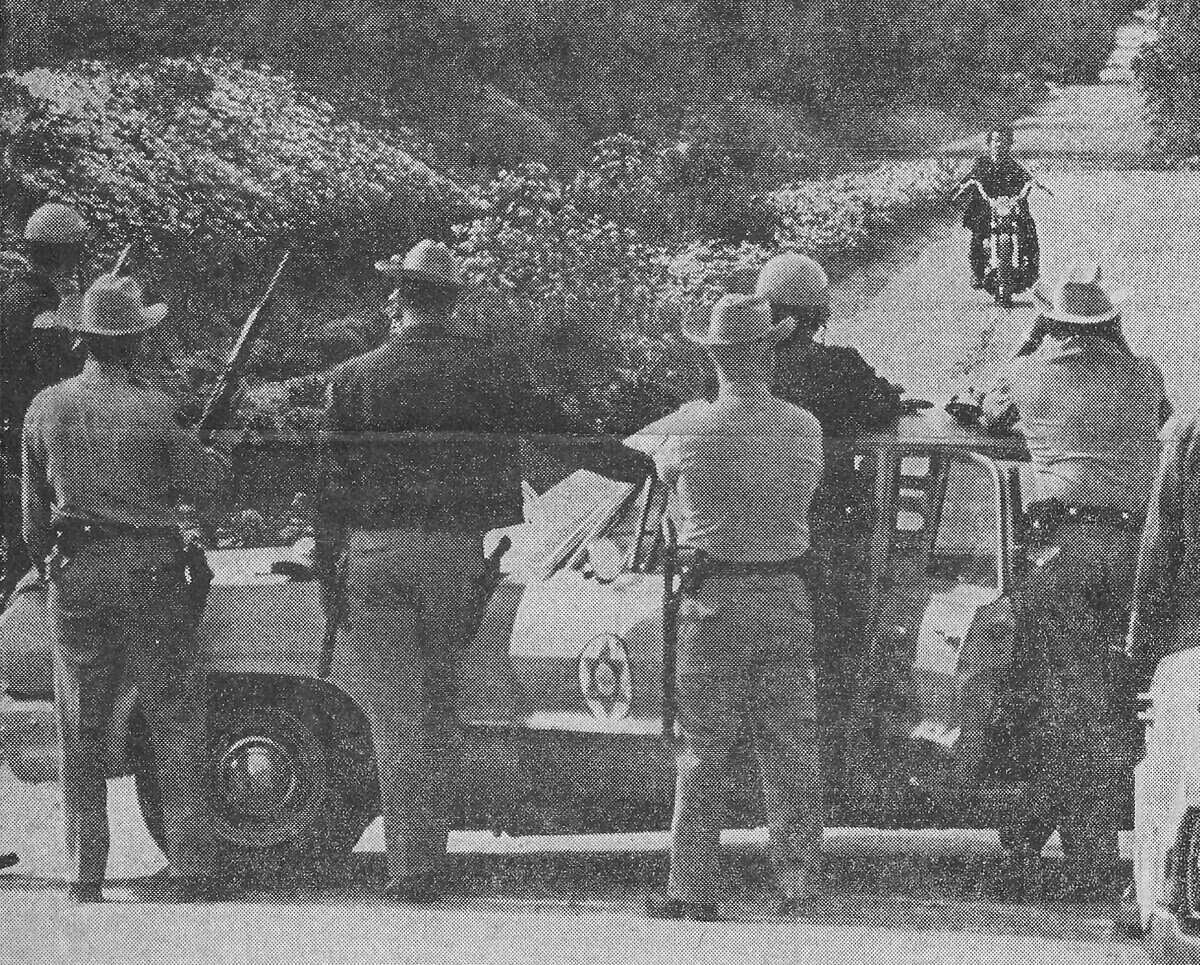
At the second checkpoint, located about a mile to our rear officers said that a .45 caliber Thompson submachine gun and a Reising “grease gun” were ready — “just in case.”
Officers ventured into the Hells Angels camp only when necessary. Once when three Guadalupe men told deputies that their broken-down dune-buggy was nearby and wanted to tow it out, a three-man escort followed them in. Later, a Department of Fish and Game warden went in but avoided the area of the lake where the Angels were.
By noon, several of the club members had either passed out or fallen aleep. Some sprawled in the sand. others allowed their feet to dangle in the lake as they slept.
Deputies noted some concern about a planned hike by a Sierra Club group through the dune area, but the hikers apparently learned of the Hells Angles presence and called off the trek.
At 1 p.m., the officers of our checkpoint were approached by a heavily bearded Angel, who shuffles up the road in an old pair of boondocker shoes and much-too-large U.S. Army fatigue pants. In addition, he toted a small, portable beer keg with him.
He introduced himself as “Skip,” vice president of the San Francisco branch of Angels.
“Skip” told Detective Izzy Flores of the county sheriff’s office that a .38 caliber pistol, stolen Friday from a Bradley gas station, was in the possession of one of the Angels, and “did the heat (police) want it back.”
It took three trips by “Skip” and apparently a lengthy council session by the Angels’ leaders before the revolver was carried out by Flores.
“Most of us didn’t want that gun in the camp,” Skip said, “and we wanted to just toss it in the lake and pretend we never saw it.”
One car, built to look like the “Batmobile,” was ticketed at least three times for violations.
“It don’t matter,” said the bearded owner. “They ain’t never going to catch me anyways.”
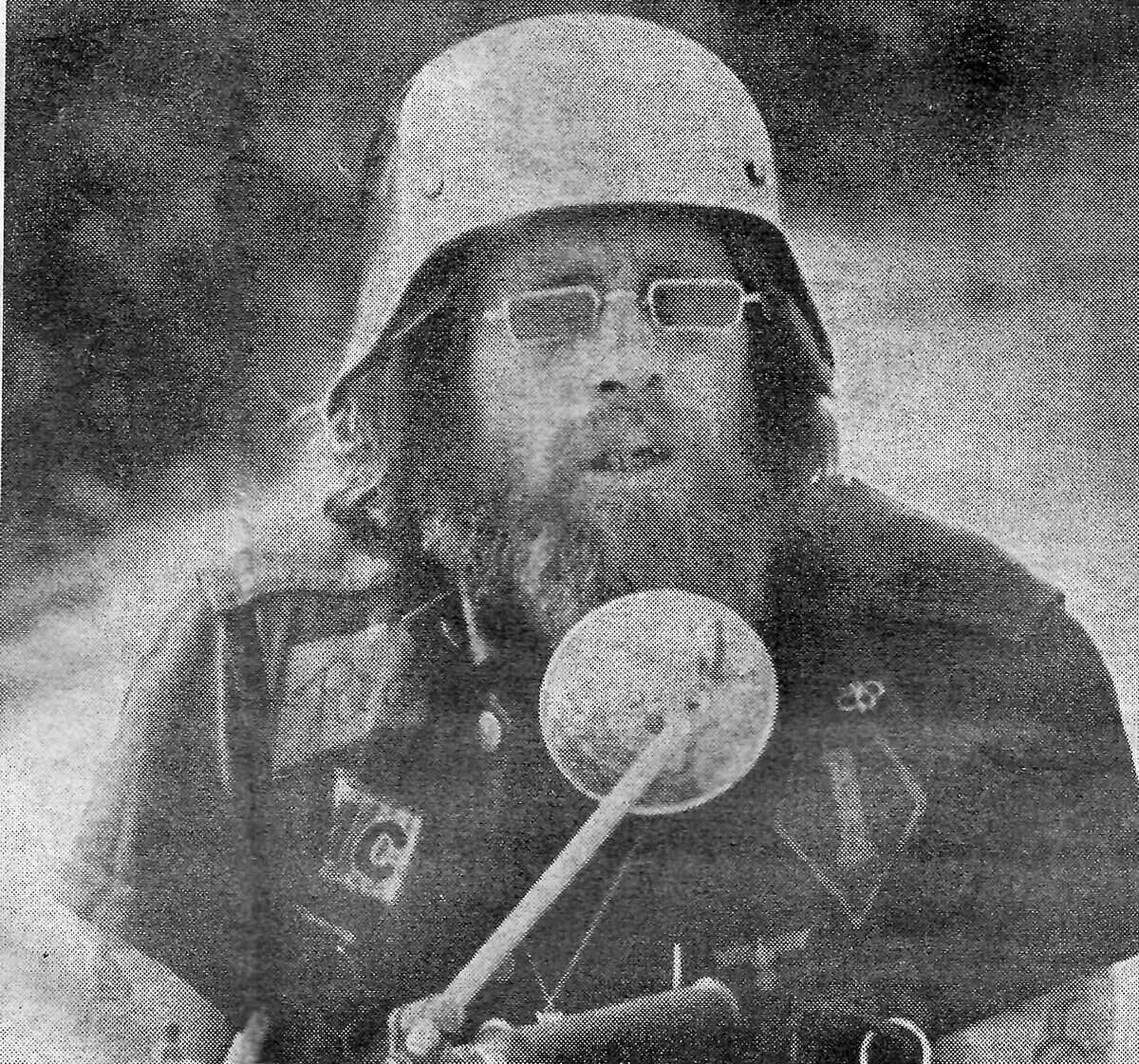
At one middle checkpoint established by the CHP, where motorbike riders and passenger car drivers were examined, one unusual note of humor was injected into the proceedings when an Angel was told to stoop over. As he did, officers spotted an arm patch from a Santa Barbara sheriff’s deputy’s uniform sewn to the seat of his pants.
Forewarned of the impending visit, practically every law enforcement officer in the county who wasn’t needed for local duty took a shift at one of the three sites.
When told to take it easy through one of the roadblocks, another one said:
“What the hell do you think we can do, with 300 cops and 500 guns on us?”
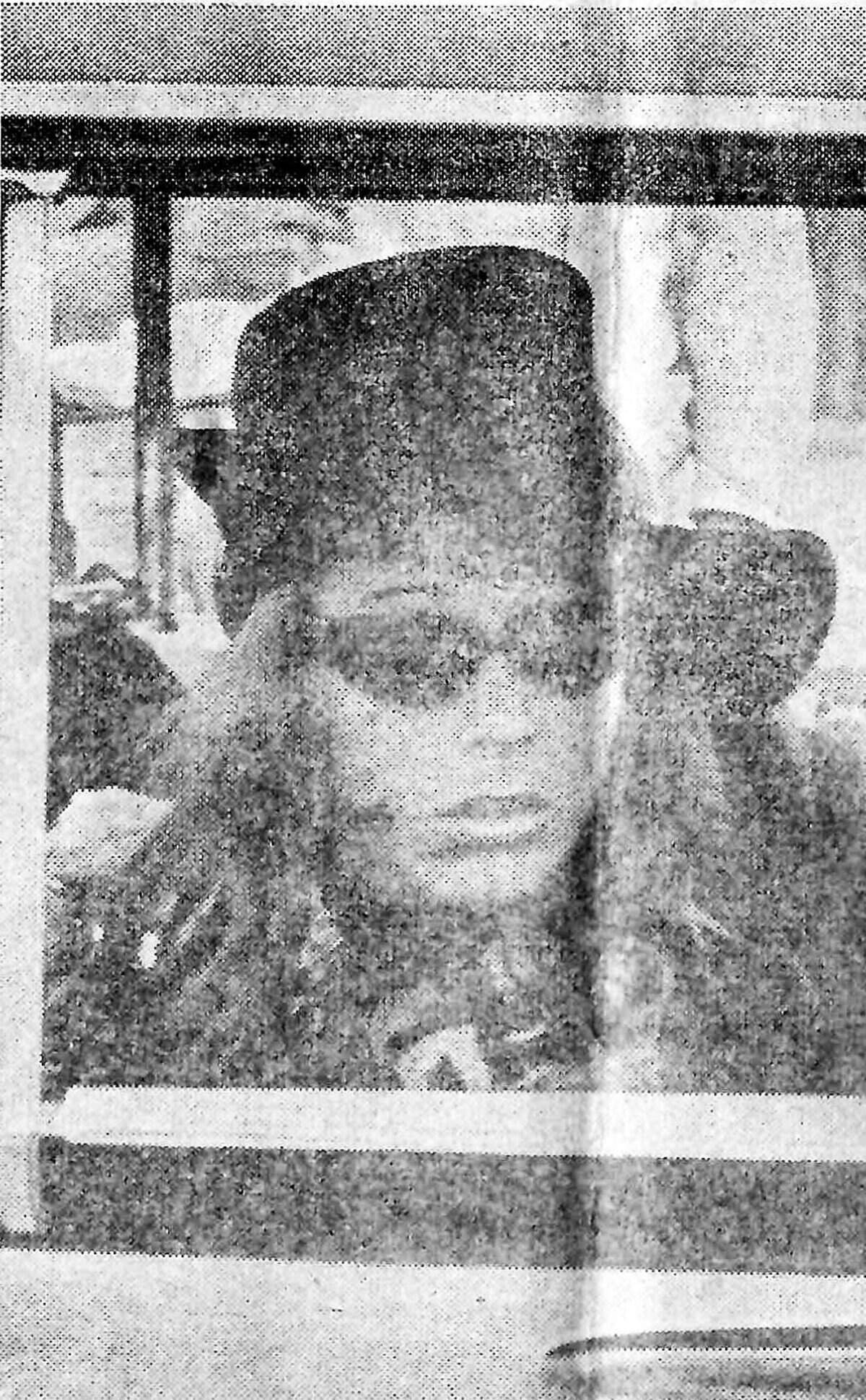
At the last roadblock, two of the female members stopped their car. One of them, dressed in dungarees with a Navajo blanket around her and a black hat turned up on one side, stepped from the vehicle and offered a deputy sheriff a plastic button.
It read: “Honorary Member Human Race.” The girl smiled and quipped: “I guess I don’t need this anymore.” Another girl wore a badge with the words, “I’m an Angel.”
When the Angels arrived, they were informed the lid was down on any extracurricular activity and they agreed. But they were irritated to no end when a couple of non-members ignored orders and walked into their camp “just to talk to them.”
They were promptly ushered out of the camp. Later, a delegation of Angels came to the roadblock and protested the intrusion of their privacy and warned that the next visitor would be handled “differently.” They added that the two were “lucky to get out as easily as they did.”
In the end, law enforcement agencies agreed the encampment was as orderly as could be expected, but to the outsider, this could be attributed mainly to one thing: the presence of armed, uniformed forces at every strategic point.
The Hells Angels didn’t get any trouble. But they didn’t give any, either.
This story was originally published August 30, 2025 at 5:00 AM.