SLO County lawmaker’s bill aims to protect monarch butterflies. Here’s how
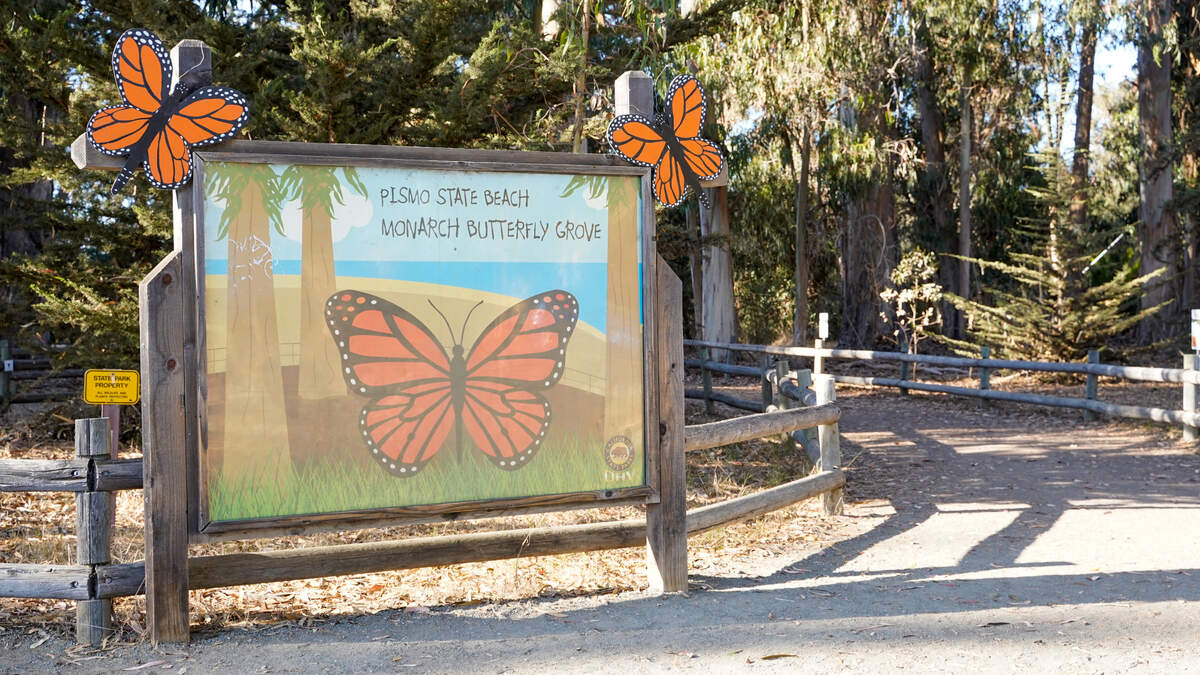
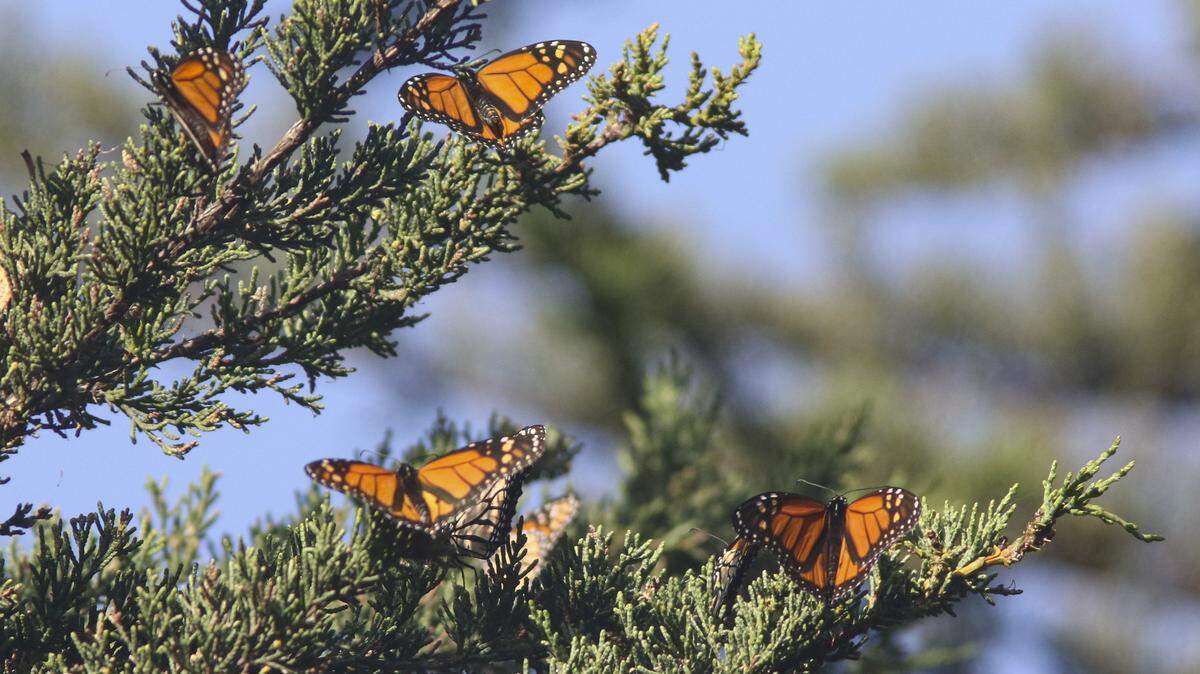
Every winter, monarch butterflies descend on a giant grove of Eucalyptus trees in Pismo Beach, arriving from western states as far as Arizona and Utah, to conserve energy and keep warm during the coldest months of the year.
At the population’s peak, the migratory orange, black and white butterflies used to number over 115,000 at Pismo State Beach Butterfly Grove in 1998.
But last year, only 471 monarchs were counted at the height of the 2025 season, according to data from the conservation-focused nonprofit the Xerces Society.
The rapidly dwindling population has alarmed Central Coasters, conservationists and lawmakers alike.
“In the last handful of years, you know, it’s been devastating, the die-off of the monarchs, we’ve lost 95% in the last 35 years or so,” San Luis Obispo County Assemblymember Dawn Addis told The Tribune. “It’s been widely reported where we went from millions to thousands, and just the grave, grave harm, and (we’ve been) trying to figure out something to do about that.”
She recently authored a bill in the California Legislature to better protect the butterfly species and help reverse the dramatic population decline.
Assembly Bill 2254, or the Coastal Monarchs Protection Act, introduced by Addis, D-Morro Bay, and co-authored by Assemblymembers Gregg Hart, D-Santa Barbara, and Rick Chavez Zbur, D-Los Angeles, would require local governments with overwintering sites in the coastal zone to create and implement policies that protect monarch habitats.
Addis said she was inspired to craft the legislation after being mesmerized by monarchs butterflies as a child. She recalled wandering through Muir Beach’s overwintering grove and witnessing kaleidoscopes of butterflies resting in the coastal Monterey pines. As an adult, she made sure her children had similar experiences, shepherding them through monarch clusters at the Pismo preserve each winter.
She said the butterflies must be saved to safeguard biodiversity on the Central Coast, as well as sustain the local economy since thousands of people visit monarch groves across the state every year.
“What we realized is there really is action that we can take. All is not lost,” Addis said. “We have reason to be optimistic if we take action now, and we can do that in a very simple way through our land-use planning, and so that’s how we came to this bill.”
Why monarch butterflies have been declining for decades
The butterflies have been plagued primarily by climate change and habitat loss, Rosemary Malfi, the director of conservation policy at the Xerces Society, told The Tribune.
Changing weather patterns, such as climate change-induced storms and drought, as well as invasive species and pollution have disrupted the species’ migratory habits, The Tribune previously reported.
But Malfi said these aren’t the only favors affecting the butterflies — pesticide use and the depletion of host plants, like milkweed, are also contributing to their population decline.
“They’re experiencing stressors in many different places, which makes it difficult to control and to address,” Malfi said.
The Xerces Society sponsored Addis’ legislation because the bill would be a vital step toward protecting the state’s more than 400 overwintering sites, Malfi said, adding that if these groves are razed, “we don’t have monarchs. Period.”
“Scientists don’t actually know what it is about these groves that makes them attractive to monarchs, so once these sites are destroyed, they’re actually just gone forever,” she told The Tribune. “We do not know how to recreate them, so that is part of the urgency. Every time something is lost, it’s lost for good.”
How SLO County lawmaker’s bill plans to protect monarch population
If passed, AB 2254 would direct the state Department of Fish and Wildlife, in coordination with the California Coastal Commission, to map out all coastal monarch butterfly overwintering sites by Jan. 1, 2028.
“Part of the issue right now is often people don’t know that they’re cutting down trees that are part of a monarch habitat,” Malfi said. “Many people don’t mean to degrade the habitat or destroy it, but they don’t have that information readily accessible.”
The legislation would then require the department and the commission to provide guidance on model policies to local governments in the coastal zone by mid-2029, according to the most recent version of the bill.
Cities and counties with overwintering habitats would then have to implement enforceable ordinances that work to protect monarch butterfly overwintering sites and restore habitats by July 1, 2031.
“We feel like it’s a strong bill that is going to be an effective bill, but it’s also a bill that is not going to put our cities or counties in a tough position,” Addis said. “We’ve crafted in a way that it can be beneficial to all.”
So far, AB 2254 has received a swell of support from more than 20 organizations, including the Sierra Club, the National Wildlife Foundation, the California State Parks Foundation and the American Bird Conservancy, according to CalMatters’ Digital Democracy. As of Friday, the legislation had no formal opposition.
The California Senate Local Government Committee advanced the bill with a bipartisan 6-0 vote, with one Republican legislator not voting on July 1. The bill was re-referred to the Committee on Appropriations after Addis accepted recommended amendments, according to the Digital Democracy tool.
Addis said she’s “very optimistic” the bill will be signed by Gov. Gavin Newsom this fall.
“It’s sort of a triple win, it’s low cost, it will help biodiversity, and it’ll help boost the economy,” Addis said.