Pismo Beach monarch butterfly count is perilously low again. Here’s how many
Like last year, a dramatically small number of monarch butterflies migrated through San Luis Obispo County this winter, according to data from the conservation-focused nonprofit the Xerces Society.
“It makes me sad,” Xerces Society conservation biologist Isis Howard said. “I wish I could say I was more surprised, but this is something we tend to expect from populations when they decline significantly.”
Western monarch butterflies migrate from Arizona, Nevada, Oregon, Washington, Idaho, Utah and inland California to coastal California to stay warm and conserve energy during the winter.
The Pismo State Beach Butterfly Grove only hosted 471 monarchs at the peak of the 2025 season — which is similar to the 2024 count of 556 butterflies, according to Xerces Society data.
The all-time lowest population size in Pismo Beach was reported in 2020, when only 199 butterflies were counted at the overwintering site.
That compares to a recent high in 2023, when 16,044 butterflies were counted here, and the all-time high of 115,100 in 1998.
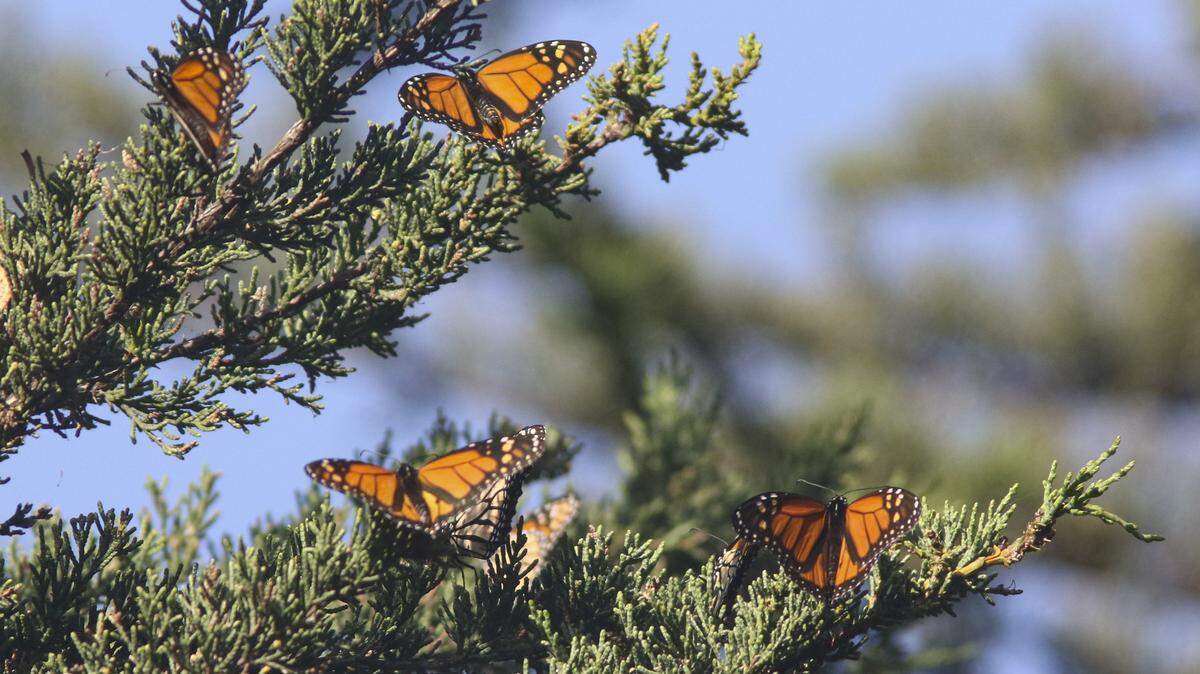
Pismo Beach’s butterfly count matches migration data from the rest of California.
Only 12,260 butterflies were counted at West Coast overwintering sites during the 29th annual Western Monarch Count in 2025. That’s only a bit higher than 2024, when volunteers counted 9,119 butterflies at the more than 200 overwintering sites.
2020 was the worst year for the rest of California, too, when only 1,901 butterflies were counted across all overwintering sites, according to the Xerces Society.
“They’ve been in trouble for a while now,” Howard said. “It is scary.”
Still, she hasn’t given up hope.
In light of the disappointing numbers, Howard encouraged people to spread the word about the challenges monarch butterflies face and advocate for the protection of their habitat.
“We still have time to take action,” she said. “It’s really important that we continue the good work.”
Why is the butterfly population declining?
Though the number of monarch butterflies migrating through California has fluctuated over the past decade, one trend is clear — the western monarch butterfly population has declined by more than 95% since the 1980s, Howard said.
With such a drastic population loss, the remaining butterflies are heavily impacted by the weather, she said.
The 2024 butterfly population was hit hard by drought during the late summer and early fall in California — which meant fewer butterflies survived to breed in the spring.
Drought conditions were mild throughout 2025, but the butterflies were still struggling from the prior year.
“They weren’t starting with a ton of butterflies to begin with, and the numbers can only increase so much during the breeding season,” she said.
Even a mild drought can reduce nectar plants available to butterflies during their migration. Howard said this could be a contributing factor to 2025’s mediocre breeding season.
Meanwhile, butterflies are still grappling with pesticide exposure, habitat loss, climate change-induced storm weather patterns like intense storms and drought, invasive species and pollution, she said.
“In the background, we have all these, like, long-term drivers of the decline over the last two decades,” Howard said. “Those are always present and always stressing out the population little by little.”
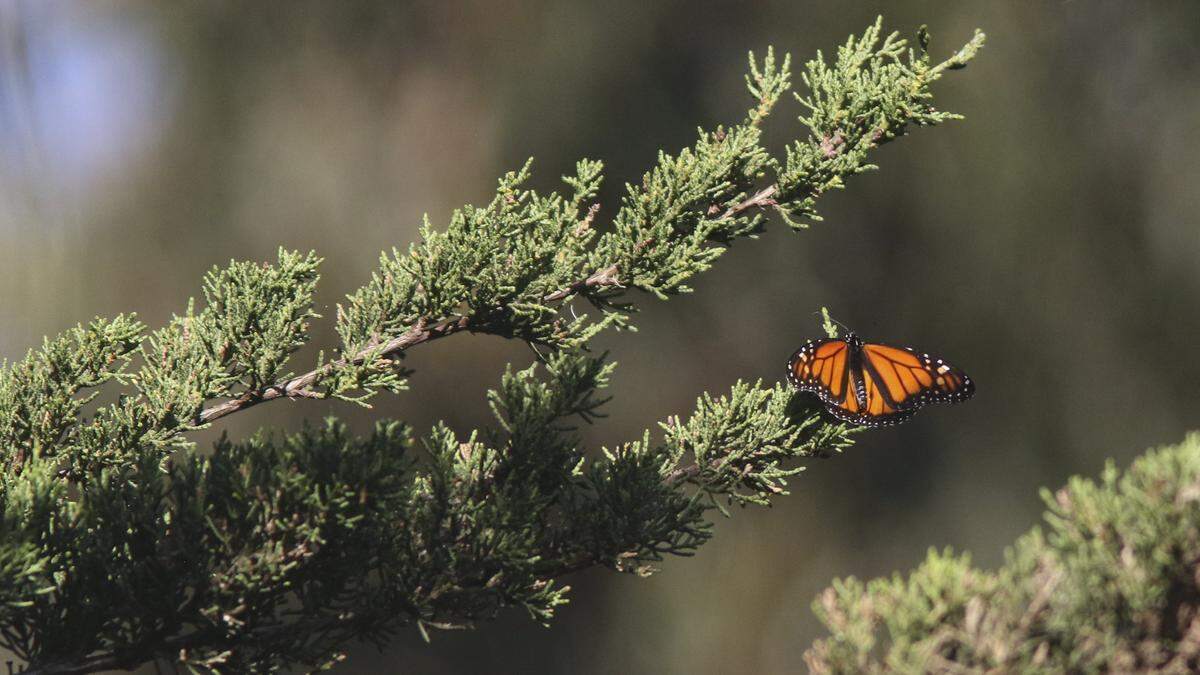
Howard said one of the greatest concerns for monarch butterflies is habitat loss. Once an overwintering site is gone, it can take decades for adequate growth in the right microclimate to replace the habitat that was destroyed.
“What we saw this year continued this long-term story of habitat loss,” she said. “Once again, we saw overwintering sites threatened, damaged or destroyed this season.”
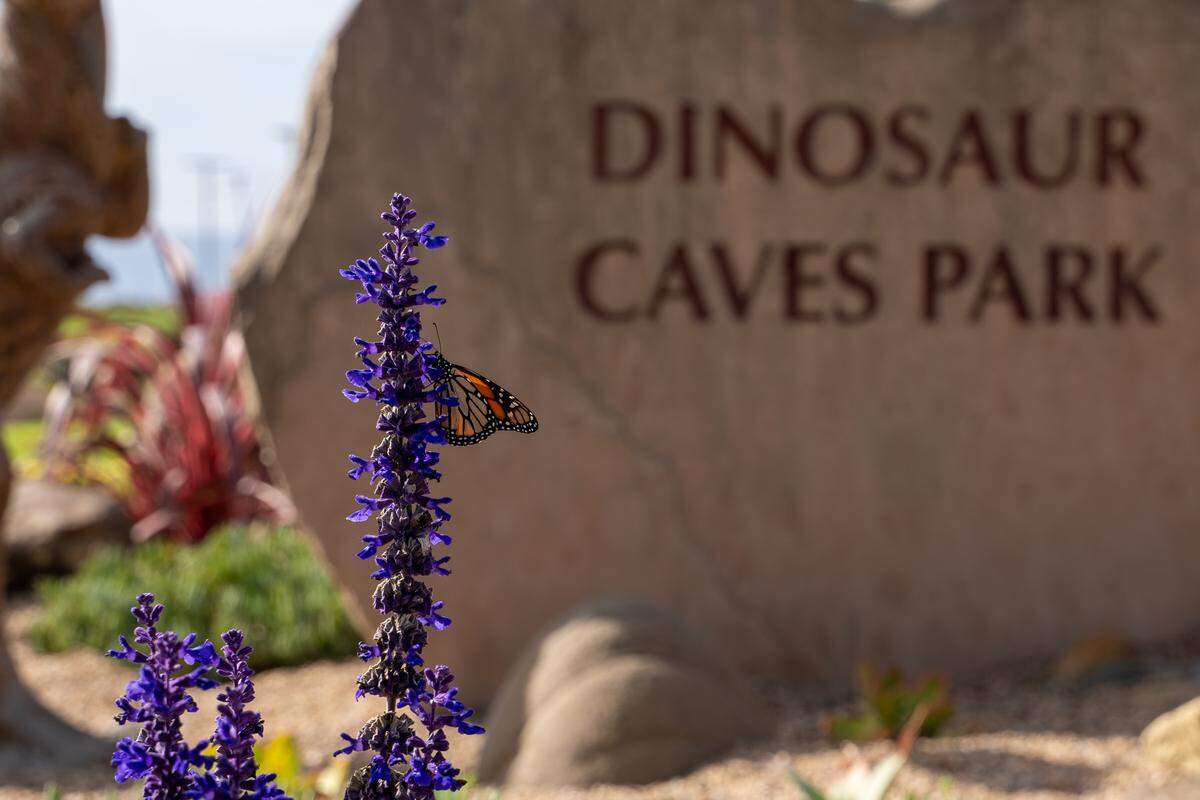
How to support monarch butterflies
There’s good news: Everyone can do something to support the monarch butterfly population, Howard said.
If you have a garden, Howard recommended planting native milkweed or nectar plants that bloom during the fall, winter and early spring.
If you live near an overwintering site like the Pismo Beach Butterfly Grove, however, avoid planting milkweed and instead opt for native nectar plants, she said.
January is a critical time to make sure butterflies have the nectar they need, she said.
“The overwintering season is a very vulnerable time for monarch butterflies in their life cycle,” she said. “Their numbers are really depleted after the overwintering season. They just migrated down, survived the winter, now they’re migrating back out — or soon. And so we really want to make sure that our landscapes are ready for them, that they’re pesticide free, and that they can provide that nectar energy to help fuel the start of the breeding season.”
If you don’t have a green thumb or access to a yard, Howard said you can take photos of butterflies and milkweed and post them to databases like iNaturalist to support scientific research or advocate for the conservation of local butterfly habitat.
She also encouraged people to volunteer with the Xerces Society to collect data about monarchs and spread the word about challenges the insects face.
If you’re really feeling creative, you could even give potted nectar plants or seed packets to friends and family as gifts for birthdays or holidays, she said.