A new monarch butterfly habitat opened in this SLO County city. Take a look
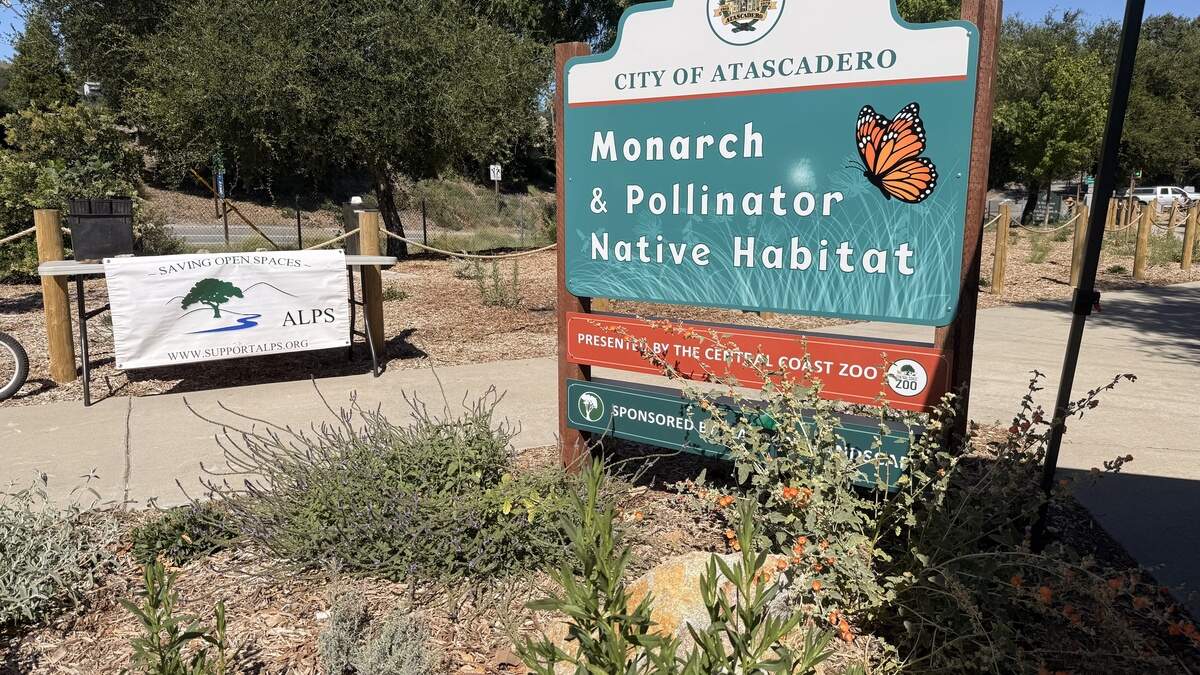
When making the 150-mile trip along California’s Central Coast, even monarch butterflies need a rest stop.
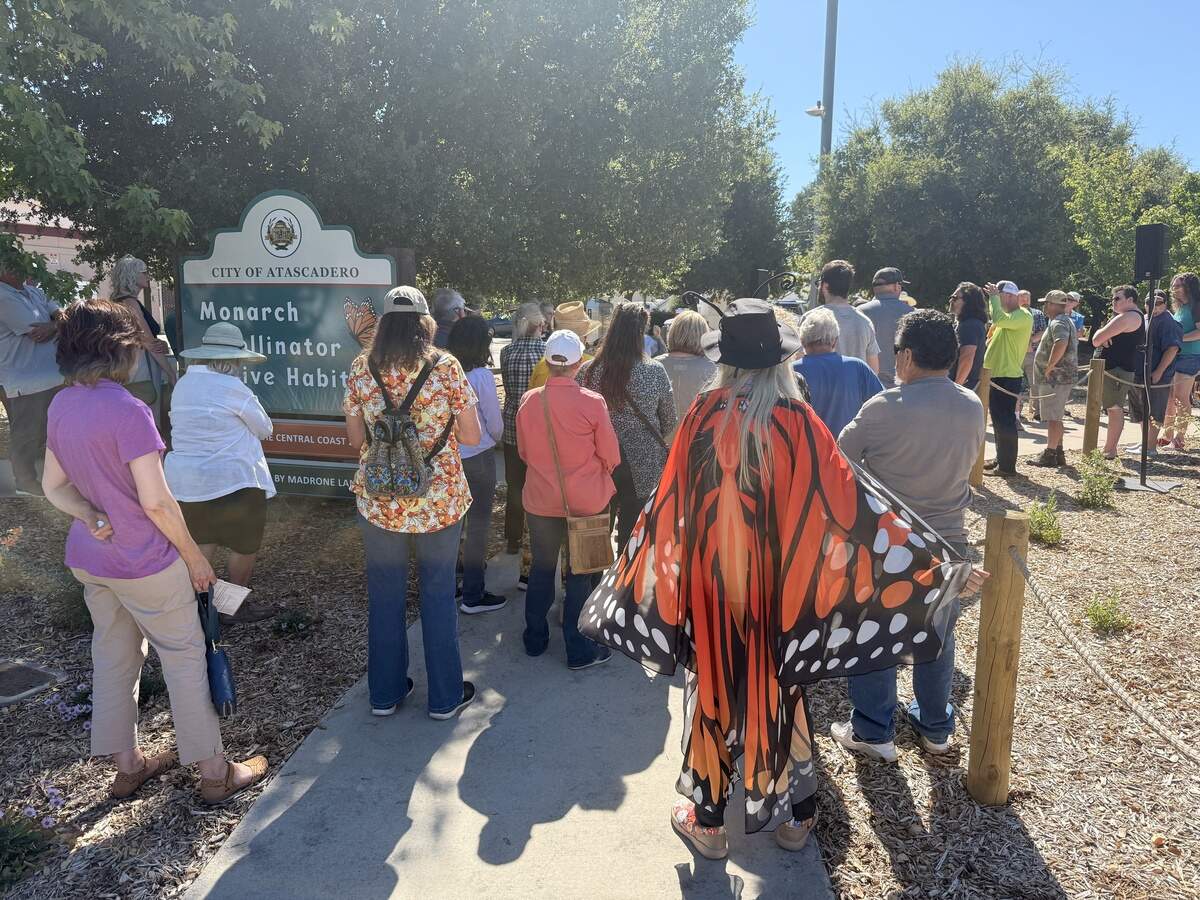
That’s what the city of Atascadero thought when it started construction on its new nearly one-acre monarch and pollinator native habitat site that opened on Tuesday.
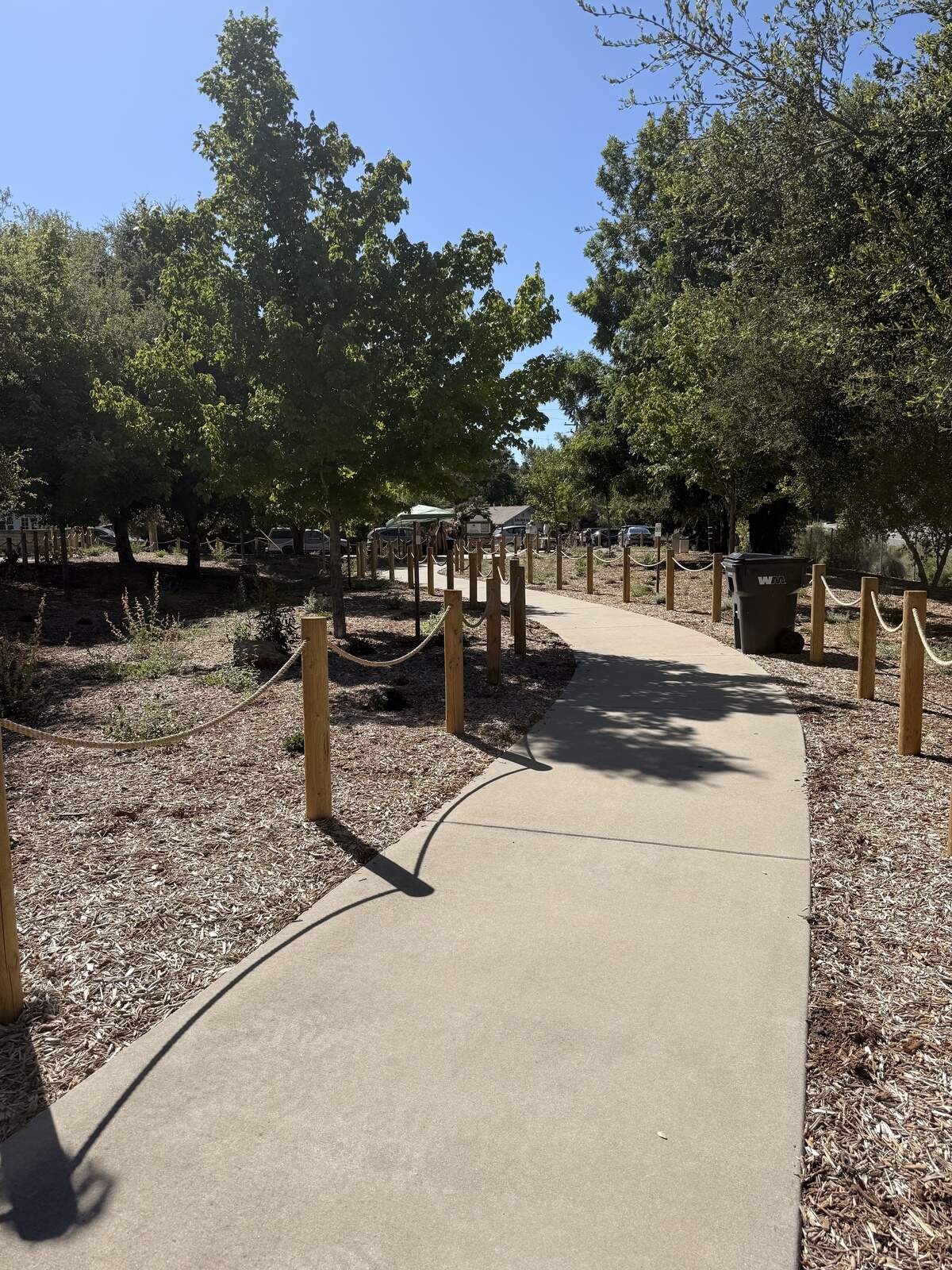
Located at the Highway 101 and 41 off-ramp right next to Chevron, the property features native species including coyote brush, coyote mint, California asters, seaside daisies, native sages and several varieties of milkweed planted by the city and partners over the last eight months in hopes of supporting the endangered butterflies and other pollinators throughout their life cycles.
City director of community services and promotions Terrie Banish said that Atascadero seemed like the perfect location for a pollinator rest stop because of its proximity between Monterey’s Monarch Grove Sanctuary and Pismo Beach Monarch Butterfly Grove.
The two sanctuaries provide refuge for the butterflies as they migrate during the colder months. But over past years, the monarch numbers have been dwindling due to lack of space and climate change.
For example, the Pismo State Beach Butterfly Grove only hosted 471 monarchs at the peak of the 2025 season — which is similar to the 2024 count of 556 butterflies, according to Xerces Society data.
The all-time lowest population size in Pismo Beach was reported in 2020, when only 199 butterflies were counted at the overwintering site. That compares to a recent high in 2023, when 16,044 butterflies were counted here, and the all-time high of 115,100 in 1998.
Banish said that the project not only helps the butterflies, but has brought the community together as well.
“It has a lot more layers to it and has definitely been inspirational that way, and with all the partnerships, and what it means for a task to get around the community,” she said.
The Atascadero Land Preservation Society helped plant trees, while project sponsor Madrone Landscape removed the invasive vegetation and planted the 200 pollinator-friendly plants. Eventually, a welded monarch sculpture featuring the work of Atascadero High School students will also be placed on the property.
The Central Coast Zoo is also tasked to monitor the butterfly and pollinator visitor counts as well as educate the community on the importance of pollination and food.
Zoo supervisor Crystal Crimbchin said they’ll use sticker tags and newer solar antennae to track the butterflies’ migration. They’ll also track the number of eggs laid at the habitat too.
“We’ll be able to count the eggs on the bottom of the leaves here. The monarchs will be laying their eggs, hopefully, in this garden and eating milkweed. The larva for monarchs can only live off of milkweed,” Crimbchin said. “The butterflies are going to feed on the flowers on their way through, and then they’re going to see the milkweed on their way back and lay their eggs.”
Crimbchin said the zoo will do three seasonal counts at the habitat for Xerces Society data — in October, November and January.
Anyone is welcome to see the new habitat, but Banish specified the space isn’t open for public use like picnics.
“It’s not like a location where you stop and linger for long lengths of time. It’s not like a park. It’s a habitat, which means you can’t walk inside the habitat, you really stay to the sidewalk,” she said. “It gives an opportunity to really view everything just like you would at the Pismo Beach Monarch Butterfly Grove. You don’t go into the grove, you look at it ... It definitely lends itself to the educational pieces and passing through to check it out.”
This story was originally published June 10, 2026 at 11:43 AM.