Wildfire risk is ‘very high’ in this SLO neighborhood. Here’s how they protect it
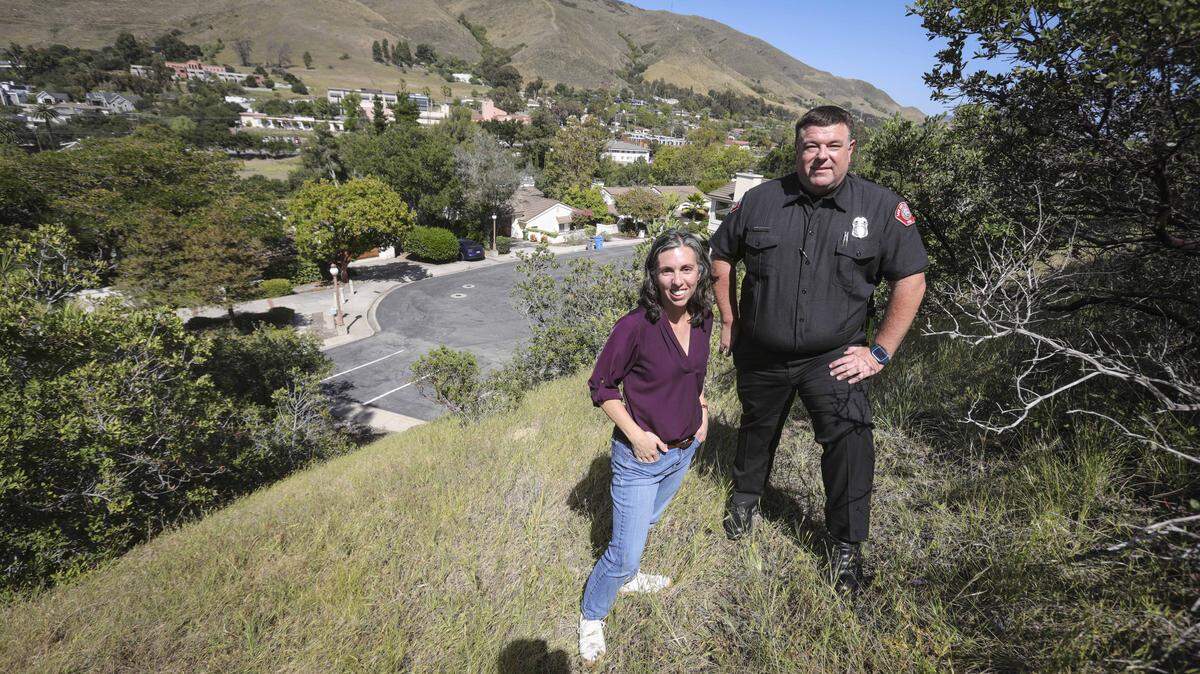
One night in October 2023, Gina Fake woke up, surprised, to the screech of a fire alarm echoing through her house.
After confirming her home was in fact not on fire, she looked out the front window — and saw High School Hill ablaze.
The Lizzie Fire burned 124 acres behind San Luis Obispo High School that month. Fake could smell the smoke from her house, while she waited for an evacuation order that luckily never came. Firefighters contained the blaze before it reached any homes.
“It makes it click — how quickly that could happen and how real the risk is,” she told The Tribune last week.
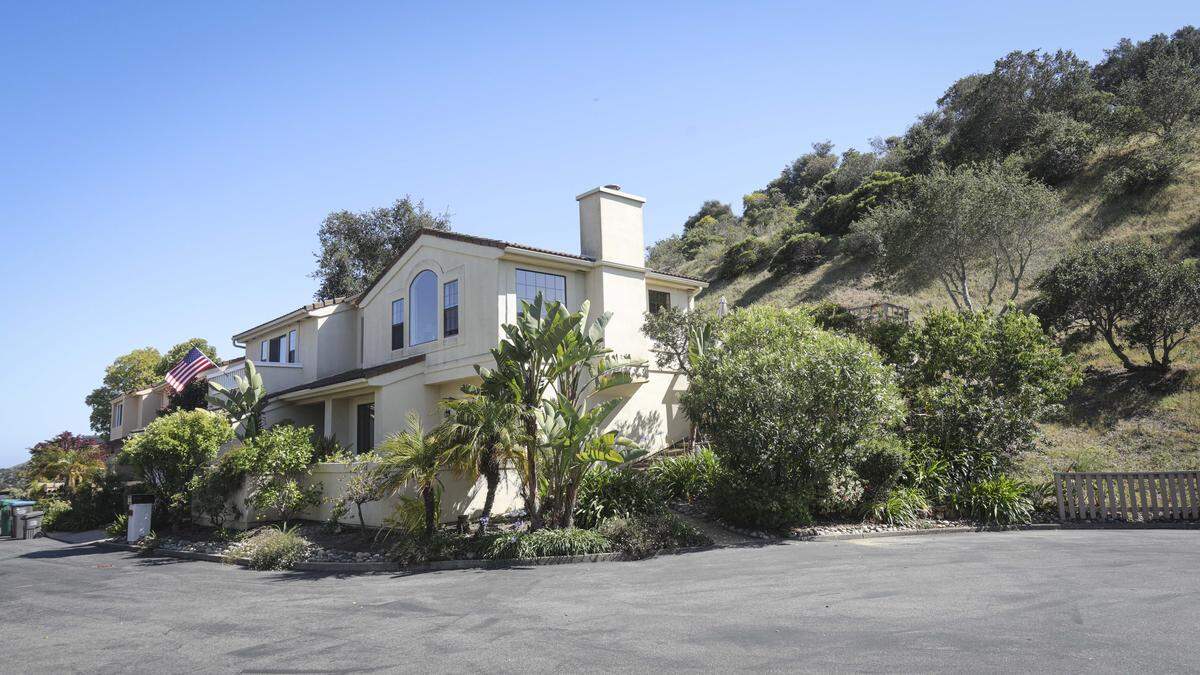
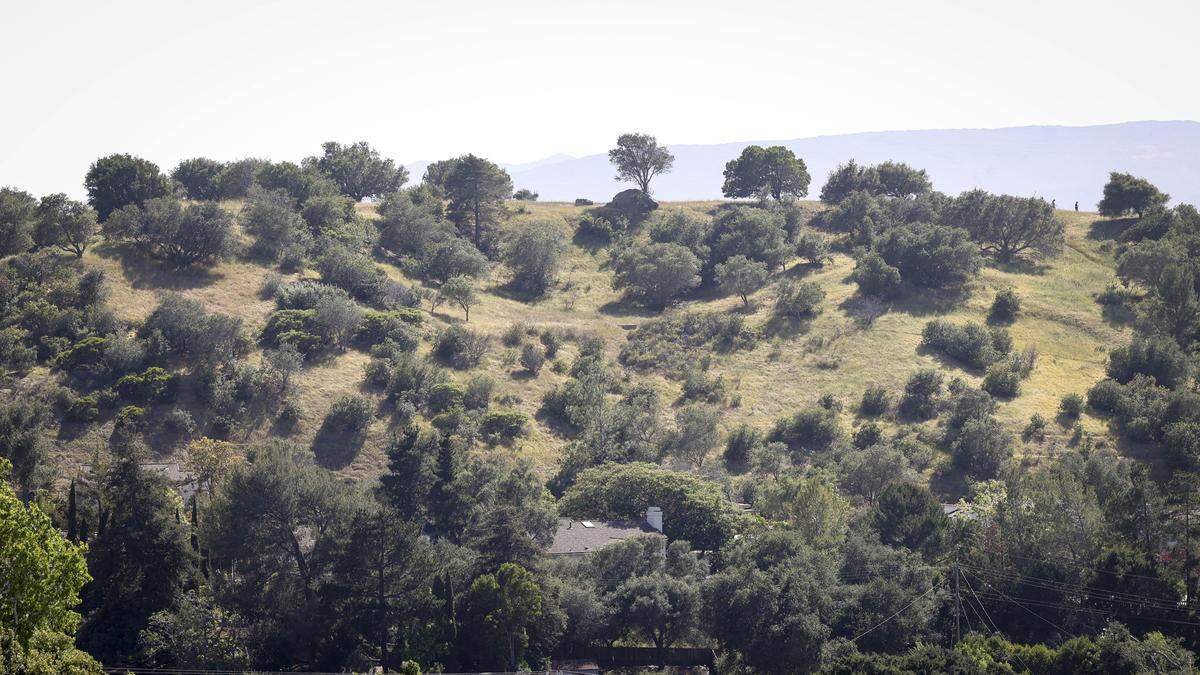
Fake lives in Buena Vista Estates, a San Luis Obispo neighborhood nestled at the base of Terrace Hill with a view of High School Hill. Wedged between two open spaces, the neighborhood is at greater risk for wildfire. In fact, Cal Fire designated the area as a very high hazard severity zone last year.
With the goal of reducing fire risk, the Buena Vista Estates Homeowners Association trimmed communal vegetation, made a wildfire action plan and applied to the National Fire Protection Association to be designated as a Firewise USA Community.
In February, Buena Vista Estates was certified as a Firewise Community — the first neighborhood in the city to do so.
This means the neighborhood prepared its property so its more resilient to wildfire, San Luis Obispo City Fire Department emergency manager Joe Little said.
A Firewise Community status doesn’t come with fees or fines if the neighborhood stops following its vegetation and emergency management plans, Little said. Instead, the neighborhood would just lose its designation — which doesn’t have any direct consequences, he said.
SLO neighborhood prepares for wildfire
The Bunea Vista Estates neighborhood includes 27 homes and about 10 acres of shared common areas, including a landscaped picnic area and a portion of the base of Terrace Hill. Dry grasses and woody trees grow on the rugged hillside, waiting like matches for an errant ember.
After Cal Fire added the neighborhood to the highest fire severity zone last year, some homeowners lost their fire insurance, Fake said.
With changes to insurance policies and memories of the Lizzie Fire burned into their minds, some of Fake’s neighbors reached out to the city seeking home inspections to reduce fire risk on their individual properties.
Little then introduced the option of becoming a Firewise Community to the Homeowners Association, and the group collaborated with the Fire Department, city biologist and city arborist to present the idea to the neighborhood in September.
“Most people are pretty excited about it and willing to do the work,” Fake said.
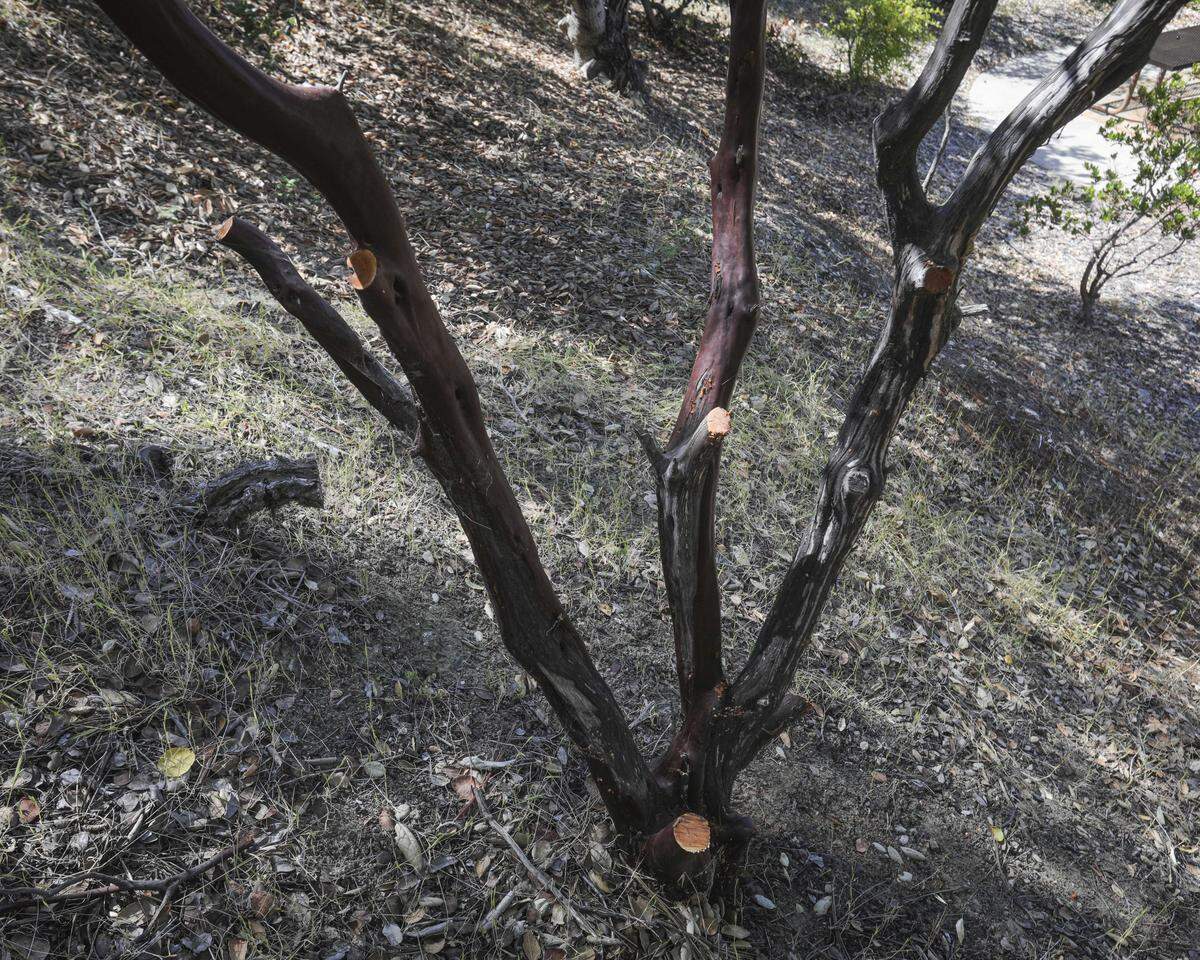
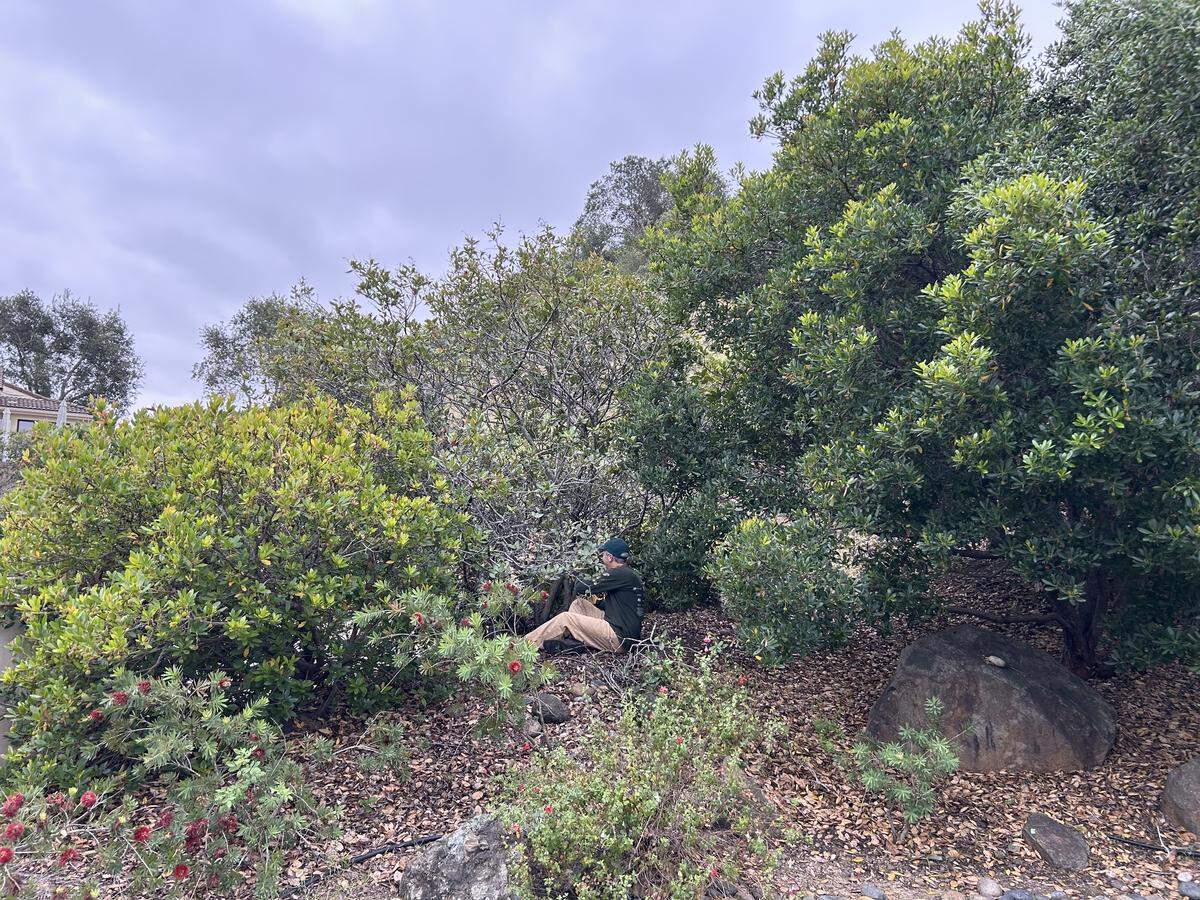
The Fire Department inspected the neighborhood and advised residents to trim communally owned trees and bushes, so the branches were off the ground. This prevents a fire from spreading into the tree canopy and the built environment, Little said.
Meanwhile, some people trimmed large trees in their yards, so the branches no longer sat on their chimneys and roofs, he said.
The goal wasn’t to remove all vegetation from people’s yards. It was to ensure the vegetation was well-maintained.
“We all want mature landscaping in our yards, but it hits a critical point where it goes from being mature to kind of being feral, and you end up with trees hanging over homes, dropping leaf debris all over houses, filling up rain gutters,” Little said. “Those are just pathways into the home for fire.”
The neighborhood also created a wildfire management plan, which outlines how often shared vegetation should be maintained.
The Homeowner’s Association submitted its application to the National Fire Protection Association in February and received the Firewise designation within two weeks.
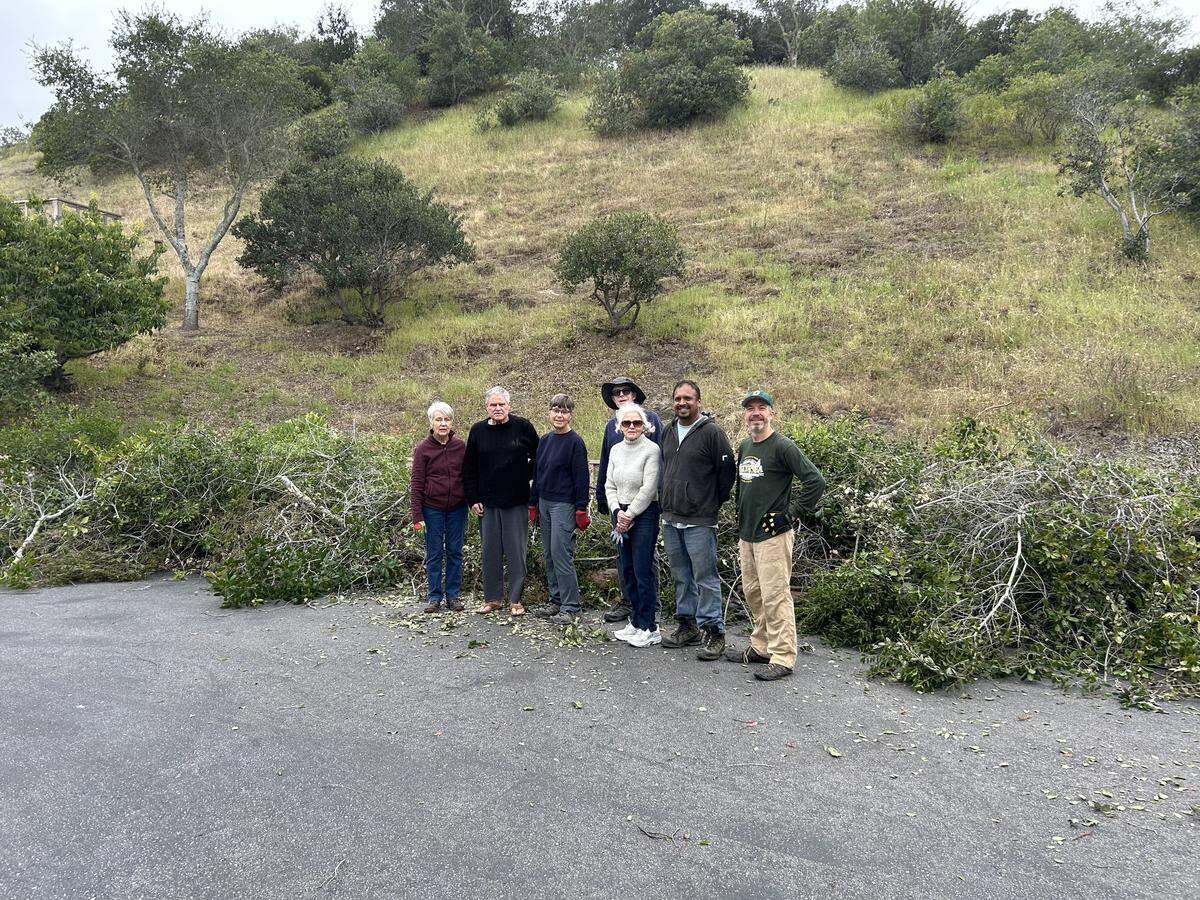
On April 25, the Buena Vista Estates hosted a community work day, where neighbors gathered to trim tree branches and clear leaves and brush under the trees.
Little said the Firewise designation encourages neighborhoods to collaborate on fire prevention, which prepares them to support each other during an emergency.
How to become a Firewise Community in SLO
Creating a Firewise Community takes a number of steps.
First, residents must form a five-person committee with their neighbors, then define the Firewise site boundaries and schedule a meeting with Little, the city’s website said.
Then, they must complete a wildfire risk assessment, which examines the neighborhood’s defensible space, home hardening and ignition zones.
Then, neighbors make a wildfire action plan for their community. This will identify projects like creating defensible space, managing vegetation and hardening homes. The plan, which must be updated every three years, should also recommend homeowner actions during a fire.
Finally, the community applies for the designation through the Firewise USA portal. Once approved, the community must then submit an annual report. Normally, maintaining a Firewise designation requires only one hour of work per parcel per year, Little said.
The designation can help homeowners get a little break on their fire insurance, but “it’s not enough to make a difference,” Little said.
The true financial benefit of the designation is that it discourages insurance companies from increasing the cost of fire insurance policies or dropping people altogether from their coverage, he said.