Wildfire risks in SLO County are ‘very high.’ Here’s how to protect your home
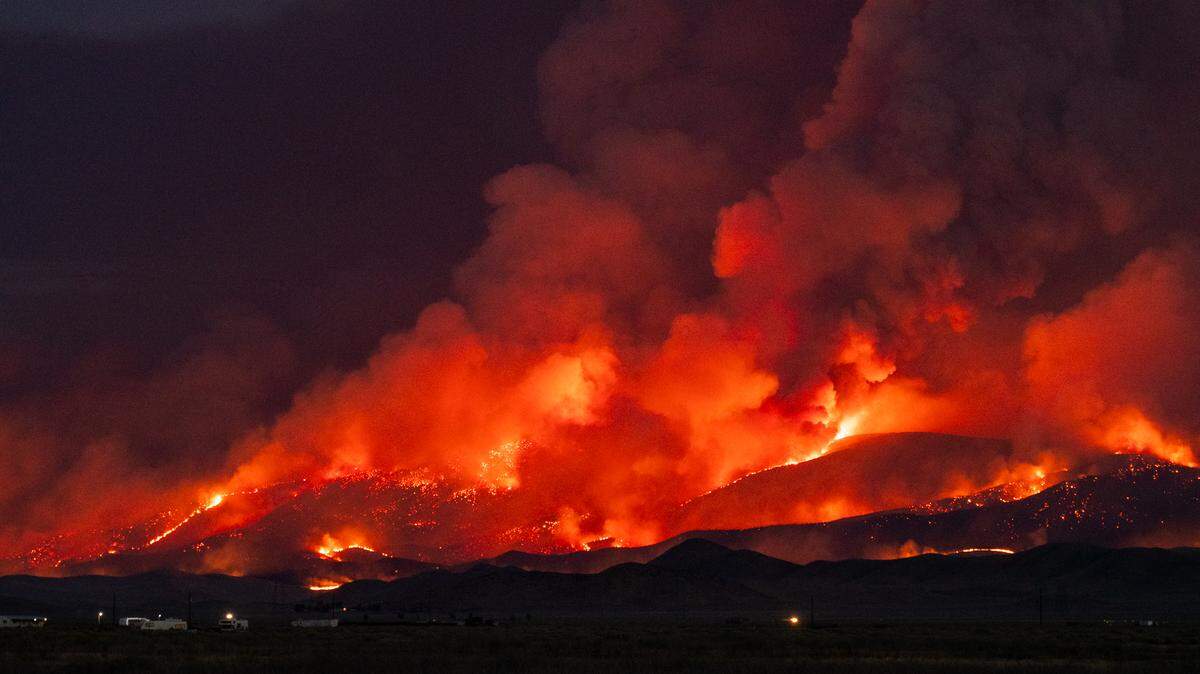
Two of California’s largest wildfires in 2025 broke out in San Luis Obispo County.
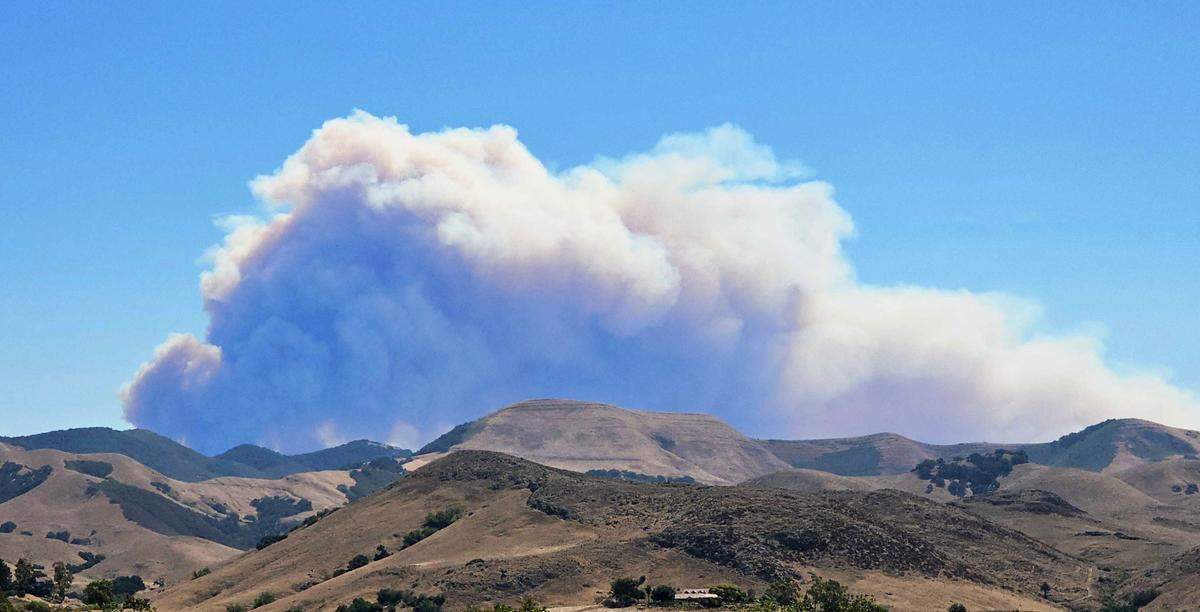
In July, the Madre Fire burned nearly 80,800 acres in the county. A month later, the Gifford Fire scorched more than 131,000 acres across SLO and Santa Barbara counties.
SLO County has a “very high risk” of wildfires — higher than 98% of counties in the United States, according to the Wildfire Risk to Communities website created by the U.S. Forest Service.
California is experiencing longer fire seasons and starting earlier according to a 2025 research study published in Science Advances, the American Association for the Advancement of Science’s journal.
“As homes continue to be built in fire-prone areas, being prepared is even more important,” the San Luis Obispo County Office of Emergency Services said.
Here’s how to prepare for wildfires in SLO County:
What causes wildfires?
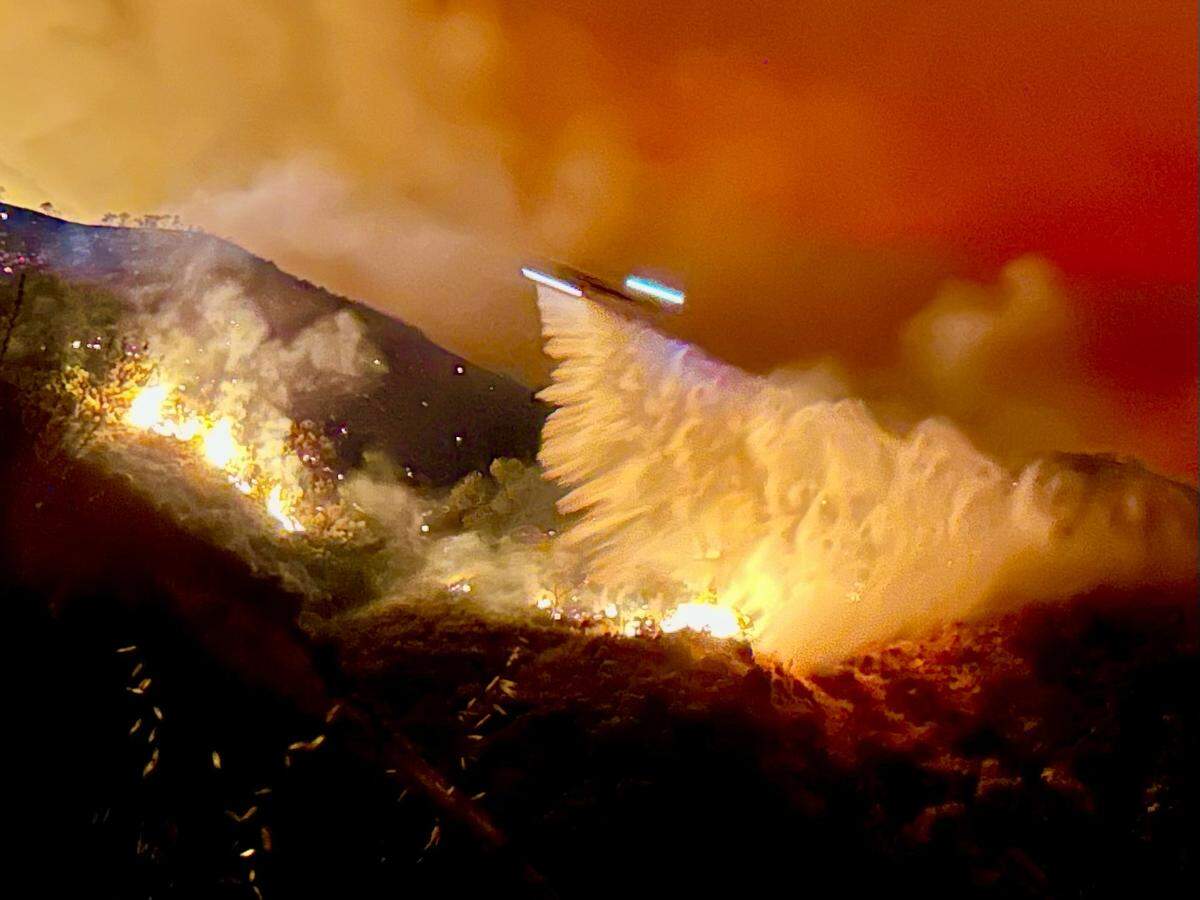
According to Frontline Wildfire Defense, wildland fires start when heat sources come in contact with fuel such as dry vegetation.
“High winds bring fresh oxygen to embers, fanning flames and making a fire burn hotter,” the fire defense systems company said.
Lightning strikes, volcanic eruptions and even intense sunlight can spark flames, Frontline Wildfire Defense said.
However, about 88% of wildfires in the United States between 2013 and 2023 were caused by humans, according to the National Interagency Fire Center.
Human-related causes of wildfires range from campfires and discarded cigarettes to car crashes, fallen power lines and fireworks, Frontline Wildfire Defense said.
Arson is another leading cause.
“One of the most common causes of wildfires is escaped embers from burning debris,” the company said. “On a particularly windy day, escaped embers can carry for miles while staying hot enough to start a new fire.”
What are current drought conditions in California?
California and Nevada typically experience a “distinct dry season” May through September, leading to elevated wildfire risks, according to the National Integrated Drought Information System.
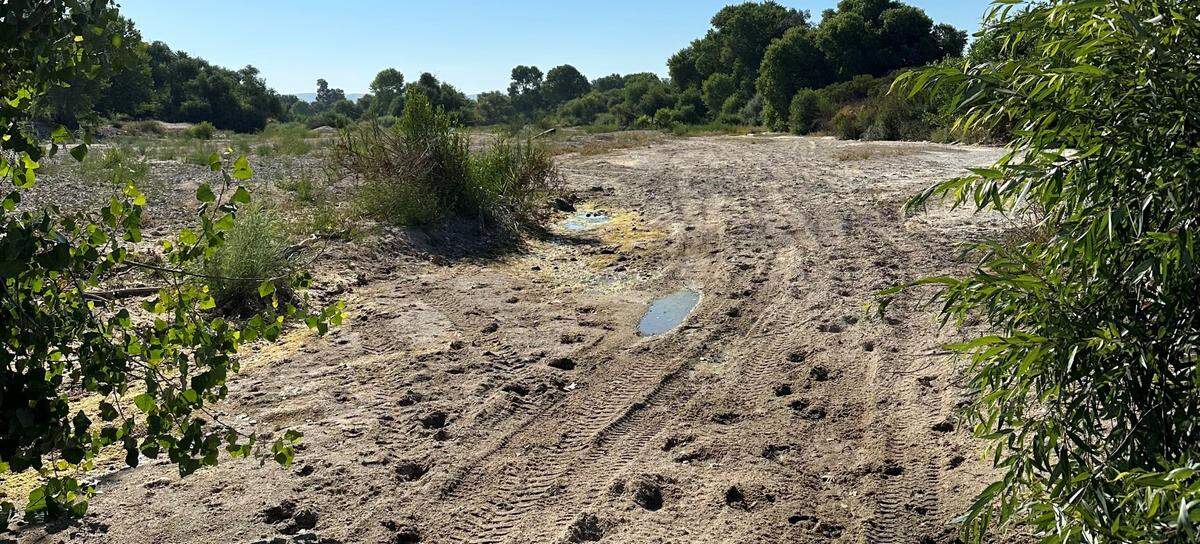
As of April 30, more than half of California was has “abnormally dry” with some areas in the northern part of the state experiencing “moderate drought” conditions, according to the U.S. Drought Monitor.
However, San Luis Obispo County was drought-free as of April 30, the monitor indicated.
“Droughts are a natural feature of California’s climate and are becoming even drier due to human-induced warming,” the California Office of Environmental Health Hazard Assessment said on its website.
The state is experiencing “more severe droughts” as part of “weather whiplash,” a climate pattern featuring dramatic shifts between heavy rainfall and long dry spells, the agency added.
What’s the forecast for fire season in California?
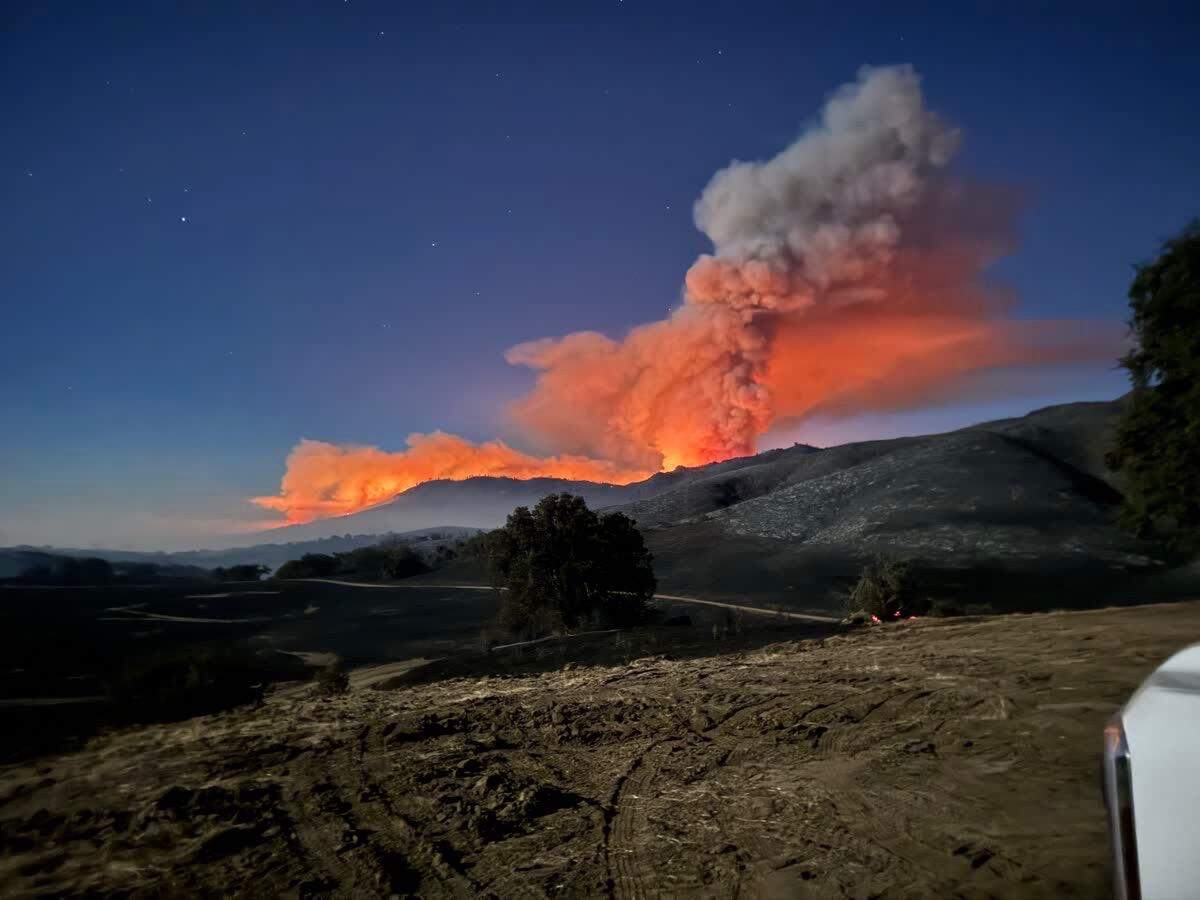
In 2026, Northern California is expected to see a “steady warming and drying trend through early summer,” according to a seasonal outlook from the California Department of Forestry & Fire Protection.
Southern California is forecasted to “remain warmer and drier than normal” during the same time period, Cal Fire said, with below-normal precipitation, above-normal temperatures and a shallower-than-normal marine layer keeping moisture levels low.
That could lead to increased fire activity across the state, Cal Fire said.
“The spring season brought record-breaking heat to California early, which has rapidly melted off a meager snowpack from the winter season,” AccuWeather meteorologist Brandon Buckingham said in an April 22 article.
That could contribute to fires in the foothills and agricultural areas in late May and early June.
Fire danger in California may increase as the summer progresses, especially in inland valleys and lower-elevation areas, according to Accuweather.
How to prepare for wildfires in SLO County
Before a wildfire threatens your property, the SLO County Office of Emergency Services said, there are steps you can take to protect your home and your family.
That includes having an evacuation plan in place and creating a safety zone around your home. .
Experts recommend safety zones of 30 to 100 feet for most homes, with larger safety zones for homes on steep slopes or in forests.
Here are other things you can do to prepare for fire season:
- Remove all flammable vegetation around your home
- Regularly clean your roof and gutters.
- Enclose eaves and overhangs.
- Thin a 15-foot space between tree crowns and remove limbs within 15 feet of the ground
- Remove dead tree branches that extend over the roof
- Prune tree branches and shrubs within 15 feet of a stovepipe or chimney outlet
- Clear a 10-foot area around propane tanks and barbecues
- Dispose of fireplace and grill ashes appropriately.
- Store firewood at least 100 feet away from your home, preferably uphill
It’s also important to maintain an “adequate water source” such as a well, pool or hydrant, the county Emergency Services Office said.
You should have garden hoses and ladders handy so you can reach all areas of your home.
What should I do if a wildfire is on the way?
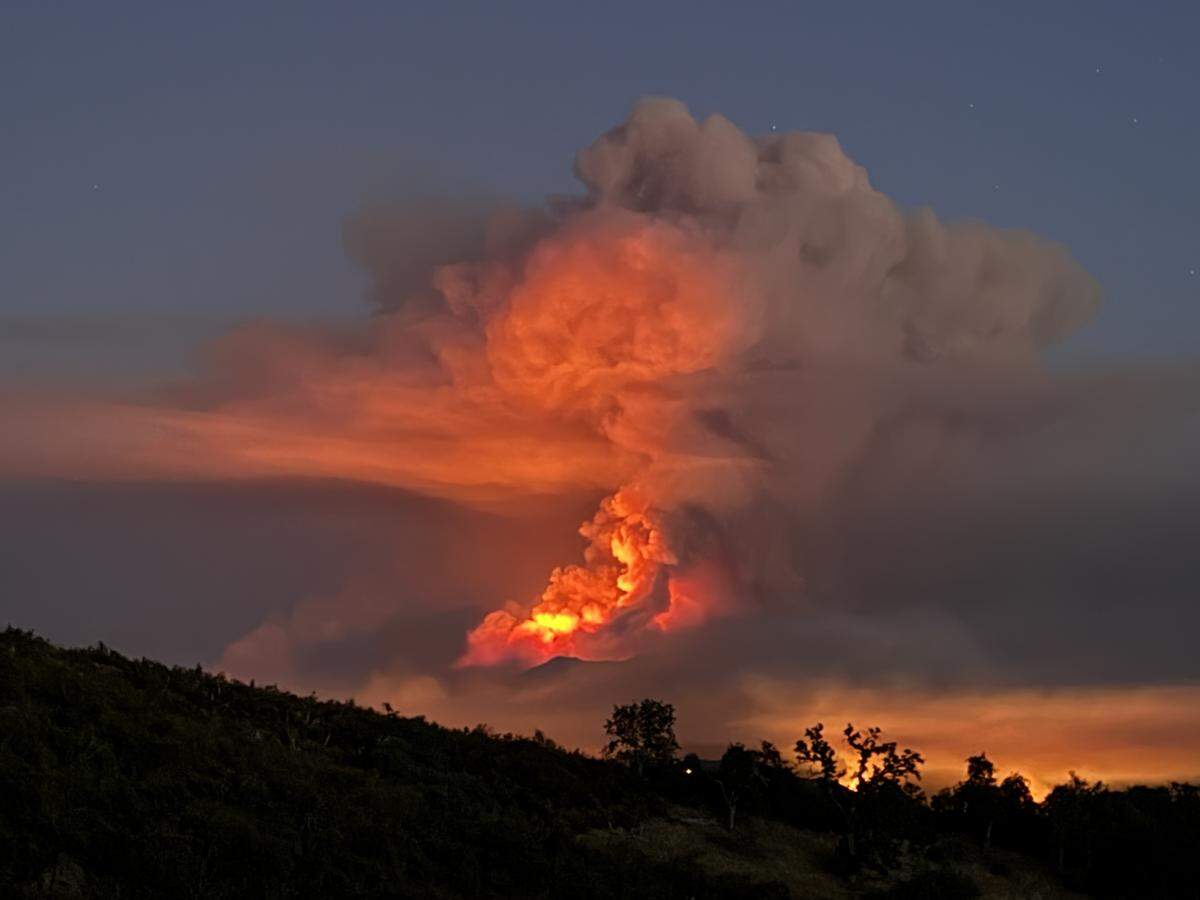
If a wildfire is headed toward your home but not an “immediate threat,” you should take time to prepare, according to the SLO County Office of Emergency Services.
Here’s what to do if you have “plenty of time” to spare, county officials said:
- Close windows, vents and doors.
- Remove lightweight curtains
- Pull flammable furniture away from windows and glass doors.
- Seal attic and ground vents with plywood.
- Turn off propane tanks.
- Ensure garden hoses are connected to outside taps.
- Place a ladder against the house in plain view for emergency personnel.
- Disconnect automatic garage door openers and close the garage door.
- Remove shrubs within 15 feet of the home.
Meanwhile, back your car in your garage, leaving the keys in the ignition.
You should also place pets and a disaster kit inside your vehicle, and put on protective clothing.
“If you are told to evacuate, do so immediately,” the county Emergency Services Office said.
When you leave your home, turn on lights to make your house more visible, and “leave doors unlocked to enable firefighters to make entry if necessary,” county officials said.
What SLO County towns participate in Firewise USA?
The National Fire Protection Association helps create safe environments and protocols for fires across the United States.
The association said it aims to “help save lives and reduce loss with information, knowledge and passion.”
The National Fire Protection Association created a “community-based wildfire preparedness program,” FireWise USA, that helps residents understand fire risks and take action.
There are currently 10 communities in SLO County participating in the FireWise USA program.
Arroyo Grande has four FireWise communities: Varian Ranch Homeowners Association, Monte Sereno, La Ventanas Ranch and Ranchita Estates.
Other Firewise USA communities include Oak Ridge Estates in Atascadero and Lake Nacimiento and Heritage Ranch near Paso Robles.
You can also find sites in Cambria, Los Osos and Avila Beach.
This story was originally published May 6, 2026 at 5:00 AM with the headline "Wildfire risks in SLO County are ‘very high.’ Here’s how to protect your home."
CORRECTION: A previous version of this story incorrectly identified the Madre Fire as the Madrid Fire. The error has been corrected.