Lithium batteries are causing fires in SLO County. How to safely store them
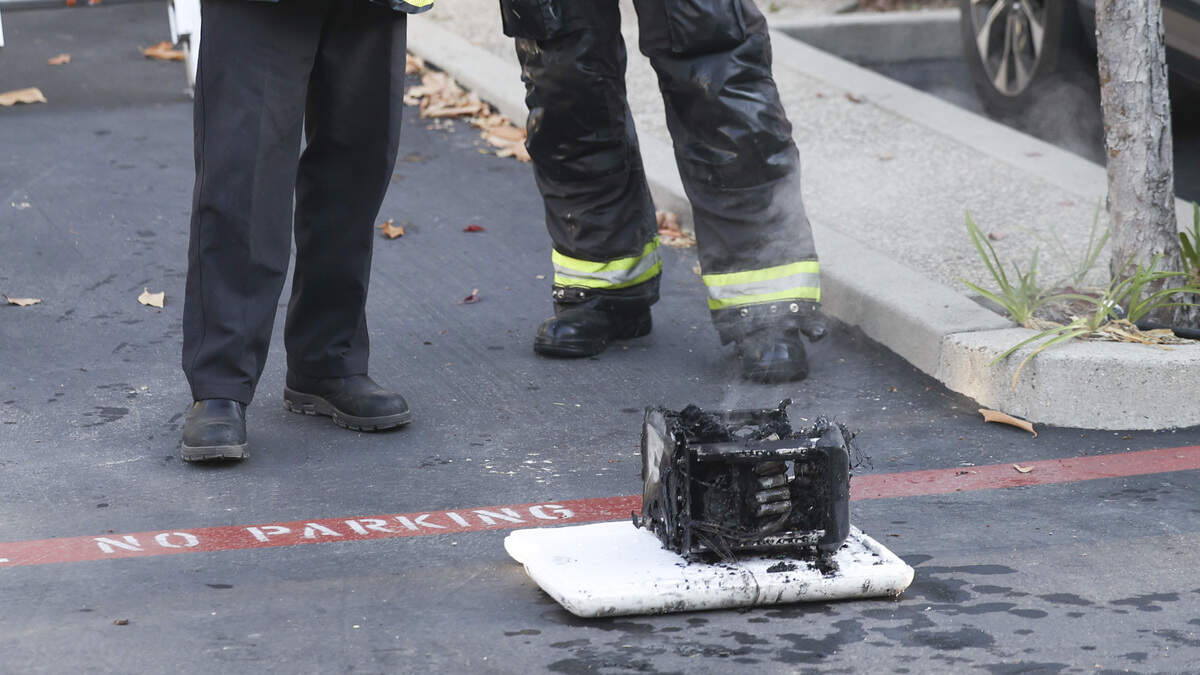
Are your batteries hissing or warm to the touch? This could be a sign of a damaged battery, which needs to be contained immediately.
On Friday, April 24, a lithium-ion battery caused a garage fire that sent one person to the hospital in San Luis Obispo. Last year, there were at least six incidents of rechargeable battery fires in SLO.
Batteries can pose risks, especially if you don’t know how to properly store them.
Here’s what to know about how to use and store batteries safely in your home:
What are the different types of batteries?
According to R & D Batteries, there are six types of batteries that have different power requirements and characteristics.
Alkaline batteries are the most widely used types of non-rechargeable batteries, the battery company said. “Known for reliability, affordability and a long shelf life, this type of battery can probably be found in just about every household.”
Alkaline batteries come in various sizes like AA, AAA, C, D and 9-volt. Along with their consistency, high energy output and durability, the multiple sizes make the batteries more functional for household use.
Modern electronics use lithium-ion batteries that are rechargeable.
R & D Batteries said, “these batteries have a significantly higher energy density compared to alkaline batteries, which means they can store more energy in a smaller, lighter package.”
Lithium batteries are also cost-effective as they can be charged over and over again, lasting years.
Another rechargeable battery is the nickel-cadmium, known for its durability and performance in extreme temperatures.
Nickel-cadmium batteries are typically found in power tools, vacuums and some medical devices, as the batteries can produce stable voltage for a wide range of intensities. These batteries are not environmentally friendly, according to R & D Batteries, so use has declined over the years.
As another common household battery, “zinc-carbon batteries are some of the oldest and most cost-effective non-rechargeable batteries available today.” The battery company said. These batteries typically don’t perform well with high-draining devices, as its power output declines more rapidly. Although, zinc-carbon batteries are typically cheaper than alkaline or lithium-ion batteries.
Larger and heavier batteries are most likely lead-acid batteries as they offer a high power surge. These batteries are used in the automotive industry but have short lifespans due to consistent maintenance.
Button cell batteries are coin sized batteries found in watches, calculators and key fobs. R & D Batteries said, “button cell batteries are available in a variety of chemistries, including zinc-carbon, alkaline and lithium. Depending on the chemistry, button cells can offer different levels of energy capacity and performance.”
Even though the batteries are small, they give steady power output.
Should you leave a battery on the charger indefinitely?
Lithium-ion batteries can be overcharged, according to Sun Rich Energy.
When a battery is left on the charger after receiving the maximum voltage, “the chemistry is stressed, potentially causing permanent damage or safety hazards,” the battery company said.
Compared to lead-acid batteries, lithium batteries tolerate overcharging far less and can quickly cause degradation and risks.
The excessive voltage when lithium batteries are left plugged in when they are fully charged, can cause overheating and internal pressure.
Newer lithium batteries are being manufactured with built-in protections that cut off charging once the battery is full. Always use the same power cord given with the rechargeable battery as some cords may not have a cut-off feature, Sun Rich energy said.
Where’s the best place in your house to charge these batteries?
Lithium batteries should not be placed on the charger if the charger or battery is damaged, The National Fire Protection Association said.
These batteries are sensitive to extreme temperatures so lithium batteries need to be stored in a dry area that is not too hot or cold.
“When it comes to e-bikes, e-scooters and electric vehicles, the safest place to charge these devices is outdoors away from any structure or enclosure and not in direct sunlight,” the fire safety company said.
Where should you store batteries?
Batteries Plus listed some tips on how to store batteries in your home.
- Store batteries in a cool, dry place
- Keep batteries in their original packaging
- Separate different types of batteries
- Remove batteries from devices not in use
- Use the first-in, first-out method
- Keep batteries away from flammable objects
- Check battery expiration dates
Batteries can perform poorly or leak if positive and negative terminals touch, batteries touch metal objects or different types of batteries are stored together like alkaline and lithium batteries.
The electronics company also said that mixing new batteries with old ones can drain them or cause leaks or overheating. When sorting batteries, the “first in, first out” method entails using the oldest batteries first and placing new ones in storage.
Batteries can leak if they sit inside a device being unused for extended periods of time.
If storing rechargeable batteries, the best practice is to store them with the battery life at about half as leaving them completely drained or fully charged can affect their lifespan.

What types of batteries are the most at risk of fire?
Lithium-ion batteries seem to be one of the most at-risk of fire.
Thermal runaway can happen with lithium-ion batteries and is when a battery’s temperature rises uncontrollably. This can cause the battery to release gas or explode.
Overcharging, overheating and damage can lead to thermal runaway.
This reaction can be seen in any type of battery but some lithium-ion batteries are more prone to fires because the chemistry inside the batteries break down at a lower temperature than other batteries. The breakdown releases oxygen and fuels the internal fire, according to Eco Flow.
What do you do when a battery catches on fire?
If a lithium battery catches on fire in your home, follow these steps from Sun Rich Energy:
- Evacuate people immediately
- Call emergency services
- If the fire is small and safe, use ABC dry powder, Co2 or foam extinguisher
- Never put water on large fires
- Wait for the fire department
How do you throw away batteries?
In San Luis Obispo County, batteries can be thrown away at a hazardous waste facility. The county has six facilities.
Retailers that sell household batteries also have battery recycling programs for free, under California law.
For damaged or defective batteries, The Battery Network said to isolate the battery immediately. Place it in sand or kitty litter as they are non-flammable materials. Then, contact a local household hazardous waste facility to get instructions on where to dispose of the batteries.