Coyote attacked California boy in driveway. Here’s how to keep kids, pets safe
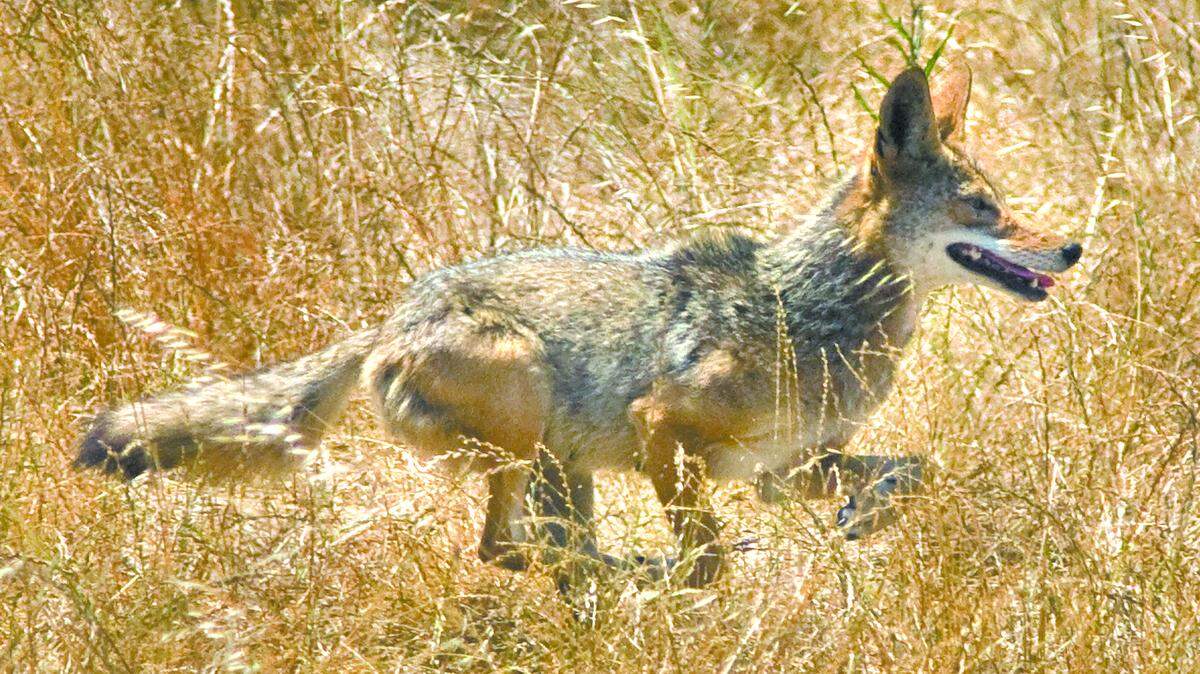
Saw a coyote in your backyard?
Coyote sightings are becoming more common in suburban areas across California, according to Citizens for Los Angeles Wildlife.
In April, a coyote attacked a 4-year-old boy while he was standing in his grandmother’s driveway in Carson, according to media reports.
“All of a sudden, I just hear him screaming,” the boy’s mother, Sarina Donohoo, told KABC-TV on April 7. “I turned around and I screamed as well because I see the coyote on the top of him.”
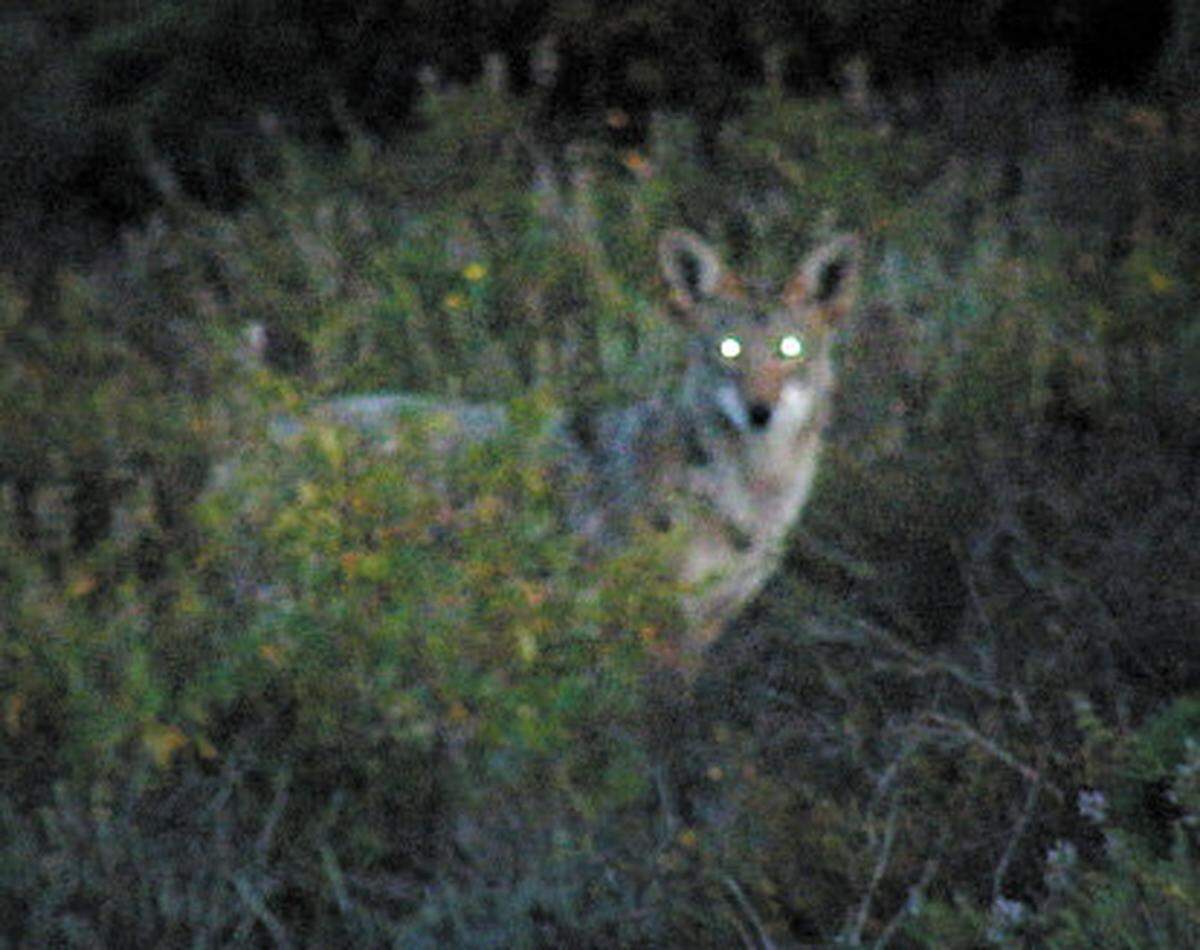
An iNaturalist observer spotted a coyote at night roaming the streets of Pismo Beach on Thursday, April 30.
Coyotes are native to California and can be found in rural, residential and urban areas, according to The California Department of Fish and Wildlife.
Here’s how to stay safe when wildlife are present.
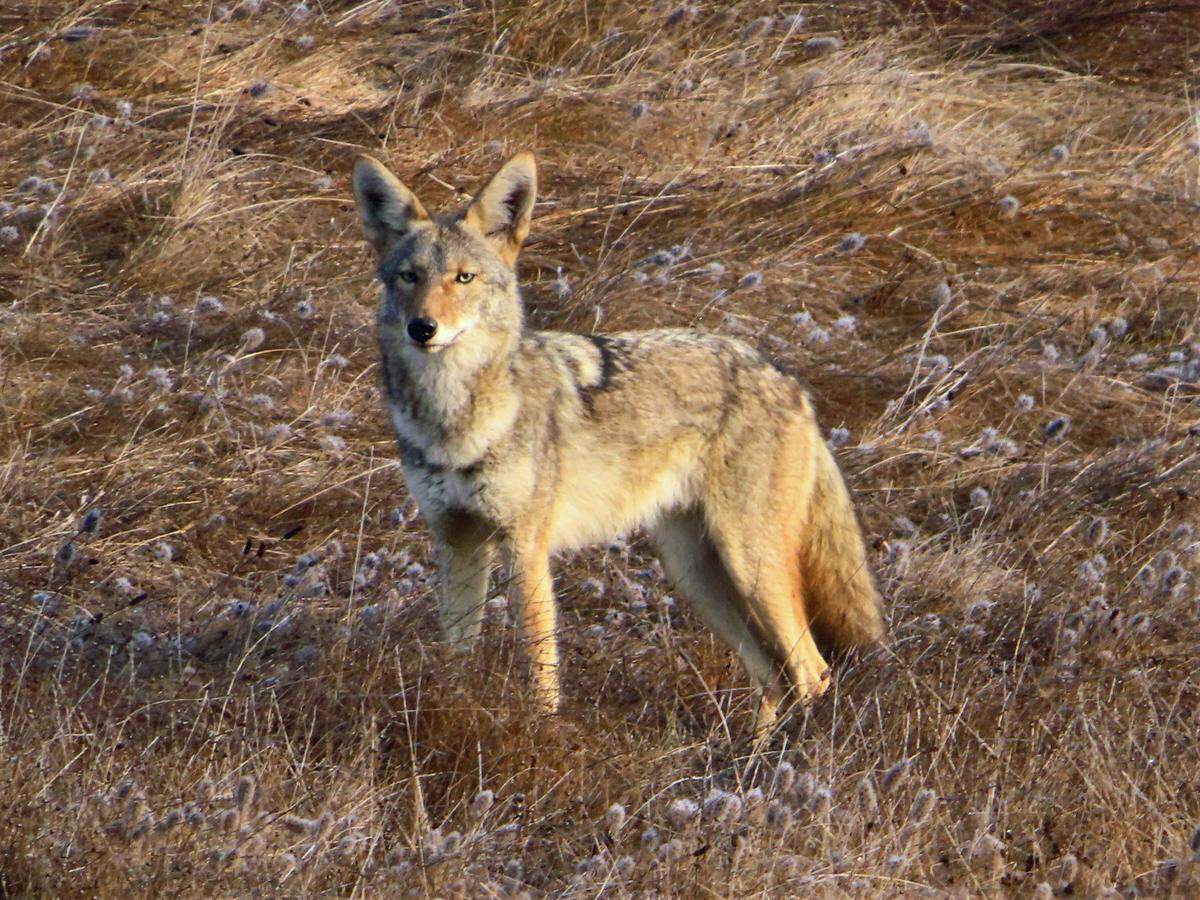
How to identify a coyote
Coyotes are related to wolves, foxes and dogs, the National Park Service said.
They have upright ears, bushy tails and long, narrow snouts, with lean bodies covered with brown or tan fur, the park service said, noting that “they look similar to some dog breeds.”
An adult coyote is roughly the same size as a medium-sized dog, typically weighing 20 to 35 pounds.
In addition, coyotes have yellow or golden eyes while dogs’ eyes come in a wide range of colors, according to Field and Stream.
Coyotes typically live in groups and have territory ranges where they hunt and raise pups.
You’re more likely to see or hear coyotes during mating season in December, January and February, and when coyote pups are leaving their families in September, October and November, according to Project Coyote.
“Coyotes may be more protective of dens/territories during pup rearing” in April through August, the coyote advocacy organization said.
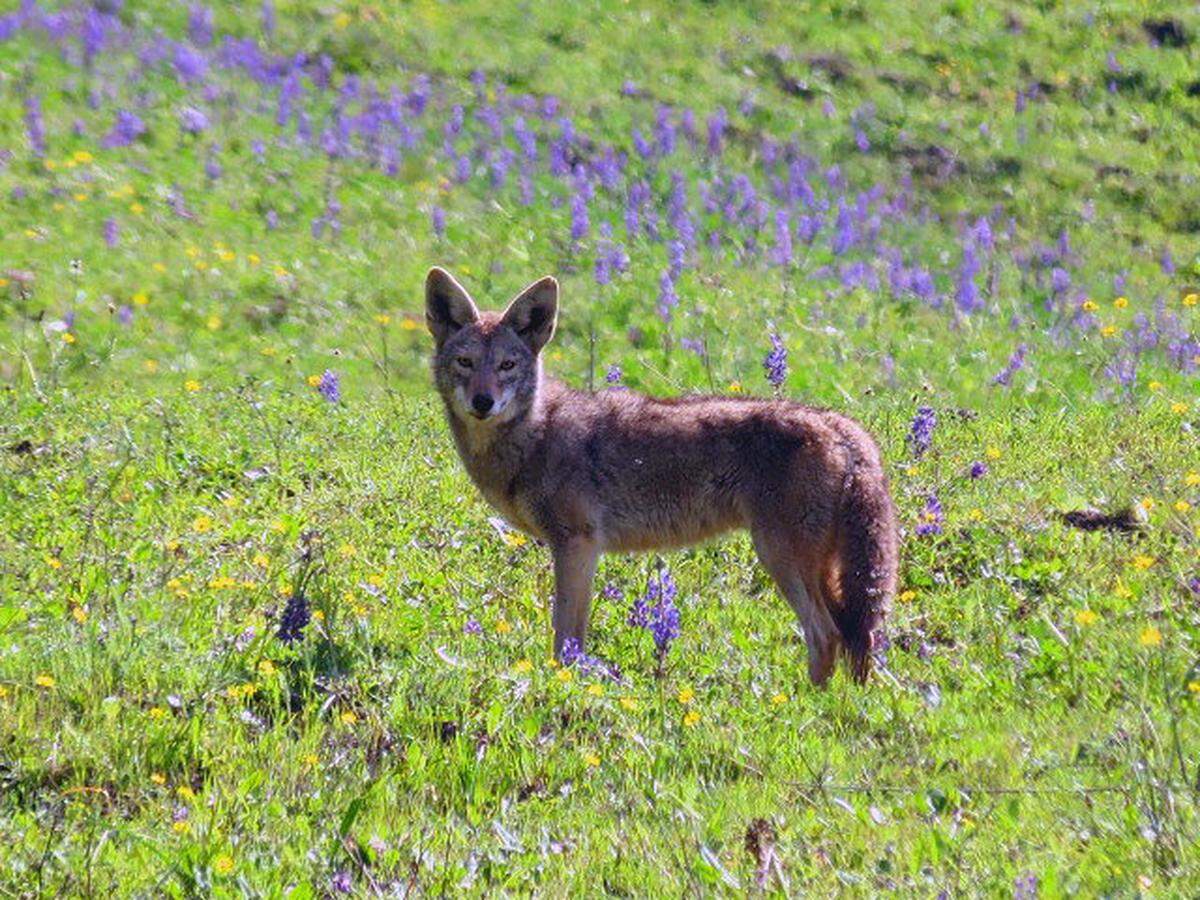
Where can coyotes be found in California?
“Coyotes are our neighbors and have adapted to living in human-altered landscapes,” the National Park Service said.
The furry predators can “live in almost any habitat in California, from arid deserts in the south to wet meadows and foggy coastal regions in the north,” the University of California Agriculture and Natural Resources said. “In recent decades, they have become more numerous in many suburban environments where an ample food supply is available.”
In San Luis Obispo County, coyotes have been spotted in locations including Cambria, Morro Bay, Nipomo, Oceano, San Luis Obispo and Santa Margarita, according to iNaturalist, a website that helps identify plants and animals.
A dog was rescued from coyotes in Lake Nacimiento in November, The Tribune previously reported.
Coyotes can also be found in Los Padres National Forest and the Carrizo Plain, according to Los Padres ForestWatch and the Carrizo Plain Conservancy.
Are coyotes dangerous?
“Most wild animals, including coyotes, naturally avoid or fear humans,” the California Department of Fish and Wildlife said.
However, some coyotes have “seemingly lost their fear of humans” while living in residential neighborhoods, parks and open spaces, the University of California Agriculture and Natural Resources said.
“Coyotes thrive in such areas because food, water and shelter are abundant,” the university said, “and coyotes living in these environments may come to associate humans with food and protection.”
As of April, there were two fatal coyote attacks on record, according to the Citizens for Los Angeles Wildlife. One fatal attack was in 1981 in California, and the other was in Canada in 2009.

How to stay safe from coyotes while outdoors
To avoid human-coyote conflicts, Project Coyote and the state Fish & Wildlife Department recommend following these tips:
- Don’t feed coyotes.
- Remove attractants by placing trash, recycling and pet food in secure bins.
- Do not leave food outside.
- Avoid areas where coyotes may be denning or feeding/hiding pups.
- Keep small livestock and poultry in secure pens at night.
- Install electric fencing when possible.
- Keep bird feeders clean.
The National Park Service said understanding the differences between threatening and non-threatening behaviors from coyotes is beneficial in preventing attacks.
How can I keep my pets safe from coyotes?
According to the California Department of Fish and Wildlife, you should never leave smaller pets unattended outside.
While on a walk, keep your pet on a leash and carry a whistle or other noisemaker to deter coyotes, the state agency said.
Bring cats, dogs and other pets inside at night.
What to do if you see a coyote
If you encounter a coyote, here’s what to do, state wildlife officials say:
- Keep a safe distance. Back away slowly
- Keep small children and pets close to you
- Make loud noises like capping, yelling and whistling
- Make yourself look bigger by waving your arms
- Let the coyote leave the area on its own
If the coyote makes contact with you, defend yourself and fight back, then call animal control or 9-1-1.
You can also contact your local animal services agency.
How can I report a coyote encounter?
If you spot a coyote in the wild, report your wildlife encounter to the California Department of Fish and Wildlife.
If you’re experiencing an emergency, call 9-1-1.
You can report a non-emergency incident by filling out a form online or calling your regional Fish and Wildlife office.
You can also report a coyote encounter to the Coyote Cacher, a data program run by UC Agriculture and Natural Resources that collects information coyote encounters.