Family of woman killed in SLO County stabbing push for victim notification laws
Cynthia Giambalvo’s death was avoidable, her stepdaughter says.
Cynthia and her husband Joseph were the victims of a knife attack in their Arroyo Grande home on Sept. 18.
Seventy-one-year-old Joseph Giambalvo survived the attack with multiple stab wounds, but 74-year-old Cynthia later died from her injuries at the hospital.
Prior to the attack, the Giambalvos had a restraining order until 2021 against the man accused of stabbing the couple. Fritz Schnoor, 35, has a history of severe mental illness and was previously accused of breaking into the couple’s home with the intent to hurt them in 2017, according to court records.
However, the Giambalvos’ restraining order expired without notice, and despite Schnoor’s repeated threats on their lives, the couple was not notified when he was released from mental hold facilities, Cynthia’s stepdaughter Laura Giambalvo told The Tribune.
“My parents should have been warned, regardless of a restraining order,” she said.
Laura believes if they were, her stepmother could still be alive.
Now, the family is seeking justice for Cynthia by advocating for mandatory notification requirements for families like the Giambalvos to be warned when individuals are released or when protective orders expire.
Laura started a GoFundMe to raise money for their families’ legal fees as they seek to change the law and hold accountable “those whose failures allowed this preventable tragedy.”
As of Monday afternoon, the fundraiser was three-fourths of the way to its goal of $20,000.
She asked for people who do not donate to the GoFundMe to instead consider giving to the St. Patrick’s Church in Arroyo Grande, where her parents have been volunteers of the outreach program for many years.
“We are so thankful for the community support — but we also want to make sure no other family has to go through this,” Laura said in the GoFundMe.
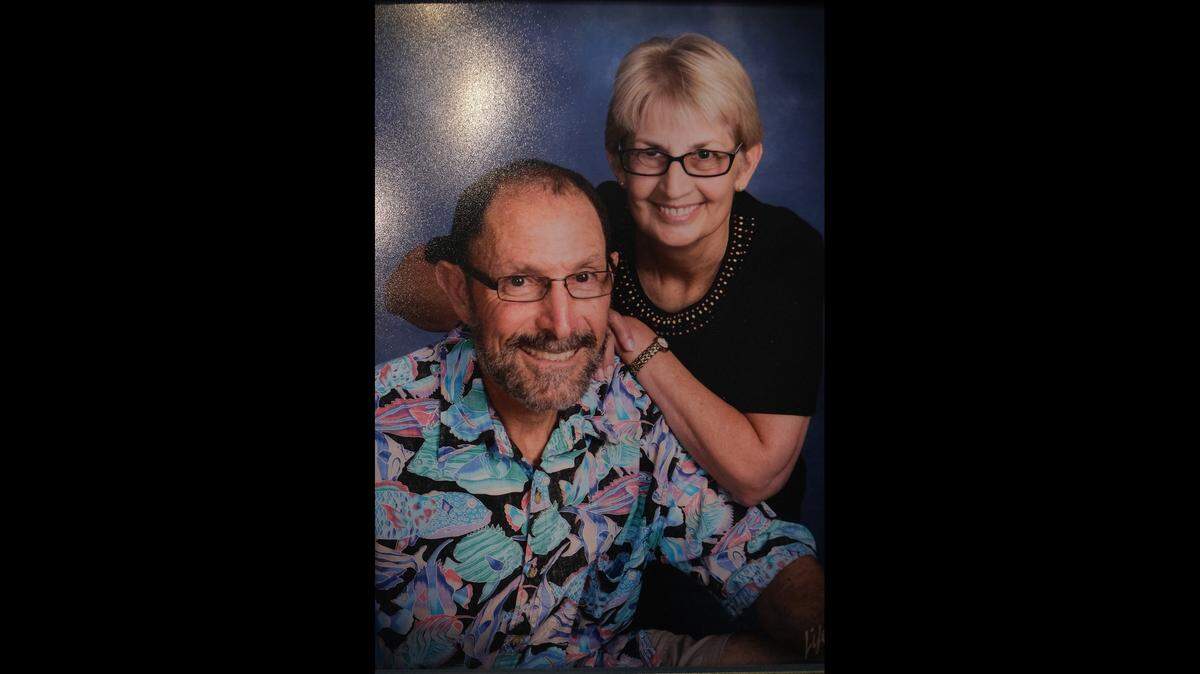
Family of stabbing victim advocates for legal change
As Schnoor faces felony criminal charges for murder, attempted murder and burglary, Laura and Joseph are seeking lawyers to file civil lawsuits and fight for victim notification legislation.
Laura said the restraining order process is “just not in favor of the victim.”
Her parents got only a temporary 30-day restraining order the first time their lives were threatened in 2017, Laura said. That was when Schnoor allegedly threw a brick through the Giambalvo’s window and entered their home holding a knife. The couple filed for another restraining order, which expired in 2021.
On the GoFundMe, Laura said her parents “lived in fear,” and installed security cameras and other protective measures to their home after the break in. Despite renewing their restraining order several times, Laura said, “the system failed them.”
Laura said Schnoor was released from the Atascadero State Hospital, which provides mental health services to inmates, three days before he allegedly returned to the Giambalvo home.
The hospital told The Tribune it could neither confirm nor deny if Schnoor was a patient.
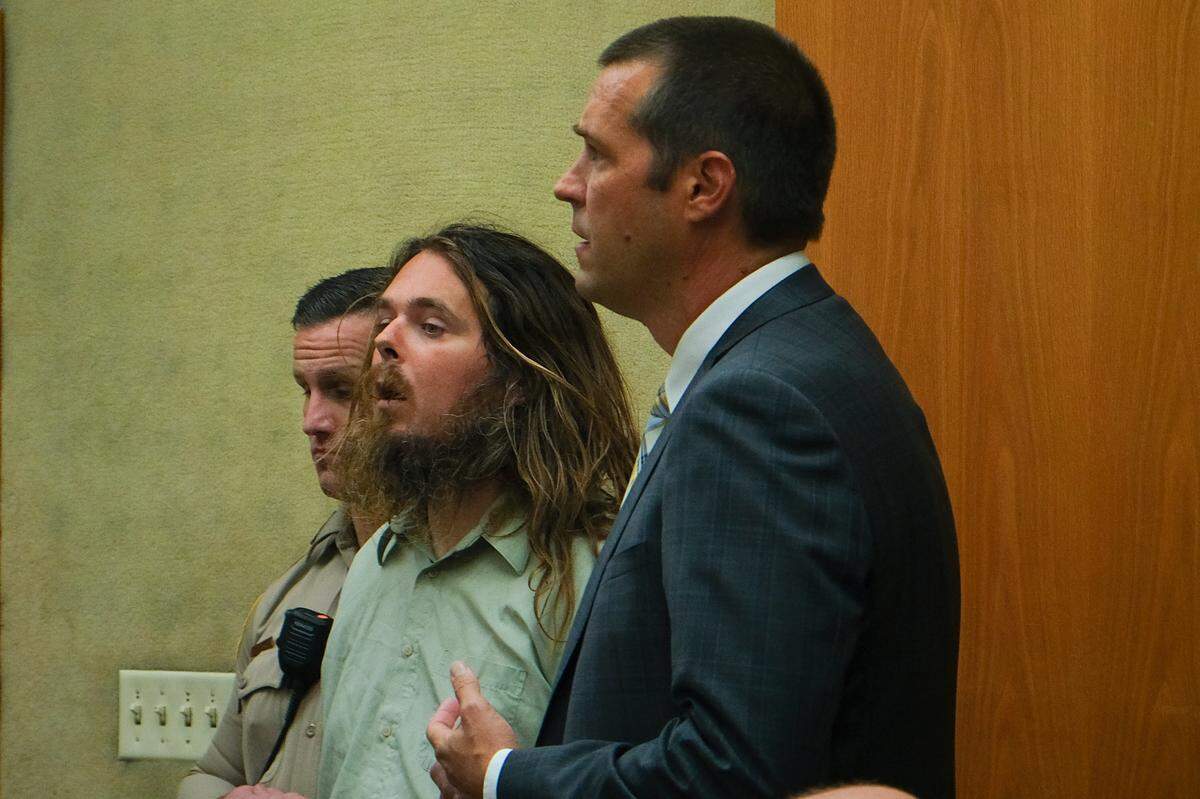
Laura believes her parents should have been notified of Schnoor’s release, according to a landmark California Supreme Court case from the 1970s.
Tarasoff v. Regents of the University of California held that mental health professionals have a duty to protect individuals who are threatened with bodily harm by a patient, allowing patient confidentiality to be overridden for the sake of public safety.
Now, Laura and Joseph are fighting to codify the legal precedent into “Cindy’s Law,” requiring victims to be notified when restraining orders expire or when individuals who have made threats are released from protective holds.
According to Laura, during a two-hour visit to the Giambalvo home in the wake of Cynthia’s death, District Attorney Dan Dow agreed “severe injustices” occurred.
She said the District Attorney’s Office promised to conduct a deep dive on Schnoor’s criminal and mental health history.
“We’re going to find out exactly where this all went wrong,” Laura said.
Dow did not immediately respond to The Tribune’s request to comment.
State may be held accountable, victim’s family says
In addition to fighting for a new law, Laura said her family is seeking to hold all responsible parties accountable, possibly including “a very large lawsuit against the state of California.”
The state lawsuit would depend on whether Schnoor was a patient at the Atascadero State Hospital and if the state confirmed his mother was competent to care for him before he was released back into her care. Laura believed she was not.
Any rewards that come as a result from any lawsuits would be donated back to the community in Cynthia’s name, Laura said.
“We want to help victims,” she said. “(That) is our main goal here.”

This story was originally published September 29, 2025 at 2:57 PM.