SLO once had a thriving Japantown. Now it’s a strip mall. What happened?
AI-generated summary reviewed by our newsroom.
- San Luis Obispo's Japantown thrived in the 1920s before WWII upheaval in 1942.
- Over 900 Japanese Americans were forcibly removed under Executive Order 9066.
- Eto Park and plaques on Brook Street preserve the memory of the lost community.
READ MORE
Historic SLO Neighborhoods
A multi-part series by The Tribune
Expand All
Editor’s note: This is the third story in a three-part series highlighting historic neighborhoods in San Luis Obispo. Two other articles focus on the city’s Chinatown and Little Italy neighborhoods.
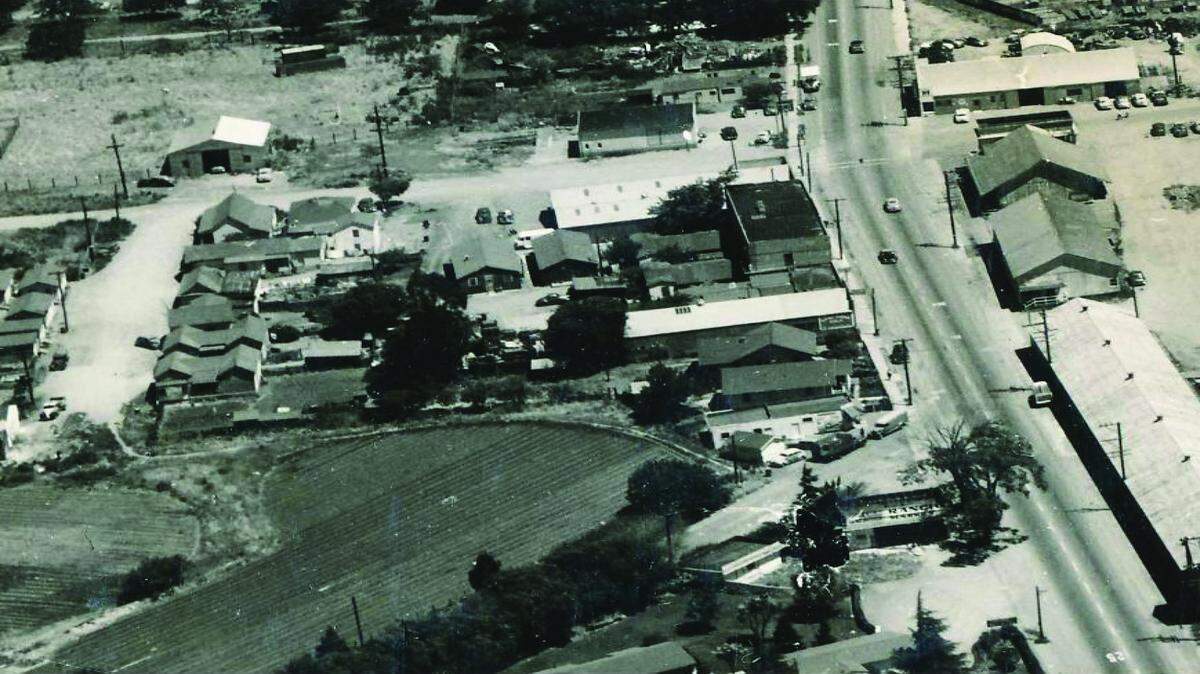
San Luis Obispo was once home to a thriving Japantown — a buzzing center for Asian-American culture and commerce sandwiched between South Street and French Road.
At its peak, a single long block of Higuera Street housed a fish and meat market, a grocery store, a barber shop and a hotel, according to Japantown Atlas, a site that tracks Japanese neighborhoods in California.
Now that neighborhood is mostly marked by a strip mall that includes Jiffy Lube, a Mexican restaurant and a liquor store.
A smattering of residential properties stand in the block behind the strip mall, along with a tiny church and a pocket park that holds some small markers of the hundreds of people who used to call SLO’s Japantown home.
For many SLO residents, the historic neighborhood is now only a blip on a map app.
“I remember discovering Japantown for the first time on Google Maps — it says Japantown, and then it’s a strip mall that has a Jiffy Lube, and that sounded entirely wrong,” said Thomas Kessler, former executive director of the History Center of San Luis Obispo County. “It turns out that it was a place where Japanese Americans had homes and businesses for quite a while.”
However, the community’s prosperity was upended in 1942 when hundreds of Japanese residents were forced out of the county and incarcerated at internment camps during World War II.
Here’s the history behind Japantown in San Luis Obispo.
What was SLO’s Japantown like in its heyday?
The ethnic enclave eventually known as Nihonmachi or Japantown arose when Japanese immigrant Yoroku Watanabe leased the property at 158 Higuera St. in San Luis Obispo in 1923, according to the History Center of SLO County.
The one-acre parcel across the street from the narrow-gauge Pacific Coast Railway was quickly developed into restaurants, a single-story hotel, a rooming house, a commercial garage, a fish market and a wholesale and retail grocery store.
In 1931, Japanese American Robert F. Fukunaga bought the complex and renovated the hotel, turning the wooden structure into a multi-story building with a brick facade.
The neighborhood represented the core of SLO County’s Japanese community, Kessler said, with many families finding success farming land in nearby Arroyo Grande, Los Osos, Pismo Beach and Nipomo.
In the early 1930s, behind the Higuera Street strip just off South Street, another burgeoning block was being developed by wealthy Los Osos farmer Tameji Eto. It was then known as Eto Street.
Eto was a leader in the local Japanese community and a patriarch of the county’s vegetable industry, according to a pamphlet from the history center.
“(Tameji Eto) came to America — the ‘land of opportunity,’ as we all hear,” his grandson Ron Kikuchi said in 2022, “and to do that, he had to be enthusiastic, fearless, have a vision and a goal, in spite of not speaking any English at the time. That’s amazing, isn’t it?”
Designated as the Nippon Tract by the city of San Luis Obispo, the street was lined with residential homes that acted as a safe space for families primarily of Japanese descent, according to the History Center of SLO County.
During this period, the Japantown neighborhood became the southern gateway to San Luis Obispo beside the newly designated Highway 101, the history center said.
What happened to SLO’s Japantown?
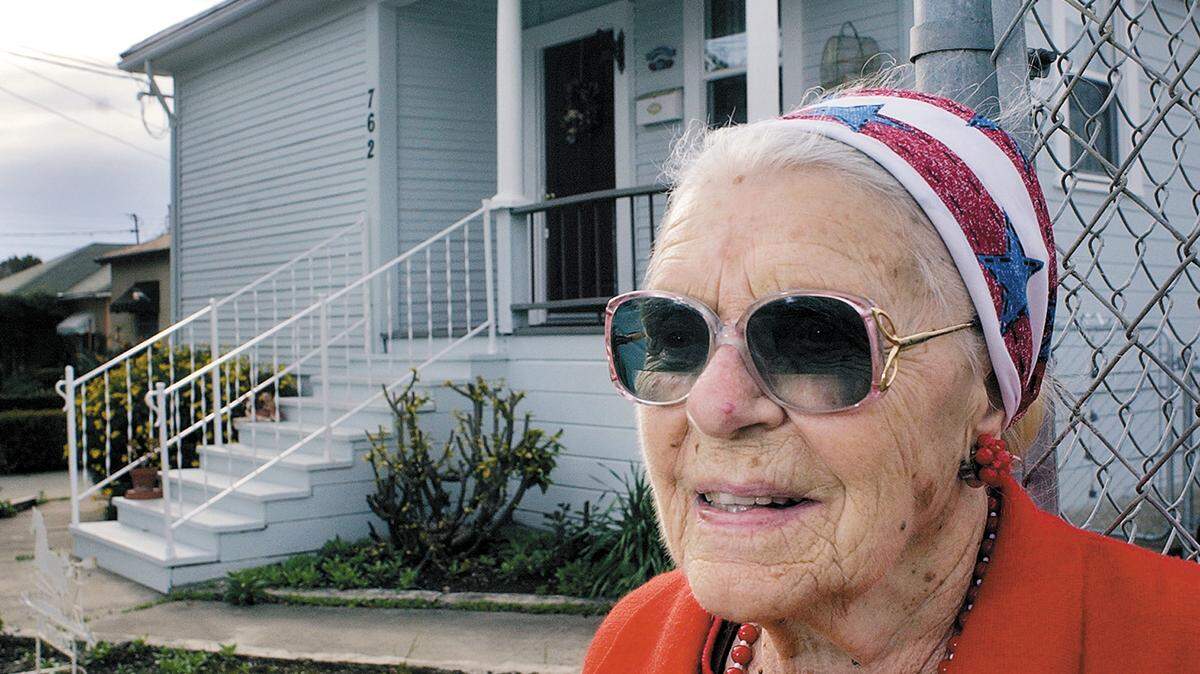
In the aftermath of Japan’s attack on Pearl Harbor, more than 900 Japanese Americans were forcibly removed from their homes and neighborhoods in San Luis Obispo County, according to a plaque in SLO’s Japantown.
The attack on Pearl Harbor Naval Base in Hawaii on Dec. 7, 1941, sparked national security fears, resulting in President Franklin D. Roosevelt signing Executive Order 9066 on Feb. 19, 1942.
The order authorized the forced removal of people “deemed a threat to national security from the West Coast to ‘relocation centers’ further inland,” according to the National Archives.
While the executive order didn’t identity one ethnic group, Japanese Americans were specifically targeted and then forcibly moved by the War Relocation Authority when many chose to not voluntarily vacate their homes.
Practically overnight, San Luis Obispo’s Japanese community was rounded up and the Japantown neighborhood nearly erased.
In 1942, the San Luis Obispo City Council passed an ordinance changing the official name of Eto Street to Brook Street, the plaque read.
Some of SLO’s Japanese residents chose to voluntarily enlist in the U.S. military after being incarcerated, according to previous Tribune reporting.
One American service member was Tameji Eto’s son-in-law, Leo Kikuchi.
During a ceremony celebrating the 20th anniversary of Eto Park in 2022, SLO Rotary Club member Jim Brabeck said that Kikuchi asked Tameji Eto for permission to enlist while they were both detained at internment camps in the southern United States.
“Tameji Eto, the patriarch of this family, said, ‘Leo, you must. You must enlist. And you must fight for this country — this is your country,’ ” Brabeck recalled.
Kikuchi fought in World War II and was killed in action while his family remained in internment camps.
After World War II, no Japanese residents returned to the Nippon Tract in San Luis Obispo and only a handful came back to the city, according to the commemorative plaque on Brook Street.
What does Japantown look like today?
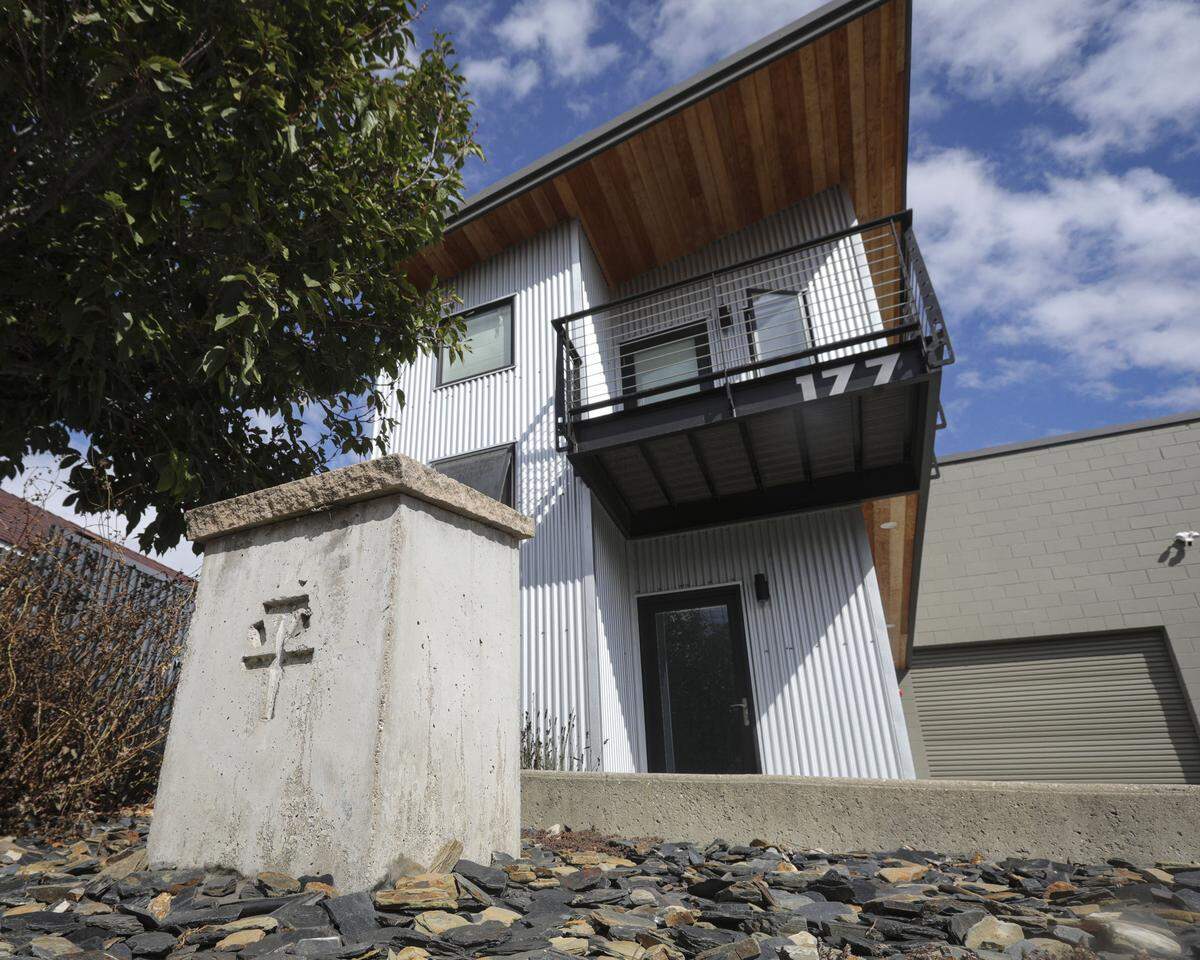
Brook Street still bears markers of the Japanese population that once called the neighborhood home.
A mustard-colored home has a plank of wood nailed to its porch with the text “Eto — Brook,” signifying the street’s past and present names, while a metal lined-plaque detailing the abrupt end of Japantown sits on a pillar halfway down the block.
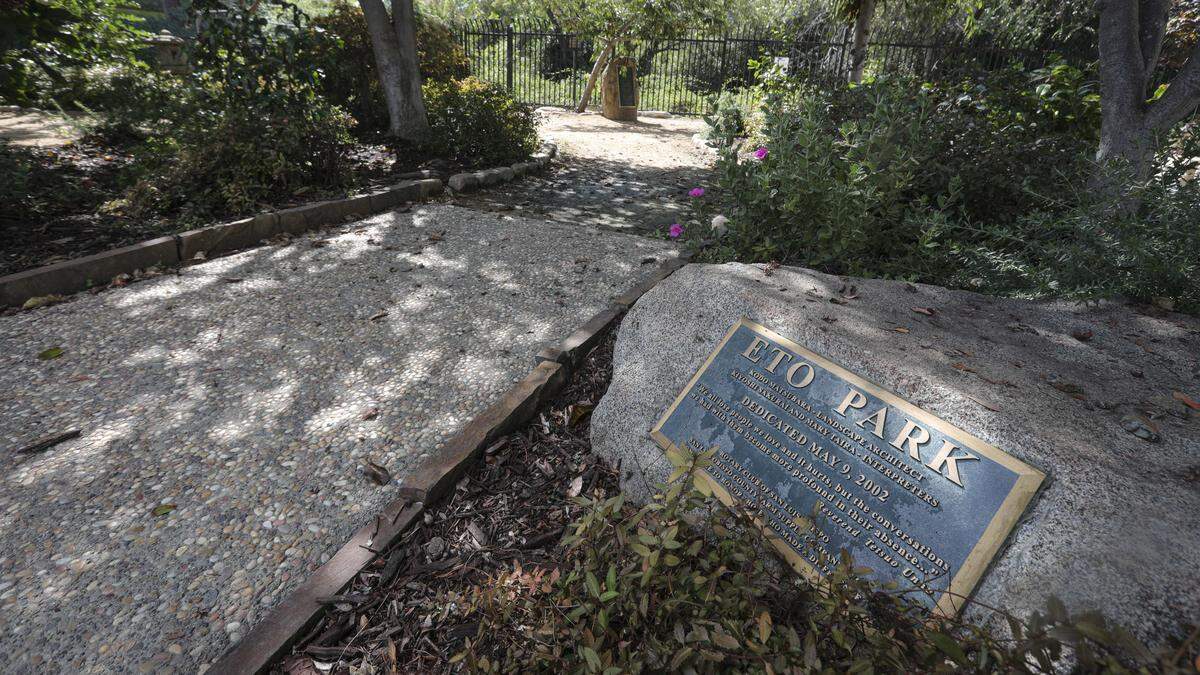
Toward the end of the quiet residential road, there’s Eto Park.
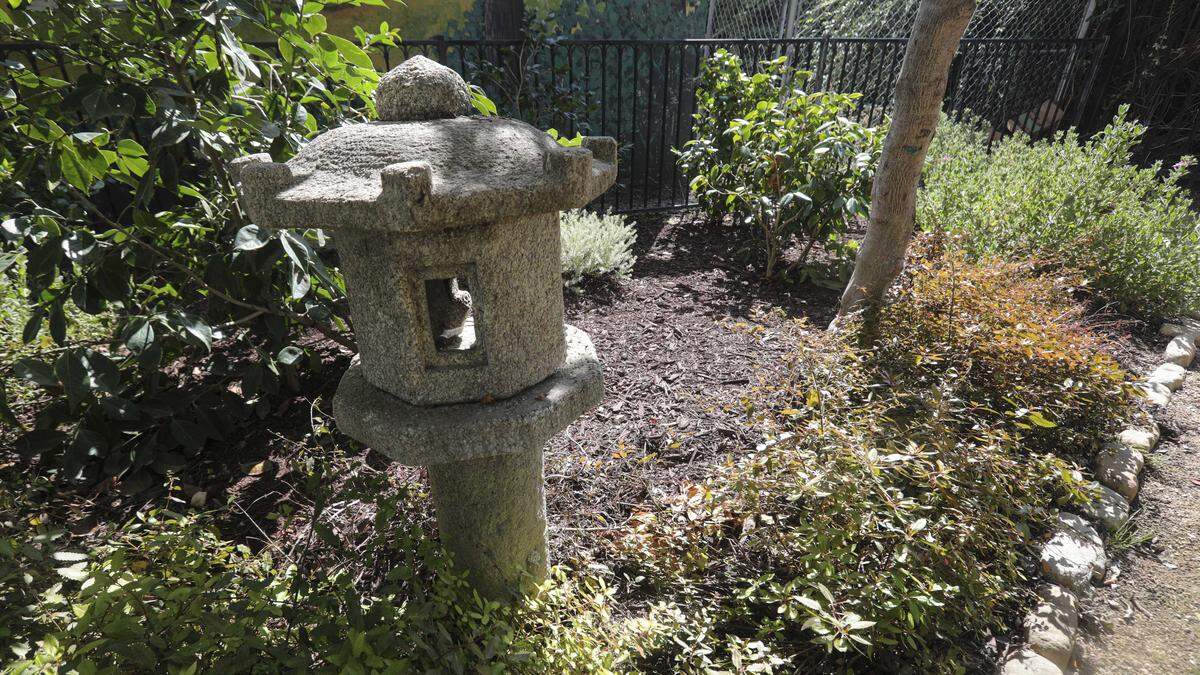
In the 1990s, several Japanese American residents banded together to persuade San Luis Obispo city officials to purchase and develop the pocket park at 170 Brook St., according to the History Center of SLO County.
Eto Park was built as an enduring reminder of the area’s Japanese heritage, incorporating traditional Japanese landscaping into its design. It was dedicated to the community on May 9, 2002, according to a plaque in the park.
Today, the tranquil garden is filled with blooming hydrangeas and Japanese maples turning autumnal shades of orange, red and plum. A few stone benches are spread around the space for visitors to rest on.
On one rock, there’s a tablet engraved with a quote from Japanese-American Shin Buddhist minister, Reverend Tetsuo Unno:
“We all lose people we love and it hurts, but the conversations we had with them become more profound in their absence.”
This story was originally published February 19, 2026 at 5:00 AM.