SLO County nonprofit owed the Department of Justice $750K. Then it went bankrupt
AI-generated summary reviewed by our newsroom.
- Wilshire filed for bankruptcy after a failed $750K DOJ settlement derailed a sale.
- Pennant Group backed out of buying Wilshire’s branches due to audit-related risks.
- The closure left vendors unpaid, staff jobless and services shuttered after 80 years.
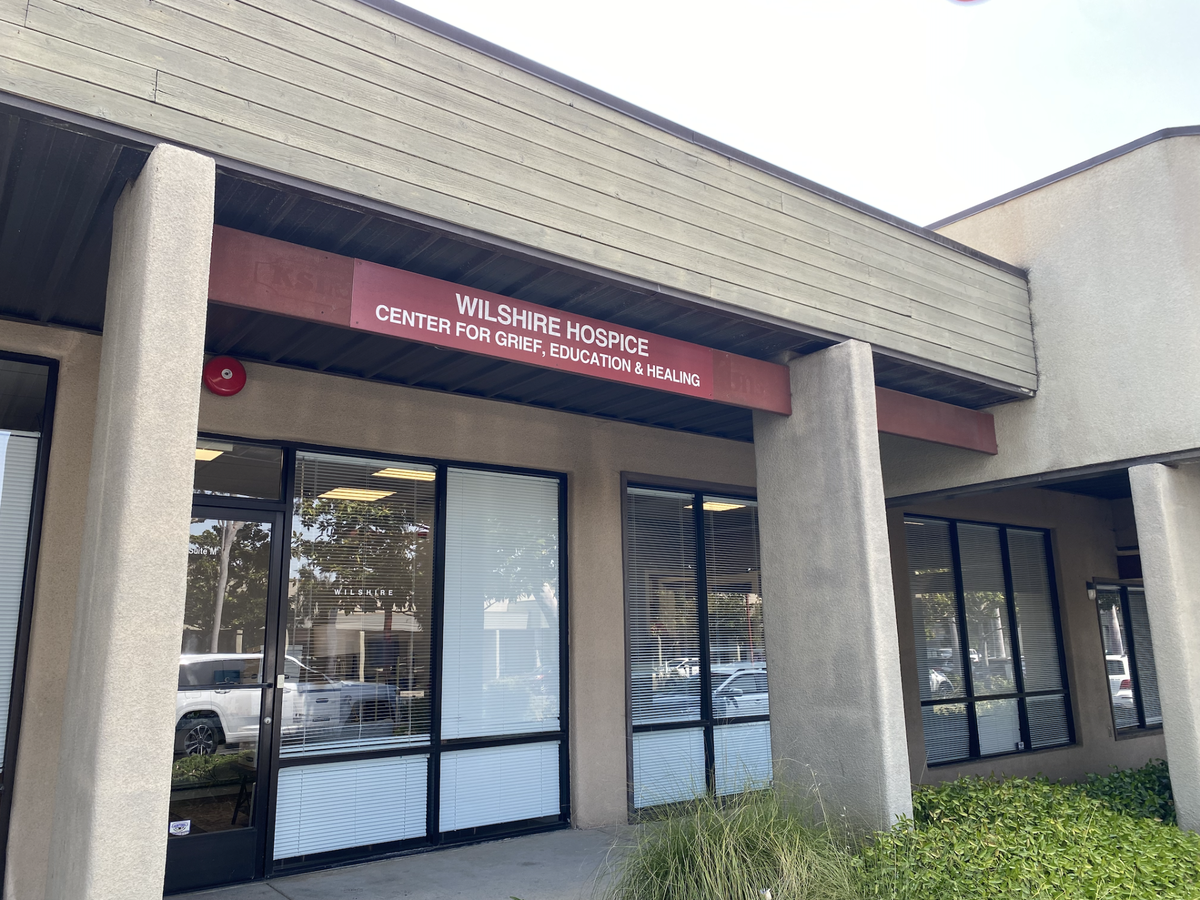
Wilshire Health and Community Services — a once-thriving local nonprofit based in San Luis Obispo — suddenly closed its doors in June after nearly 80 years of providing home health and hospice care services on the Central Coast.
Now, the organization has filed for bankruptcy.
The insolvent nonprofit now owes hundreds of thousands of dollars in unpaid bills to its vendors and other creditors — including a $750,000 settlement with the U.S. Department of Justice.
Wilshire’s financial decline and eventual collapse was caused by a confluence of factors, including the loss of half its patients, made worse by the federal settlement, CEO Tricia Smith told The Tribune in July. The nonprofit filed for bankruptcy on Aug. 1, according to court records.
Smith insisted the settlement was not the result of any wrongdoing or a formal investigation, but it was enough to scare off a big buyer from purchasing the home health and hospice branches of Wilshire — a sale that would’ve saved the nonprofit from going under.
The buyer was confirmed to be Pennant Group — as originally suggested by an anonymous source to The Tribune — at an Aug. 28 bankruptcy court proceeding at the U.S. Bankruptcy Court in Santa Barbara. Smith also disclosed the federal settlement amount at this meeting.
Without admitting any wrongdoing, Wilshire signed an agreement with the Justice Department in 2024 that stipulated the settlement was contingent on the sale, Smith said. When Pennant pulled out at the last minute, Wilshire was forced to close its doors.
“We did not admit to doing anything wrong,” Smith said at the Aug. 28 meeting. “Because we didn’t.”
Why did Wilshire owe the DOJ $750,000?
As a home health and hospice care nonprofit, most of Wilshire’s services were funded by Medicare, with other smaller funding pools coming from Medicaid and private insurers.
On Nov. 15, 2022, Wilshire received a voluntary inquiry from the Department of Justice requesting information on eight long-term hospice patients who federal agents identified had overstayed their allotted six-months of hospice care funded by Medicare, Smith said during the Aug. 28 meeting of the creditors, a routine bankruptcy proceeding. At an earlier point in the meeting, Smith said it was 10 patients. She previously told The Tribune eight.
“This was not a subpoena. It was not a CID (civil investigative demand). It was not an investigation,” Smith said during the meeting. “It was — our data showed up on a report, and they were looking at long-term stay(s).”
This report was a Supplemental Medical Review Contractor — or SMRC — audit, Smith said. SMRC groups are contracted by Medicare to help find and prevent fraud, improper payments or abuse of the Medicare Trust Fund.
“These are normal in our industry,” Smith said. “A lot of agencies have gone through this.”
Assistant U.S. Attorney Jack Ross with the Department of Justice was assigned to Wilshire’s case, but according to Smith, Ross didn’t ask for patient records. Instead, he requested Wilshire do a “self-audit and let us know what you find.”
Smith said her attorneys were confused by this request, which she described as “unusual.”
Instead of conducting a self-audit, she said Wilshire engaged a third-party consultant to provide a summary of the eight patients, which was presented to Ross.
After some amount of time elapsed — Smith didn’t say how long — the Justice Department wanted more specific information about the patients.
Considering the length and size of these records, the agency only requested information on five of the eight patients to review, she said.
Wilshire’s medical director, Kevin Parzych, provided records that Smith said certified the patients “met the criteria for care,” but the Justice Department did not agree, concluding that Wilshire had overcharged Medicare for the patients and owed money in return.
It was 2024 by the time the Justice Department reached this conclusion, and by then Wilshire was looking to sell off its failing branches.
In order to secure a sale that would create minimal risk for a buyer — and thinking they would owe only a “small dollar amount” — Wilshire decided to settle with the government, Smith said.
The figure ended up being closer to $1 million.
The settlement amount was later lowered to $706,000 — $754,000 including interest — covering only three of the eight patients originally reviewed, Smith said. It was not explained why the settlement only covered three patients, or if more money would be sought later.
Hospice Partners Inc. — one of Wilshire’s five nonprofit and for-profit branches — signed an agreement with the Department of Justice. It is unclear from the public record if this agreement was an official settlement or just a preliminary agreement, but either way it stipulated that Wilshire admitted no wrongdoing, Smith said.
“We don’t feel justified in having to pay any dollar back, because we felt care was provided appropriately,” Smith said.
However, the settlement was contingent on Wilshire selling off two of its branches — a sale that soon after fell through. As a result, Wilshire did not make the settlement payment, Smith said.
Smith said on Aug. 28 that she hadn’t heard from Ross since Wilshire filed for bankruptcy. It’s unclear what the status of the settlement is now that Wilshire is under a bankruptcy estate.
The Department of Justice’s California U.S. Attorney’s Office declined The Tribune’s request to comment on behalf of Ross.
Smith did not respond to a detailed list of questions emailed to her by The Tribune and her attorneys declined any further comment.
Pennant Group pulled out of Wilshire purchase over DOJ settlement
In order to prevent Wilshire from closing down and going bankrupt, the nonprofit had organized an asset sale to sell only its home health and hospice agencies to Pennant Group.
Wilshire would’ve kept its for-profit branches, the Hope Chest thrift store, and its community services branch, with the idea being that the profits from the sale would’ve allowed them to keep these other entities open.
The sale would’ve changed Wilshire’s corporate environment, eliminating the need for executive roles such as Smith’s as CEO and Barbara Jennings’ as CFO, Smith said at the Aug. 28 meeting.
Wilshire and Pennant Group signed a letter of intent on March 27, Smith said. At that point, the nonprofit was already eating into its reserves.
“They were pretty much depleted,” Smith said.
To help Wilshire stay afloat, Pennant Group agreed to an expedited due-diligence period, promising to close the deal on or before June 1, Smith said.
During due diligence, Pennant was actively working on transitioning over employees, vendors and services, Smith said. Wilshire had announced the sale to its managers and held an all-staff meeting to present transfer offers to employees, she said. All that was left to seal the deal was to sign off on the final sale documents.
It was around that time that Pennant Group learned of Wilshire’s outstanding SMRC audit, which the nonprofit still had not paid the settlement for.
On the Monday of the week they expected to close, Pennant emailed Wilshire that it needed two extra weeks to review the SMRC audit before closing.
Then, during the first week of June, Pennant withdrew from the sale entirely.
At that time, Wilshire hadn’t paid the $750,000 settlement or heard from the Department of Justice about the unpaid amount, Smith said.
According to Smith, Pennant’s attorneys believed that as soon as a sale was finalized, it would trigger the Justice Department to demand the outstanding payment. The buyer decided the sale would’ve been too big of a risk, even though Wilshire still would’ve paid the settlement cost, Smith said.
“We were willing to put reserves aside to cover that risk. They still just didn’t want to move forward,” Smith said. “So I believe there was (sic) other reasons.”
Smith said she didn’t think there was any chance the deal with Pennant could be revived under new terms with the bankruptcy estate.
“We tried to offer them alternative solutions, even ones that would have still not made most sense for us financially, to secure the deal and get it done so that staff would have jobs, the agencies would still be in the community and we would be able to take care of most of our debt,” Smith said. “But they weren’t even willing to entertain anything really in regards to us basically taking over any risk or concern that they may have.”
Smith said there were several other potential buyers before Pennant that didn’t work out. At one point, Wilshire even had a letter of intent from another buyer, but it turned out to be “not a viable letter,” Smith said.
One potential buyer was a private equity-backed firm involved in a merger between Amedisys and UnitedHealth Group, Smith said. Like Pennant, the firm backed out when they caught wind of Wilshire’s federal settlement the Department of Justice. Amedisys itself was also interested in buying the nonprofit branches, she said, but the deal would’ve taken too long for Wilshire’s ticking timeline.
“When we got to the Pennant (offer), it was a last-ditch effort,” Smith said.
When the sale to Pennant fell through, Smith was left with few to no options. She reached out to two other organizations in SLO — including Dignity Health’s home health and hospice services — to gauge interest in purchasing Wilshire’s failing branches, but nothing worked out.
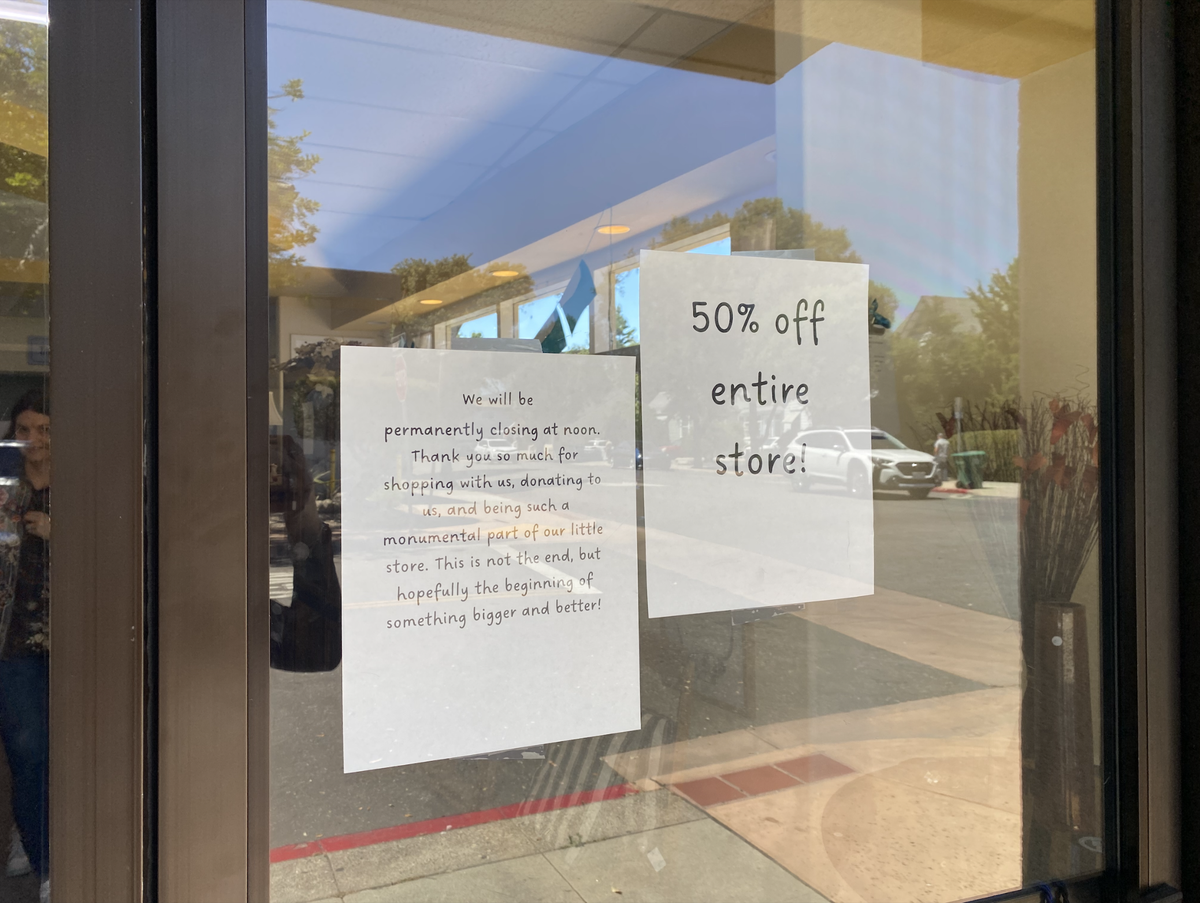
Wilshire closed its doors on June 30, unable to give its employees more than a two weeks notice or any severance pay.