
SLO worked to boost its downtown when COVID hit. Santa Barbara made even bigger changes
READ MORE
Designing Downtown
A Tribune special report looking at the future of downtown San Luis Obispo.
Expand All
Editor’s note: This story is one in The Tribune’s ongoing “Designing Downtown” series examining how San Luis Obispo is coping with economic change and the pandemic while exploring what the city core might look like in the future.
Like cities across the state and nation, San Luis Obispo has faced a range of challenges in recent years as pandemic impacts piled onto changes in consumer spending habits.
Together, the shifting landscape has forced some businesses to close while others scrambled to adapt and survive.
While San Luis Obispo has navigated the impacts reasonably well, another prominent Central Coast tourist destination an hour and a half away has had a much tougher go of it.
Over the past few years, Santa Barbara’s downtown saw the sudden closure of multiple national chain stores, most of which already were impacted by consumer decline before the pandemic hit, said Jason Harris, the city’s economic development director.
Nordstrom, Macy’s, Sak’s Fifth Avenue and Forever 21 were among the retailers that have closed for good in downtown Santa Barbara in recent months and years.
Mom-and-pop shops closed too, and Noozhawk described State Street as “ground zero” for economic impacts in a May 4, 2020, article, with the owner of Plum Goods saying she was “grieving” the closure of her 10-year-old store in a 37-second video she posted to share the news with customers. Plum Goods sold a variety of home goods and artisan products, including fair trade items, from housewares and art to books and toys.
In the first two months of the pandemic alone, eight businesses closed on State Street, the city’s main commercial and visitor hub, as part of a prolonged economic punch.
“The pandemic exasperated any weaknesses in market conditions that existed before it arrived,” Harris said. “Business completely stopped.”
How Santa Barbara has coped with the crisis
Even before the pandemic, Harris said, retail stores in Santa Barbara were already facing online competition, shifts in consumer spending behavior, challenges with homeless people and fluctuating commercial vacancies — all of which weighed on the city’s economy.
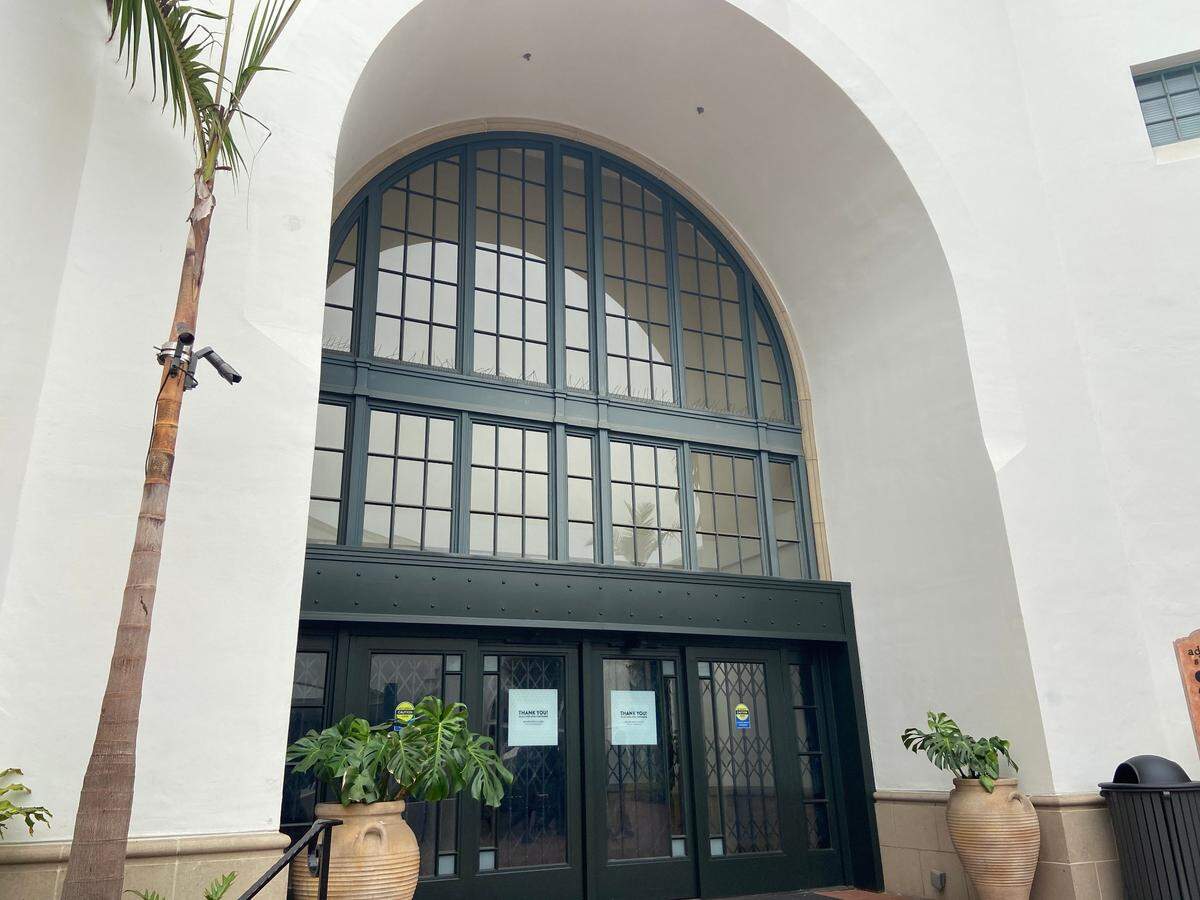
At the peak of COVID-19 restrictions in 2020 — and even before — it was hard to miss the business casualties on a stroll through the typically bustling corridor of Santa Barbara’s Paseo Nuevo and other nearby blocks.
Storefront after storefront were left shuttered, as small businesses had to pack up and leave.
“It’s heartbreaking,” Plum Goods owner Amy Cooper told Noozhawk about the loss of her State Street business in May 2020. “I feel like I am letting down the community. I am giving up what I cared most about with this store, which is connecting with people.”
What did the city do in response?
As part of an “aggressive, emergency economic recovery” implemented that same month, Harris said, Santa Barbara’s City Council allowed businesses to operate outdoors — and not only on sidewalks.
The city went further and shut down the busiest corridor on State Street to traffic, turning it into a promenade and lifting restrictions related to outdoor sales.
In the ensuing 18 months, Harris said, new businesses have started to move into vacant commercial spaces in response.
Those include SB Urban Flea Market, M Special and Tondi Gelato, all of which opened on State Street, among new additions on other nearby side streets.
“The city adopted the idea of really trying to transform streets and make them into much more livable, usable spaces than in the past,” Harris said. “I think now there’s really a new wave of interest and a kind of reinvention of retail that’s still in flux. And it’s yet to be determined how that all shakes out. There’s the old adage that retail is not dead, it’s just in a process of reinventing.”
BEHIND THE STORY
MOREIntroducing: Designing Downtown
Downtown San Luis Obispo is facing a pivotal moment — and you can be a part of its future.
Why we did this story
Downtowns across the United States are at a turning point: The rise of online shopping forced a decline in brick-and-mortar storefronts at the same time that a housing crisis and growing environmental awareness are pushing cities to reexamine these traditionally retail-driven corridors.
Meanwhile, the coronavirus pandemic sped up the retail shutdown, leaving vacant downtown storefronts with very little unified discussion over what should fill them.
We at The Tribune believe this presents an opportunity for dialogue with the community: What should the downtown of the future look like?
Through an ongoing series called Designing Downtown, we are exploring the many potential ways that downtown San Luis Obispo (and other shopping corridors throughout San Luis Obispo County) can best serve their communities.
We’ll explore the various visions for what a downtown should be, and what it could be. We’ll talk with business owners about what they need. We’ll talk with city officials about what they hope for. And we’ll talk with you, the public, about what you want.
Together, we can shape the future of downtowns in San Luis Obispo County.
How you can help us
The Tribune is eager to engage with the public as we embark on this project — we want to hear from you about what you want in your downtowns.
To do this, you can fill out our Google Form here.
You can also send your thoughts and comments to reporters Nick Wilson (nwilson@thetribunenews.com) and Kaytlyn Leslie (kleslie@thetribunenews.com).
State Street closure is the most visible change in Santa Barbara
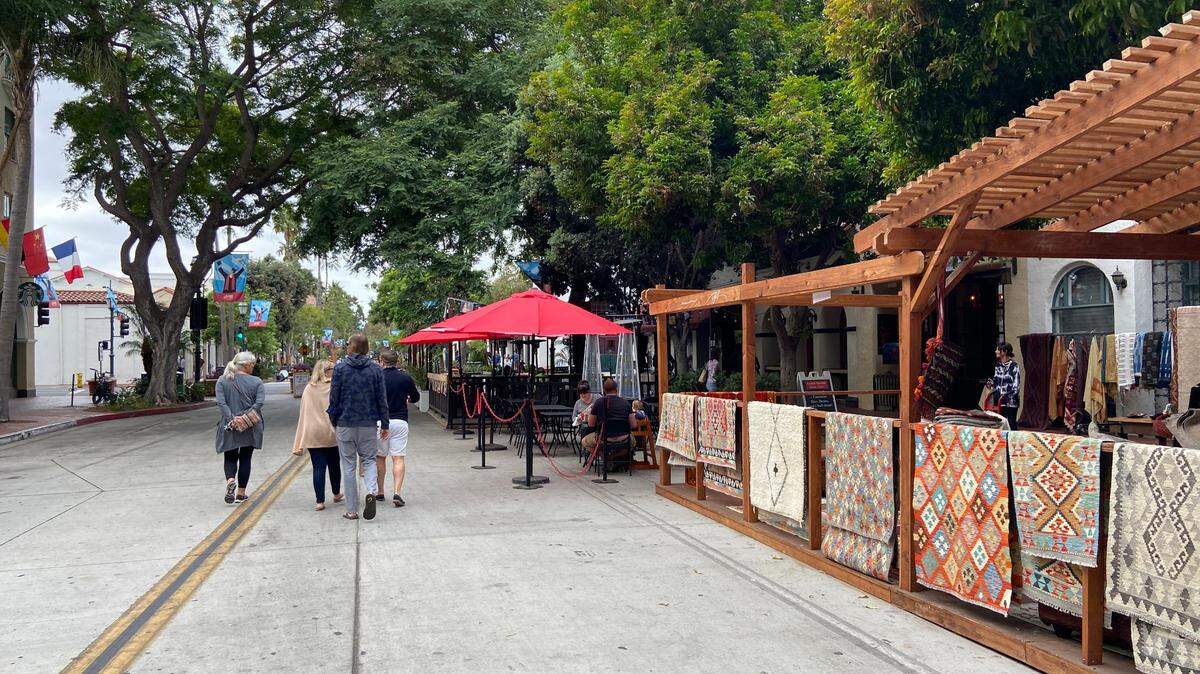
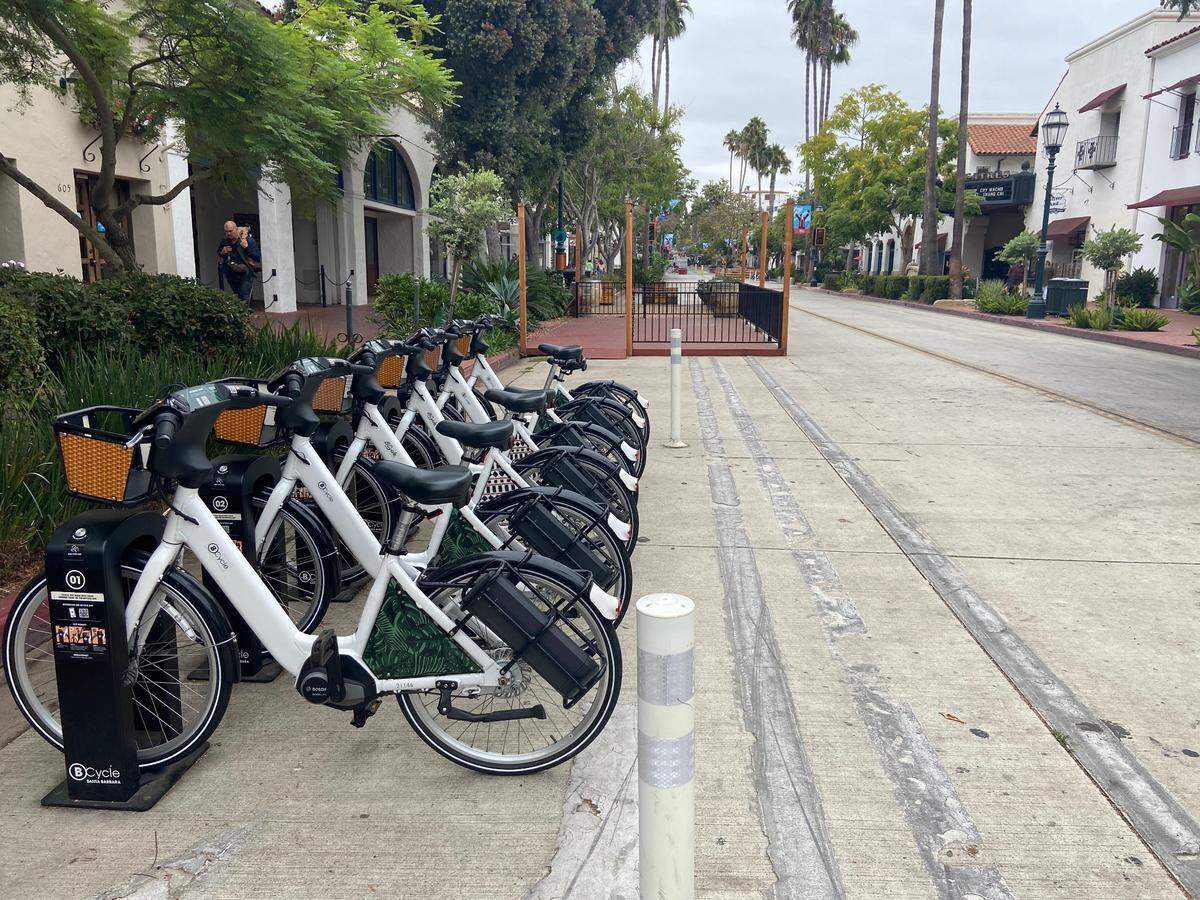
A year and a half after State Street’s closure, Santa Barbara’s main thoroughfare remains closed to vehicle travel for eight blocks from Haley Street to Victoria (and a section of Victoria is partially blocked as well), creating space for walking, biking, outdoor dining, skateboarding and lounging.
Now, instead of cars, a rug store with a variety of colorful options displays its products on what use to be a northbound lane of the street and restaurants set up tables and lounge chairs with several outdoor dining options.
“The ordinance was basic, broad and general, so all businesses were able to operate outdoors,” Harris said. “We did not define what businesses could operate outside. It was principally food and beverage. There were some retailers and there were some service businesses as well, such as the barbers and nail salons.”
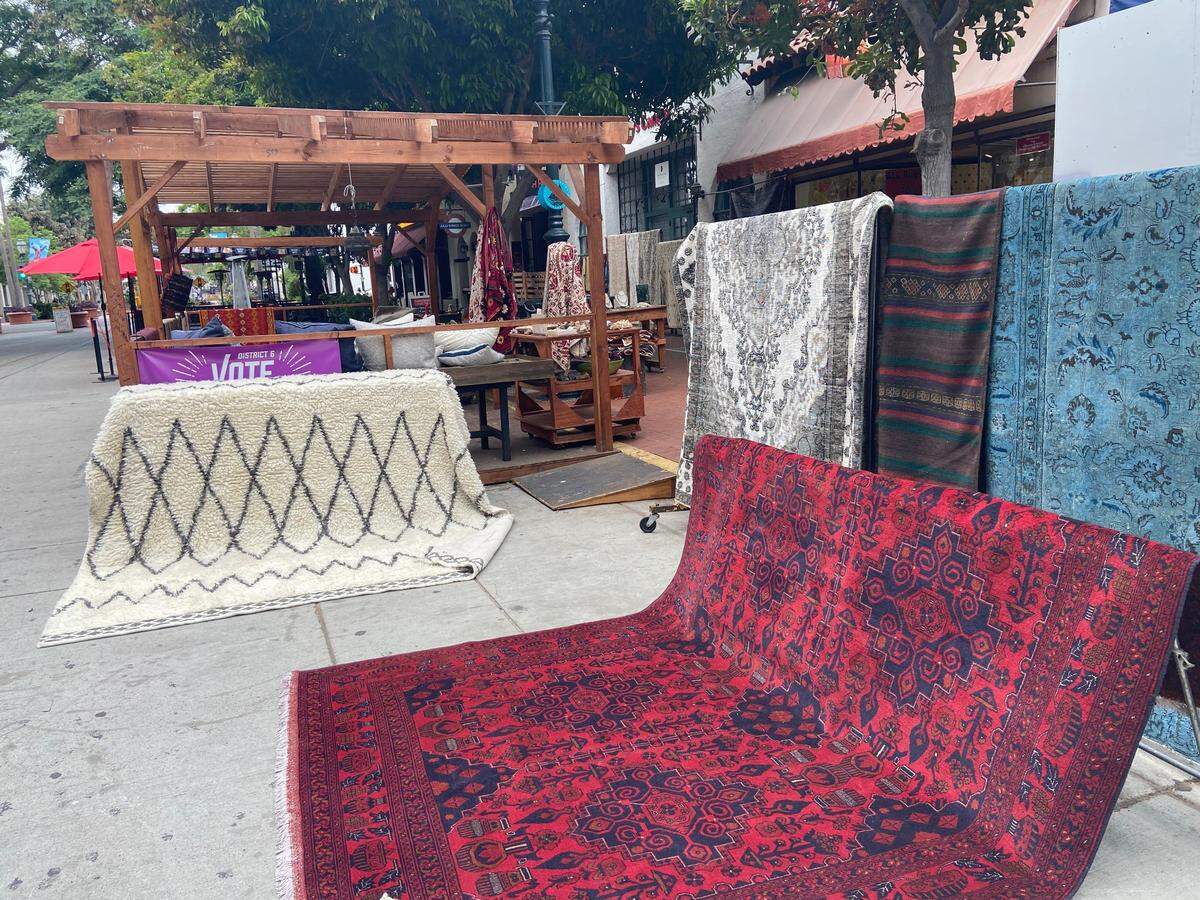
Parklets, planters, bollards and umbrellas now take up the State Street space on multiple city blocks where vehicles once rolled by. A giant outdoor chess set at Paseo Nuevo beckons visitors to stop for a game.
The shift led to more foot traffic and a leisurely visitor experience.
Harris said the idea had been considered before, but the pandemic provided the motivation to finally give it a try.
“There was a lot of fear and concern at first, but it has been really well received by the businesses,” Harris said. “It was a lifeline for them to remain operational.”
Three times, Santa Barbara’s City Council has extended the emergency ordinance closing State Street to cars and has voiced its support for permanent closure, Harris said.
Details on long-term permitting and guidelines on use of street spaces still need to be worked out.
How the city is adapting to economic change
The city has also explored other ways to shore up downtown and re-establish the city core to economic health.
Ideas to improve Santa Barbara’s economy have been addressed at community meetings, and groups such as the think tank World Business Academy have brainstormed ways to create a viable local economy.
Among the recommendations from World Business Academy: Add more housing in Santa Barbara’s downtown, including affordable options; create a vacancy tax on property owners; conduct regular cleanup and beautification efforts; and urge businesses to “stop trying to compete with Amazon.com and cater to the community’s needs and wants.”
“We’re not reacting well to a sudden revolutionary shift and what we perceive as retail,” said Angel Martinez, the former CEO of Deckers Outdoor Corp., in a World Business Academy website article on the topic of Santa Barbara’s downtown. “We have to rethink everything. State Street ended up as a far-too-long mall. You have to go back to what works for the local community.”
Santa Barbara has implemented some of those ideas, though not all.
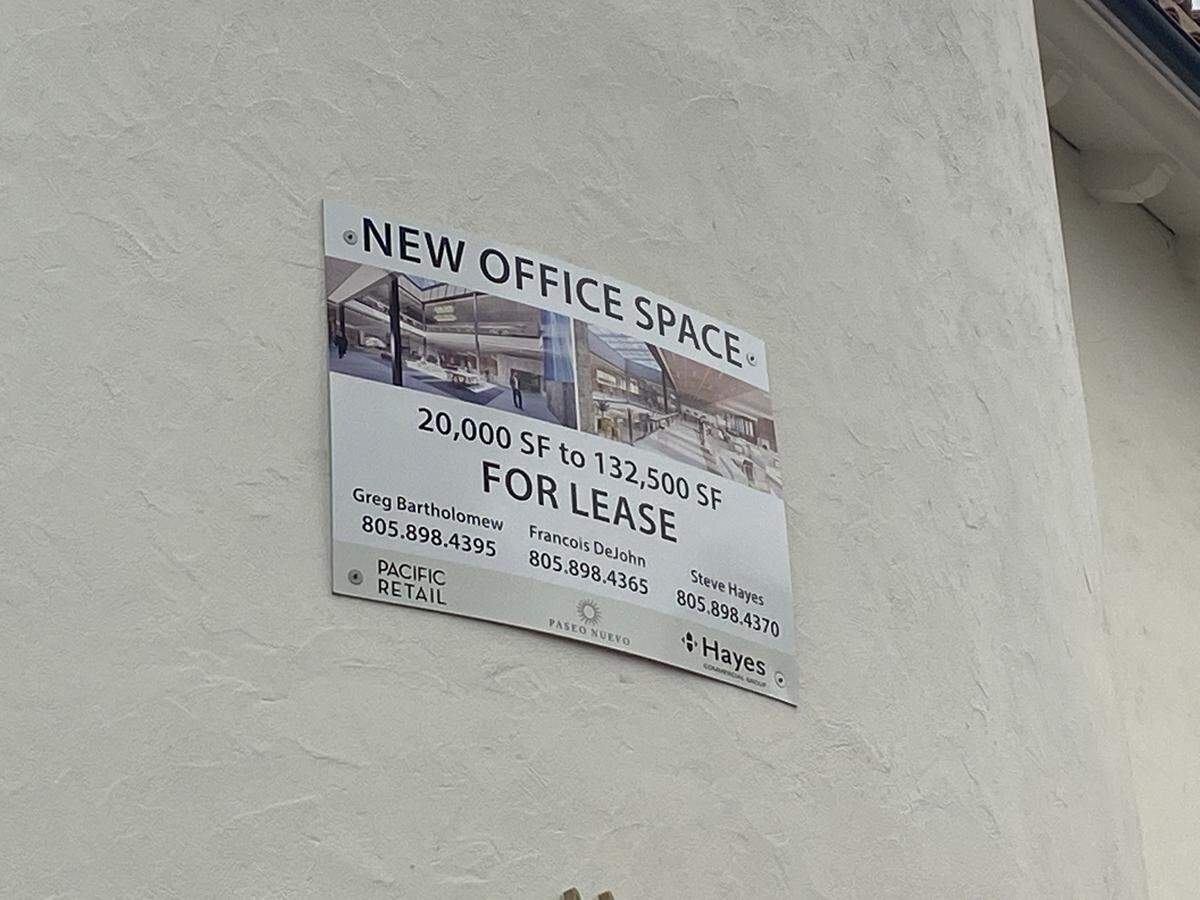
Converting larger commercial buildings can be costly and come with construction challenges, but some owners are transitioning their space to offices, while others consider whether commercial units could be divided into smaller tenant spaces, Harris said.
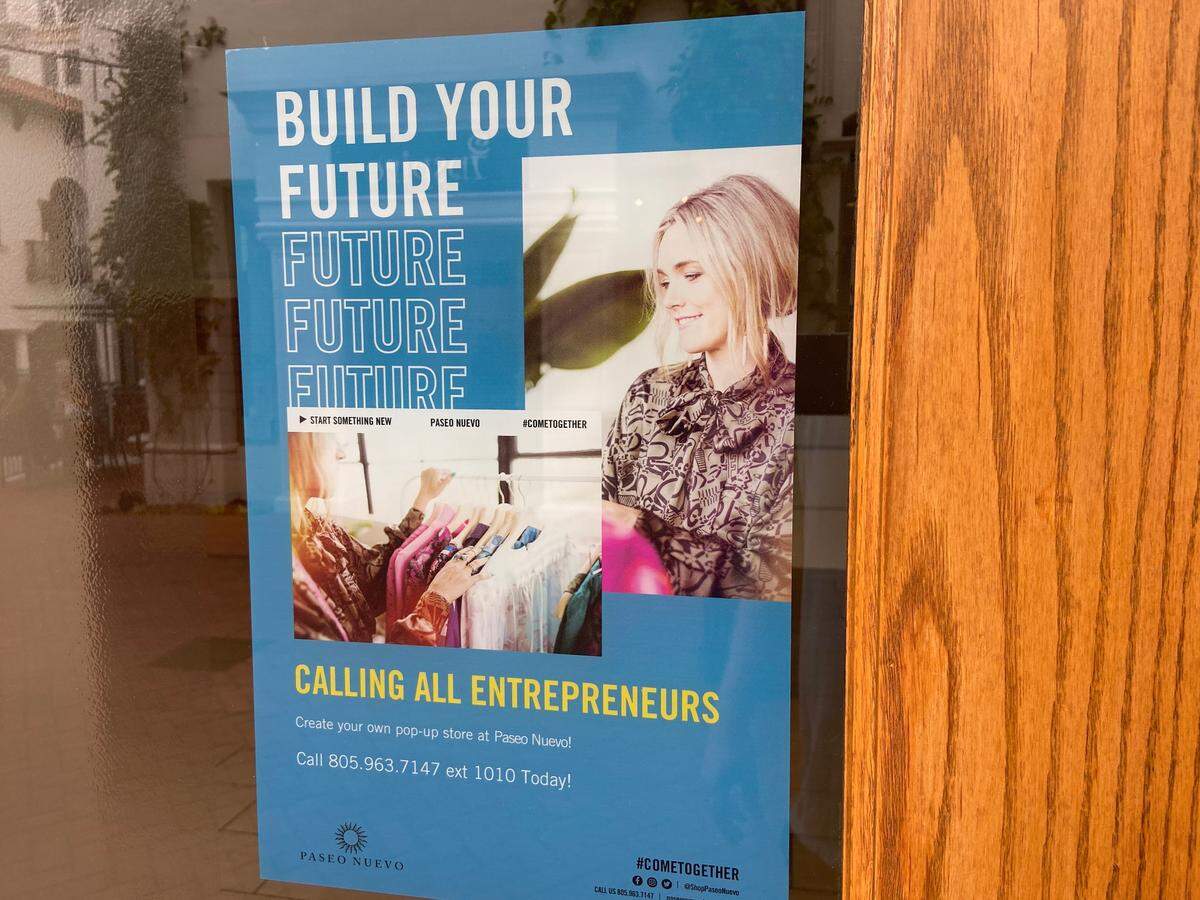
Harris said that separate owners of the Macy’s and Nordstrom buildings have each listed their properties for sale.
“Currently, both are planning to re-occupy the buildings and adaptively re-use them for office space,” Harris said. “I think it is an indication as to where the commercial landlords and property owner interests are positioning.”
Harris said larger contiguous office space is not common in Santa Barbara, with smaller boutique workspaces becoming more typical.
“It’s a little bit of an interesting paradigm and will be really fascinating to see how the office tenant market responds to that opportunity,” Harris said. “We’re watching that very closely.”
Harris said that a vacancy tax, such as one passed in San Francisco that essentially penalizes owners for leaving their buildings unoccupied, would require a vote of the people and isn’t under consideration in Santa Barbara currently.
Harris said that rather than punitive actions, he believes incentives that accommodate business needs have a higher chance of driving a successful economy.
So far, the financial results have been promising.
Santa Barbara data showed relatively stable sales tax revenues in the 2020-21 that even exceeded the 2017-18 fiscal year, after the pandemic brought a 13% decline.
Harris said that without the city’s economic recovery measures, it’s likely “revenues would have been even less.”
Comparing SLO to Santa Barbara
While Santa Barbara’s experience can offer lessons for San Luis Obispo and the cities have rolled out some similar measures, leaders here point to significant differences as well.
Santa Barbara and SLO have followed similar paths by creating parklets downtown, adding a new striped bike lane, and establishing places for people to gather.
Both markets also are seeing development proposals that call for redesign of downtown commercial spaces into office and housing, though Santa Barbara’s project proposals have leaned more toward office use, Harris said.
SLO, however, has not moved forward with the full-scale closure of a city street, though it has partially closed Monterey near Mission San Luis Obispo to allow for expanded dining.
SLO community leaders say they’ve taken a more measured approach because Santa Barbara’s impacts generally have been more severe than here.
“I have observed what’s happening there, and it’s very different from what’s happening here,” said Bettina Swigger, CEO of Downtown SLO, the nonprofit who’s goal is to promote economic vibrancy in the downtown.
Swigger said she’s been in touch with Santa Barbara’s downtown association leader and said: “My understanding is that they have had more vacant storefronts than we do.”
Swigger said that she has also toured Ventura’s downtown, which, like Santa Barbara, has closed its main street through January 2022.
She doesn’t believe that approach would work here.
“I think the one thing that we really learned through the Open SLO program (in summer 2020) when we tried to shut down blocks on Higuera Street was that our community has an expectation of what it looks like when Higuera shuts down,” Swigger added. “The closure might have been really exciting to other communities who hadn’t had that type of activation before.”
Swigger said lack of parking proved to be problematic for businesses owners, and the public feedback was not supportive because people expected that a full street closure would come with more of a Farmers Market feel with vendors, music, street acts and busy activity, versus a limited number of chairs and tables on the street that are more sparse and spread out.
Parklets, on the other hand, proved to be a successful model.
“That’s when more parklets started getting deployed and more of an outdoor dining experience was welcomed without the full closures,” Swigger said. “Twenty-four-hour closures might have worked elsewhere, but they didn’t work for us.”
This story was originally published November 12, 2021 at 5:00 AM.
%20Cropped.jpg)