California has an earthquake early warning system. Here’s how to get alerts
READ MORE
Life on the San Andreas: A 4-part series
This is a 4-part series on life in Parkfield, California, the science of its seismology, and its distinction as “Earthquake Capital of the World.”
Expand All
Life on the San Andreas: Tiny Parkfield is unshaken as ‘Earthquake Capital of the World’
This California town is one of the most studied earthquake locations on Earth. Here’s why
New San Andreas study to look at how a creeping fault affects the places where we live
California has an earthquake early warning system. Here’s how to get alerts
Around 9:35 p.m. on May 6, cellphones throughout Northern California uniformly flashed to life.
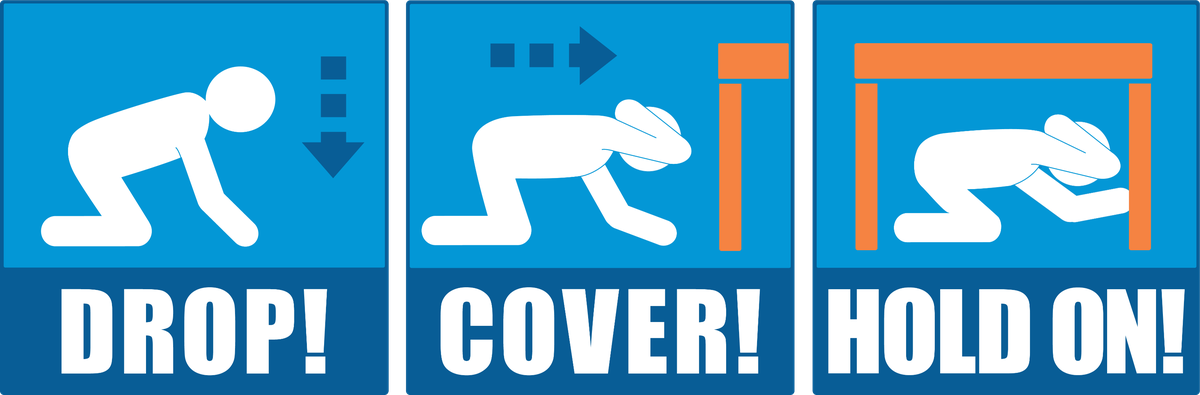
“Earthquake. Drop! Cover! Hold on!” the message blared. “Shaking expected.”
An earthquake had just struck near Truckee, and seismic waves were traveling across the state at thousands of miles per hour. In the moments after the rumbling started, automatic alerts went out to phones in the areas expected to feel strong shaking. People dove under tables and desks.
Fortunately, the earthquake was smaller than expected and most of the region was spared from damaging shaking.
Should a major earthquake strike in the future, however, these rapid warnings could save lives, according to the U.S. Geological Survey (USGS).
California residents are living in earthquake country
Tens of thousands of temblors happen in California each year, according to the USGS.
Just this week, a 4.1-magnitude quake struck north of Pinnacles National Monument, with shaking felt from the Bay Area to Nipomo and as far east as Fresno.
Most of the quakes are too small or too deep to be felt. But every so often a large quake strikes, wreaking havoc on the lives of those nearby.
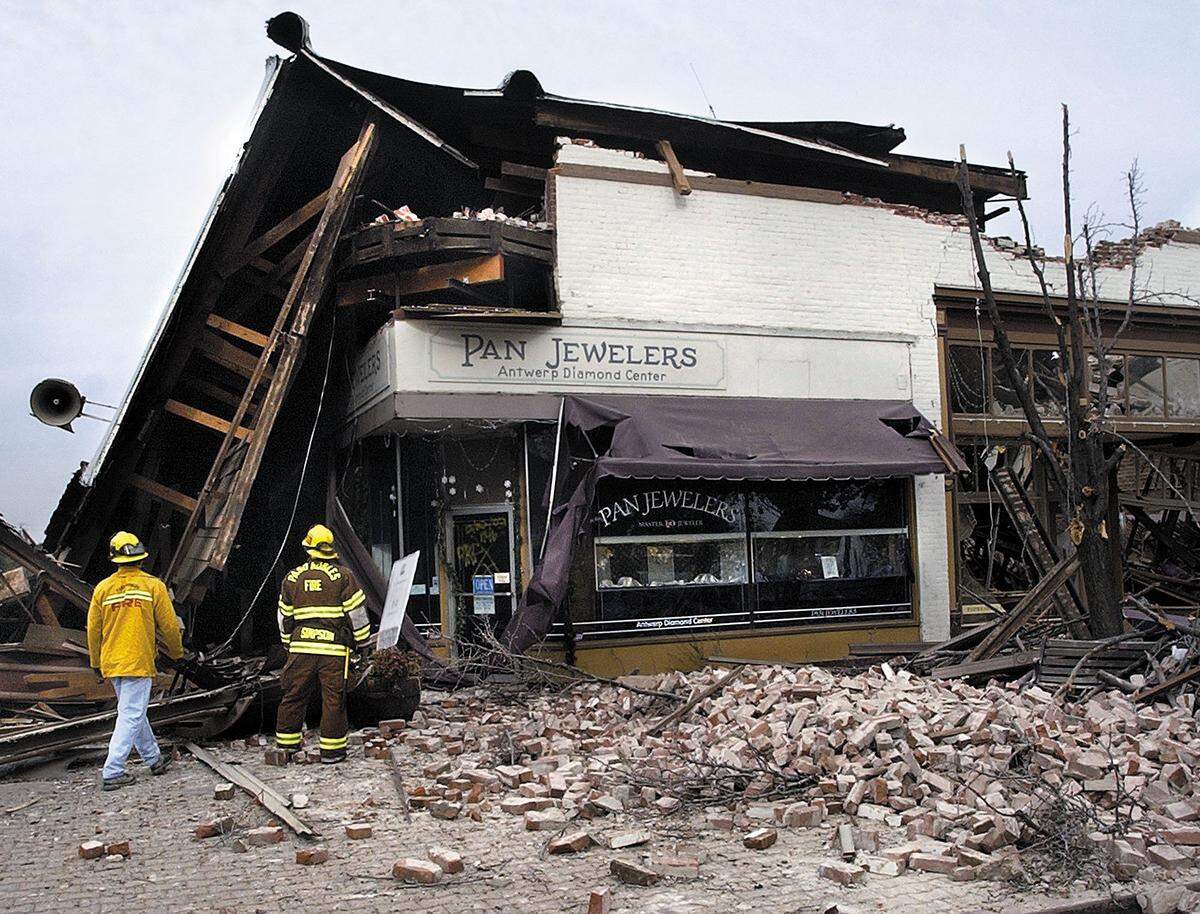
The 2003 San Simeon Earthquake, which caused two deaths and significant damage in nearby Paso Robles, was a reminder of the hazards of living near the San Andreas Fault.
There is no denying that a damaging earthquake will hit California in the future, according to seismologists.
Unfortunately, there is no way to know exactly where, when and how big that quake will be.
Fortunately, Californians have a valuable tool to minimize injuries that could result: earthquake early warning messages.
ShakeAlert, the western United States’ earthquake notification system, has been delivering rapid earthquake alerts since 2019.
Alert system gives users seconds to take cover
ShakeAlert officially launched for the public in California on Oct. 17, 2019, the 30th anniversary of the Loma Prieta Earthquake.
Since then, the system has sent warnings during 43 earthquakes, said Richard Allen, director of UC Berkeley’s Berkeley Seismological Laboratory.
ShakeAlert became available in Washington and Oregon earlier this year.
The system does not predict future earthquakes. Instead, it sends a notification that an earthquake is already in progress.
“It takes time for seismic waves to travel from where the earthquake begins underground up to wherever we are on the surface,“ Allen said.
The ShakeAlert system, developed by the USGS and several other institutions, takes advantage of this delay and a network of vibration-sensing instruments, known as seismometers, that dot the Western United States.
When an earthquake strikes, seismometers close to the epicenter — the point on the surface directly above the starting point of the rupture — detect the first seismic waves.
Computers use information about those initial waves, such as height and shape, to rapidly calculate the location and size of the earthquake and how much shaking will occur throughout the region.
When earthquakes of magnitude 4.5 and greater occur, automatic notifications are then sent to cellphones located where shaking will be strongest.
“The faults we have to worry about, certainly in California, are basically beneath our feet,” Allen said. This means that the algorithm needs to be fast in order to get warnings out in time.
ShakeAlert notifications can give “seconds to perhaps tens of second of warning,” he said.
That’s enough time to take cover.
“Even if it’s just a few seconds, those could be live-saving seconds,” said Brian Furguson, a spokesman for the California Governor’s Office of Emergency Services (Cal OES)

Generally, the farther you are from an earthquake’s epicenter, the longer it takes for the waves to arrive and the more warning you’ll get before strong shaking starts. Unfortunately, very near the epicenter, the seismic waves may arrive before the calculations can be done — meaning that an alert won’t come in time.
Cellphones aren’t the only way ShakeAlert messages are distributed.
In San Francisco, the Bay Area Rapid Transit system (BART) has integrated earthquake early warnings since 2012. If an alert is issued, trains are slowed or stopped, according to BART.
Systems also automatically open station doors at many local fire departments, Furguson said, “so firefighters don’t spend the first hour of the emergency response cutting their firetruck out of the fire station.”
Some hospitals even use earthquake early warnings, he said, giving surgeons in operating rooms time to put down their instruments before shaking starts.
How to sign up
Before an earthquake strikes, Furguson urged, make sure your phone is set up to receive ShakeAlert notifications.
“We want (the public) to get the tool,” he said.
According to Cal OES, California residents can receive ShakeAlert messages through their phones via Wireless Emergency Alerts (WEA). That system is used for a variety of alerts, including presidential alerts about national emergencies and Amber alerts about missing children.
Also, IPhone users can install the MyShake app, developed by UC Berkeley researchers.
Android users will automatically get alerts if notifications and location services are turned on.
For information on these services, visit earthquake.ca.gov/get-alerts/.
What to do in an earthquake
If you get an alert or feel shaking, the first thing to do is “drop, cover and hold on,” according to the Earthquake Country Alliance, a multi-institution collective to increase earthquake resilience in California.
Do not run out of a building, according to the group. Earthquakes can produce violent shaking, and injuries are likely when people try to move around.
In the case of a quake, experts warn people not to stand in doorways.
The widely held belief that it is the safest place to be came from old images of collapsed buildings with the door frames still standing, according to the Earthquake Country Alliance.
In modern construction, door frames are no stronger than any other part of the building. An open doorway also offers no protection from falling or flying objects, which are a significant source of injuries.
The seconds of warning ShakeAlert messages provide is enough to get under a table or desk.
But, you can’t take advantage of the alert if you don’t get it, Furguson noted.
This story was originally published September 2, 2021 at 5:00 AM.