SLO County doesn’t have enough primary care doctors. What could fix that?
READ MORE
SLO County’s doctor shortage: A 5-part series
This series examines the shortage of both primary care and specialty physicians in San Luis Obispo County, what it means for patients and doctors and what can be done to improve the situation.
Expand All
Many SLO County residents can’t find a primary care doctor. What’s causing the shortage?
Insurance hurdles, long wait times prevent SLO County patients from seeing specialists. Why?
Struggling to see a doctor, SLO County patients turn to ER, urgent care — and even Mexico
Some SLO County doctors offer an alternative to basic primary care — but it comes at a price

SLO County doesn’t have enough primary care doctors. What could fix that?
Editor’s note: This is the final story in a five-part series exploring health care access in San Luis Obispo County.
While patients, physicians and healthcare administrators have noted the need for more primary and overall health care in San Luis Obispo County, there are tangible, practical solutions for making health care more accessible.
The Tribune reported on the challenges people have faced when getting access to primary care and specialty care, why physicians turn to paid membership care models and how healthcare workforce shortages have had ripple effects on emergency and Urgent Care resources.
Throughout these conversations, we also learned about viable solutions that can happen in the short and long term.
Here are some of them:
Cost of living must come down
Across the board, everyone who spoke with The Tribune said the cost of living in the county must come down or somehow be better factored in when trying to subsidize the cost of getting new physicians to move here.
Dr. Rene Bravo practiced pediatrics and primary care in San Luis Obispo County for almost 40 years before retiring at the end of 2024. Bravo said he believed easing the burden from student loans is the key to getting more people to go into primary care.
“You’ll get more primary here if you get better debt reduction,” Bravo said. “I think investing in medical education has got to happen if they want to fix this.”
Bravo talked about the importance of recruiting doctors who have overcome adversity and who can in turn help marginalized patients.
“Medicine cannot be just a discipline where the few wealthy are able to to invest, but to have help and representation for people with disadvantaged backgrounds,” Bravo said. “They’re the ones who make some of the best primary care doctors, because they understand what people go through.”
Samantha Sams, 39, has been an emergency room nurse for 24 years. Since 2015, she has worked in the Adventist Health Twin Cities Emergency Department.
Sams said that it can be hard to convince young, freshly indebted medical students to come live in a more rural area without the amenities of a larger city. Rather than wait on more long-term solutions like policy changes in insurance reimbursement rates, Sams said low-interest loans and medical school debt forgiveness could help.
“In terms of things that we can do as a community, we can have local banks offer low-interest loans to try and entice providers to come here,” Sams said. “Doctors make good money — I’m not going to deny that — but if they can’t afford to live here, what do we expect for the rest of the people who live in this county?”
There are some existing programs working to recruit and retain physicians in medically under-served populations in California, including UC Davis’ Rural Programs In Medical Education or PRIME, and Reimagining Education to Advance central California Health, or REACH, programs.
PRIME was launched in 2007 to advance health equity in California’s rural communities, according to internal medicine physician and executive director Dr. Melody Tran-Reina of the UC Davis School of Medicine’s Community Health Scholars program. REACH was modeled off the rural program and has provided Central Valley-based medical training in and around Modesto.
“We are very committed to training doctors for communities that need them the most,” Tran-Reina said.
Tran-Reina brought up the statistic of how despite a fifth of Americans living in a rural area, only around 11% of physicians practice in one.
“That’s just a very clear way of saying, ‘We have physician workforce shortages in rural areas, and rural people who live in rural areas have higher rates of heart disease, of lung disease, of cancer, and those are all things that can be prevented with primary care and treated with specialty care,” Tran-Reina said. “But if you don’t have access to those things, or you have to travel incredibly long distances to get them, that’s going to present a barrier for people who have their own potentially socioeconomic challenges that they’re they’re dealing with.”
Third-year medical student at UC Davis and REACH member Maria Zepeda said she wants to be a doctor in a rural area around the Central Coast, near where she grew up in the Santa Ynez Valley.
When navigating medical school programs to figure out where to go, Zepeda said it was critical for her to serve a community that looked similar to hers and faced similar health challenges.
“I consider myself underserved, because we’re part of the Latino community in this very well-off community,” Zepeda said. “I said, ‘I need something where I can help the people that look like me, the people that have the same needs as me.’”
Zepeda said she’s turned toward family medicine and potentially women’s health, because she’s seen the growing need for family medicine and more generalized physician care.
“I’ve been going back home recently, and I think I’m going to make a bigger difference if I stick with family medicine, because I think that’s where I’m needed,” Zepeda said.
Both Tran-Reina and Zepeda said students finishing medical school or later providing care in their communities haven’t been huge challenges. The major pain point starts with motivating young people to pursue medicine in the first place, then reducing financial barriers.
“Yes, there are loan repayment programs, but that requires the students to take out those loans, and then you’ll pay them back later,” Tran-Reina said. “But just maybe investing in the student up front and saying, ‘We’re going to take this off your shoulders, we’re just going to fund your way — that’s what can go a really long way.“
Dr. Cinnamon Redd, who is in her 20th year of practicing emergency medicine in San Luis Obispo County and serves as the chair of Adventist Health Twin Cities Emergency Department and vice chief of staff of the hospital, said recruitment really starts with adequate pay.
“A primary care provider who works in San Luis Obispo County should be able to get paid the same as a primary care provider who works in Santa Maria or Santa Barbara County,” Redd said. “Once we have that equity, it would be more affordable for the primary care physicians to move to this area.”
What recruitment programs are available to primary care doctors in SLO County?
The Tribune spoke with dozens of physicians, health administrators and other health stakeholders who said that convincing medical students to pursue primary care starts with more enticing recruitment perks to get them to move to SLO County.
Dr. Scott Robertson, president and chief executive of Dignity Health’s Pacific Central Coast Health Centers, said the COVID-19 pandemic exacerbated staffing shortages. Health workers burned out, and morale deteriorated.
Robertson said from January 2023 until June 2024, Dignity lost 11 primary care physicians to retirement, health issues, relocation and conversion to membership care practice.
“During that same time, we have successfully recruited five primary care physicians — which has been helpful, but obviously not enough to keep up the pace of attrition,” Robertson said.
One step Dignity has taken to combat staffing shortage has been the Marian Family Medicine Residency Program in Santa Maria, a three-year post-graduate program that allows physicians to continue training in family medicine.
Robertson said Dignity graduated nearly 50 physicians as of June, with almost half of them staying on the Central Coast after graduation.
“Without this program, we would be in much worse shape today,” Robertson said.
Another program is the SLO Onboarding Assistance Resources, or SOAR, program — a newly minted recruitment effort offered through the San Luis Obispo Chamber of Commerce. The initiative launched in January 2024.
SOAR was set up so SLO Chamber business members could recruit and retain employees.
One way to make recruitment easier is by connecting employee spouses and partners with local work, said Rachel Whalen, governmental affairs coordinator with the Chamber.
“The program goes beyond traditional support to address key challenges faced by new individuals and families,” Whalen said. She said some of her work involves helping families build social connections, connect partners with local employers, locate housing and find childcare.
“SOAR makes the transition much easier for out-of-area new hires and increases the chances of them staying,” Whalen said.
In terms of helping recruit healthcare providers to the area, Whalen said SOAR hopes to partner with local hospitals in the program to welcome out-of-area new hires and “help them feel at home here in SLO County.”
Whalen said one way they’re already doing this is by sending resumes of SOAR participants to some local hospitals. This makes hospitals aware of new talent moving to the area.
Ron Yukelson, former chief strategy officer for Tenet Central Coast who has worked in healthcare administration for 18 years, said he wished the program was around when he was recruiting doctors and other health care professionals to the county.
“Let’s say a doctor is coming here, but his wife wants a job in tech. Well, they’ll help that spouse find a job in tech,” Yukelson said.
Whalen said so far, SOAR has helped over 150 relocating families move to the area.
The program mostly helps them with finding housing here.
Seventy percent of the families have received this kind of housing search assistance, Whalen said. Around a quarter of the people SOAR has connected with have partners or family members moving with them looking for work, while one-fifth of them have received support for finding childcare and K-12 schools.
“Most of the time, it’s a one-way ticket out of San Luis Obispo, and a lot of people who don’t come here make their decision based on, ‘So if this doesn’t work out, what’s my next job?’” Yukelson said. “And a lot of times you will look around the landscape and say there’s not a next job.”
Can changing reimbursement rates, pay structures help?
The Tribune additionally heard from physicians, healthcare administrators and patients who were deeply frustrated about reimbursement rates.
Many said the current rates don’t adequately reflect actual costs of living in San Luis Obispo County.
In 2014, a federal policy change made it so that the county would no longer be classified as “rural” for the purpose of Medicaid physician reimbursements, but would rather have its own classification, called the “San Luis Obispo regional locality.”
The change made it so that SLO County physicians now have their own specific payment locality, neither rural nor urban, to better represent local costs.
But even though reimbursement rate reclassification has technically already happened, it could take years to see the effects of San Luis Obispo County’s distinct classification.
Primary care physician Dr. John Justin Davis, who has worked in Paso Robles for 20 years, meanwhile said he thinks payment structures need to be re-calibrated.
Davis told The Tribune he makes a third less than what he made in the past. During COVID-19 in 2022, he didn’t get paid for six weeks to make sure his staff was paid in his private practice.
“In order to make sure my employees got a paycheck, my partner and I, we didn’t take paychecks for almost a month and a half,” Davis said.
Davis said that to get more doctors to this area, it must become easier for them to make a living here, which he said he thinks starts with increasing compensation at the federal level.
When The Tribune asked public health officer Dr. Penny Borenstein what would need to happen to make it more accessible to live in and practice medicine in the county, she said the county simply needs to become more affordable.
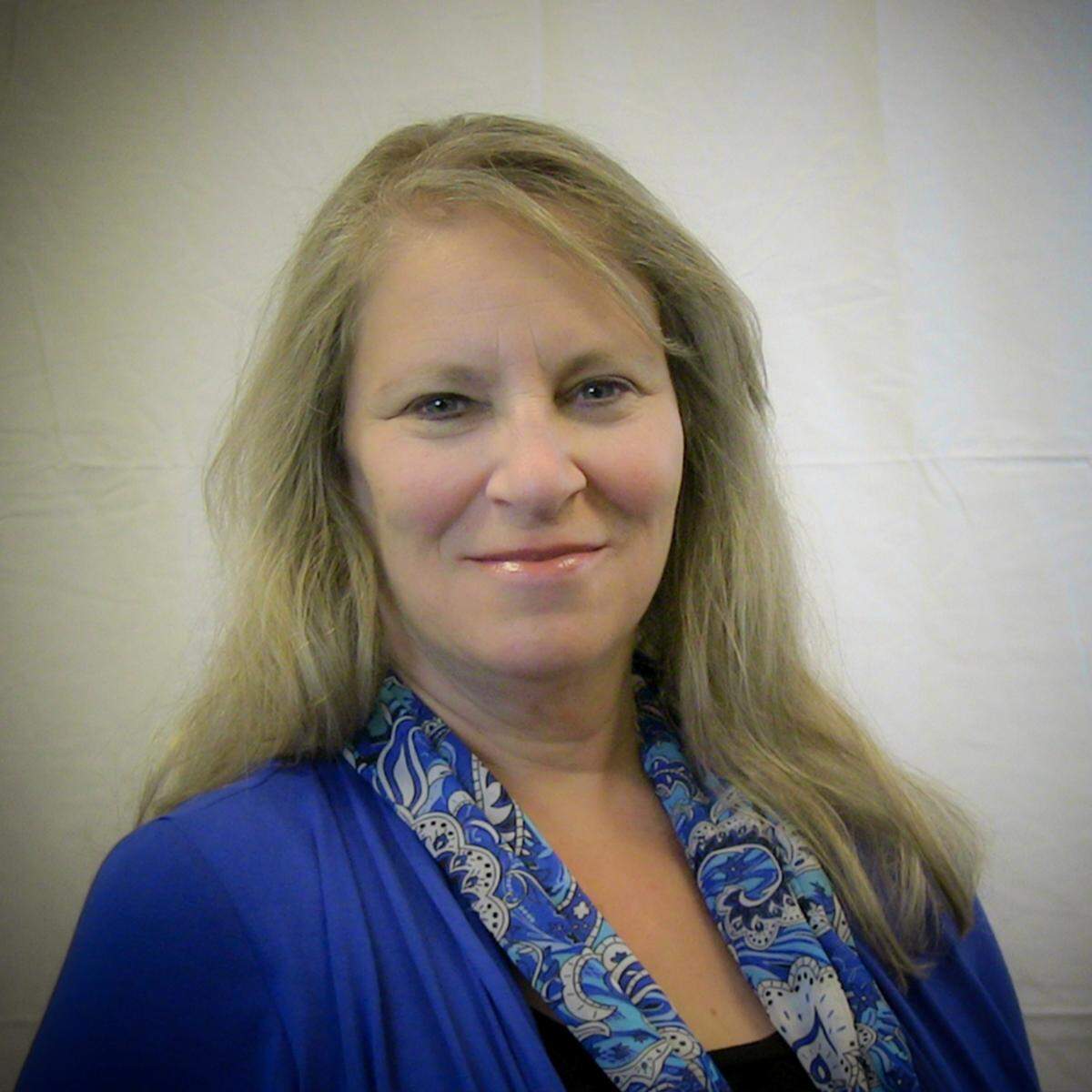
Borenstein said she thinks the cost of housing and childcare are big barriers that need to come down. Medical reimbursement rates should also go up, she said.
Borenstein added: “Certainly the county Board of Supervisors, others in the housing community are trying to deal with that high cost of living, but that’s an enormous lift.”
This story was originally published February 12, 2025 at 5:00 AM.
CORRECTION: An earlier version of this story mischaracterized Dr. Penny Borenstein’s thoughts on Medicare reimbursement rates. She believes they should go up in the future.