Some SLO County doctors offer an alternative to basic primary care — but it comes at a price
READ MORE
SLO County’s doctor shortage: A 5-part series
This series examines the shortage of both primary care and specialty physicians in San Luis Obispo County, what it means for patients and doctors and what can be done to improve the situation.
Expand All
Many SLO County residents can’t find a primary care doctor. What’s causing the shortage?
Insurance hurdles, long wait times prevent SLO County patients from seeing specialists. Why?
Struggling to see a doctor, SLO County patients turn to ER, urgent care — and even Mexico
Some SLO County doctors offer an alternative to basic primary care — but it comes at a price

SLO County doesn’t have enough primary care doctors. What could fix that?
Editor’s note: This is the fourth in a five-part series exploring health care access in San Luis Obispo County.
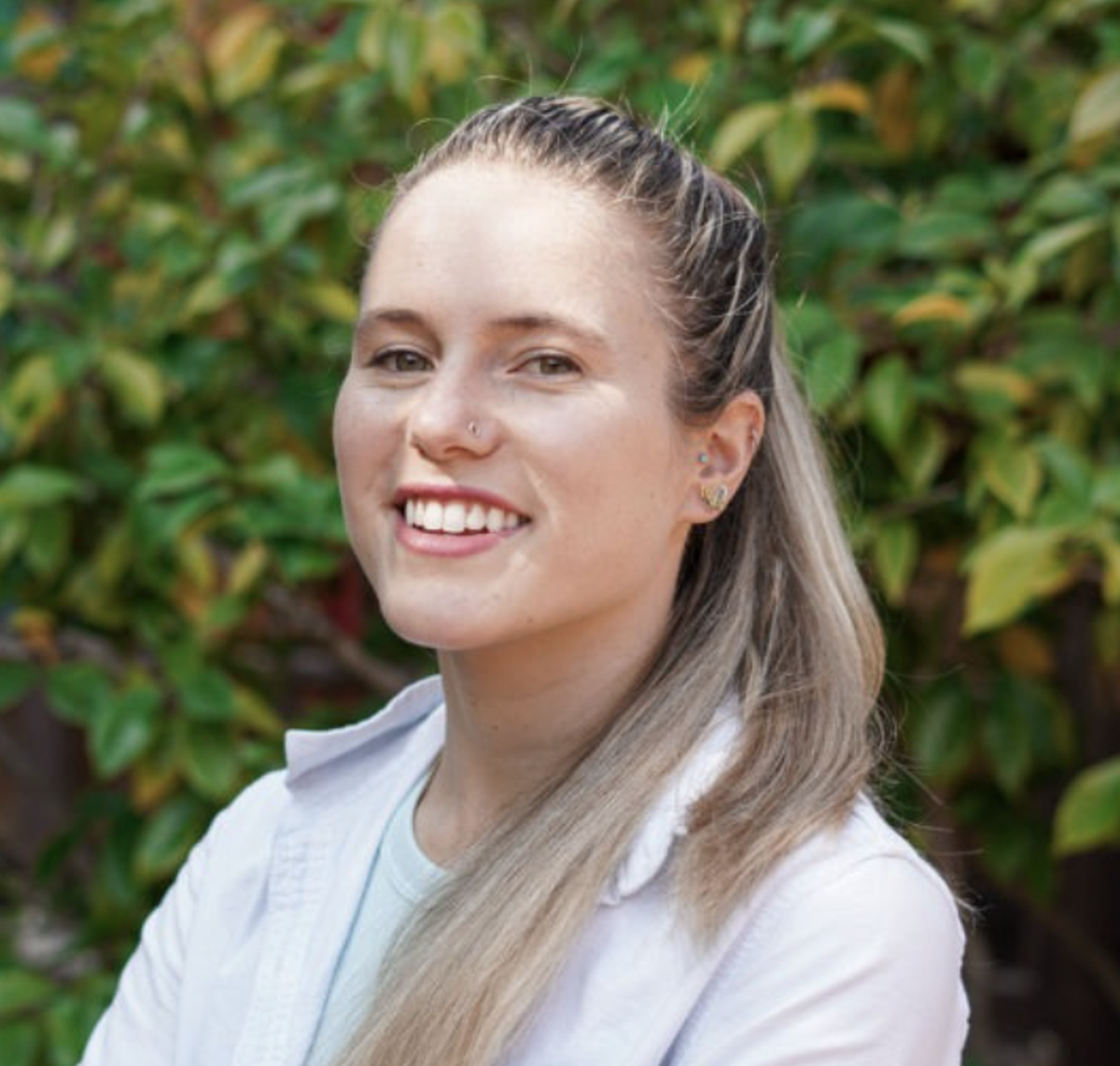
Family medicine practitioner Dr. Farnaz Pirayesh has lived on the Central Coast for more than a decade.
Most recently, she opened up a membership care practice in San Luis Obispo that relies on fixed fees — rather than taking patients’ insurance. After practicing for about nine years in Santa Maria, she opened Monarch Primary Care on Sept. 1, 2023.
There, Pirayesh offers a variety of services, from acute and chronic care, preventive health and pediatrics, to weight loss, sport injuries and discounted medication.
In Pirayesh’s membership care model, patients pay a monthly fixed fee for longer, unlimited visits. It’s an alternative that more and more providers and patients are turning to in San Luis Obispo County as local difficulties accessing primary care create backlogs throughout the medical industry.
“Patients want to have a doctor they have access to — that is one of the biggest things,” Pirayesh told The Tribune. “Lack of access to a primary care doctor can be really taxing.”
Patients come to her for all sorts of reasons, from chronic illness like hypertension, diabetes or depression to preventive medicine.
“I try and solve their problems, as opposed to just having a very rushed, 10- to 15-minute visit with them, and I think that really makes a world of difference,” Pirayesh said.
At her practice, Pirayesh has a patient load of no more than 600 people, as opposed to the thousands of patients typically on primary care providers’ rosters. She has been accepting new patients.
This combined with other perks, like Pirayesh’s ability to prescribe generic medications at wholesale prices or request imaging, are enough incentive for her patients to pay a monthly services fee of $125 for unlimited visits.
“The goal is to optimize your health and reduce urgent care and emergency room visits and rate of hospitalizations and re-admissions to the hospital,” a page on Pirayesh’s website says.
For Pirayesh, it’s a model that just makes sense.
She said the traditional insurance plan model is affordable for neither patients — especially with high deductibles — nor private practices that must absorb administrative and billing costs from unfavorable insurance policies.
“I think this is the right way to practice primary care medicine,” Pirayesh said. “The insurance-based medicine, corporate medicine, is not a sustainable way to practice primary care.”
As part of its five-part series exploring health care access in San Luis Obispo County, The Tribune looked into membership and concierge models to understand both the advantages and downsides of paying fixed fees for access to a doctor.
What is membership model primary care?
With concierge or membership medicine, patients pay anywhere from a few hundred to a few thousand dollars per year for consistent, personalized care.
The idea behind the concierge or membership models is that doctors have a cap on the number of patients they see per day, allowing for more individual time dedicated to each patient and less stress with having to churn out high numbers of patient visits.
Concierge medicine has been on the rise over the last two decades.
In 2021, Scientific American published an article that estimated about 12,000 U.S. physicians were practicing concierge medicine.
Though it’s difficult to know exactly how many doctors have switched to concierge medicine locally, The county’s Public Health Department said in a 2024 bulletin that they saw a “proliferation of concierge medicine” popping up throughout the county.
And while there are definite benefits, there are some drawbacks as well.
The doctor’s accessibility increases with concierge medicine, but only for the select few patients who pay for it.
Those who can’t afford it or aren’t willing to pay what amounts to a health care subscription to see a doctor don’t benefit from the model.
Membership models also defeat the purpose of insurance when patients end up paying extra for access to a doctor — even as they are paying for insurance coverage elsewhere.
That’s because patients who choose concierge care must still maintain insurance to cover any medical care beyond what their primary care doctor can do.
No copays, no surprise bills: Doctor explains benefits of concierge care
Dr. Lindsey Faucette, a primary care provider in San Luis Obispo, has practiced medicine since 2013.
Faucette started her career working at the Marian Family Medicine Residency Program in leadership and teaching roles. That is, until 2019 when she started running a clinic that offers direct primary care through a membership model. She said it looks similar to concierge care.
In Faucette’s practice — which has been accepting new patients regardless of insurance plan — patients pay a flat monthly rate depending on level of care and experience of provider. Patients can opt for unlimited virtual or in-person visits with a physician or with a nurse practitioner who, Faucette said, can still provide the same level of care as a doctor but who has slightly less training.
Faucette said under the model she has more time to spend with patients. It also reduces physician burnout. For patients, the model is more financially transparent.
“Patients in my office will never get a surprise bill,” Faucette said. “They’ll never have to pay a copay.”
Faucette said that fee-for-service, the traditional payment model in which providers are reimbursed for each individual service or procedure performed, has been to blame for the extra stress placed on physicians.
“There are alternative payment models that ... really benefit patients,” Faucette said. “Maybe a doctor is only seeing 12 patients a day instead of 25 to meet the requirements for keeping a practice running.”
Certainly, membership care is not for everyone.
For one San Luis Obispo man, the idea of paying an additional fee on top of healthcare insurance he’s received through his career in state government seems absurd.
Nipomo resident Lee Goldenberg has tried to find a primary care provider closer to his home for nearly a decade. He’s even considered moving away from San Luis Obispo County just to have access to a regular primary care doctor.
Goldenberg, 77, said although he could afford to pay for concierge care, it’s a matter of principle for him not to.
“We would go and pay $2,000 to $2,500 dollars per person for concierge just to have — and this is really funny — to just have access to a doctor,” Goldenberg said.
For Goldenberg, the question of fairness has also been important.
“If we have to, you know, we’ll pay,” Goldenberg said. “The bigger picture is, what about the people that can’t?”
Why SLO County physician wouldn’t turn to membership model
The membership model isn’t for everyone, however.
Primary care physician Dr. John Davis, who runs a private practice in Paso Robles, said concierge medicine still can’t address the low ratio of physicians to patients because of caps on patient rosters and additional membership fees.
Davis said many concierge practices take 600 patients at most
“That means you’re leaving 2,000 patients out there to find more care,” he said.
It could also cost patients thousands of dollars “just to put their foot in the door” of a concierge clinic, Davis said.
On the clinician side, Davis said he could “totally get” where concierge physicians are coming from. But when The Tribune asked Davis about why he has chosen to not charge membership fees, he said it comes down to his roots with the community.
“My family’s been here since 1875,” Davis said. “Half of my patients, I either went to high school with them, or I’m related to them.”
Davis said there was “no way on God’s great Earth” that he would turn away his community. He has made some capitulations, however.
To cover some expenses like reporting and additional administrative work tied with insurance requirements, Davis said he’s instituted a $10 monthly administrative fee.
“At least that way I can make ends meet and give my staff a raise,” Davis said.
In the final story of this series, The Tribune will look at potential solutions for resolving healthcare shortages across the county, from medical student loan forgiveness to changing insurance reimbursement rates.
This story was originally published February 11, 2025 at 5:00 AM.