
‘Death in the family.’ California tribe anguished as water, sacred fish vanish from rivers
READ MORE
California’s missing water
The shortcomings in California’s water governance have enormous consequences as the state faces the prospect of a fourth straight year of drought in 2023.
Expand All
They defied California and drained an important salmon stream. Their fine: $50 per farmer
California should change fishing rules after hundreds of sturgeon die, scientists say
Investigation: Chronic water shortages increase, yet California regulators are unprepared
‘Death in the family.’ California tribe anguished as water, sacred fish vanish from rivers
He was accused of stealing huge amounts of water over 23 years. Here’s why no one noticed
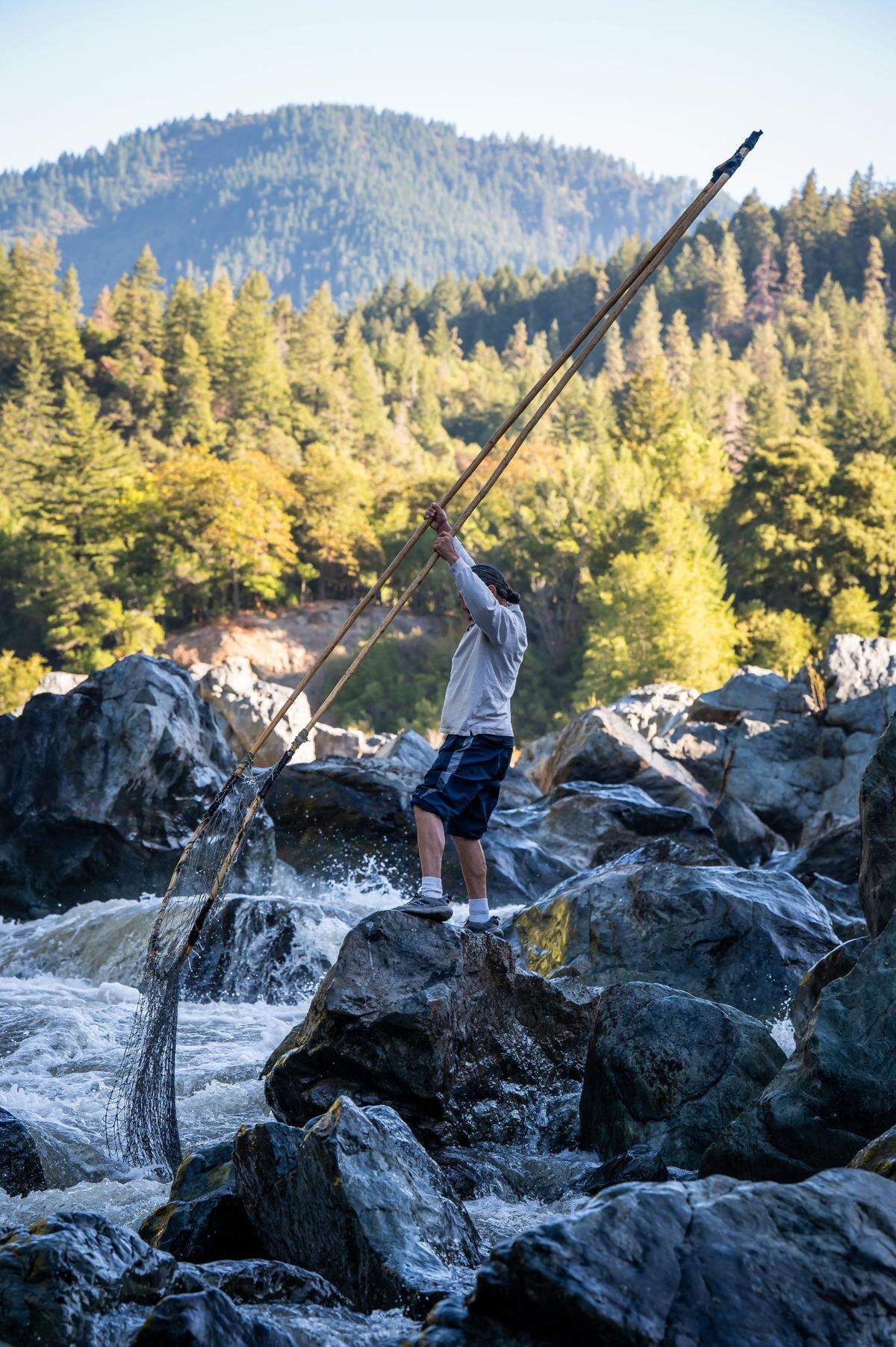
Carrying a pair of 20-foot wooden poles with a net strung between them, Ron Reed shimmied above the Klamath River across wooden boards perched between slippery boulders.
He paused and stared into the white foam. With a lunge, Reed, a 60-year-old fisherman who belongs to the Karuk Tribe, thrust his dip net into the Klamath’s swirling current.
His back and his ropey arms strained against the fir poles as he heaved up two Chinook salmon that thrashed and twisted inside the net. By the end of the morning, Reed and his son-in-law Asa Donahue caught seven salmon.
These days that’s considered a good haul. But it’s barely one-tenth of what they might have caught on a September morning 30 years ago.
“It’s been like a death in the family the last five, six years down here,” Reed said.
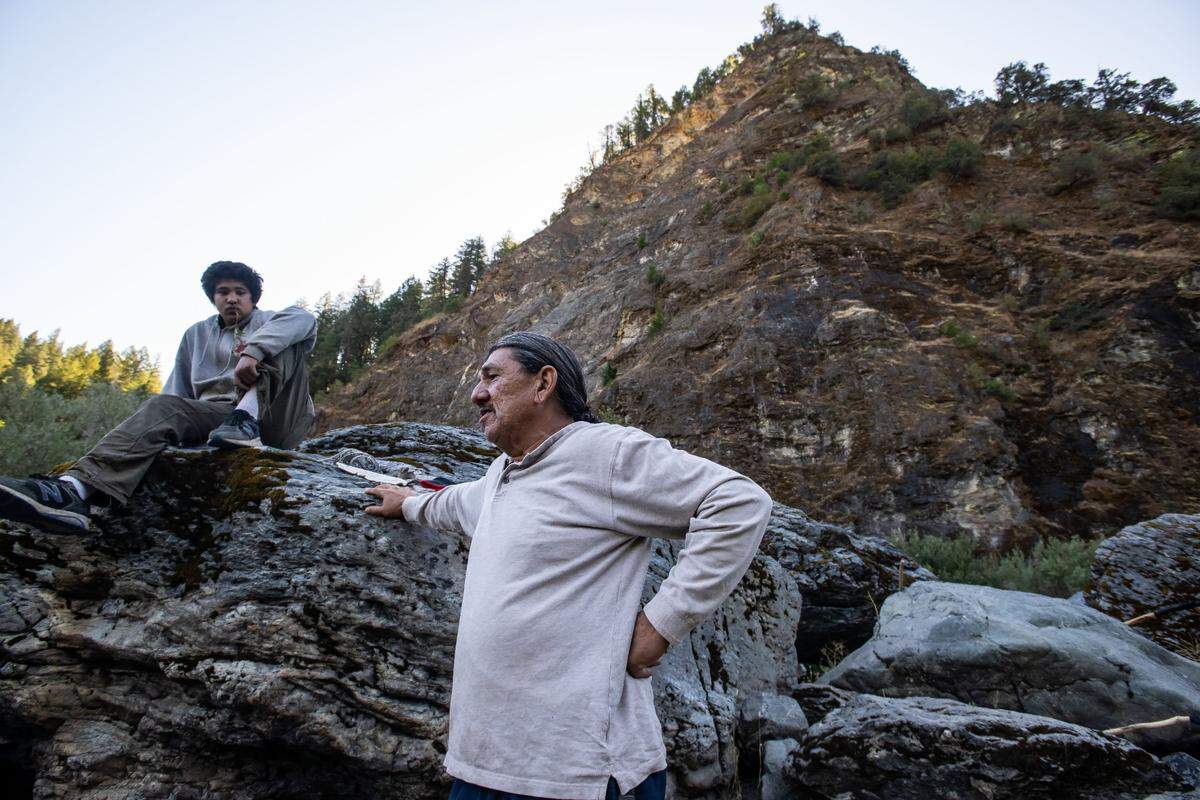
Reed and his fellow Karuk blame the decline of the fish, in large part, on the descendants of white settlers who live upstream. They say agriculture continues to take too much water out of the Klamath and from two important spawning tributaries that flow into it. Furthermore, they contend state and federal regulators aren’t cracking down aggressively enough to ensure the fish survive.
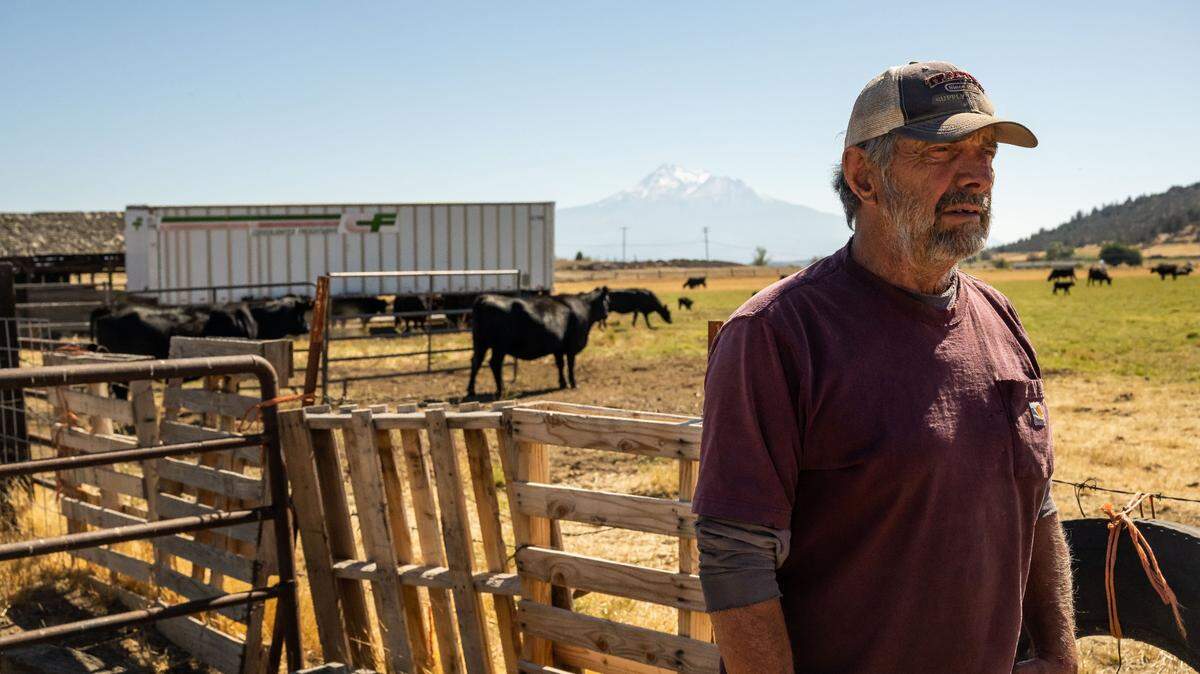
The tribe was furious when, in mid-August, a group of farmers shrugged off the threat of tens of thousands of dollars in state fines and drained much of the water out of one of the Klamath’s tributaries, a move that state biologists said likely killed protected salmon.
“It’s just like a kick in the teeth,” said Arron “Troy” Hockaday, a Karuk Tribe councilman. “Because to me, it’s like they just didn’t care.”
The native people of the Klamath River say it was yet another example of how the system is still disproportionately tilted toward the interests of white farmers. Efforts by Gov. Gavin Newsom and the Biden administration to prioritize tribal input in environmental policy and return natural resources that had been stolen haven’t moved fast enough for the tribes.
The Karuk believe the fate of the world is at stake.
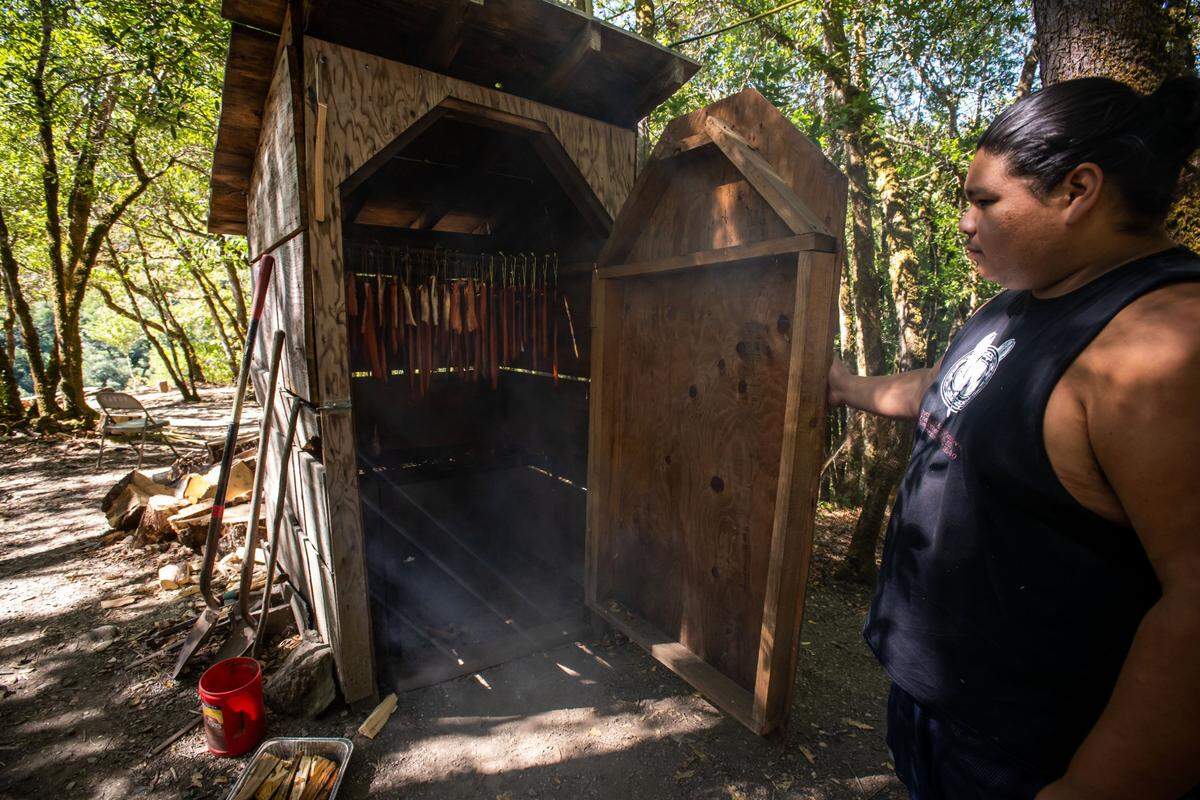
The Klamath’s annual salmon runs aren’t just about food for the tribe, though that’s part of why a handful of tribal fishermen risk their lives on those slippery rocks using more or less the same gear and techniques that their ancestors used for centuries.
These fish are intertwined with their cultural identity and religion — what it means to be Karuk.
The Karuk believe that if the salmon disappear, so will they.
So will everyone.
“When the fish go,” Reed said, “that’s the end of the world.”
And what Reed’s seen these past few years has him worried that the apocalypse is nearly here.
The subjugation of the Klamath River
Depending on the estimate, the Karuk are the state’s second or third largest federally recognized tribe, with close to 4,000 enrolled members.
Drug, crime and alcohol abuse along the river are a longstanding problem. More than half of the Karuk live below the federal poverty line — problems that many Karuk trace back to before California’s statehood in 1850.
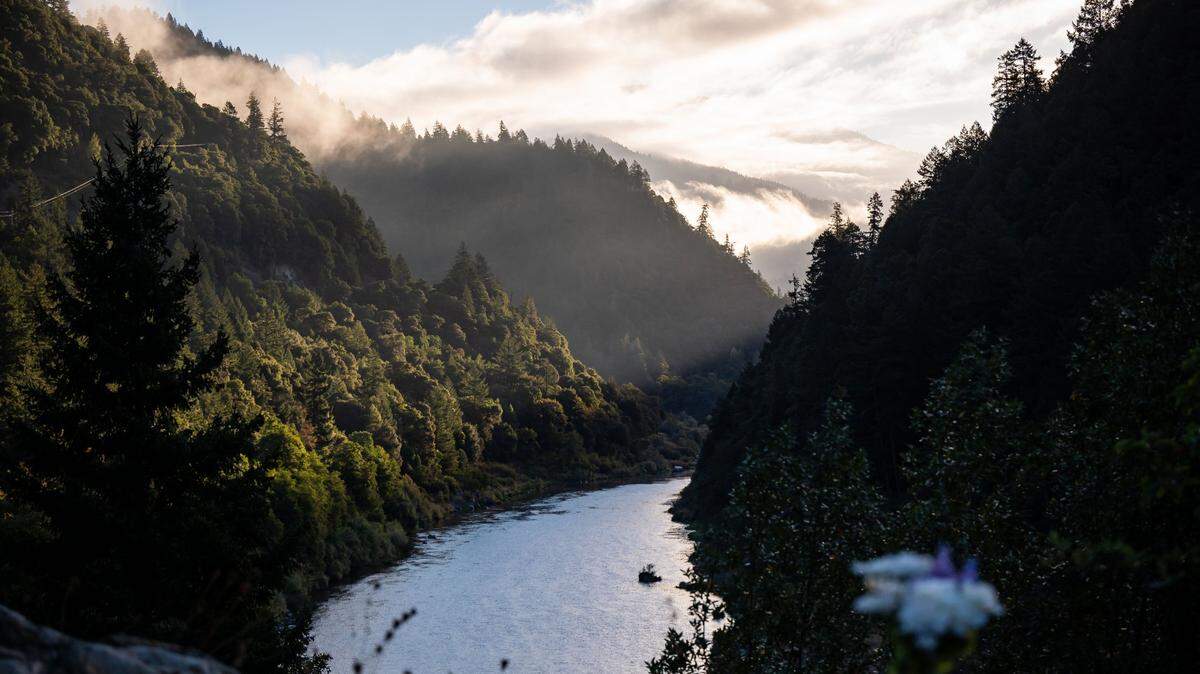
Before settlers swarmed California to mine for gold, cut down trees, grow crops and raise cattle, the Karuk inhabited more than 100 villages along the middle stretch of the 257-mile Klamath River in what’s now Siskiyou and Humboldt counties along California’s northern border.
The annual cycles of migrating coho, chum, pink and Chinook salmon, sturgeon, lamprey and steelhead heading upriver to spawn provided the Karuk and their neighboring tribes a year-round source of food, supplemented by deer and elk and plants such as acorns.
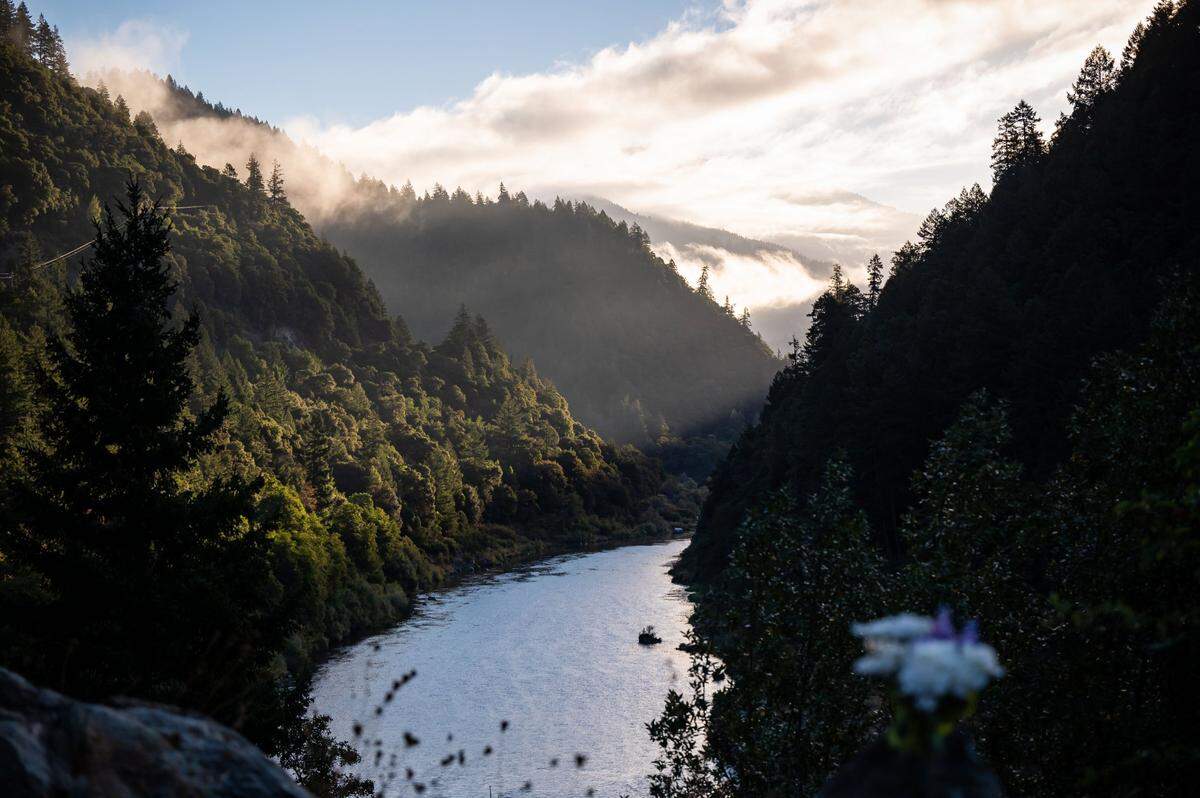
Settlers during California’s Gold Rush brought with them disease and subjugation. Native people were forced from their lands. Their children were taken from their families and placed in boarding schools. It’s only been in recent years that the accounts of rapes and abuse at the boarding schools have been widely shared outside of American Indian tribes.
At the same time, the white settlers and their descendants dramatically altered the free-flowing rivers that were so important to the Karuk and other local tribes.
Miners removed massive amounts of rocks and sand from rivers in their search for gold. Huge piles of these “tailings” still stand along the river channels. They contaminated the rivers with mercury and other toxins they used in the mining process. A century and a half later, those toxins are still being detected in Klamath Basin fish.
In the early 1900s, on the Klamath, power companies began installing massive hydroelectric dams, blocking fish from swimming to more than 100 miles of their spawning grounds. Below the dams, two important cold-water tributaries that provide habitat for spawning fish — the Scott and Shasta rivers — have for more than a century been siphoned off to grow hay and graze cattle.
The salmon have paid the price. Pink and chum salmon no longer swim in the Klamath. Spring-run Chinook and coho are on the edge of extinction. The fall run of Chinook, partly propped up by a hatchery below Iron Gate Dam, is the last remaining salmon fishery on the river.
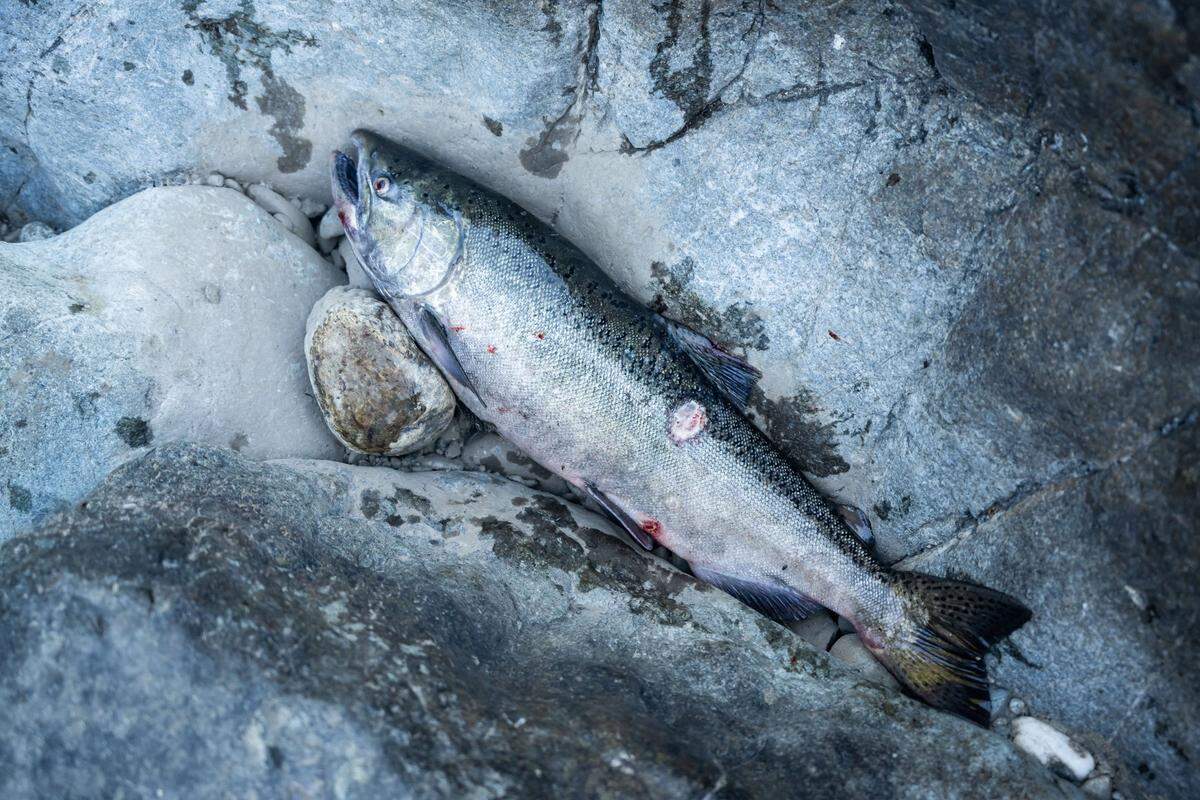
State fishing regulations say the Karuk tribe can catch fall-run Chinook at Ishi Pishi Falls using their traditional dip nets.
In recent years, there have been so few fish in the river that the Karuk have been forced to ask the tribes downstream that have better fishing rights for a few of the salmon they caught so the Karuk could use them in their annual World Renewal ceremonies, which are timed with the salmon’s migration.
It was a humiliating experience for the Karuk fishermen. They consider it a sacred duty — a tradition passed from father to son — to catch fish for the ceremonies and to supply salmon to the tribe.
The Karuk, unlike their downstream neighbors, the Hoopa Valley and Yurok tribes, don’t have a reservation.
Without a large tract of land near the river to call their own, tribal members say gathering for the annual ceremonies help them keep their communities, traditions and religion alive.
But when the salmon don’t show up, it’s hard to be Karuk.
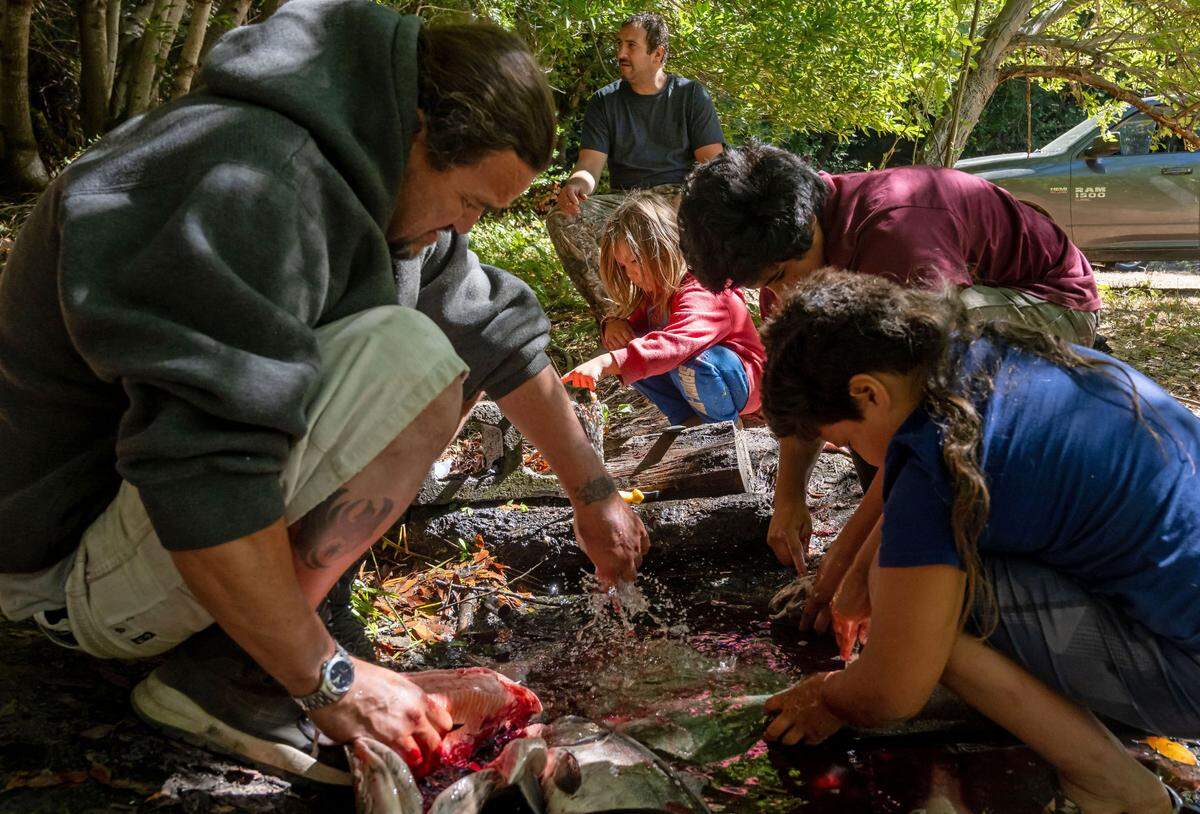
The boys can’t learn how to fish from their fathers. The tribal elders who come for the ceremonies may not get to know the young men tasked with bringing them gifts of salmon that the boys haul up the canyon from the river.
“You can’t teach your kids to do the things we do without the fish,” said Chook-chook Hillman, whose son at 13 had his first opportunity this fall to haul fish up the trail to the tribe’s ceremonial site. The experience only came about because a few fish showed up this year.
As he sat beside the river, Hockaday, the tribal councilman, worried about the future.
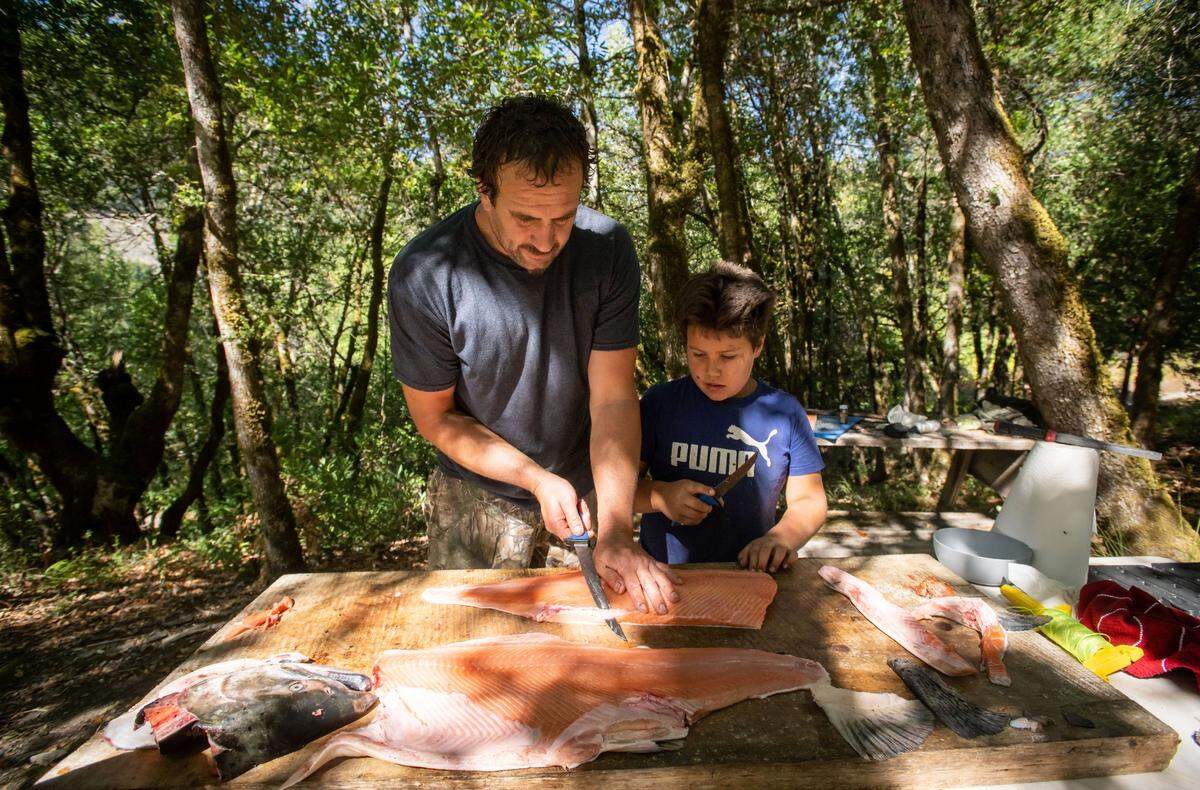
“I want to watch my grandson, who’s 1-year-old today, come up with fish and say, ‘Hey, Papa, here’s your fish,’ while his dad is down here fishing for them,” he said.
The Karuk and other tribes in the area say that in years when the fish don’t show up, it contributes to a troublingly high suicide rate among tribal members. The Yurok Tribe reported a suicide rate that was nearly 14 times the national average between 2015 and 2017.
As a fisherman, Reed understands those stressors better than most.
“This is all I have to keep my spirit going,” Reed said.
Tribes, farmers wrestle over water
The Karuk and environmental groups have been arguing for years that dams on the Klamath should be removed. California and Oregon have settled on a plan to tear four of the dams down to “right some wrongs, address some of our historic mistakes,” as Gov. Newsom put it at the time. Demolition could begin next year.
Separately, the Karuk want state and federal regulators to force farmers on the Scott and Shasta rivers to leave more water for fish in those Klamath tributaries.
Getting regulators on board is one thing, but the events from earlier this summer show limits of their power when challenged by uncooperative farmers.
For a week, the farmers pumped nearly two-thirds of the water flowing down the Shasta — a move that state biologists said likely killed juvenile coho protected under the state and federal endangered species acts.
Jim Scala, the president of the Shasta River Water Association, said he felt he had no choice but to start pumping when his stock ponds dried up and his grazing lands died from not being irrigated.
Scala said he made his decision despite having spoken in the past with tribal members about their worries.
Scala said one of the Karuk told him, “‘My grandson ain’t gonna be able to fish. I’ll never be able to show him how to fish. We won’t be able to catch the fish.’ Well, I understand that. But what about me? My sons and grandsons will not be able to take over this ranch. And that’s our livelihood.”
Hockaday, the Karuk tribal councilman, said Scala’s choice represented another example of whites taking resources from struggling native people.
“They’re saying we’re taking their water and their rights from them,” Hockaday said. “But when’s enough? When do we stop giving? When is it time for them to stop?”
The Karuk say that no matter how dry it is, no matter how poor the salmon runs are, the farmers on the Scott River also never seem to sacrifice. The Scott flows into the Klamath a few miles downstream of the Shasta. Crop reports filed with local agriculture officials show the amount of hay grown in the valley doesn’t change much from year to year.
“They’ve never stopped growing the same amount of crops,” Reed said.
But Jeff Fowle, a rancher in the Scott Valley, said those stats don’t tell the whole story.
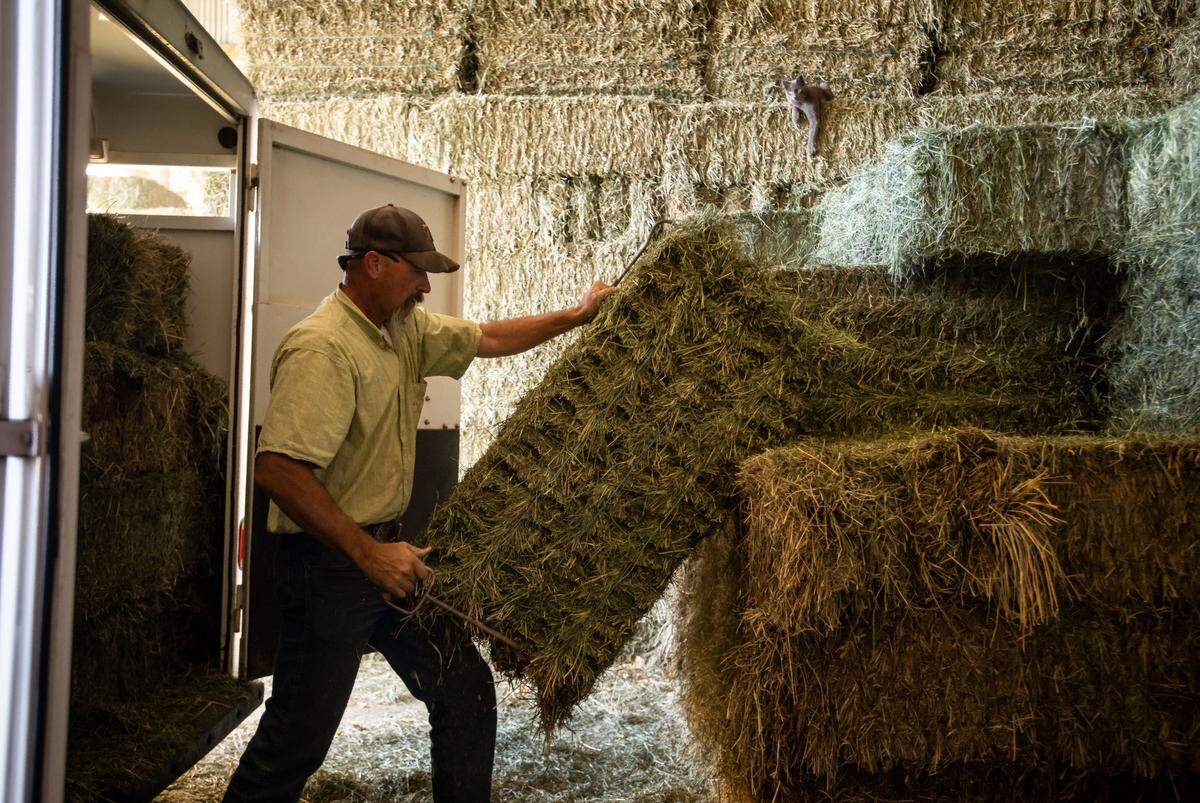
He said Scott Valley ranchers have been using far less water to irrigate their crops in recent years.
They’ve switched to more efficient irrigation systems. They’ve cut their water use to comply with the state’s drought curtailment orders. They’ve restored habitat along the river, Fowle said.
“We’ve been trying to be holistic in our management,” Fowle said. “Good for us. Good for the environment. Good for the fish. And we keep getting hit with a hammer.”
The Karuk aren’t buying it.
“They’re bragging about using zero surface water,” Reed said of the farmers’ cutbacks. “But I’m seeing sprinklers. When it’s hotter than hell, the sprinklers are going.”
After recently driving through the miles of green alfalfa and hay fields in the Scott Valley, Reed said it was as if “there’s a river flowing out onto agriculture.”
He understands that the farmers are just trying to make a living, but Reed believes their methods aren’t sustainable in a rapidly declining world.
“Ag’s going to be gone if we don’t monitor them,” he said. “The same way our fish will be gone.”
BEHIND THE STORY
MOREWhy did we report this story?
Practically every Californian knows the state is in another drought — and is likely to face chronic water shortages for the foreseeable future. But few Californians understand the multi-layered and convoluted system that governs the state’s most precious resource.
California’s water rules — an amalgam of state and federal laws, court decisions and individual water rights that have been around for decades — have become a kind of straightjacket that makes it increasingly difficult for state officials to regulate usage and crack down on scofflaws. Many water users have senior rights that give them wide latitude to pull as much water from the rivers as they like.
The issues become acute in times of drought, when water is in short supply and every additional drop taken by one person comes at the expense of their neighbor or the environment. With a fourth year of drought looming, The Sacramento Bee decided it was time to look at whether California can police its water system.
Where did the idea come from?
The State Water Resources Control Board was clearly trying to make a statement when, in mid-August, it announced that it was issuing a notice of violation against a group of Siskiyou County ranchers who’d pulled water from the Shasta River in open defiance of a drought-cutback order. Keying off this case, reporters Ryan Sabalow and Dale Kasler spent the next two months examining the effectiveness of California’s efforts to regulate water usage.
How did we report it?
Sabalow and Kasler interviewed more than two dozen water-law experts, environmentalists, lawyers, policy makers and regulators to get a more thorough understanding of how the system works — and how it often falls short.
Sabalow took two separate trips to Siskiyou County to interview ranchers, including one who led the August rebellion. Given a rare glimpse of a world usually sealed off to outsiders, Sabalow and Bee visual journalist Xavier Mascareñas also were allowed to watch Karuk Tribe fishermen pull salmon out of the Klamath River, at one of their most sacred cultural and religious sites. The tribal members explained in detail how they believe unauthorized water diversions are wrecking fish populations and harming the tribe’s livelihood and cultural identity.
Kasler interviewed officials with the state water board and reviewed hundreds of pages of court filings and other documents, plus reams of state data about water diversions. He traveled to the Delta to meet with a farmer whose water district had just won a significant legal victory against the state to protect farmers’ water rights. Kasler also traveled to the San Joaquin River below Friant Dam, northeast of Fresno, to learn how water vanishes from the river, undermining a federal program aimed at restoring salmon populations.
This story was originally published November 3, 2022 at 6:00 AM with the headline "‘Death in the family.’ California tribe anguished as water, sacred fish vanish from rivers."