‘A region with known active faults.’ USGS scientist assesses earthquake in eastern Sierra
READ MORE
More earthquake coverage
Read more coverage of Thursday’s earthquakes that shook Central and Northern California, and the Sierra Nevada:
Expand All
Austin Elliott, a research geologist with the U.S. Geological Survey, was in a San Francisco high-rise Thursday afternoon when an earthquake jolted a remote stretch of Mono County more than 200 miles away.
“I felt the earthquake fairly strongly,” Elliott told reporters afterward. “I’m in downtown San Francisco on a relative high floor. That certainly amplified the experience compared to neighbors and friends who did not feel the earthquake.”
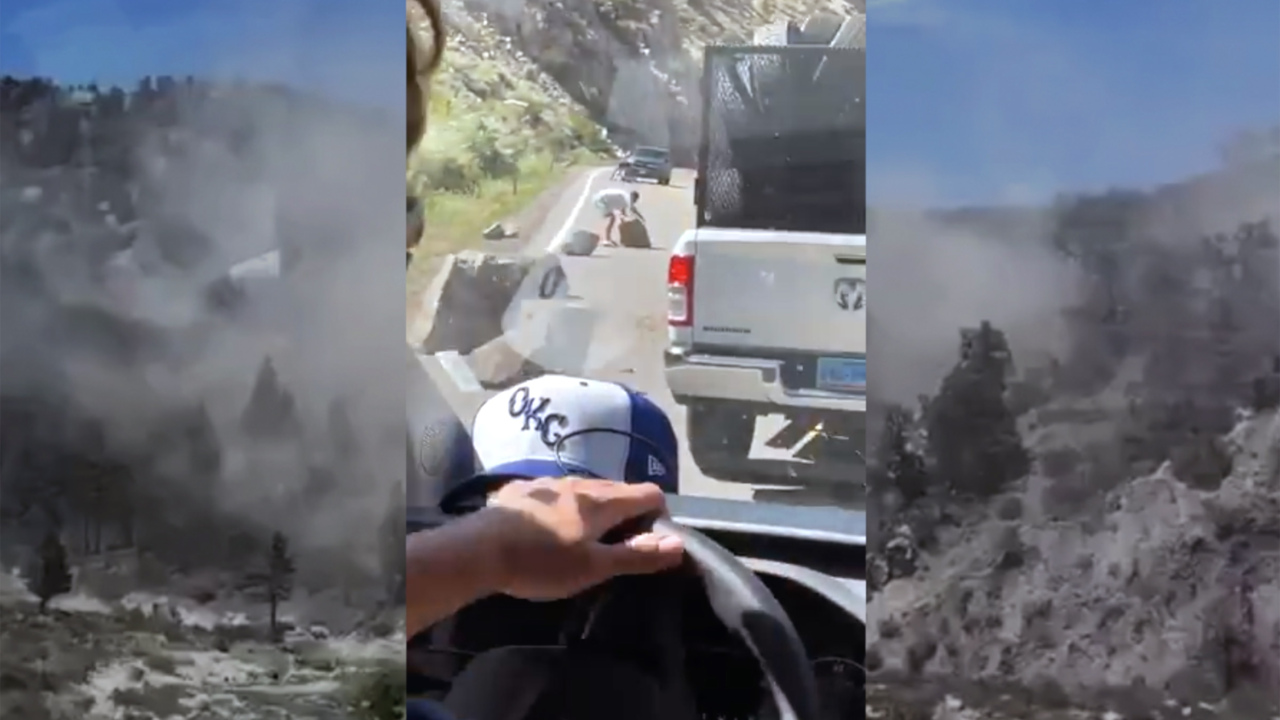
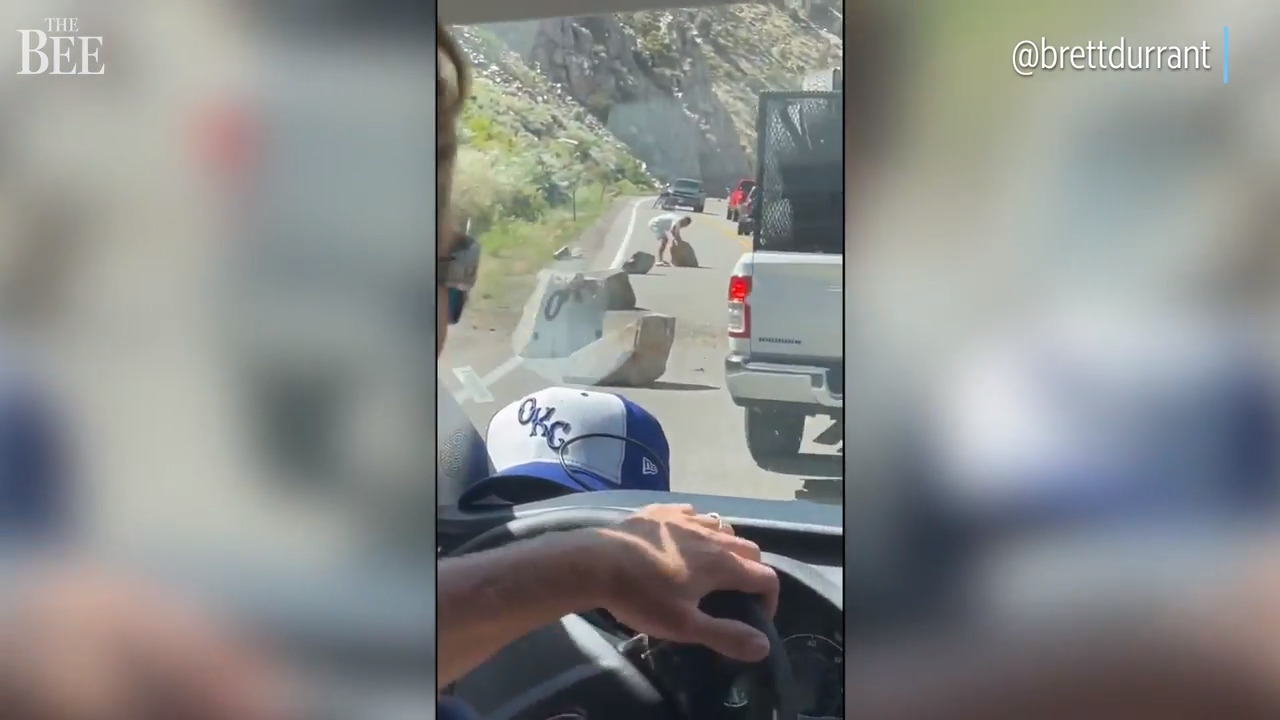
Within two hours, he said the earthquake had spawned nearly 40 aftershocks, was upgraded to a magnitude 6.0 from 5.9, and was given a name: the Antelope Valley Earthquake, for the region where the epicenter was pinpointed at the base of the Sierra Nevada, not far from the Nevada border.
Elliott said the largest of the aftershocks registered at 4.5, and shocks were still being reported a couple of hours after the initial jolt. There’s about a 6% chance of an aftershock hitting that’s at least as big as the main 6.0 quake, which he called unlikely but “within the realm of possibility.”

While scores of residents of Sacramento said they felt the quake — a relative rarity for the Sacramento region — Elliott said the quake was felt as far away as Visalia, Las Vegas and east of Carson City, Nevada.
He said it wasn’t surprising that the quake made its presence known across such a wide expanse. “It was a fairly large earthquake,” he said. “Another factor was that it was 3:30 in the afternoon. People were awake, attentive.”
He called the earthquake “moderate to strong — that’s enough to knock things over, make you rattle.”
Also not surprising was that the quake happened at all.
“It’s a region with known active faults,” Elliott said. “This is a classic place geologists go to study.” There have been about two-dozen earthquakes of this magnitude in the region in the past 50 years; Thursday’s was the largest in the vicinity since a 6.1 quake in 1994.
He said it’s typical for an earthquake’s magnitude to change after the initial reports. The upgrade to a 6.0 “is nothing unusual, nothing to be worried about,” he said.
It’s also fairly common for mistakes to be made in reporting. In this case, the earliest reports on the USGS’ “shake alert” system had a second earthquake, at magnitude 4.8, reported at Farmington, just outside Stockton. That was soon erased from the agency’s website.
Elliott said the mistake happened because “our instrumentation is sparse (in areas) away from the large population centers,” and the initial reports misidentified the epicenter. Once that happened, a wave that was felt in the Farmington area was misidentified as its own quake.
This story was originally published July 8, 2021 at 6:38 PM with the headline "‘A region with known active faults.’ USGS scientist assesses earthquake in eastern Sierra."
.png)