
Tribune won’t stop telling the truth about Chris Bausch, despite threats | Opinion
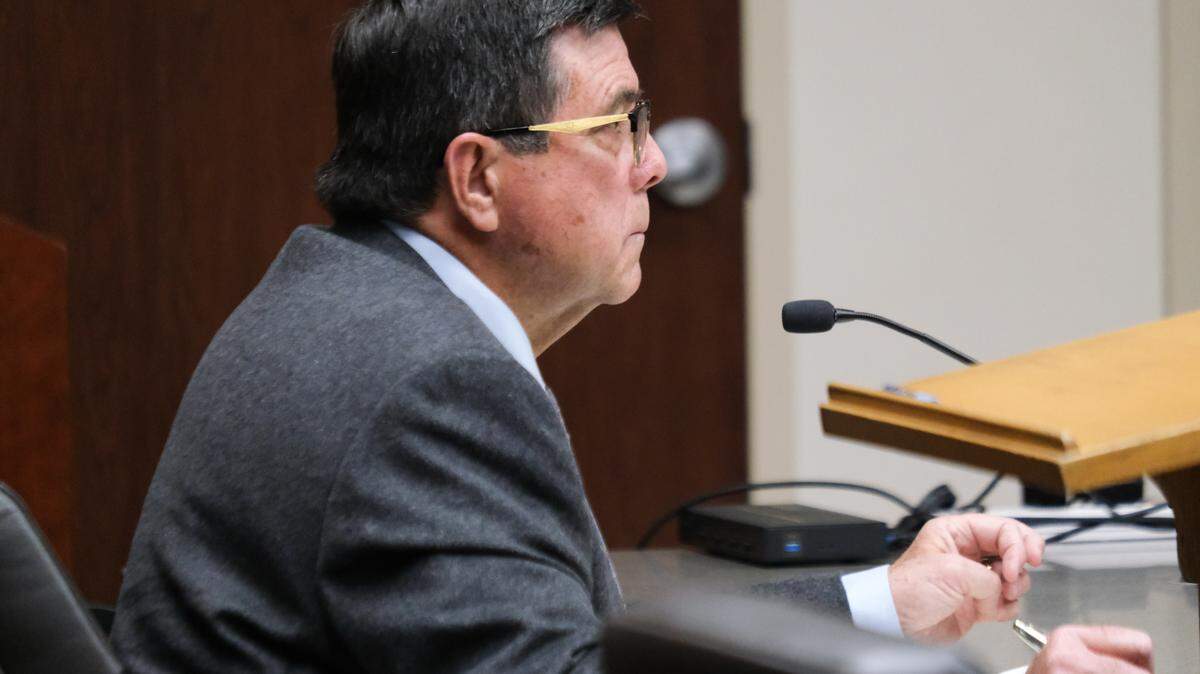
On Monday, a week after The Tribune settled its public records lawsuit with the city of Paso Robles and Councilman Chris Bausch, the lawsuit and cross complaints were officially dismissed and a scheduled court hearing was canceled.
The case was over. Or so we thought.
On Tuesday, much to our surprise, Bausch’s attorney Craig Robson sent a letter to The Tribune and the city, demanding both parties “cease and desist any and all false statements concerning my client.”
Robson’s letter — one of the more flagrant, amateur examples of gaslighting we’ve ever seen — then goes on to provide some so-called “evidence” to back up the demand.
For the benefit of our readers, we will go through the misinformation one statement at a time:
BAUSCH’S STORY: “The evidence in this matter is clear that our client worked tirelessly and in good faith to respond to multiple Public Records Act (”PRA”) requests.”
THE TRUTH: This so-called “evidence” couldn’t be any less clear.
Other than the Angela’s Pastries recording, which Bausch only released after first leaking it to Karen Velie at Cal Coast News, Bausch spent nearly five months claiming he was searching his personal devices while turning over nothing.
Robson goes on to cite an article that backs up delayed PRA responses, saying, “it sometimes takes weeks — even a few months — to respond to requests.”
However, in its cross-complaint against Bausch, the city said that it had gone to “great lengths” to get him to follow the law, only to be stymied repeatedly with a variety of what it deemed unacceptable excuses.
“Bausch simply did not respond to many of the CITY’s overtures for his participation in the search. In December 2024 and January 2025, BAUSCH expressly stated that he would not perform such a search and/or produce such records — irrespective of whether the records were exempt or privileged,” the city said, adding, “Bausch has provided varied, unsubstantiated, and unlawful reasons for his refusal to comply with the (California Public Records Act).”
The city summed up its position: “Based on the foregoing, Bausch has violated his obligations under the CPRA.”
The facts are, despite the best efforts of The Tribune and the city, Bausch refused to follow the law and turn over the relevant records from his private devices.
When he finally did, it only occurred at the order of a judge after The Tribune sued.
Suffice it to say, if you need a judge to force you to do something, you are not working “tirelessly and in good faith.”
BAUSCH’S STORY: “Our client conducted over 700 searches of his personal devices by May 9, 2025, and attempted delivery of over 550 emails and 3,200 text messages to the Tribune, but instead delivered them to the City arising from the City’s objection in open Court to Bausch sending records to the Tribune first.”
THE TRUTH: The claim that Bausch attempted delivery of a big batch of texts and emails to The Tribune first popped up in language Robson added to the settlement agreement that was finalized on Sept. 8.
If Bausch did try to send documents directly to The Tribune on May 9, about two months after The Tribune sued him and which we have no evidence of, he was doing it in violation of Judge Michael Kelley’s order that the city be allowed to review the records first.
That process was explicitly laid out and made crystal clear to Bausch in the very first court hearing a month earlier on April 9.
But he was acting as his own attorney at the time, and you know what they say about people who do that: “A man who is his own lawyer has a fool for a client.”
BAUSCH’S STORY: “The city’s subsequent decision to settle the matter and pay $27,000 in attorneys’ fees, which represents all fees incurred by him, exonerates our client and further demonstrates that it was the City Attorney — not my client — who acted contrary to law.”
THE TRUTH: This statement is a ridiculous and laughable interpretation of what actually happened.
The city paying Bausch’s legal fees in no way excuses him of blame, and it certainly doesn’t exonerate him.
The city was very clear about why it decided to cover Bausch’s fees, against all its true inclinations. And it was solely about limiting the costly financial hit Bausch had already levied on Paso taxpayers.
“While the City considered litigating the cross complaint filed by Mr. Bausch to judgment, the City ultimately determined a settlement and payment of legal fees was the most sensible means to ensure no additional taxpayer funds were expended,” it said in a news release about the settlement.
“Litigating Bausch’s claim against the City for legal fees would have resulted in the expenditure of more general fund dollars,” the city continued. “While the City had a high probability of success, defending Bausch’s claim against the City would have required the City to incur additional, unrecoverable legal fees above and beyond the harassment claim settlement paid to Ty Lewis and the current legal fees expended to defend the Tribune’s lawsuit.”
BAUSCH’S STORY: “We learned yesterday that the Case Management Statement prepared by the City and which was supposed to be joint and impartial, falsely asserts that ‘Council Member Bausch did not fully comply with his legal responsibility.’ This statement is not only inaccurate but directly contradicted by the parties’ executed Settlement Agreement, which affirms ‘Bausch ... was at all times acting in good faith and upon the advice of counsel and anticipating a settlement agreement between Ty Lewis, the City and Bausch.’ The false statement in the Case Management Statement must be immediately withdrawn and corrected.”
THE TRUTH: This is the pièce de résistance of how Bausch and his lawyer are abusing the facts, with impunity.
But you have to read close to see it, because it occurs in those three tiny dots of conveniently removed information in the second quotation.
Without Robson’s misleading and self-serving edit, the line actually reads, “Bausch contends that he was at all times acting in good faith.”
No party in the case but Bausch agrees he was acting in good faith. The Tribune does not. The city certainly does not.
But he and his attorney would have you believe we do by misrepresenting the language of the settlement agreement.
BAUSCH’S STORY: “In light of the following, we demand that you immediately refrain from making, publishing, or filing any statements that misrepresent the terms of the settlement or the facts underlying this matter.”
THE TRUTH: We have never misrepresented the terms of the settlement, and we will continue to not misrepresent them by calling out any distortions Bausch and his lawyer try to foist on the people of Paso Robles.
BAUSCH’S STORY: “Any attempt to distort these facts, including suggesting that our client failed to meet his legal responsibilities, is misleading, contrary to the record, and will be treated as a deliberate misrepresentation. Continued misstatements will expose both the Tribune and the City to liability for defamation, sanctions, and other appropriate remedies.”
THE TRUTH: Bausch and his attorney can wave around any threats they like, but we will not allow the councilman to whitewash the expense he has caused the city of Paso Robles or to rewrite history.
We could only be held liable for defaming a public official like Bausch if we made false statements about him with “actual malice,” commonly known as “a reckless disregard for the truth.” We also have an absolute privilege for a fair and true report of judicial proceedings like the PRA lawsuit.
Since we now have and always have had the truth on our side, we are unfazed by this bullying, which is vintage Bausch, by the way.
His attorney should know this, and if he doesn’t, he might want to take a refresher course on libel law.
BAUSCH’S STORY: “We reassert our demand that the entirety of the Ty Lewis investigation report be released immediately.”
THE TRUTH: On this, we agree, which is why we sued for and obtained a summary of the investigation. On everything else, kick rocks.
This story was originally published September 24, 2025 at 2:01 PM.