
Are there more gophers on the Central Coast? Digging rodents more helpful than you may think
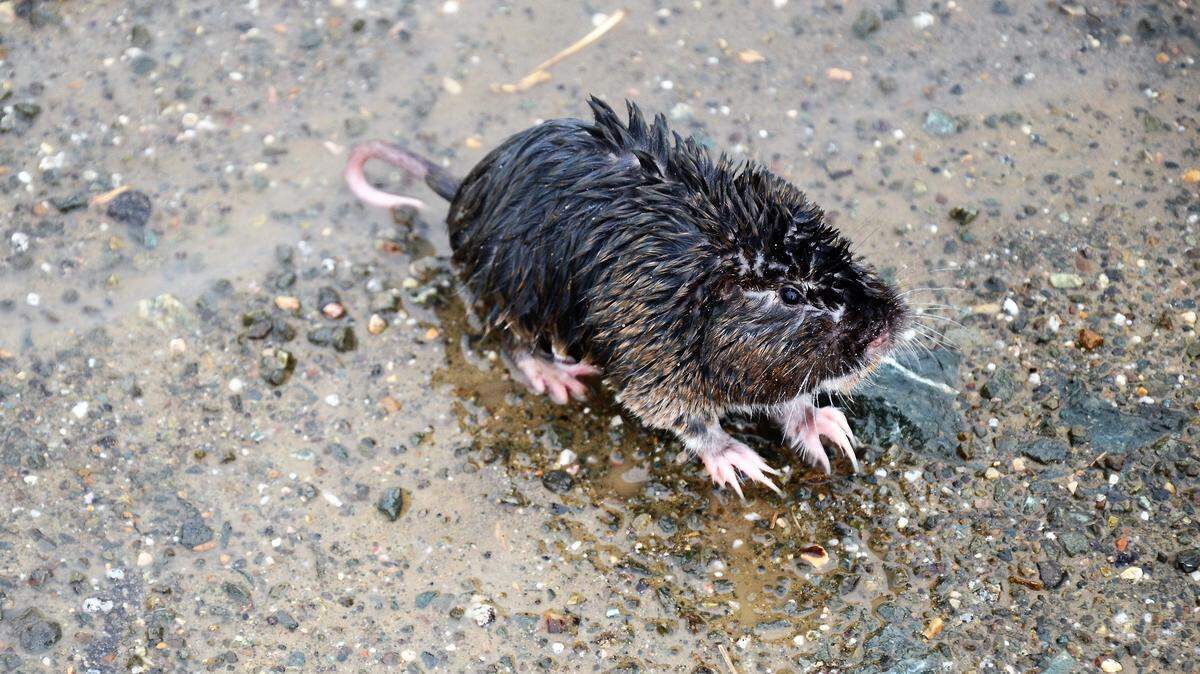
On our evening walks with our dog CoBe, my wife Trish and I have noticed a marked increase in pocket gopher mounds on the fields and lawns throughout Los Osos. No wonder, one gopher can bring about 2.25 tons of soil to the surface each year. They are named for their cheek pouches, or pockets, to transport food from plants while foraging underground.
I thought of eclectic groundskeeper Carl Spackler, played by Bill Murray in the movie “Caddyshack.” I loved the battle of wits between Spackler and that gopher. Many of us feel the same way when they show up in our gardens or lawns.
To find out if we’re in the middle of a pocket gopher population explosion, I decided to ask Bob Blanchard.
For decades, Terri and Bob Blanchard have raised livestock on the Pecho Ranch — the land between Montaña de Oro State Park and Diablo Canyon Power Plant — and Old Creek Ranch near Cayucos. They have dealt with all sorts of critters, from rattlesnakes to badgers.
In 1992, they started a rotational grazing program at the Pecho Ranch.
The approximately 3,000-acre ranch is divided into 25 pastures or paddocks. The herd grazes a field for several days, followed by a 45-to-60 day (or longer) resting period.
“The point is to mimic the beneficial effects of the migratory herds present during the evolution of our grasslands while eliminating, or at least minimizing, any negative impacts associated with continuous grazing,” the Blanchards told me.
This type of farming allows prey animals to flourish, which provides food for predators, reducing pressure on their herds. Still, the land has become more productive with deeper topsoils and more significant amounts of grasses.
Bob told me deeper topsoil has allowed gophers to flourish because of less ground compaction. In other words, it takes less energy to dig their tunnels.
“Gophers will dig different tunnels for food storage, bathroom, nesting and escape,” he said.
Even though he doesn’t like them near his house, he loves them on the Pecho Ranch.
The massive amounts of soil they move every year aerates the soil. They also provide food for Great Blue herons, owls and raptors such as hawks and eagles, coyotes, badgers, bobcats and snakes. Overall, they are beneficial components of coastal terrace ecosystems.
Bob went on to say that, like many other rodents and small mammals such as rabbits, the pocket gopher population goes in cycles. They only live on average of about three years.
Overall, it’s unclear why we’re seeing more gophers than usual this year.
Here are some fun facts about pocket gophers from animal trapping company, Havahart’s website:
- Gophers often move backward when traveling through their tunnels, using their 4-inch tails for navigation.
- Although gophers have poor hearing and eyesight, they have a highly-developed sense of touch on which they rely heavily for survival. Abundant whiskers and a sensitive tail help gophers feel out their surroundings at all times.
- Gophers turn their cheek pockets inside out to clean them.
Scenic trail winds through Pecho Ranch
With that said, Blanchard’s sustainable practices have been emulated by ranchers throughout the United States.
In fact, Silviculture and Vegetation Management classes from Cal Poly visit the Pecho Ranch, managed by PG&E’s Diablo Canyon Lands Stewardship Program, to learn techniques in land sustainability.
At first, they were skeptical that this type of program would work.
They were “old-school” farmers, but they are sold on it now; their ranches are now all-organic — from the chickens that freely roam under their avocado and citrus orchards at Old Cheek Ranch, to the livestock they raise at Pecho Ranch.
Those who have hiked the Point Buchon Trail that weaves through this beautiful ranch will tell you the Blanchard’s program has been a stunning success, especially those who love California Golden poppies.
Point Buchon Trail offers some of the most scenic views of the Central Coast coastline, perfectly preserved and protected. The trail is a 6.6-mile roundtrip hike and is accessed through Montaña de Oro State Park.
This scenic coastal trail has been open to the public since 2007 and is known for its panoramic views of beautiful headlands and off-shore sea stacks.
The path is open Thursday through Monday, year-round. It’s closed on Tuesdays and Wednesdays, New Year’s Day, Easter, Thanksgiving and Christmas. The summer hours (April 1 to Oct. 31) are 8 a.m. to 5 p.m. To learn more, visit www.pge.com.
This story was originally published April 26, 2022 at 5:05 AM.