
SLO mayor candidates debated COVID-19, housing and racial justice. Here’s what they said
Three candidates running for San Luis Obispo mayor addressed a wide range of issues Tuesday at a virtual debate hosted by Mustang News, including community concerns around homelessness.
Incumbent Mayor Heidi Harmon, as well as challengers Sandra Marshall-Eminger and Cherisse Sweeney, said they’d each look to add more resources or increase levels of partnerships with regional agencies to tackle problems related to a homeless community in the city that appears to be growing.
They also discussed COVID-19, housing, racial justice, business and the local economy.
In recent days, San Luis Obispo has cleared out an estimated 70 transients from the Bob Jones City to the Sea Bike Trail area, and coordinated social service outreach efforts in partnership with local nonprofit organizations and county services.
According to a countywide homeless census in January 2019, the city had 482 homeless people, the most of any other city in San Luis Obispo County, as part of a countywide homeless census. But many believe those numbers have increased since.
John Klevins, a social worker with the San Luis Obispo Police Department’s Community Action Team, estimates 75% of unsheltered people in the city suffer from mental health and substance abuse addictions.
Cal Poly students voting in 2020 election
Representing some potential student voters in the San Luis Obispo election, Cal Poly registered 22,289 students for fall quarter, university spokesman Matt Lazier said, with 4,428 students currently living on campus — about 55% of on-campus bed capacity.
Lazier said it’s unclear how many of the remaining 17,861 could be living locally or at their places of permanent residence, and whether they’d vote in San Luis Obispo or their hometown jurisdictions. About 10% of Cal Poly courses are being held in-person.
It appears many students may be voting in elections out of the area, but there’s no specific data available, according to San Luis Obispo County Clerk-Recorder Tommy Gong.
“A lot of ballots in the Cal Poly’s Kennedy Library drop box are from students voting in the elections outside of this area, meaning likely where their parents live,” Gong said. “I don’t have numbers on that, but that’s what we’ve recognized. I have a sense the registration drives (among Cal Poly students) are not as big as in the past because of the pandemic.”
Here’s what each of the San Luis Obispo mayoral candidates said at Tuesday’s Mustang News debate:
Heidi Harmon
Harmon said that the city’s Measure G sales tax measure, proposing a 1.5-cent increase, could help creating funding to address some of the issues around homelessness and social services.
She said that Measure G, if approved, could provide some resources, including hiring a new staff person to lead the effort on addressing homelessness.
“Measure G could and should be used to keep folks housed,” Harmon said. “We need alternatives to criminalizing homelessness.”
Harmon said that the city will need to community conversation to reimagine what public safety looks likes moving forward, and not just rethink police budget reallocation, with a new chief soon to be hired, but also “other mechanisms of creating funding.”
Harmon proposes a three-point plan for public safety: establishing a civilian review board to address policing and public safety; investing in supportive crisis responders; and collecting more data to better understand how San Luis Obispo police are engaging with the community.
.jpeg "IMG_0704 (2).jpeg")
“We need more social services, in particular, to meaningfully engage with folks who don’t necessarily need an armed officer, but someone with a social services background,” Harmon said. “We need more mental health and trauma informed care.”
Harmon said the city will need to ensure reliable body camera footage and promote community engagement as it selects a new police chief.
Asked about racial justice, Harmon urged steps to make sure people of all races and backgrounds feel comfortable in San Luis Obispo, citing the city’s Diversity, Equity and Inclusion Task Force, headed by Cal Poly engineering student Amman Asfaw, to help identify areas of need for funding and resources. She supports a new city multi-cultural center.
Harmon said she met local Black Lives Matter activist Tianna Arata three years ago, as part of efforts to create community belonging, and feels like not much progress has been made since.
Arata was arrested in July on charges related to her role in a July 21 protest in San Luis Obispo, and since has been charged with 13 misdemeanors. Harmon said she’s concerned about the arrests of Arata and four other protesters, and a lack of progress on diversity, an issue she cited as a concern in her first campaign four years ago.
“We dropped the ball,” Harmon said. “I feel like I’m part of the problem (in efforts to create a community of belonging) ... Why do people, especially young people, risk their lives to get their message out?”
Harmon added that she asked for an action report to learn more about why tear gas was used by city police in the June protest and wants to continue community conversations around tolerance and inclusion.
Harmon additionally cited several city measures to stimulate small business — including the Open SLO program that added parklets in the downtown area, fast tracking of tenant improvements and small business grants offering up to $5,000 for those who need it. She urged continued support to shop locally.
Sandra Marshall-Eminger
Challenger Sandra Marshall-Eminger said that the city of San Luis Obispo urgently needs “more mental health and social workers.”
Marshall-Eminger believes that training is needed to ensure police are interacting with members of the public appropriately.
She’d also like to see community training on non-violent demonstrations that would teach activists about the possible risks and consequences of their actions, adding that arrests and charges can sometimes be avoided.
“I have been a participant in rallies in SLO,” said Marshall, who protested against the opening of Diablo Canyon nuclear power plant and supports racial justice efforts. “There needed to be an event and training for all activists that want to keep doing this. ... That could have happened without all that came later.”
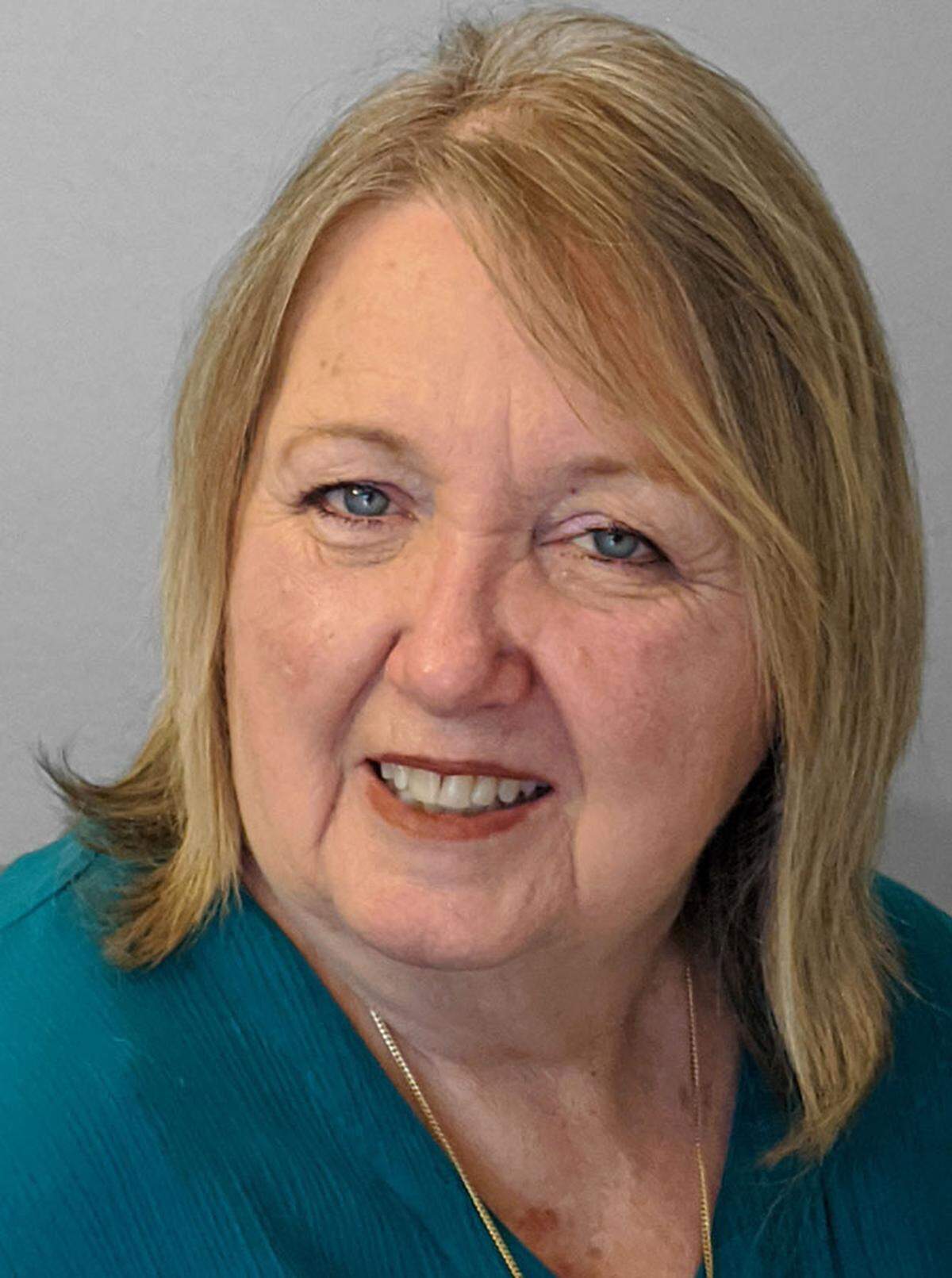
Marshall would like to reestablish the city’s recycling services and bring back a citywide Martin Luther King Jr. celebration.
Marshall-Eminger would like to see a city task force that addresses homelessness issues, and believes that more resources will help people who have fallen through the cracks to get back on their feet.
Additionally, Marshall-Eminger said she also supports enforcing downtown business violations of COVID-19 rules to ensure health and safety.
“We need to go door to door and business to business,” Marshall-Eminger said.
Marshall-Eminger believes that careful development planning is needed to avoid adversely impacting the climate.
“The new San Luis Ranch development is increasing traffic in my neighborhood,” said Marshall, adding the project cut down 500 trees and will add 1,000 cars on the road.
San Luis Obispo City Council members have cited the need for more housing to support demand, and Harmon said the city’s level of affordable housing level is greater than all of the county’s communities combined.
But Marshall says affordable housing should be increased to 25%. The current requirement for specific plan areas is 15%, according to community development director Michael Codron.
Cherisse Sweeney
Sweeney said that citywide homelessness and mental health challenges are among the most important issues the city is facing.
“(Transients) are getting younger and younger,” Sweeney said. “They are victims to drug abuse at younger ages.”
Sweeney said that partnering with county agencies and other regional partners will be critical to improving the situation. She also supports a “task force dedicated to public health and safety.”
“We’ll have sad circumstances if we don’t react to it now,” Sweeney said.
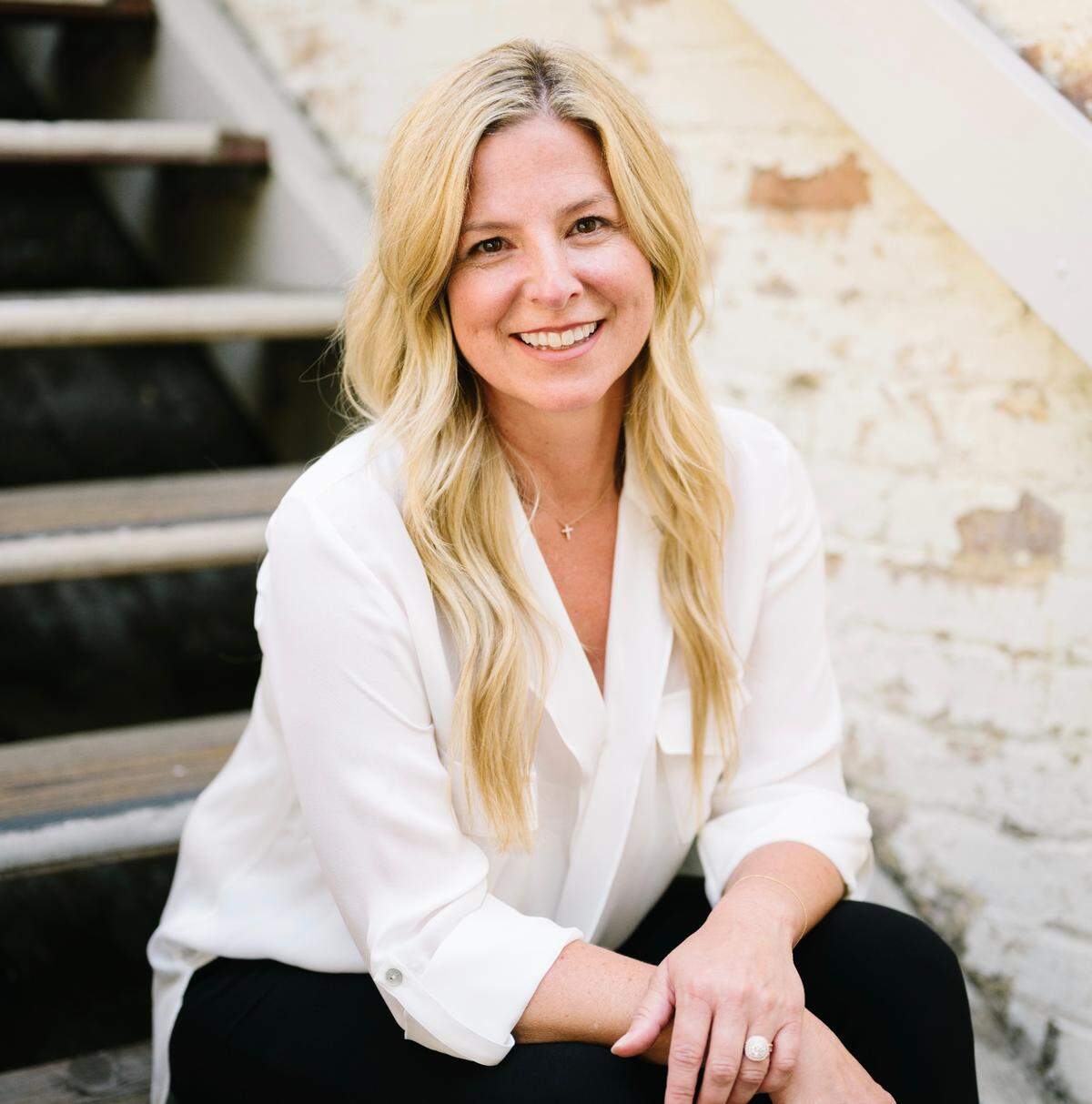
Sweeney, a small business owner, said that she supports finding ways to bring more good and services into San Luis Obispo, instead of having them delivered to the city, which increases carbon emissions.
In response to a question on climate change, Sweeney said she hopes to not alienate developers planning new construction with over-restrictive policies.
Sweeney also said small businesses need more support and resources eight months into a coronavirus pandemic that has been devastating for the local economy.
In response to a question about Arata, Sweeney said “I had the opportunity to meet with Tianna and her mom and a couple of other Cal Poly students who came into my store.”
Her business, Basalt Interiors, boarded up its windows during summer demonstrations, and protester leaders asked her for donations to support their cause. After a lengthy discussion about racial justice, Sweeney said, “we hugged it out and exchanged numbers and agreed to continue the dialogue.”
“We need to guide people in a proactive, positive direction in these very emotional situations,” Sweeney said. “We need healthy solutions that are not going to put anyone in danger or at risk. ... If we have a fundamental breakdown in healthy communications, people stop listening and healthy messages get diluted.”
Black Lives Matter leader reacts to SLO mayor debate
Arata said she listened to the debate and told The Tribune she had a different version of Sweeney’s conversation with Black Lives Matter activists than the one Sweeney presented.
Arata said that she, along with her mother, Michelle Arata, and two other activists, Jalen Hamler and Xavier Moore, met with Sweeney in June, weeks before Arata’s arrest.
“She called it a great meeting,” Arata said. “I thought she was incredibly disrespectful. She was rolling her eyes, and sighing. She was turning her back on us. I felt like she didn’t care about anything we had to say.”
Arata added that she doesn’t feel it’s appropriate to offer guidance to protesters or tell them how to express themselves.
“She has never lived a day being Black in America,” Arata said of Sweeney.
Arata said she and Sweeney haven’t had any discussions since their conversation at Basalt Interiors and a subsequent meeting with a different San Luis Obispo business owner with which Sweeney was involved. Arata said they had discussed continued dialogue about furthering racial equality.
“The only communication was at the very beginning of June,” Arata said. “It was utterly ridiculous they way she was talking about me at (Tuesday’s) debate.”
Describing a two-hour, “difficult conversation” with Arata and other protesters this summer, Sweeney said, “I empathize with where they are coming from, even though our perspectives are different.”
“In my heart, I feel we ended positive,” she said. “It saddens me to learn they walked away continuing to feel unheard or disrespected.”
Added Sweeney, “These are exactly the kinds of difficult conversations that need to be had in SLO, and I intend to continue nurturing them from a grounded, loving place.”
This story was originally published October 28, 2020 at 11:49 AM.
%20Cropped.jpg)