Should SLO County raise sales tax for transportation projects? Voters will decide
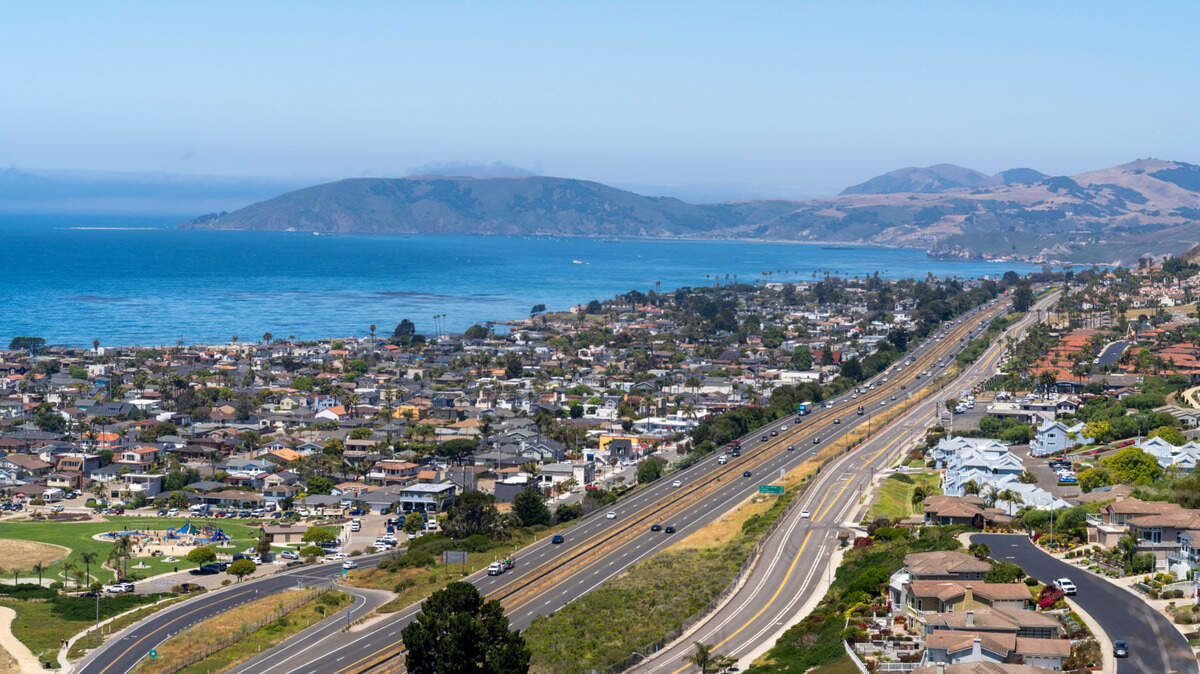
A measure to increase San Luis Obispo County’s sales tax by a half-cent to fund future transportation projects will appear on the November ballot — for the second time in 10 years.
After Measure J failed to capture a two-thirds majority in 2016, the San Luis Obispo Council of Governments, or SLOCOG, pitched a revised transportation tax proposal to local cities and the county Board of Supervisors over the past several months.
In a final 3-2 vote Tuesday, supervisors adopted a resolution to officially place the measure on the Nov. 3 ballot. Prior to the supervisor’s vote, SLOCOG’s board and six cities in SLO County had already approved the transportation expenditure plan.
“This gives the voters a chance to weigh in and say a half-cent extra to be able to use right here in the county to get rid of the potholes, to be able to repair the bridges, to be able to do things to improve our infrastructure is what this is about,” Supervisor Dawn Ortiz-Legg said at the meeting. “So therefore, I am supporting it, and I’m hoping that you will too.”
If the initiative passes, SLO County would turn into a “self-help” county with a dedicated fund for local transportation projects, instead of having to rely solely on state or federal dollars.
Several leaders behind Better Roads for All — SLO County, a citizen-led group that gathered more than 12,000 signatures for an identical measure, showed up to support SLOCOG’s effort at the Tuesday meeting. The group suspended its campaign in April after discovering a critical error on its petition.
“Roads that are in bad or poor condition continue to deteriorate, which leads to not just resurfacing, but reconstruction, which is magnitudes more expensive,” Better Roads for All chair Jorge Aguilar said during public comment. “In less than two months, we gathered all the signatures. This community is ready to move forward. The reality of the need, the downward spiral of the roads — we can’t afford to continue to do same thing and expect that something’s going to change.”
The county’s Central Coast neighbors — Santa Cruz, Monterey and Santa Barbara counties — already have a voter-approved transportation tax in place, along with 22 other counties in California.
According to SLOCOG, the county has lost out on approximately $270 million collected from taxes and around $430 million received from grants awarded to self-help counties over the past nine years.
Since the measure is a special tax, it requires a two-thirds majority to pass due to Proposition 218, the staff report said.
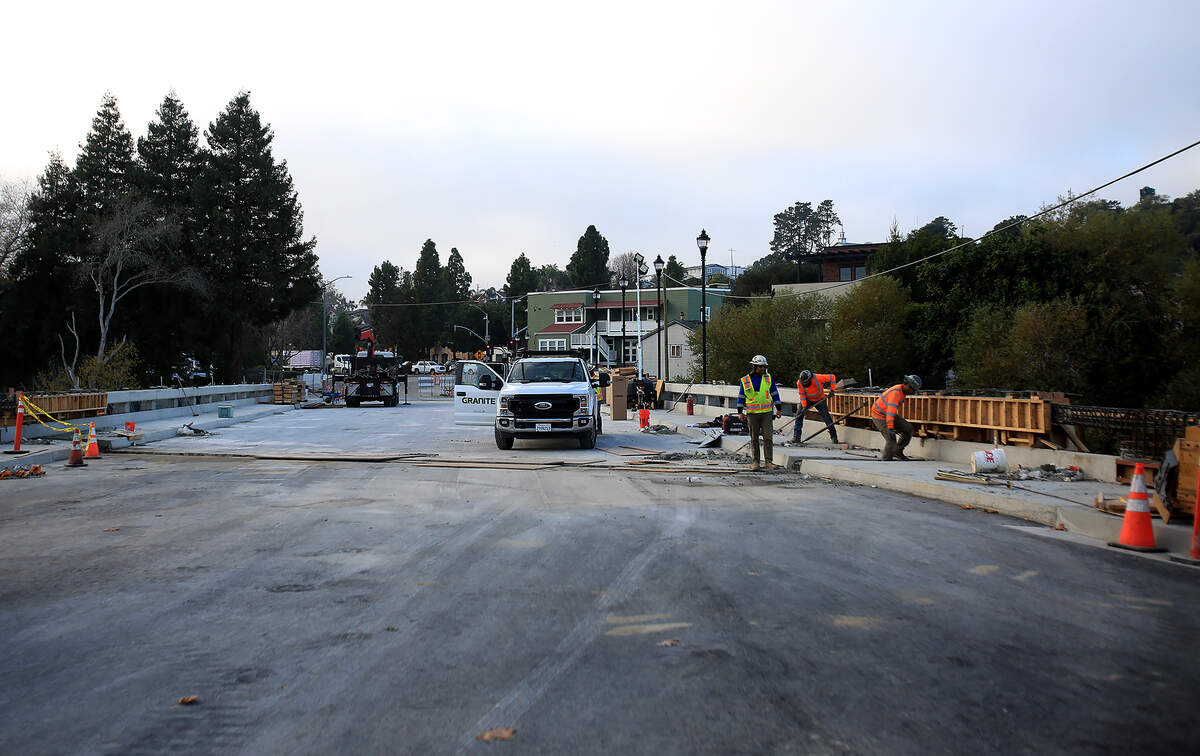
Voters to choose whether to raise SLO County sales tax by half-cent
Voters will have the chance to decide whether to raise the county’s sales tax by 0.5% this November.
The tax equates to $0.50 for every $100 spent, or around $100 to $150 for the average person each year, SLOCOG’s deputy director James Worthley previously told The Tribune.
The sales tax would not apply to food, utilities, prescriptions, medical or housing costs.
The half-cent transportation sales tax could generate around $35 million annually for 30 years, according to the county staff report.
The sales tax increase is critical to keep up with local infrastructure costs after gasoline consumption has dropped across the state in recent years, Worthley said, causing California’s gas tax collection — which funds roadway repairs and maintenance — to dip dramatically.
The county’s current sales tax rate is 7.25%. However, Arroyo Grande, Atascadero, Grover Beach, Morro Bay, Paso Robles and San Luis Obispo’s rate is set at 8.75%, while Pismo Beach’s rate is 8.25%, according to California’s Department of Tax and Fee Administration.
Measure will cost nearly $600K to place on ballot
The measure will cost up to $588,000 to put on the November ballot, according to the staff report.
But that figure could decrease as other measures are added to the ballot. SLOCOG said it intends to reimburse the county for all election expenses if the sales tax initiative passes or fails.
Supervisor Heather Moreno, who voted against placing the measure on the ballot, said she recognized the need for road funding, but said she was not convinced it had a chance of passing since the most recent polling shows “abysmal” results, she said.
“I am not comfortable spending $588,000 of taxpayer money to put it on the ballot,” she said — even if she said she plans to personally vote for it on Nov. 3.