SLO County is implementing new rules on where ICE can operate. What to know
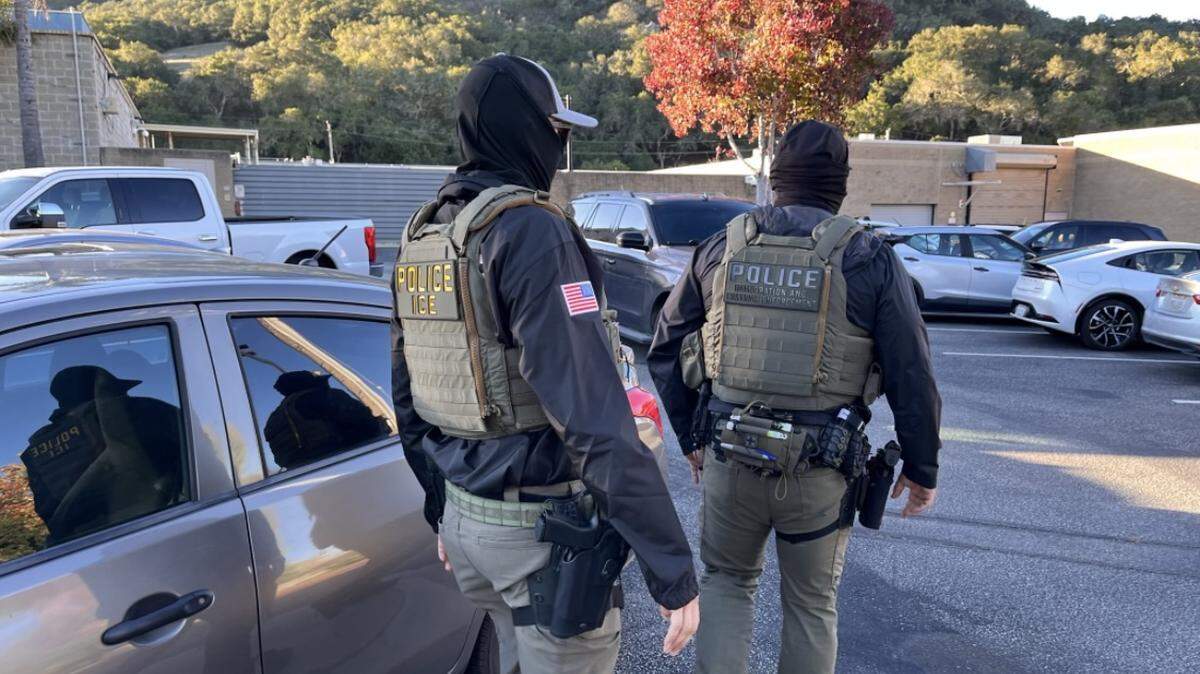
Though San Luis Obispo County has little power over where and how federal immigration officers operate locally, the San Luis Obispo County Board of Supervisors took a new step toward limiting ICE’s operations on county property.
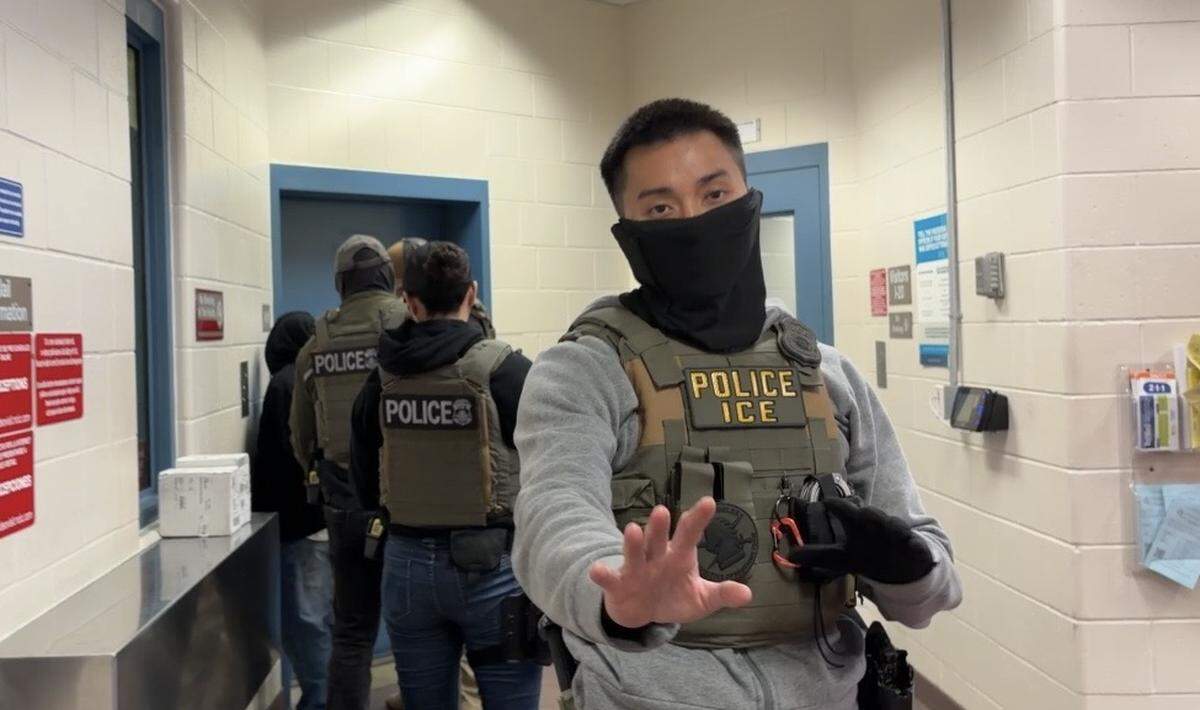
On Tuesday, the board voted 3-2 to establish and implement policies requiring federal immigration officers to present a signed judicial warrant to access nonpublic areas in county facilities, such as employee-only areas.
The policies also prohibit federal agents from using public areas in county-owned facilities as a staging area, processing location or operations base for immigration enforcement activities.
“This is a matter of doing everything this county can to restrict ICE from commandeering our property and otherwise bringing their unconstitutional reign of cruelty into our county,” Supervisor Bruce Gibson said.
Supervisors Heather Moreno and John Peschong opposed the new countywide policies, with Moreno calling the resolution a “symbolic” gesture that is already being done.
Supervisor Jimmy Paulding said the policies went further than just being symbolic.
“It also sends a clear message to our staff — we are going to protect our nonpublic spaces, which is what we do have authority over,” he said.
Limiting ICE activity on county property
The county cannot prevent ICE agents from accessing areas that are open to the public, such as streets, sidewalks and parks.
However, in county-owned facilities with areas that are still open to community members — like the jail lobby — the county could enforce reasonable restrictions on how the spaces are used, but those rules would have to be applied to all people, including activists, federal officials, family members and all members of the public, according to the staff report presented to the board on April 7.
The jail lobby could be limited to only specific activities, such as standing in line to talk to an employee at the reception window or waiting to be escorted to a locked portion of the facility. In this example, everyone else would have to wait outside, the report said.
Activists have urged the county to limit ICE access to the lobby, as agents often take people into custody as they are released from jail.
The county, however, did not pursue a policy to limit access to the jail lobby.
Currently, the federal government has no authority to take over the county’s property, according to the staff report. But supervisors adopted a formal policy on Tuesday to prohibit commandeering and only allow access to nonpublic areas — such as employee-only areas and workspaces — if federal officers have a signed judicial warrant, writ or order from a state or federal judicial officer.
However, the San Luis Obispo County Sheriff’s Office is still permitted to transfer inmates with qualifying convictions to federal immigration agents under Senate Bill 54 — even without a judicial warrant, the policy said.
Senate Bill 54, known as the California Values Act, prohibits the Sheriff’s Office from transferring jail inmates to ICE, unless those inmates have a qualifying conviction, including assault, battery, felony DUI and felony drug offenses.
The Sheriff’s Office will continue to transfer inmates with qualifying convictions to ICE in the jail sallyport, regardless of whether federal immigration officials have a signed judicial warrant, agency spokesperson Tony Cipolla told The Tribune on Monday.
Cambria Indivisible leader Susan Mackey expressed support for the new rules during public comment.
“By adopting this policy, the board is taking an important step toward ensuring that our public spaces remain safe, accessible and welcoming for all members of our community, regardless of their immigration status,” she said “It is vital that our county facilities are places where residents can seek help without fear of intimidation or threat of deportation.”
However, she and others worried that the policy would not be effectively implemented and enforced at the San Luis Obispo County Sheriff’s Office.
“We have seen that the California Values Act, SB 54, is often undermined by a narrow interpretation of its carve-outs,” Cindy Lewis, the leader of Indivisible North SLO County, said at the meeting. “Too often, law enforcement exploits these exceptions to maintain entanglement with federal immigration authorities, while ignoring the spirit and core of provisions of the law, so I urge this board to ensure implementation of this policy.”