Sales tax could go up with new SLO County measure. How much it would cost you
A measure to raise San Luis Obispo County’s sales tax by a half-cent to fund future transportation projects could wind up on the November ballot — for the second time in a decade.
After Measure J failed to nab a two-thirds majority in 2016, the San Luis Obispo Council of Governments, or SLOCOG, is pitching a revised transportation tax proposal to local cities and the county Board of Supervisors.
If the proposal were to make it onto the ballot and pass, SLO County would turn into a “self-help” county with a dedicated fund for local transportation projects, instead of having to rely solely on state or federal dollars.
Currently, 25 counties in California have a voter-approved transportation tax in place, including Santa Cruz, Monterey and Santa Barbara counties.
Since Measure J was rejected, the county has lost out on approximately $270 million collected from taxes and around $430 million received from grants awarded to self-help counties, according to Kendall Flint, a project manager with transportation planning firm DKS Associates and a consultant for SLOCOG.
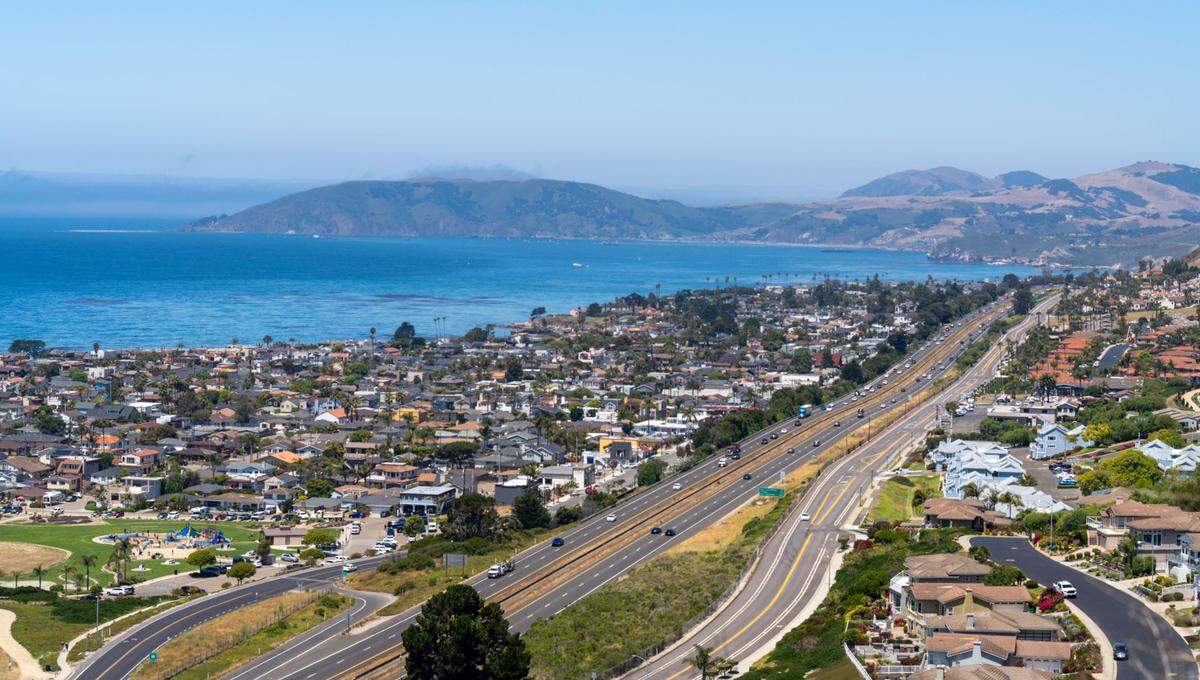
How would possible transportation tax be spent?
The proposed 30-year measure would spike the county’s sales tax by 0.5%.
The county’s current sales tax rate is 7.25%. However, Arroyo Grande, Atascadero, Grover Beach, Morro Bay, Paso Robles and San Luis Obispo’s rate is set at 8.75%, while Pismo Beach’s rate is 8.25%, according to California’s Department of Tax and Fee Administration.
Flint said the tax would cost San Luis Obispo County residents about $2.31 a week.
“You’re spending this on anything that is a good that you purchase — a shirt, a computer, a car — these are all things that would be subject to that tax,” she added, but “it does not apply to medicine, food, housing or medical.”
According to a 2024 estimate from SLOCOG, the half-cent transportation sales tax could generate around $35 million a year.
The agency proposed slicing the revenue into four categories.
As currently drafted by the agency, 55% would be allocated based on population size to cities and the county to fund road repairs, safety and transportation improvement projects, such as bike paths, pedestrian sidewalks, trolley services and seismic retrofits, among others.
The funds would only be distributed for transportation projects, “so it cannot be used for police, fire, parks or anything else,” Flint said during Tuesday’s Board of Supervisors meeting.
Another 40% would go toward regional corridor improvements projects split between the North County, North Coast, central county and South County, based on population size. These funds could be used for highway congestion relief project, interchange improvements and regional bike and pedestrian connector initiatives, the draft stated.
As for the final chunk of funds, 4% would be spent on transportation services for seniors, veterans and those with mobility issues, and 1% would be used for administration costs and oversight into how the money is distributed, according to SLOCOG.
Currently, the county faces an estimated $2.4 billion shortfall, the staff report said, which affects how well roads are maintained, whether safety projects can get off the ground and if traffic flow issues can be relieved.
“We just don’t have the funding to keep up with road preservation, with betterment, with all the needs of our unincorporated communities,” John Diodati, the SLO County director of public works, said during the meeting.
“We’ve been creative and scrappy to get some projects forward,” he said, “but the list is long and this funding would go a long way in implementing our corridors plans, transitioning to an active transportation plan, fully funding our bridge program, intersection improvements and capacity of movement for vehicles.”
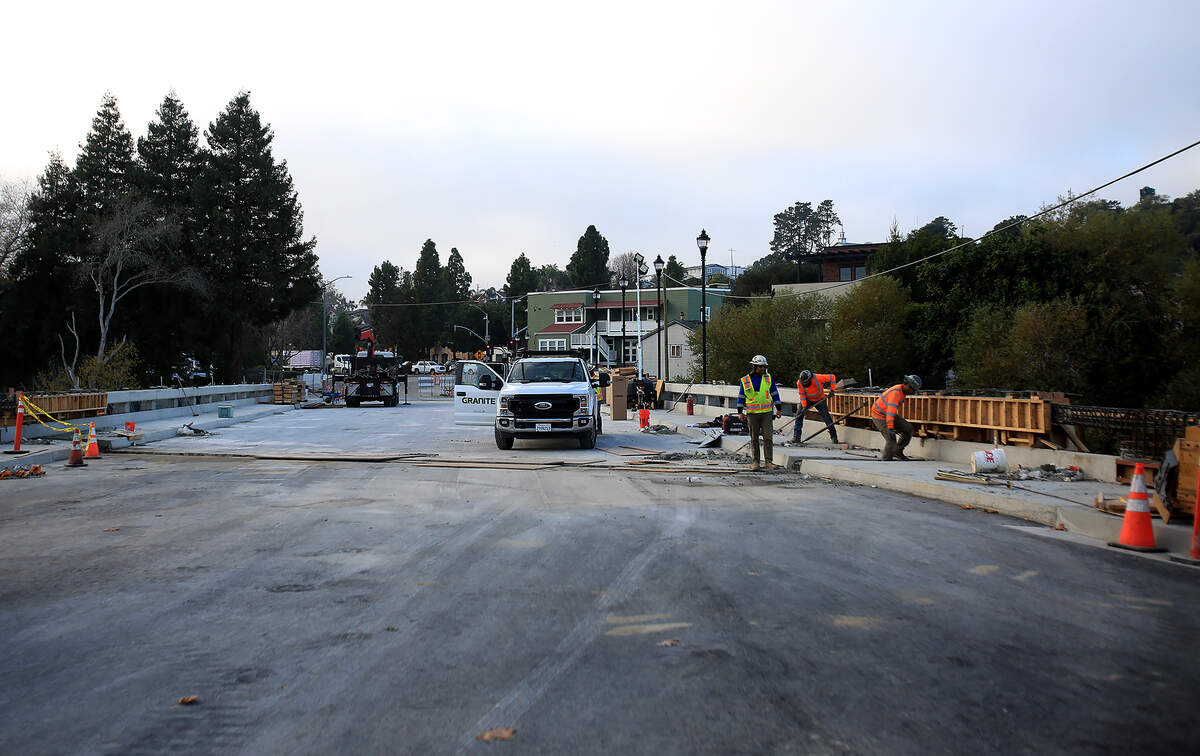
Next steps for proposed half-cent sales tax measure
During Tuesday’s meeting, four out of five supervisors were in favor of moving the ballot measure forward — with some adjustments.
In a four-to-one vote, supervisors passed a motion to direct staff to convey to SLOCOG that they approved of the transportation tax, but would like the agency to include language in the measure indicating that the revenue generated would be equally divided between the five supervisorial districts in the county.
“My goal here is to get a fair measure to the ballot that has the best chance of passing,” Supervisor Bruce Gibson said.
Supervisor John Peschong — the only no vote — said he was against the proposed transportation tax due to the state’s already exorbitant gas tax and cost of living.
“I don’t believe that adding a tax to working families is right at this time,” he said.
After gathering input from all seven cities and the county, the San Luis Obispo Council of Governments board will now meet on Wednesday to determine their transportation tax plan.
Each of the seven cities and the county Board of Supervisors will then have a chance to approve the resolution, Flint said.
This story was originally published February 1, 2026 at 11:00 AM.
CORRECTION: A previous version of the article listed an incorrect figure for San Luis Obispo County’s current sales tax. The error has been corrected.