‘Tongue-eaters’ found inside mouths of fish in Mexico turn out to be new species
Off the western coast of Mexico, anglers hauled in their catch and began the process of taking the fish to a nearby market. Something in the fish’s mouth caught their attention — and for good reason.
Parasites lurked inside the fish and turned out to be a new species.
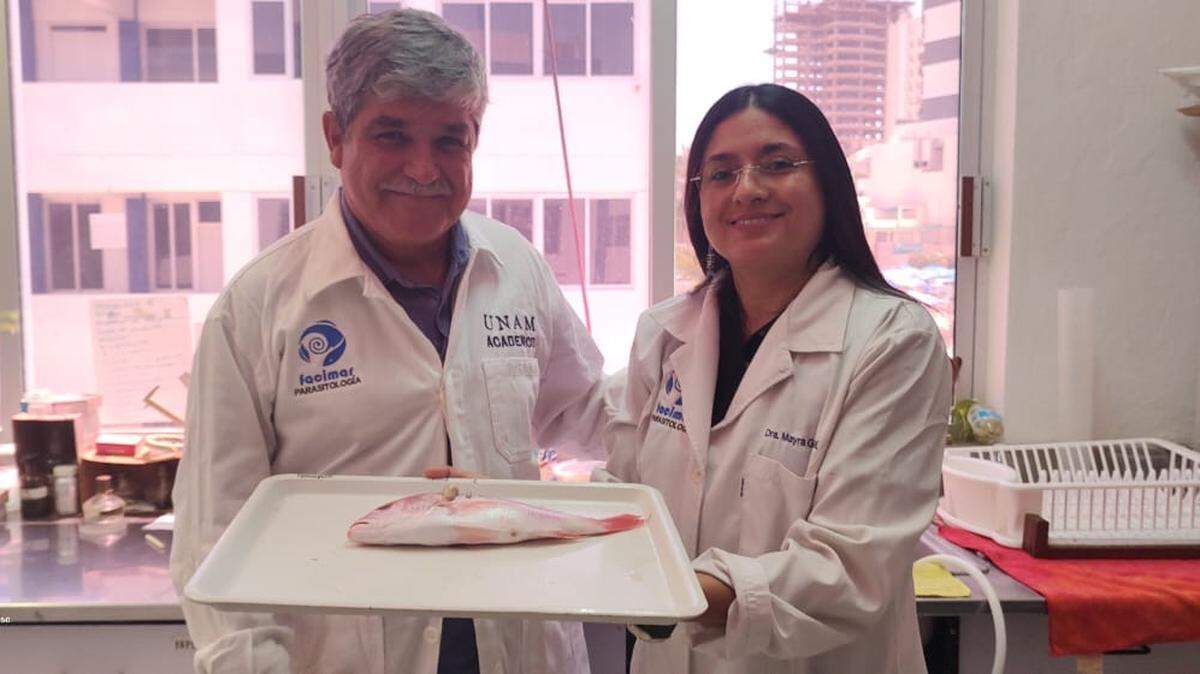
Scientists José Salgado‑Barragán and Mayra Ixchel Grano‑Maldonado visited several coastal sites in Sinaloa between 2022 and 2024 to survey fish parasites, they wrote in a study published Aug. 13 in the peer-reviewed journal Systematic Parasitology.
Working with anglers and market venders, the pair checked the mouths of fish being “offered for sale” in hopes of finding some parasitic isopods, a type of crustacean, the study said. They initially found a few unusual isopods and, intrigued, collected dozens more similar-looking specimens.
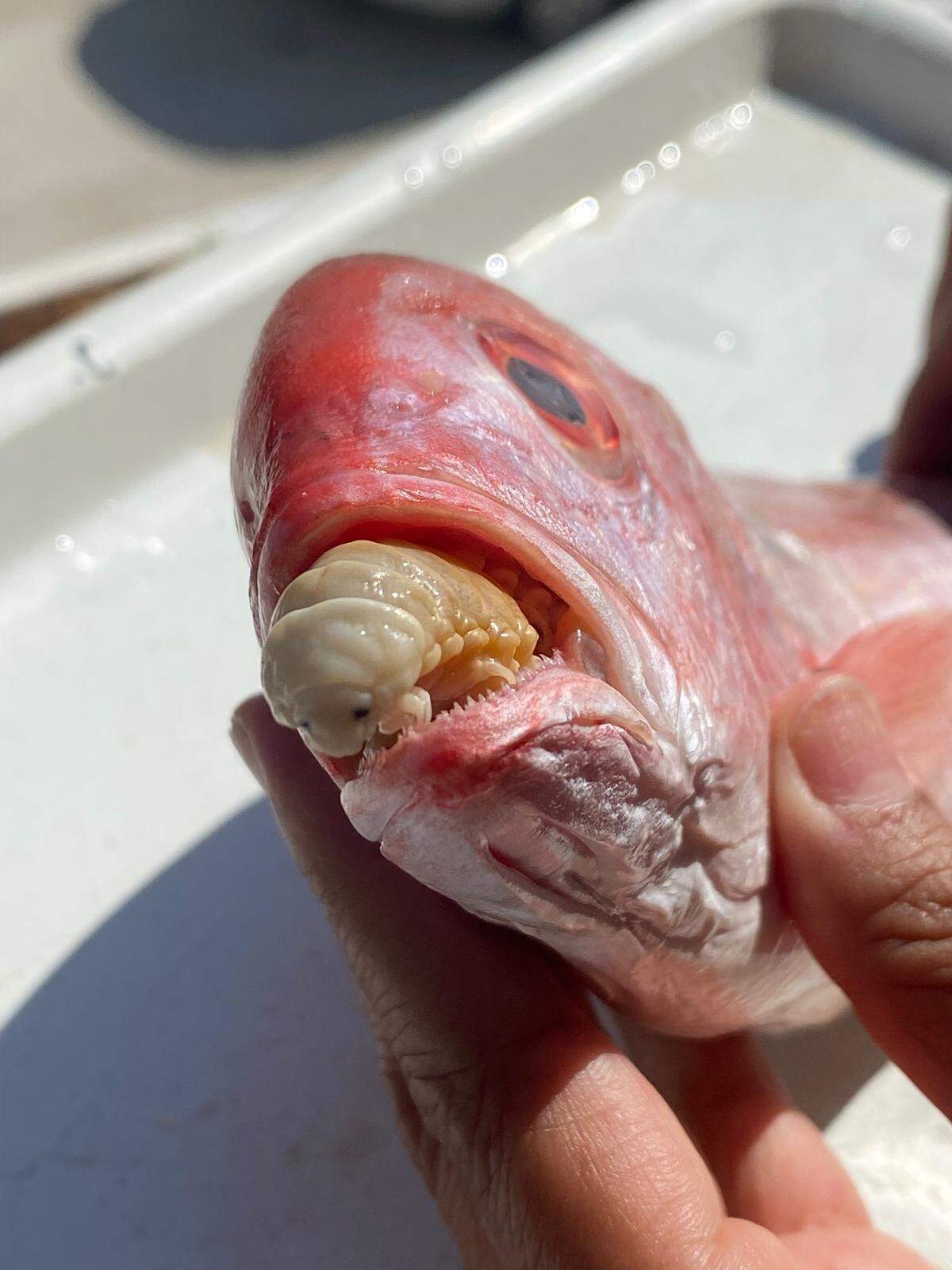
Researchers took a closer look at the parasitic animals and soon realized they’d discovered a new species: Cymothoa facimar, or the FACIMAR tongue-eater.
FACIMAR tongue-eaters have “elongate” white bodies, reaching about 1.5 inches in length, the study said. Their heads are “trapezoidal,” and they have 14 leg-like appendages.
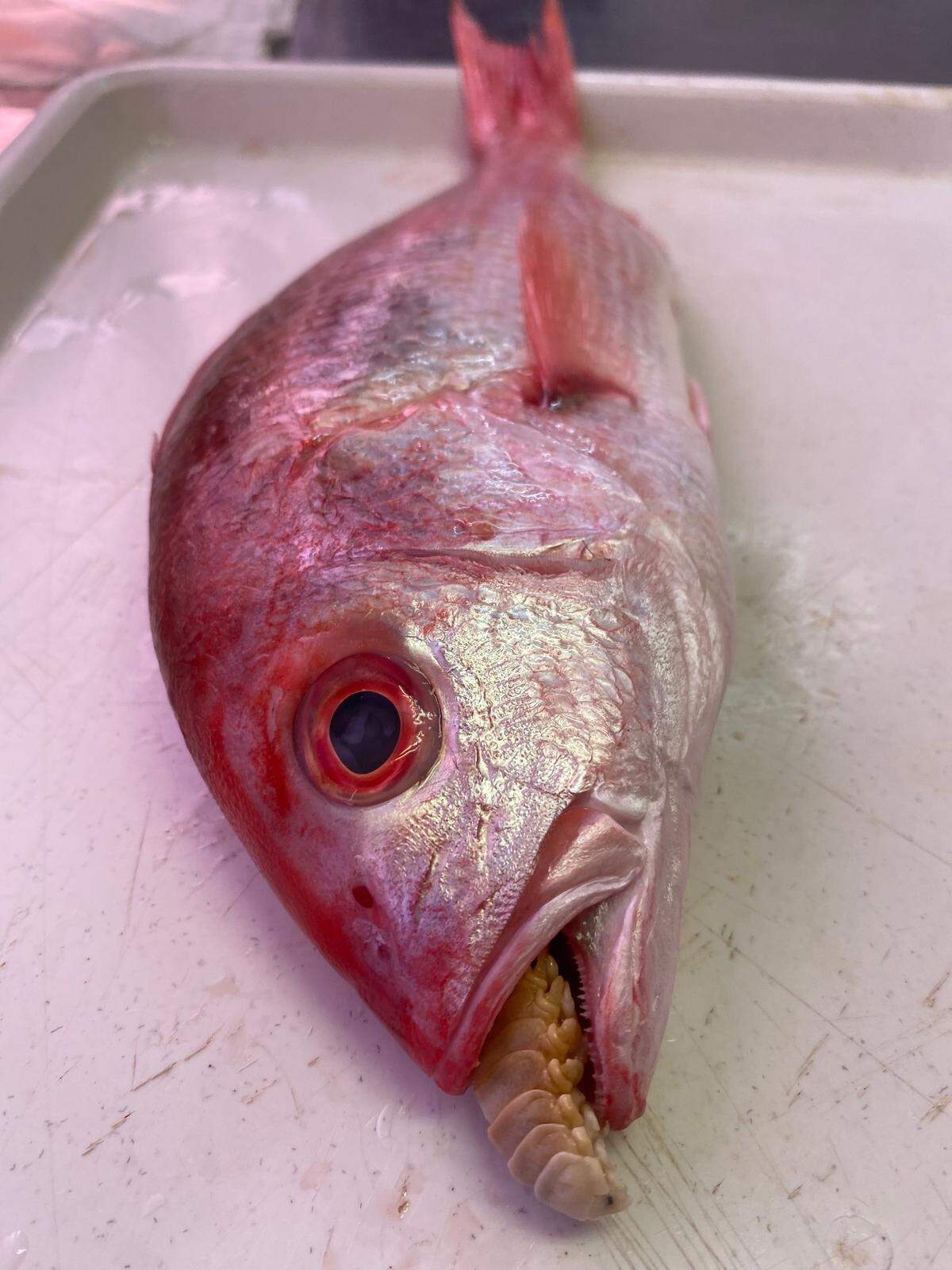
The new species belongs to a group of isopods that “have a parasitic way of life that infests the mouth, gills, or skin of marine or freshwater fishes,” the study said.
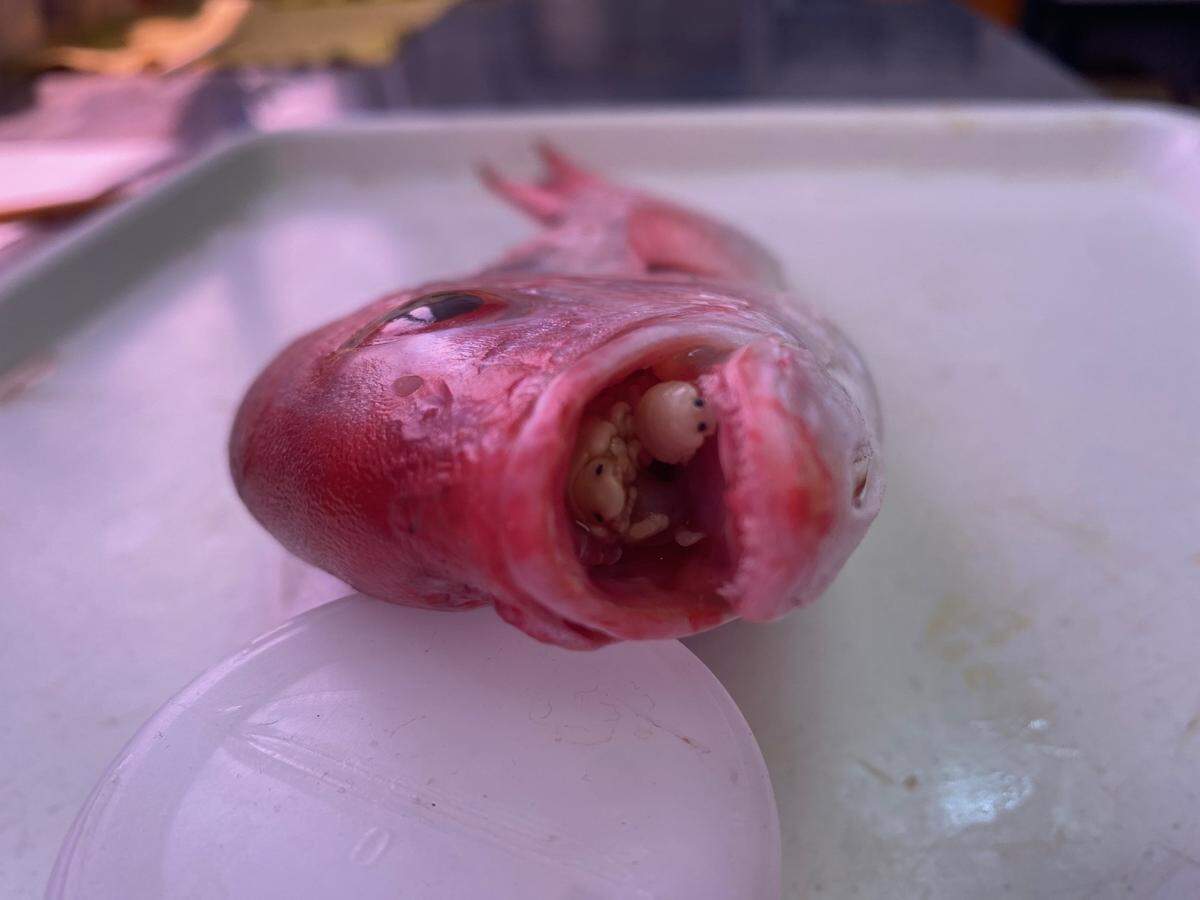
So far, FACIMAR tongue-eaters have only been found in the mouths of two fish species, the Pacific red snapper and the mullet snapper, caught off the coast of Sinaloa, Salgado‑Barragán and Grano‑Maldonado said.
Sinaloa is a state of northwestern Mexico situated where the Gulf of California transitions into the Pacific Ocean.
Salgado‑Barragán and Grano‑Maldonado said they named the new species after “Facultad de Ciencias del Mar (FACIMAR) of the Universidad Autónoma de Sinaloa, in recognition of the institution’s valuable role in forming qualified specialists in aquatic sciences for over 55 years.”
Grano‑Maldonado is affiliated with FACIMAR, and Salgado‑Barragán is affiliated with the Universidad Autónoma de Sinaloa.
The new species was identified by its “larger” size, coloring, body proportions and other subtle physical features, the study said. Researchers did not provide a DNA analysis of the new species.
This story was originally published August 26, 2025 at 8:56 AM with the headline "‘Tongue-eaters’ found inside mouths of fish in Mexico turn out to be new species."