‘Robust’ red-eyed predator caught in Georgia river turns out to be new species
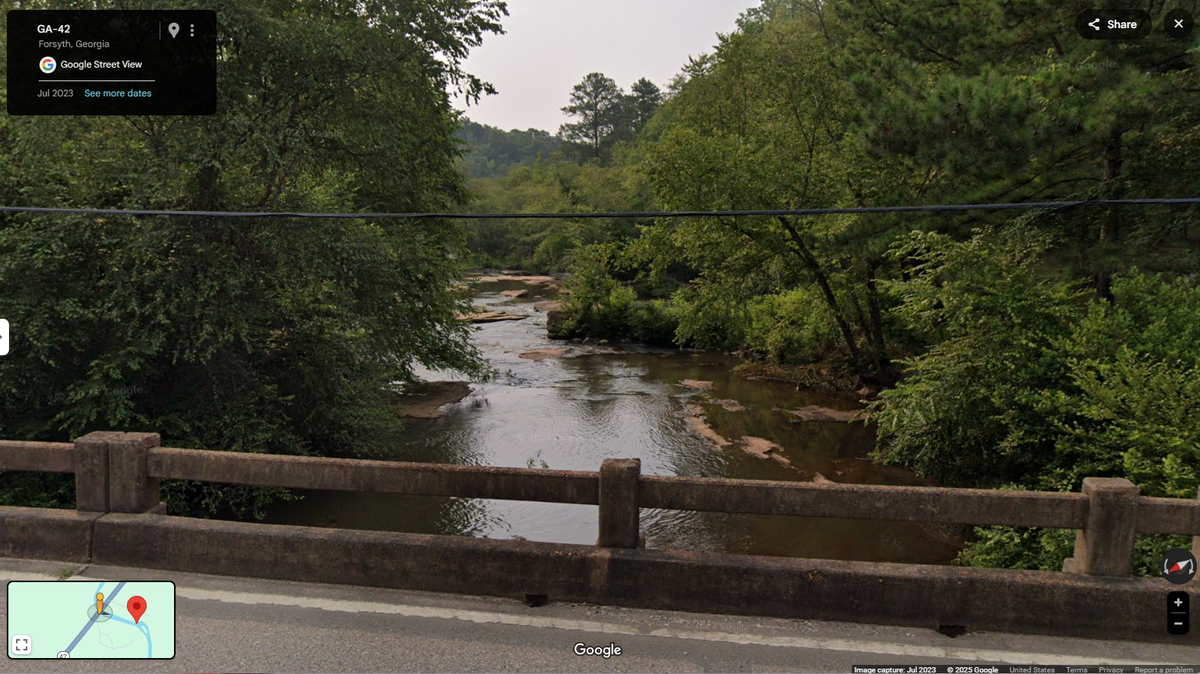
In a river of central Georgia, a “robust” predator with red eyes swam through the murky water. Something about it caught the attention of nearby scientists — and for good reason.
It turned out to be a new species.
Teams of biologists, wildlife officials and university students visited the Altamaha and Ogeechee rivers in central Georgia over a dozen times between 2010 and 2024, according to a study published Aug. 19 in the peer-reviewed journal Zootaxa.
For years, “biologists and anglers” knew of a “distinctive” black bass fish in the Altamaha River basin, but scientists had not formally described the species due to limited usable specimens, the study said.
During the recent surveys, researchers collected dozens of these fish, analyzed their DNA and finally confirmed what many had believed. The region’s fish were a new species: Micropterus calliurus, or the Altamaha bass.
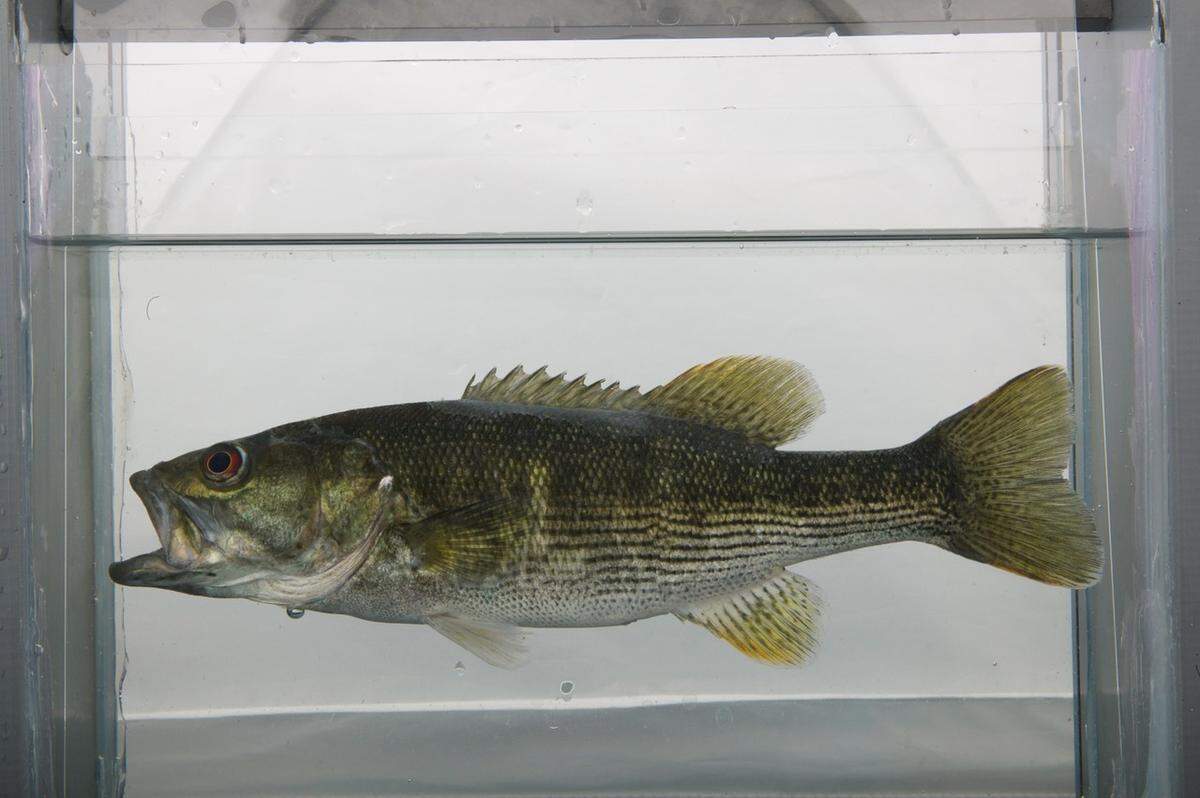
Altamaha bass are “moderately robust,” reaching about 10 inches long, the study said. They have a “small (sometimes scant) oval tooth patch” in their mouths, and red eyes “with (a) thin gold margin around (the) pupil.”
Photos show the new species. Its scales are “light gold with olive margins,” and its sides have darker brown blotches.
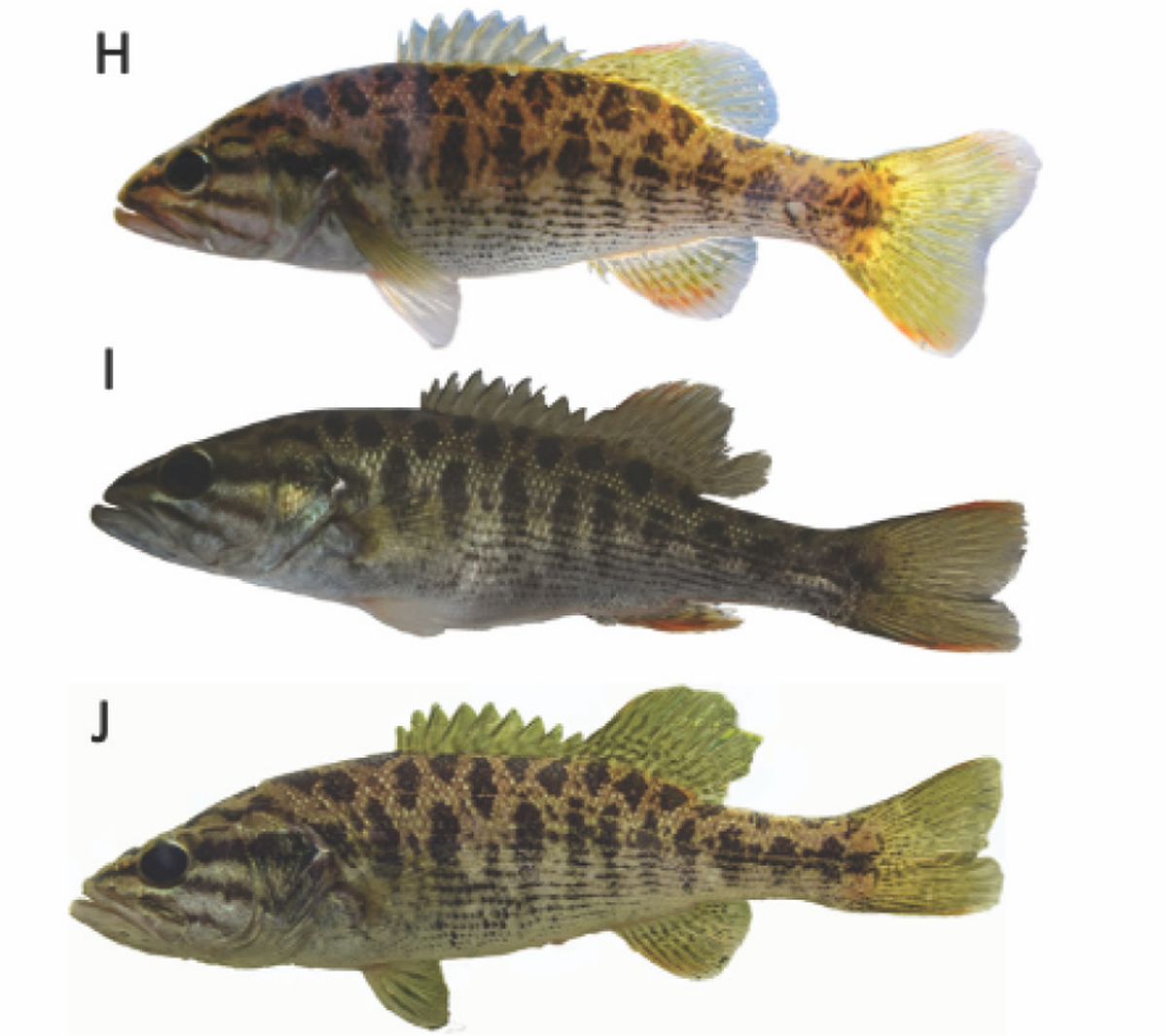
Generally, black bass are “apex predators” in their river habitats and “long prized” by anglers “as sport fishes,” the study said. Like other black bass, the new species was found in rocky shoals.
Altamaha bass are threatened by habitat loss or degradation linked to human activities as well as the risks of competition and hybridization from introduced, non-native black bass, the study said.
The new species’ common name refers to the Altamaha River, one of the species’ main rivers, the study said. The new species has also been found in the Ogeechee River.
The new species’ scientific name “calliurus” comes from the words for “beautiful” and “tail,” researchers said.
The new species was identified by its DNA, coloring, tooth patch, fin shape, scale arrangement, body proportions and other subtle physical features, the study said.
The research team included Byron Freeman, Mark Scott, Kelly Petersen, Natalia Bayona-Vásquez, Andrew Taylor, Bryson Hilburn, Mary Freeman and John Wares.
Researchers also thanked “the many (University of Georgia) Ichthyology students seeking research experience who have helped collect fishes and perform molecular work in the laboratory” as well as the South Carolina and Georgia Departments of Natural Resources for contributing to the project.
The team also described a second new species of black bass: Bartram’s bass.
This story was originally published August 21, 2025 at 9:20 AM with the headline "‘Robust’ red-eyed predator caught in Georgia river turns out to be new species."