‘Gold’-tinged creature sucked out of mud in Malaysia in first-of-its-kind catch
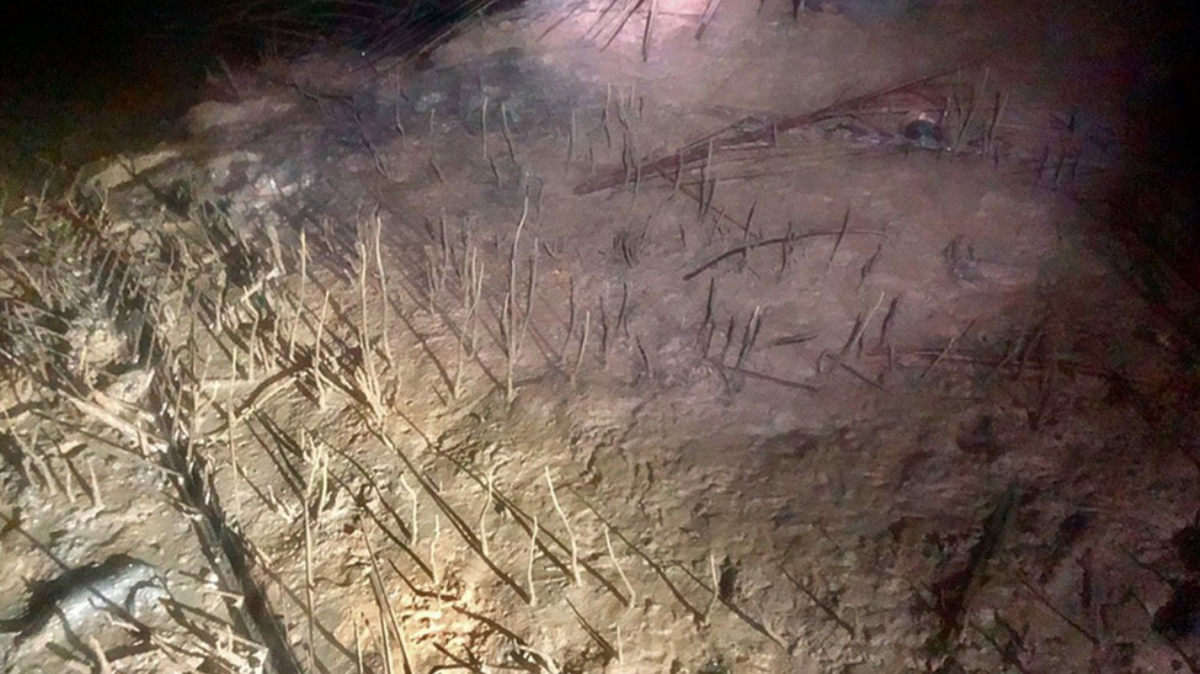
Equipped with flashlights and a suction pump, a team of scientists stood on a mud flat in Malaysia at night during low tide. The researchers hoped a new approach to biodiversity surveys would lead to new results — and they were right.
Researchers visited a tidal flat along the Kuantan River in September 2023. They waited until “the sampling site was completely dry at low tide and consisted of a muddy substrate with many mangrove roots,” then they started “using a manual suction pump” to collect mud-dwelling animals, according to a study published Aug. 12 in the peer-reviewed journal Check List.
Among the collections were two slender eel gobies, or Taenioides gracilis, the “first reliable records” of the fish species in Malaysia, the study said.
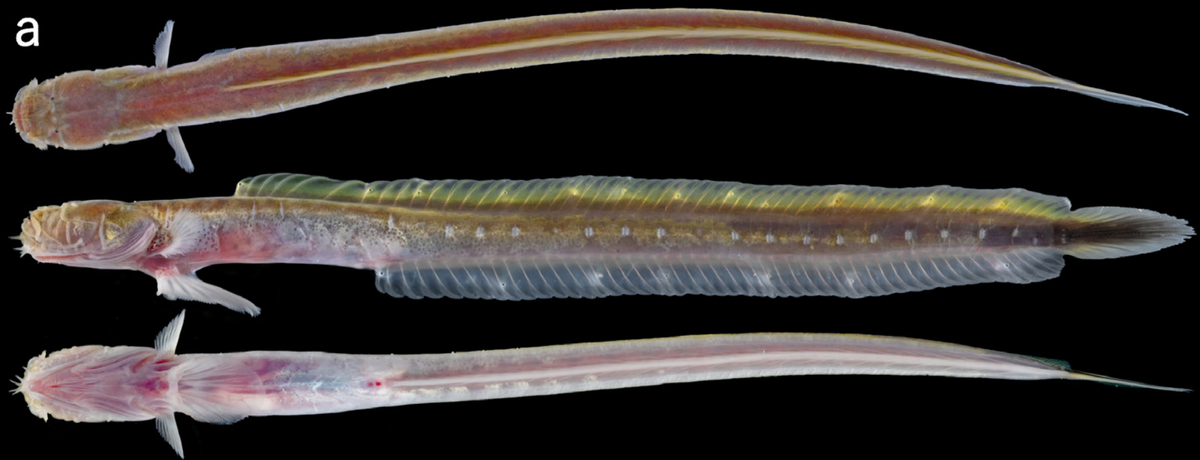
Photos show the “gold”-tinged slender eel gobies found near the Kuantan River. The roughly 4-inch fish have “compressed” and “elongated” bodies with “small” eyes, whisker-like barbels and “flat” teeth, researchers said.
Like other related species, slender eel gobies are easily misidentified, the study said. “Previous records of ‘(Taenioides) gracilis’ in Malaysia had in fact been confused with other members of the Taenioides group.”
To prevent further misidentification, the slender eel gobies from the Kuantan River were confirmed with DNA analysis, researchers said.

“Due to the mud-burrowing ecology of species of Taenioides, specimens of the genus are not common,” researchers said. “This may also be one of the reasons that the species has not been recorded from this (Kuantan River) area.”
The Kuantan River sampling site is on peninsular Malaysia and a roughly 150-mile drive northeast of Kuala Lumpur, the capital city.
The research team included Reo Koreeda, Ying Seah and Hiroyuki Motomura.
This story was originally published August 19, 2025 at 10:39 AM with the headline "‘Gold’-tinged creature sucked out of mud in Malaysia in first-of-its-kind catch."