‘Large’-eyed creature found in ‘swampy forest’ of Bolivia. It’s a new species
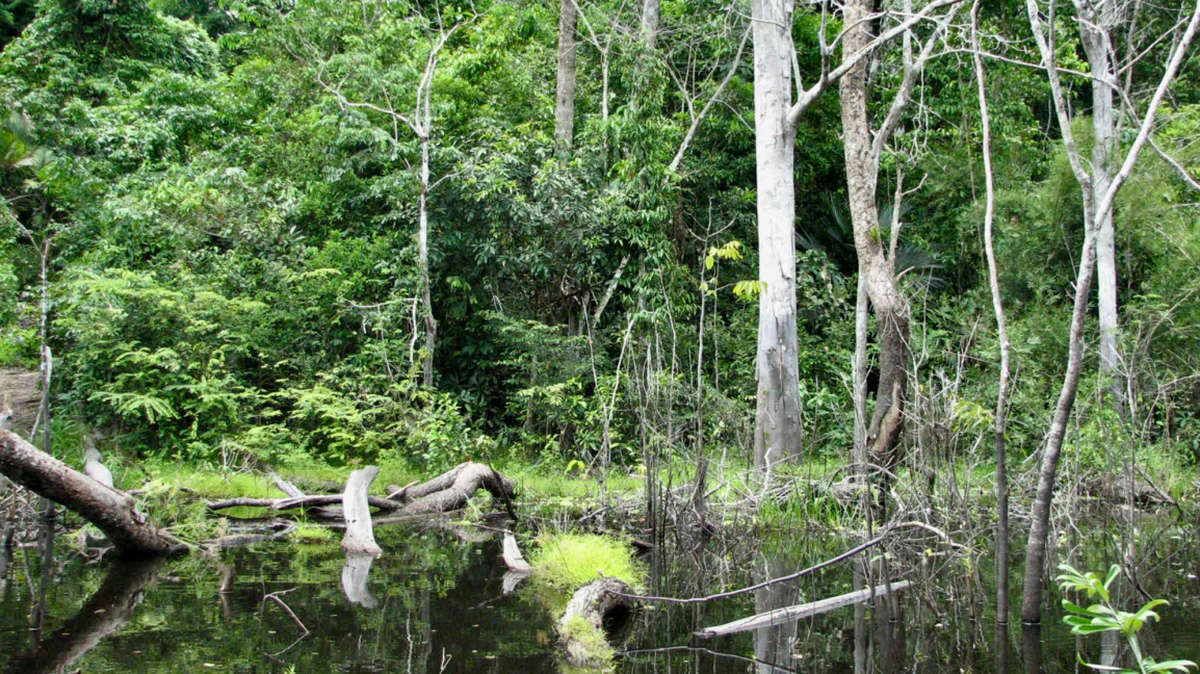
As darkness settled across a “swampy forest” in northern Bolivia, a “robust” creature perched near the water and called out. A flashlight beam cut through the night and illuminated the “large”-eyed animal.
It took nearly two decades to identify and turned out to be a new species.
A team of scientists hiked into the forest of Pando Department in 2007 as part of a project to survey some hard-to-find — and even harder-to-classify — amphibians, according to a study published Aug. 15 in the peer-reviewed journal Salamandra.
During the nighttime surveys, researchers found several “small, inconspicuous” frogs calling in a flooded forest, the study said. Right away, they suspected “this population might represent a new undescribed species.”
But just as quickly, the team hit a dead end.
Researchers realized there wasn’t enough reliable information about the region’s frog diversity to draw conclusions about the frogs from Pando. Getting enough contextual information “took another eighteen years,” the study said.
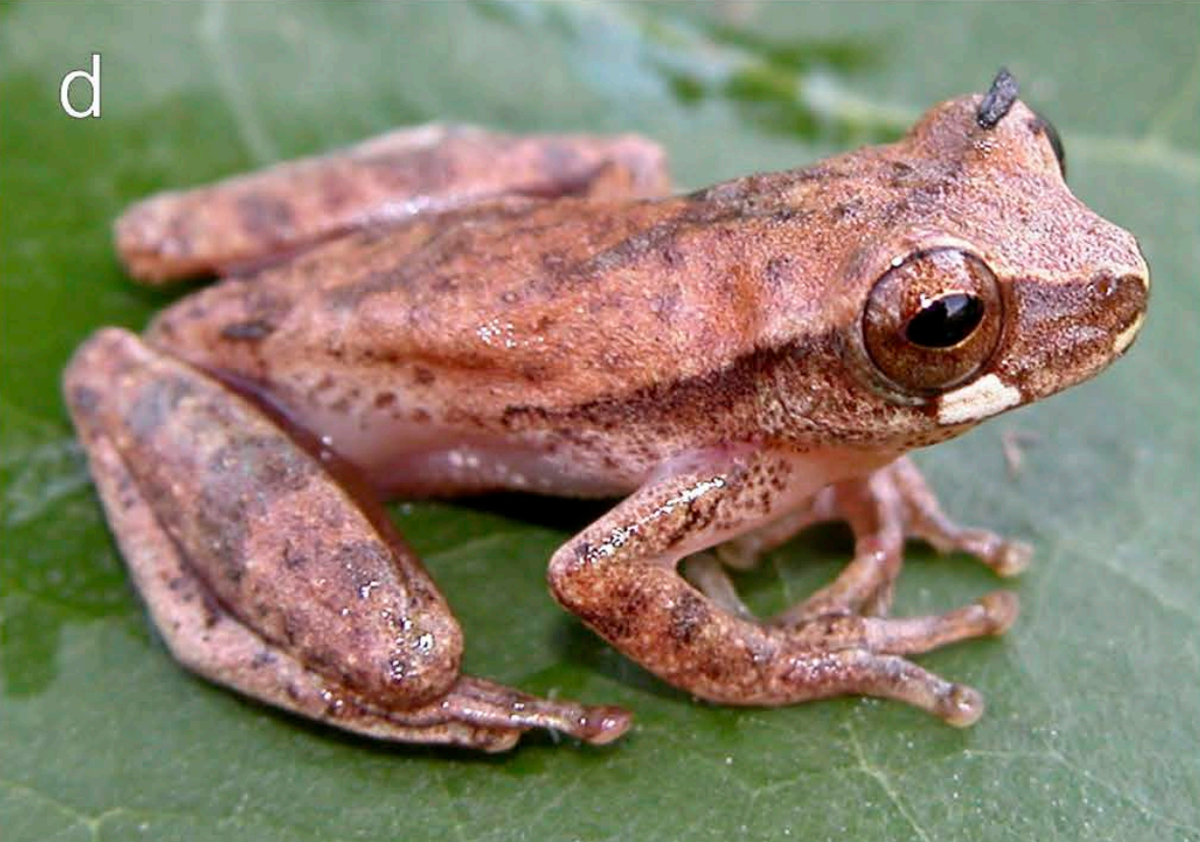
Eventually, the team took another look at the Pando frog specimens, analyzing their DNA and comparing them to other species. With this data, researchers finally confirmed their initial assessment. They’d discovered a new species: Dendropsophus jamesi, or James’ tree frog.
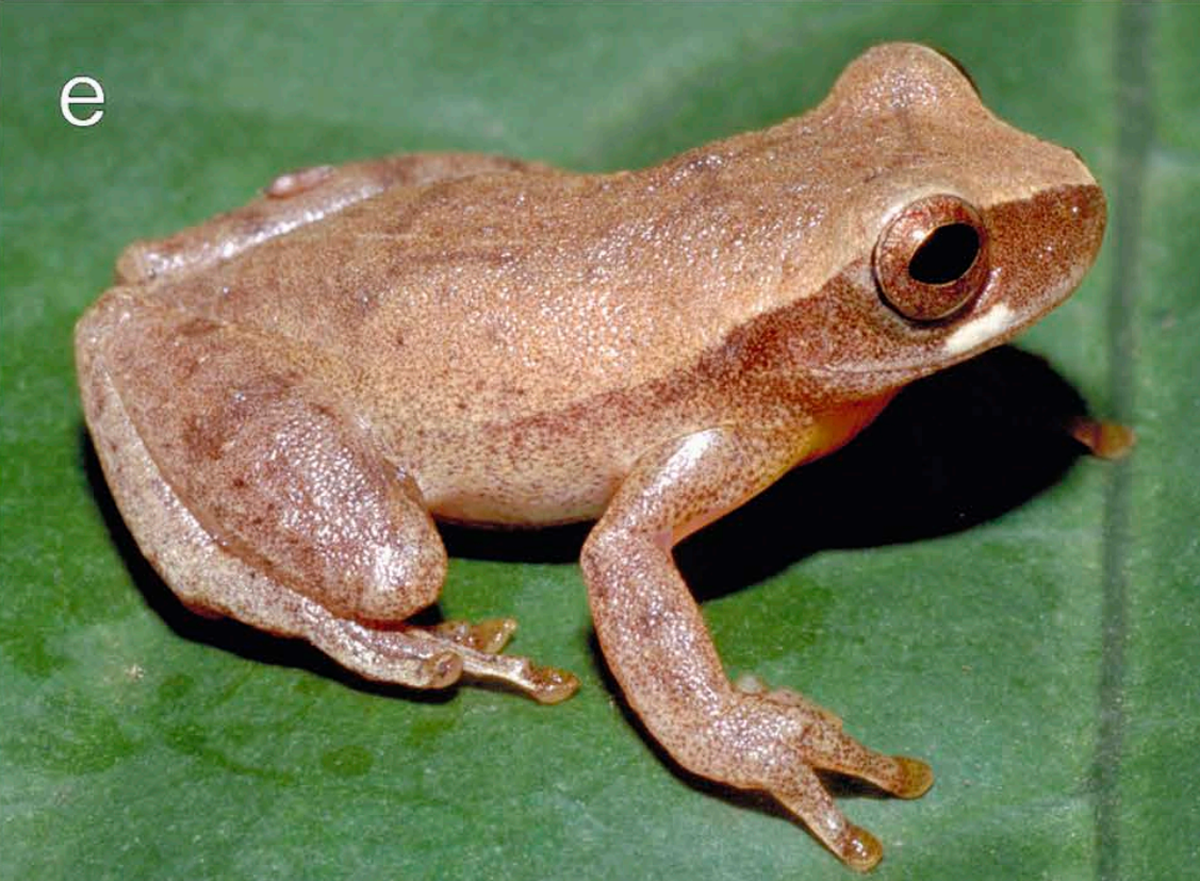
James’ tree frogs are considered “small,” reaching less than an inch in length, the study said. They have “moderately robust” bodies with “slender” limbs and “long” toes. Their “large” eyes are “bronze-brown,” and their lips are “slightly flared.”
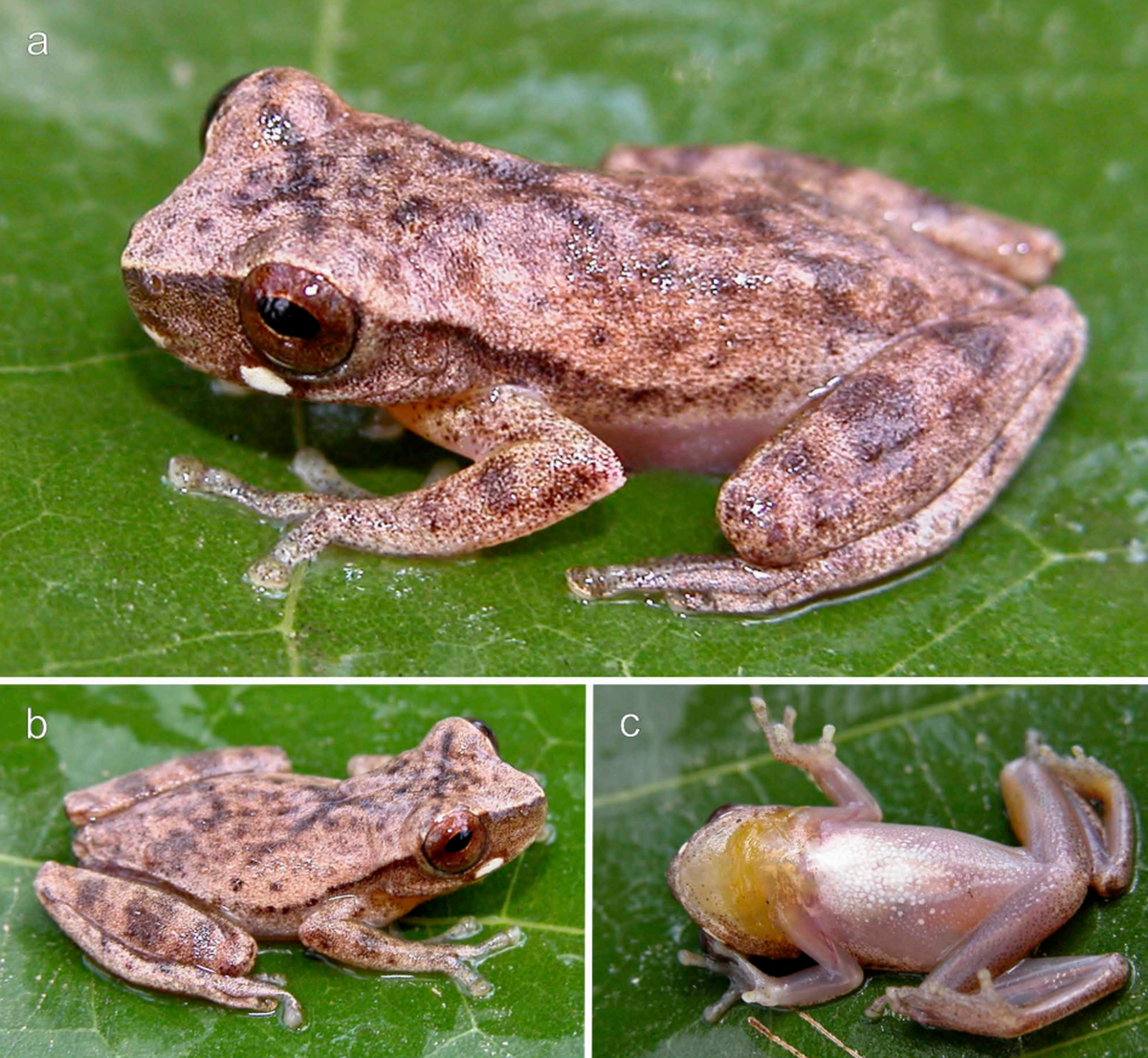
Photos show the “light brown to cinnamon brown” coloring of the new species. Its pattern varies but generally includes “dark brown flecks and markings,” researchers said. Seen from below, its throat is yellow and its stomach is “translucent fleshy pink.”
James’ tree frogs were found in a “permanently flooded swampy forest” and heard calling with a “high-pitched short pulsed note,” the study said. No female frogs have been found, and much about its lifestyle remains unknown.
Researchers said they named the new species after “our late friend and colleague James Aparicio Effen … in recognition of many years of fruitful collaboration and his contributions to the knowledge of the Bolivian herpetofauna.”
So far, James’ tree frogs have only been found at two locations in northern Bolivia and near the border with Brazil, the study said. Researchers suspect the new species also lives in nearby regions of Brazil.
The new species was identified by its call, eye color, pattern, body proportions and other subtle physical features, the study said. DNA analysis found the new species had at least 3% genetic divergence from related species.
The research team included Jiří Moravec, Lucie Farková, Miguel Vences and Jörn Köhler.
This story was originally published August 19, 2025 at 6:33 AM with the headline "‘Large’-eyed creature found in ‘swampy forest’ of Bolivia. It’s a new species."