‘Cryptic’ predator with ‘large’ teeth found in Brazil river. It’s a new species
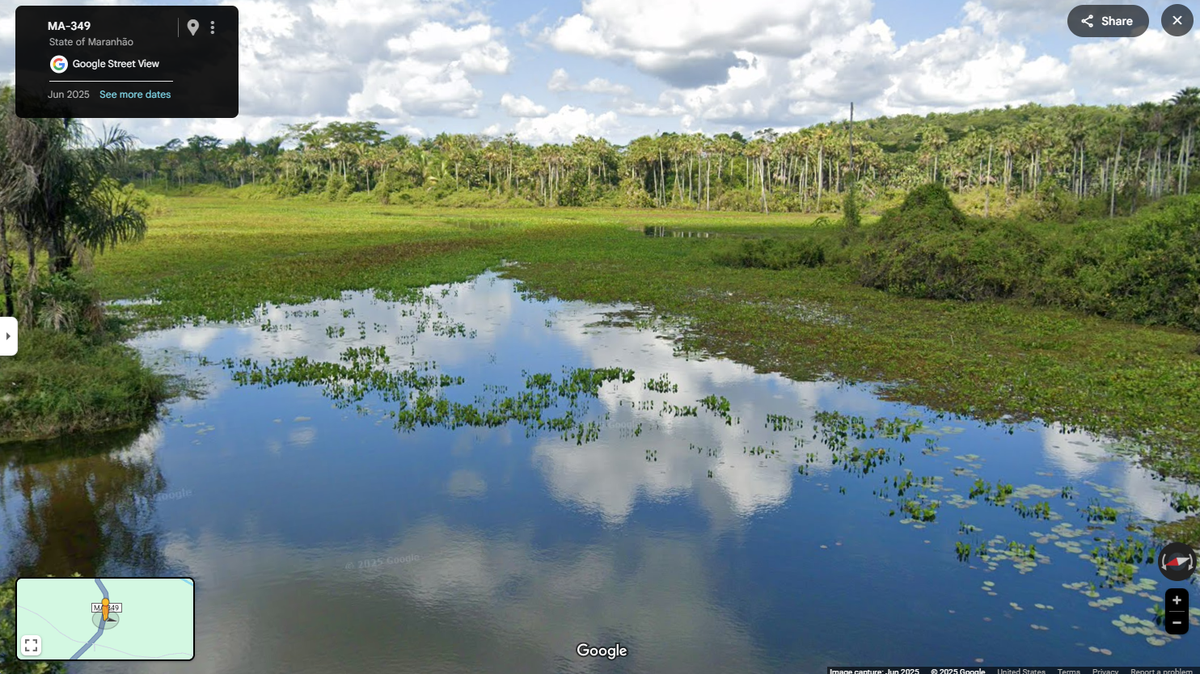
In a river of northeastern Brazil, a scaly predator with “large” teeth moved through the water. Its “cryptic” appearance had largely helped it go misidentified — until recently, when scientists took a closer look.
It turned out to be a new species.
A team of researchers spent three years visiting waterways in the State of Maranhão and tracking down specimens to study aquatic biodiversity, according to a study published Aug. 11 in the peer-reviewed journal Zoosystematics and Evolution.
Eventually, researchers collected several dozen trahiras, also known as wolf fish, but couldn’t identify them, the study said. They took a closer look at the fish, analyzed their DNA and realized they’d discovered a new species: Hoplias maranhensis, or the Maranhão trahira.
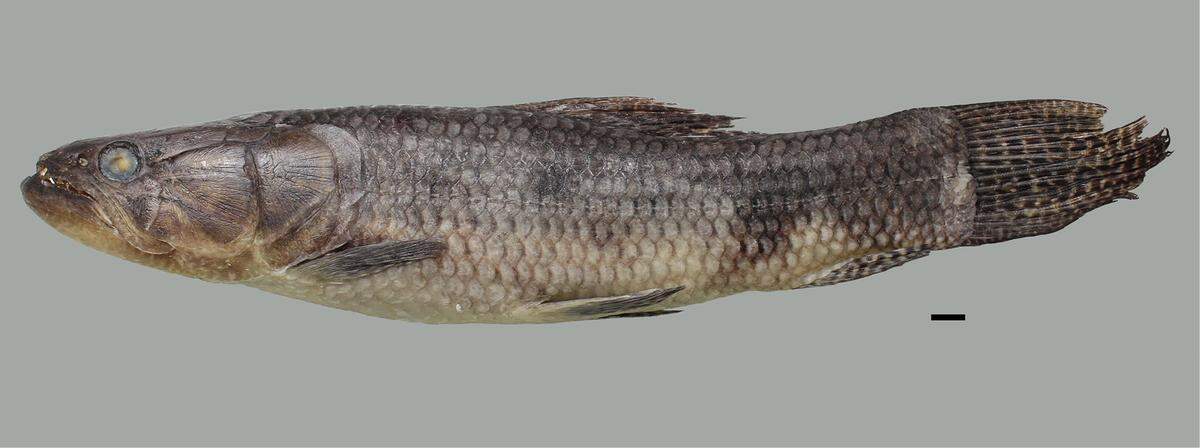
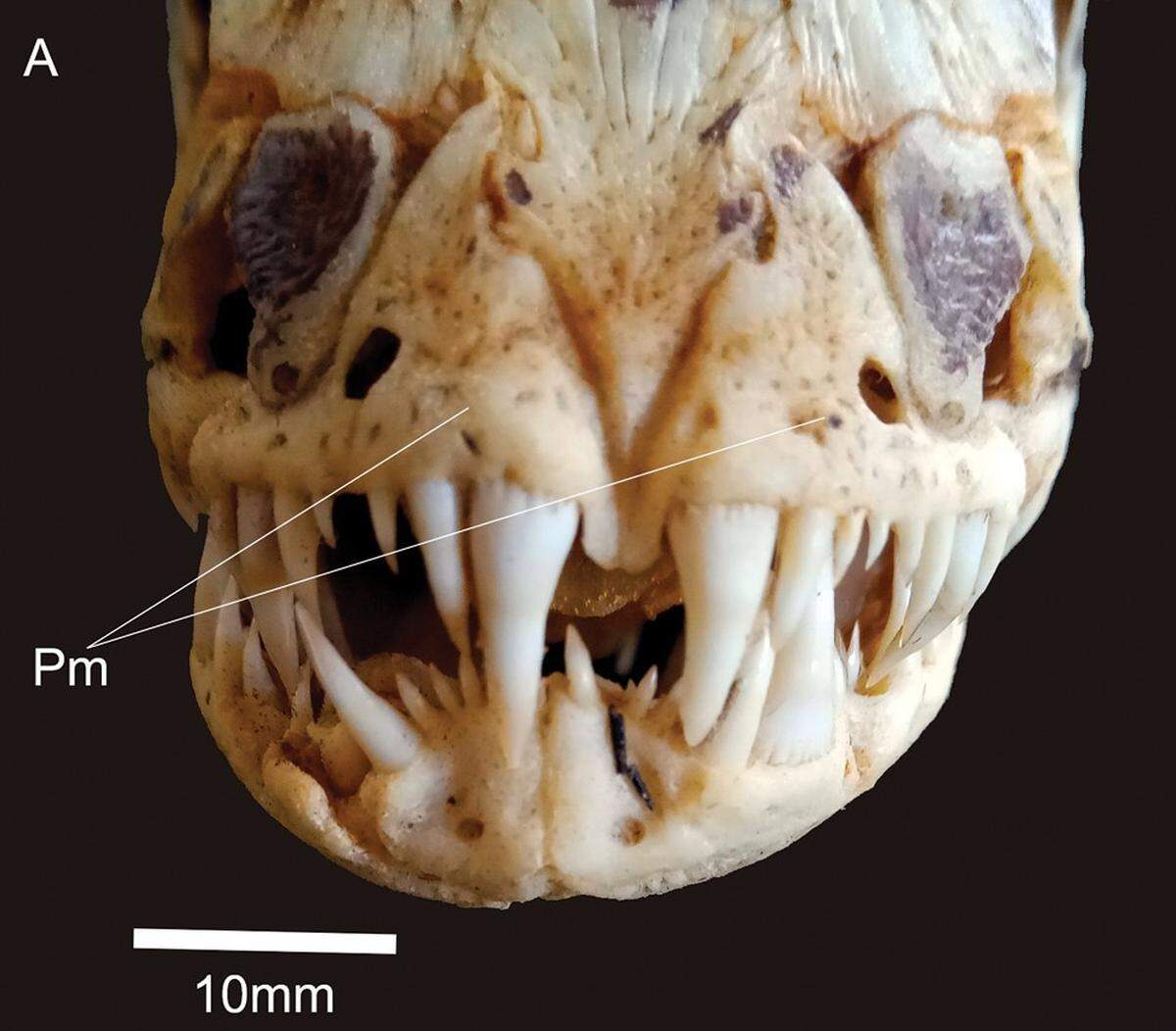
Maranhão trahiras have “cylindrical” bodies reaching over 1 foot long, the study said. Their lips are “fleshy,” and their jaws have several “large” canine-like teeth intermixed with “smaller teeth.”
A photo shows the brown-black coloring of the new species after being preserved. Its back is darker brown, fading to cream on its belly.
Like other trahiras, the new species is “predatory” and does not migrate, the study said. Much about its lifestyle, diet and behavior remains unknown.
“Trahiras are commonly targeted in subsistence, commercial, and aquaculture in Maranhão State,” but it’s unclear how this has impacted the new species, researchers said. Still, “continuous monitoring of habitat integrity, assessment of potential fishery impacts, and implementation of conservation strategies are essential to mitigate eventual threats and ensure the long-term persistence of (the new species).”
Researchers said they named the new species after Maranhão, a coastal state in northeastern Brazil, where it was first discovered and, so far, the only region where it has been found.
The new species was identified by its scale pattern, skeleton, jaws, body proportions and other subtle physical features, the study said. DNA analysis found the new species had at least 3% genetic divergence from related species.
The research team included Karen Guimarães, Juan Rosso, Mariano González-Castro, Sarah do Nascimento Andrade, Pâmella Brito, Erick Guimarães, Juan Díaz de Astarloa and Luís Rodrigues.
This story was originally published August 14, 2025 at 7:21 AM with the headline "‘Cryptic’ predator with ‘large’ teeth found in Brazil river. It’s a new species."