3-foot-long predator found at air force base in Oman turns out to be new species
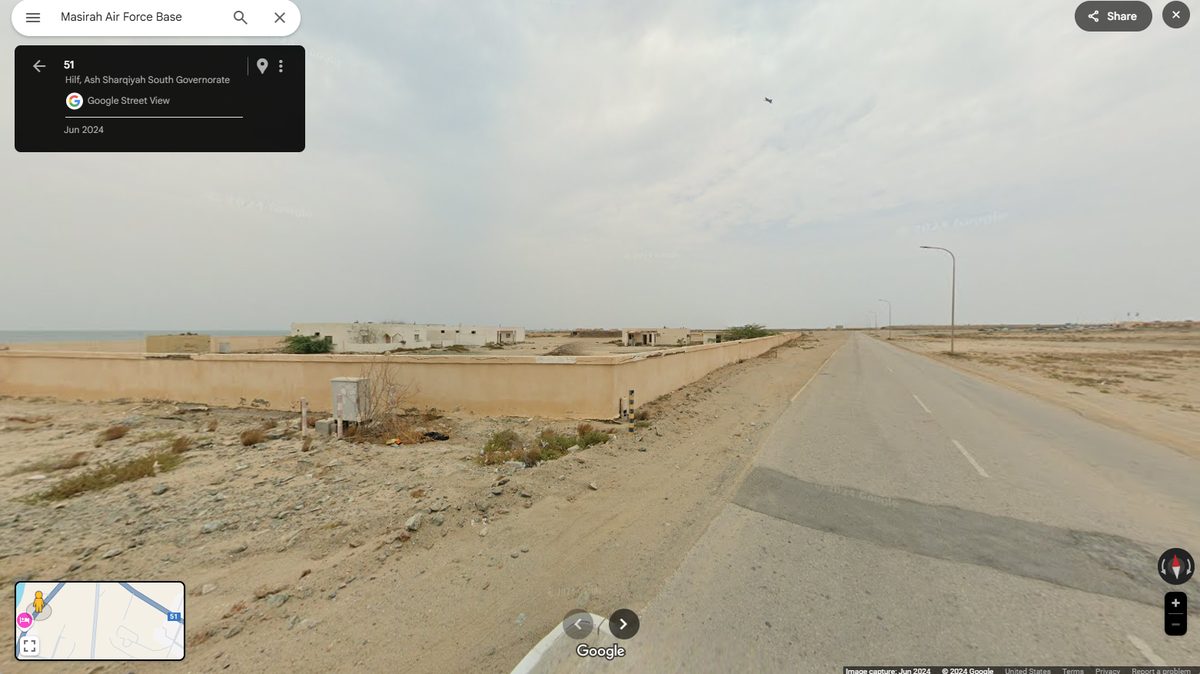
On a sandy island air force base of Oman, a 3-foot-long predator searched for its next meal. Something about the patterned animal caught the attention of nearby scientists — and for good reason.
It turned out to be a new species.
Researchers wanted to study a poorly known group of snakes found across the Arabian Peninsula. The snakes, known as Arabian cliff racers, had been documented throughout the 1900s but, more recently, had been largely overlooked by scientists, according to a study published Dec. 12 in the peer-reviewed Swiss Journal of Zoology.
The team suspected some of these cryptic snakes had been misidentified. To investigate, they tracked down 90 specimens from the field and archive collections, then compared the reptiles to each other and to other known species.
Patterns began to emerge. The snakes from Oman’s Masirah Island were subtly yet consistently different. Researchers realized they’d discovered a new species: Platyceps masirae, or the Masirah cliff racer.
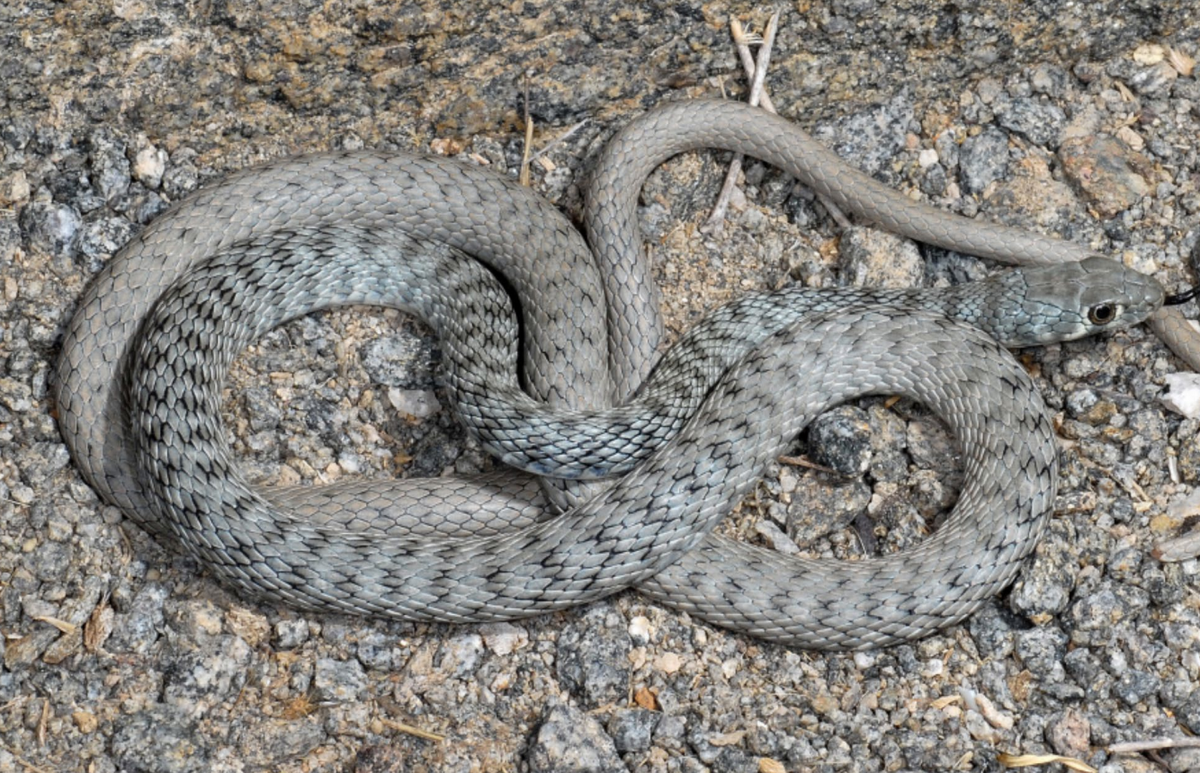
Masirah cliff racers can reach about 3.5 feet in length, the study said. They have over a dozen teeth, patterned bodies and yellowy bellies.
A photo shows the gray-brown coloring of the new species. Checkered brown patches dot most of its body but fade toward its tail. Overall, the snake seems to blend in with its surroundings.
Masirah cliff racers have been found at an airport and air force base, in beachfront huts and in gardens, the study said. They are predators known to eat geckos and likely other small prey.
Researchers said they named the new species after Masirah Island where it was first discovered. The island sits off the eastern coast of Oman in the Arabian Sea.
Masirah cliff racers have also been found in nearby coastal areas of mainland Oman and other nearby islands, the study said. Oman is a country on the southeastern tip of the Arabian Peninsula, bordering Saudi Arabia, the United Arab Emirates and Yemen.
The new species was identified by its coloring, scale pattern, body proportions and other subtle physical features, the study said. Researchers did not provide a DNA analysis.
The research team included Beat Schätti, Frank Tillack, Andrea Stutz and Christoph Kucharzewski. The team also discovered two more new species of cliff racer snakes.
This story was originally published December 18, 2024 at 9:50 AM with the headline "3-foot-long predator found at air force base in Oman turns out to be new species."