Divers find ‘large’-eyed lake creature with ‘prominent’ teeth. It’s a new species
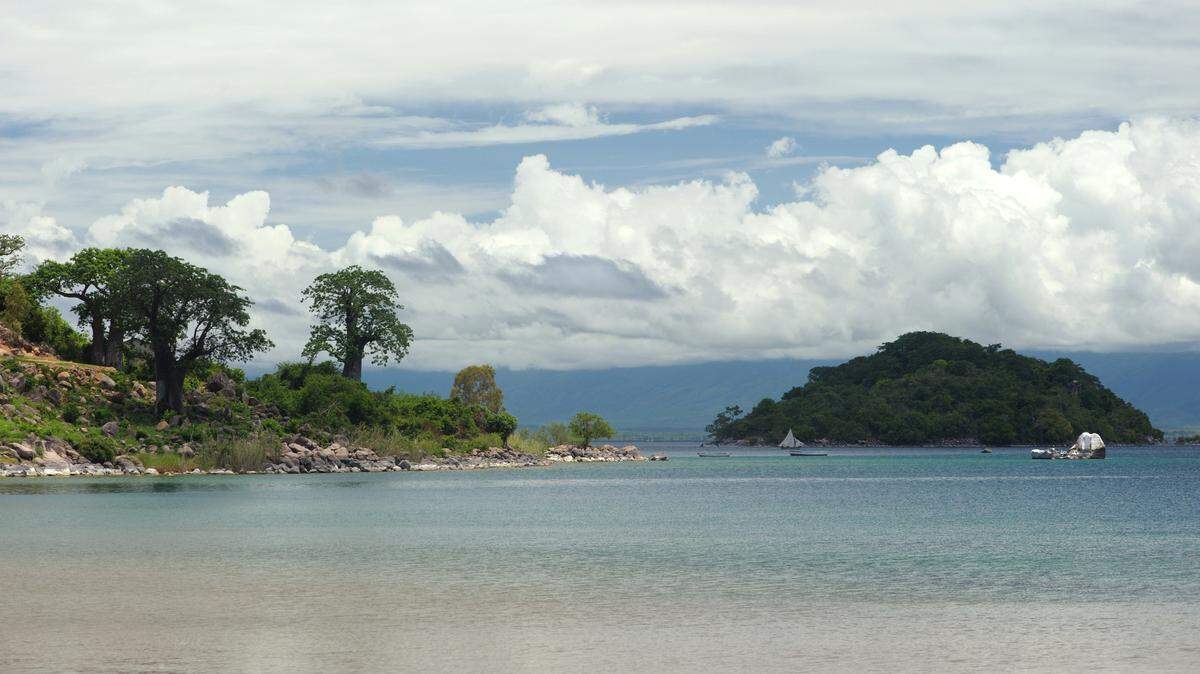
Plunging into a large lake in the East African country of Malawi, divers scanned the rocky coast for aquatic life. Some “large”-eyed creatures caught their attention — and turned out to be two new species.
Scuba divers visited several spots at Lake Malawi in 2016 to search for cichlid fish, George Turner wrote in a study published Dec. 10 in the peer-reviewed Journal of Fish Biology. The lake is known for its “exceptional number” of cichlid fish species, but “many species, even some well-known ones, remain undescribed.”
Researchers with the Malawi Cichlid Genomic Diversity Survey hoped to change that by collecting more fish specimens and studying them.
Turner analyzed some of these cichlid fish and noticed subtle but consistent differences. He quickly realized he’d discovered two new species.
The first new species was named Mylochromis rotundus after its “rounded” body and snout, the study said. Its “compressed” body can reach about 4 inches in length. It has spiky scales, “large” eyes and “prominent” teeth visible even when its mouth is closed.
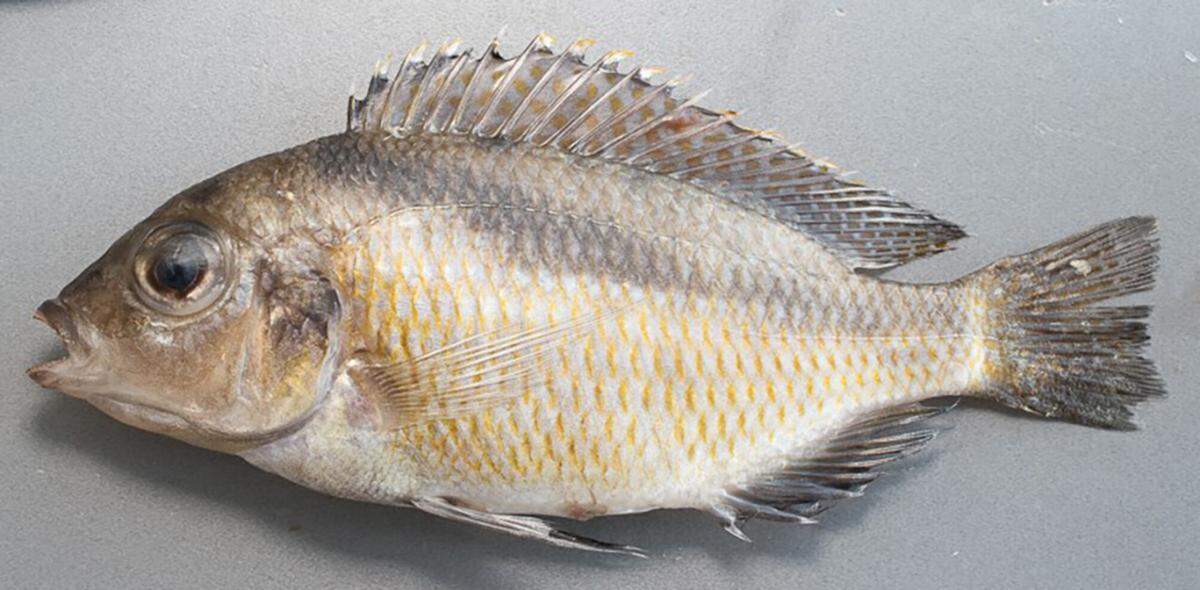
A photo shows the coloring of a male Mylochromis rotundus soon after being caught. A dark brown stripe and scattering of gold spots run along its side. Females have a similar but slightly lighter coloring, the study said.
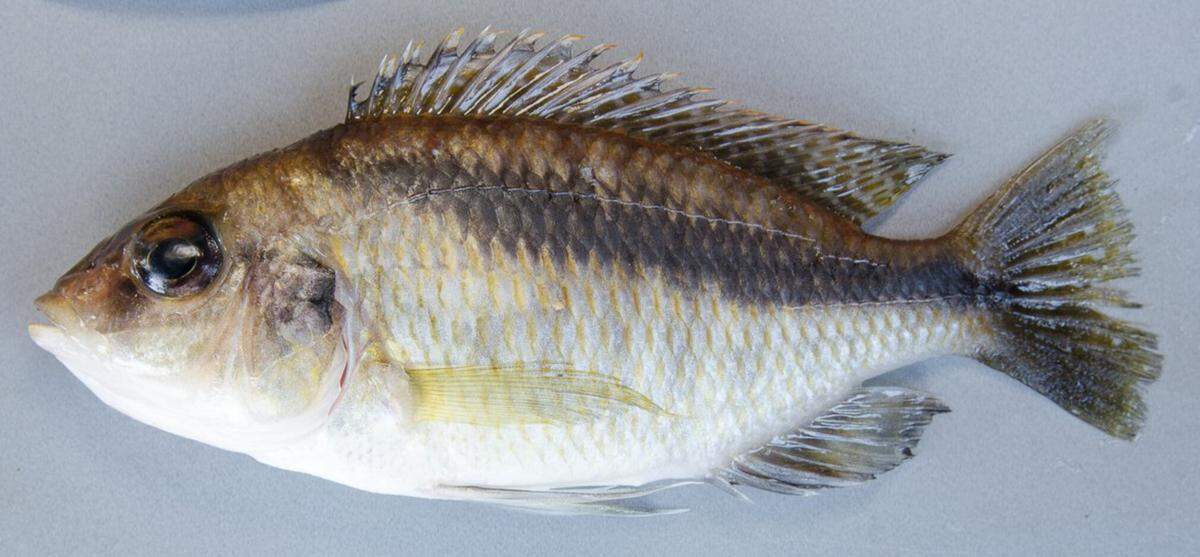
The second new species was named Mylochromis durophagus, a Latin phrase roughly meaning “hard” “eating,” because of its “presumed diet of hard-shelled invertebrates,” Turner wrote. It can reach about 3.5 inches in length, has “large” eyes and a “small” mouth.
A photo shows the brown and black coloring of a male Mylochromis durophagus soon after being caught.
Based on other known cichlid fish, males of both new species likely change color while “courting,” the study said. Their “full breeding dress” may be a “bright blue” and yellow, but researchers don’t know for sure.
Cichlid fish, “pronounced ‘sick-lid,’” are popular aquarium pets known for being “very territorial” and “aggressive,” according to the San Diego Zoo.
Both new species live in “shallow water” and near “rocky habitats,” the study said. So far, the new species have only been found near the Malawi coast on the western side of Lake Malawi.
Malawi is a landlocked country in East Africa bordering Mozambique, Tanzania and Zambia.
The new species were identified by their teeth, body shape, head and jaw shape, coloring and other subtle physical features, the study said.
This story was originally published December 13, 2024 at 8:32 AM with the headline "Divers find ‘large’-eyed lake creature with ‘prominent’ teeth. It’s a new species."