Odd sea creature with vivid eyes and ‘canine-like’ teeth discovered as new species
In the crystalline waters off the coast of Indonesia, an “unusual” freckled creature swam near a large sea sponge. Its bright eyes scanned the surrounding reef and the diver hovering nearby.
The diver didn’t realize it right away, but she was looking at a new species.
Christiane Waldrich, the owner of a dive resort in Bali, photographed some odd fish while scuba diving near her resort and alerted scientists, according to a study published Nov. 1 in the peer-reviewed Journal of the Ocean Science Foundation.
Researchers saw Waldrich’s photos and decided to investigate. They eventually caught several of these freckled fish and, after taking a closer look, realized they’d discovered a new species: Bathygobius mero, or the sponge frillgoby.
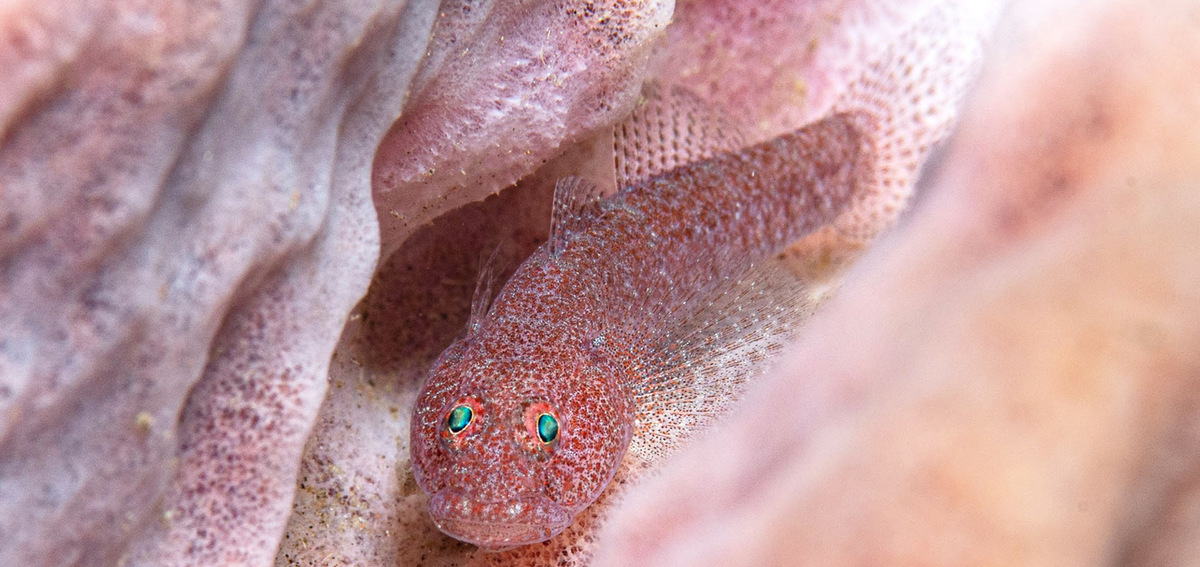
Sponge frillgobies are considered “small,” reaching about 1.5 inches in length, the study said. They have “rounded” snouts, notched tongues and rows of teeth, including some “canine-like teeth.”
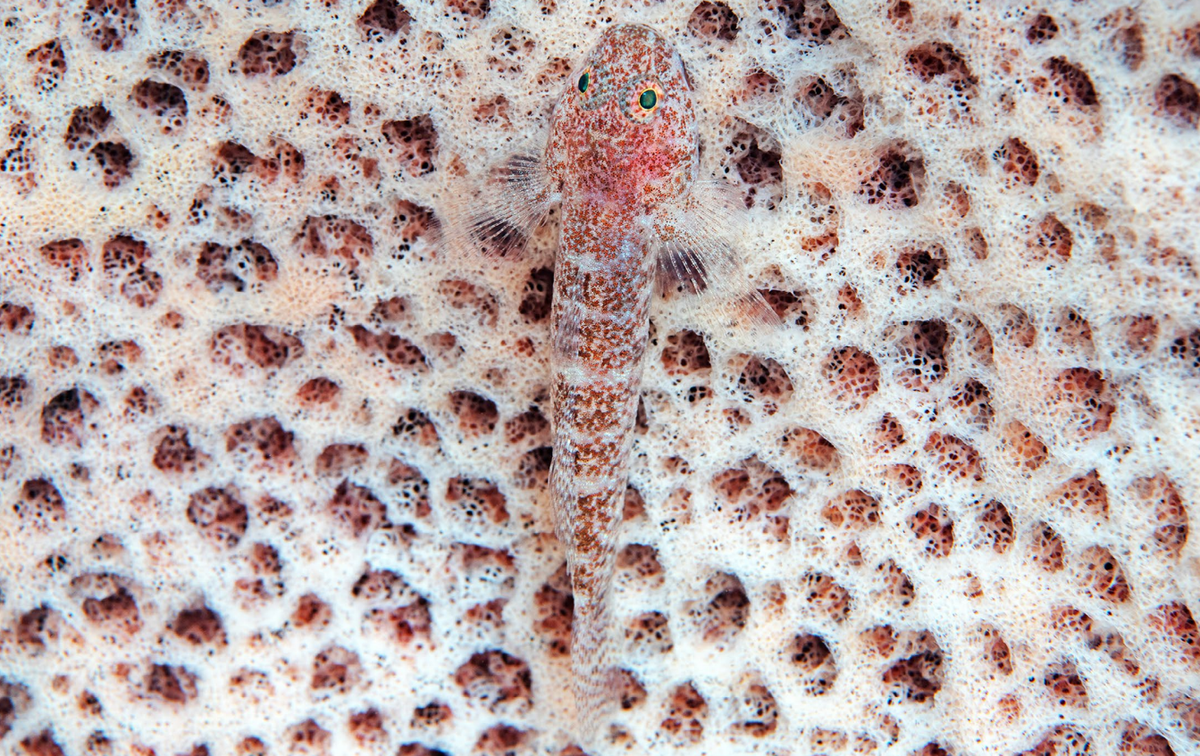
Photos show the new species’ vivid eyes and “dense covering of reddish-brown freckles.” The mix of pink, white, and red-brown hues helps the fish blend in with its surroundings.
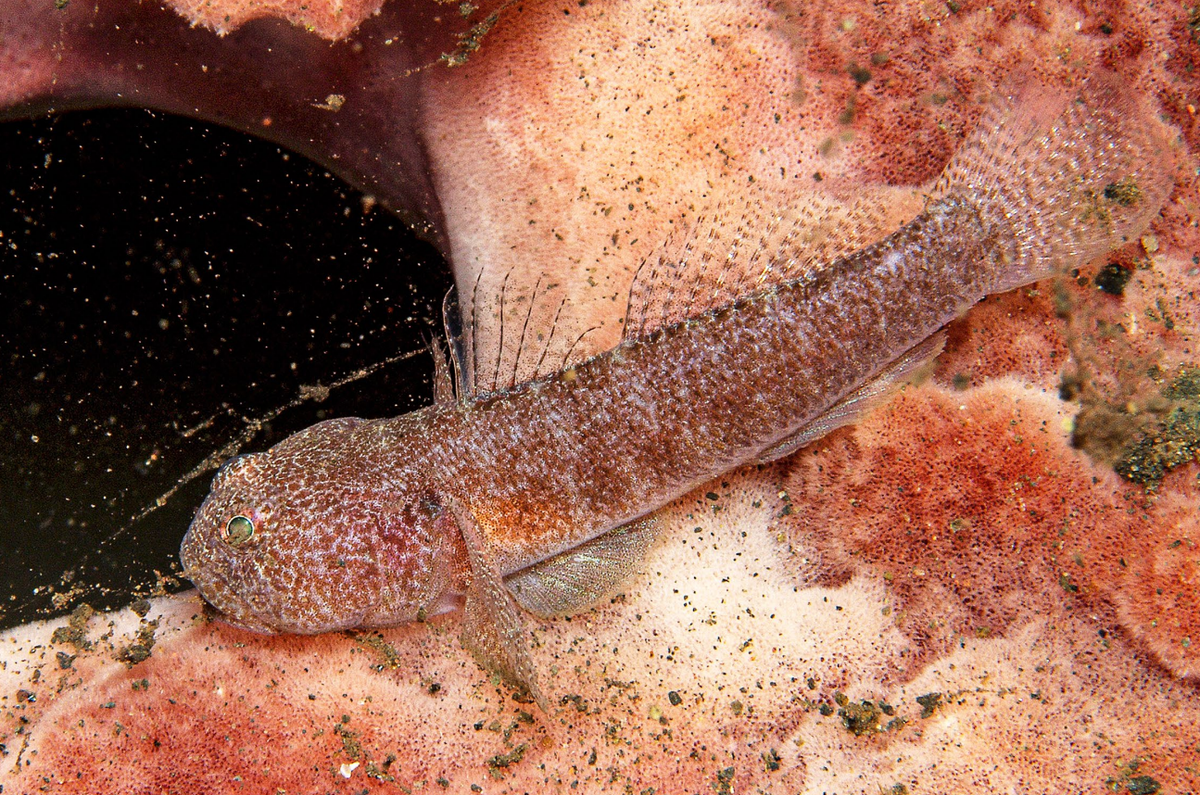
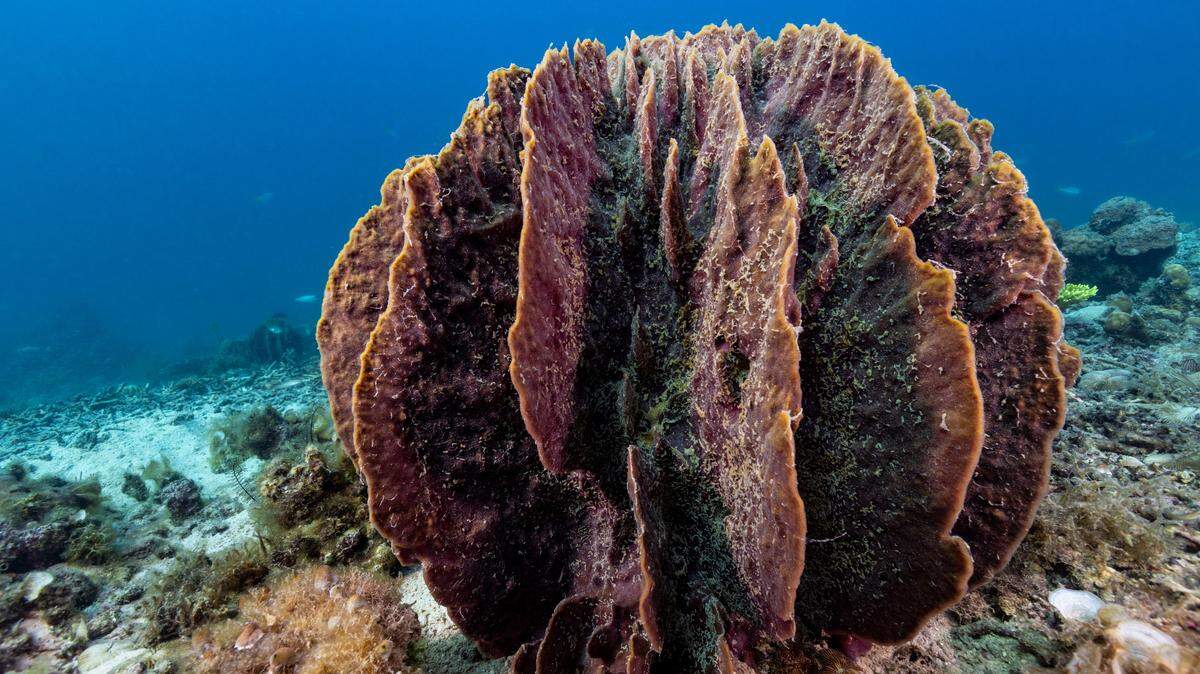
Sponge frillgobies live between 30 feet to 100 feet down and on the outer surface of giant barrel sponges, scientifically known as Xestospongia testudinaria and pictured above, the study said. Researchers saw up to 20 fish around “a single sponge.”
The new species’ sponge-dwelling habitat is “unique” and “unusual,” researchers said. Frillgobies are usually “relatively drab” fish found at shallower depths and typically “free-living on sand or hard surfaces of the reef environment.”
Researchers said they named the new species “mero” after the Indonesian Marine Education and Research Organisation (MERO) that funded their work. The new species’ common name refers to its preferred habitat.
So far, sponge frillgobies have been found at two sites in Indonesia, one site in Australia and one site in the Philippines, the study said.
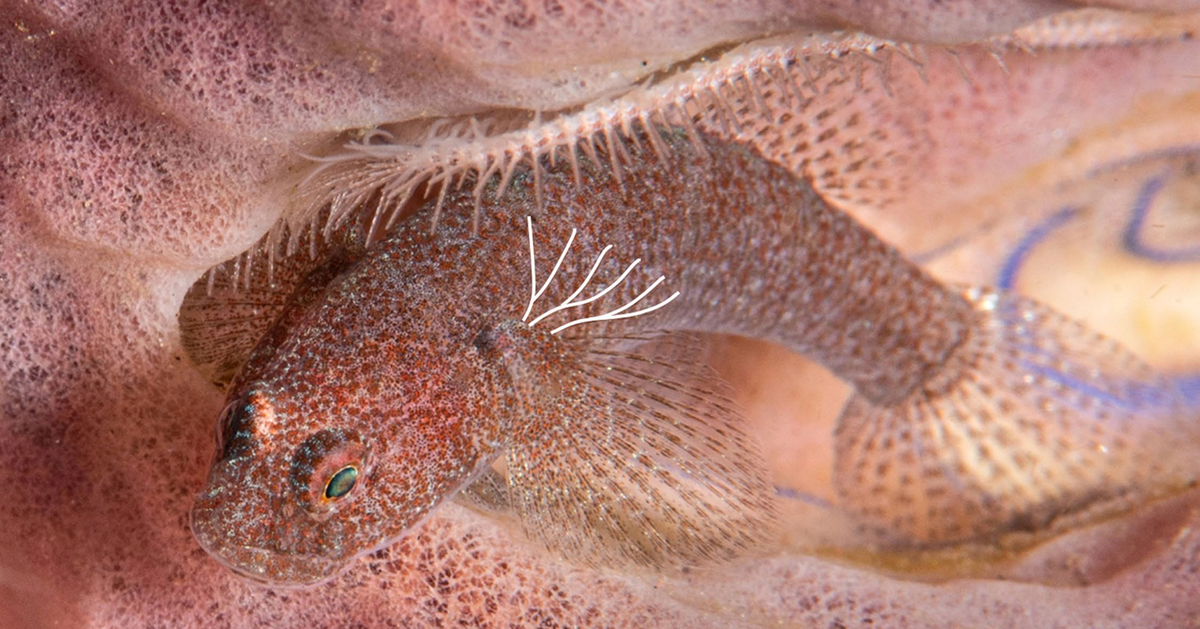
The new species was identified by its preferred habitat, coloring, fins and other subtle physical features, the study said. Researchers did not provide a DNA analysis of the new species.
The research team included Gerald Allen, Mark Erdmann and Nisha Ichida.
This story was originally published November 7, 2024 at 6:09 AM with the headline "Odd sea creature with vivid eyes and ‘canine-like’ teeth discovered as new species."