Stunned hikers see butterfly ‘happily’ land on snowy peak — and discover new species
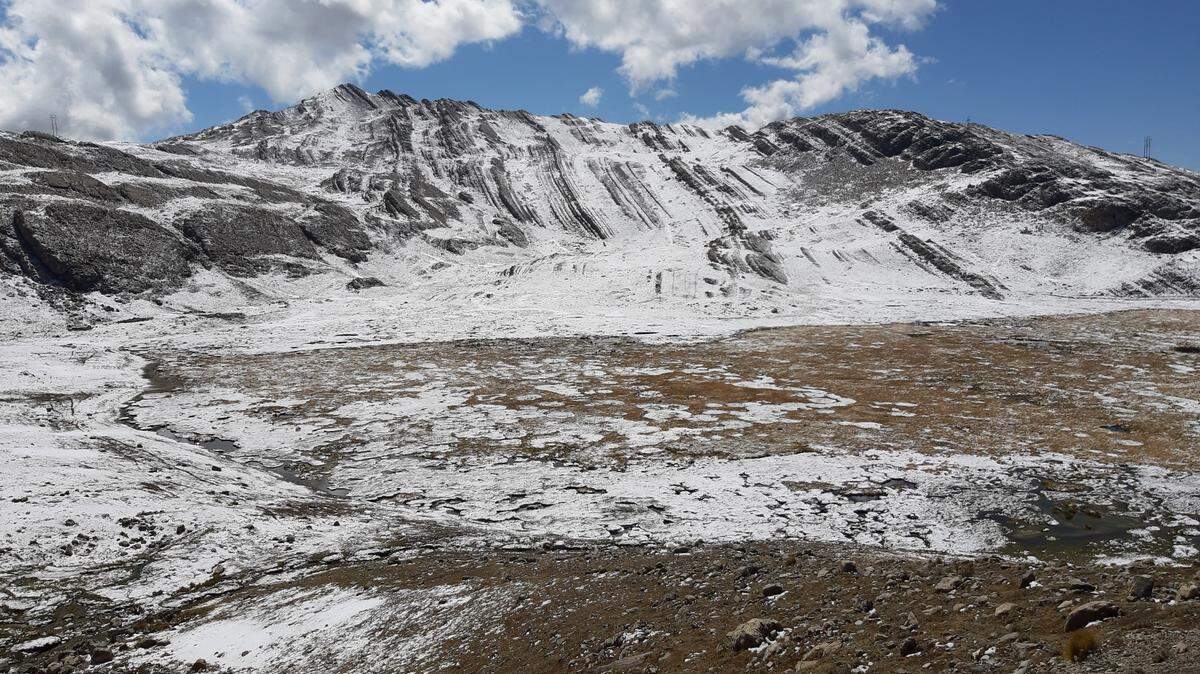
Over 15,000 feet up in the mountains of Peru, a team of scientists watched in shock as a brown butterfly flew “happily” along then landed on the snowy ground. They’d just discovered a new species with “totally unprecedented behavior.”
Researchers ventured into the Andes mountains in 2021 to survey wildlife, according to a study published Oct. 24 in the peer-reviewed Zoological Journal of the Linnean Society. After “half a lifetime of Andean field research,” the hikers thought they knew what to expect.
But they were wrong.
During their visit, researchers saw a “large” brown butterfly flying over the “snow-covered rocky slopes and even settling, from time to time, directly on the snow,” the study said. “We have never witnessed such a behavior among any other Andean butterflies.”
Very few butterflies live in the “extreme high-altitude” parts of the Andes mountains, researchers said. Those that do are usually “conspicuously small,” light-colored and fly “extremely fast, short lasting, and low above the ground.”
The snow-dwelling butterfly seen in 2021 was almost the complete opposite. “We felt a similar sense of wonder and amazement … verging on disbelief,” researchers said.
Immediately, they suspected the butterfly was a new species.
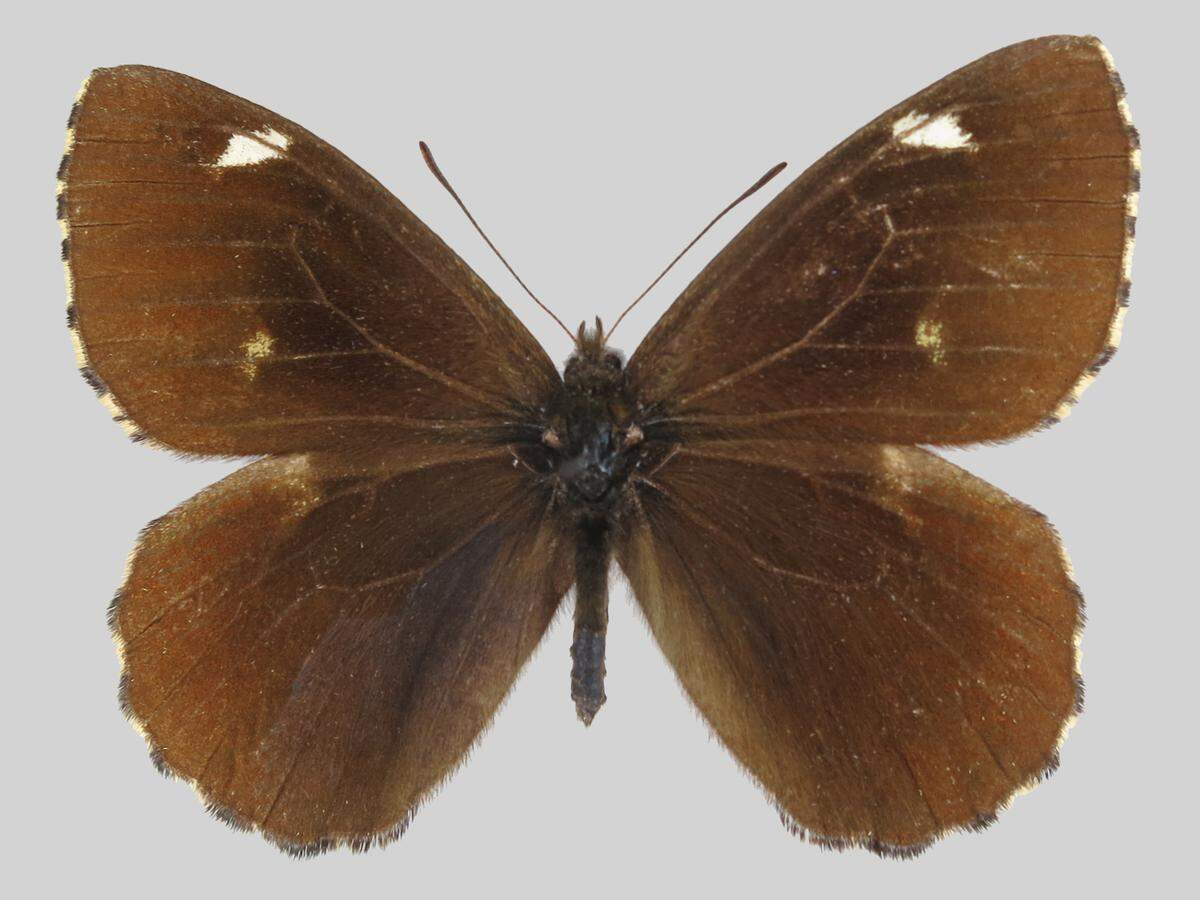
To investigate, the team tracked down about 20 of these butterflies, studied their features and analyzed their DNA. They soon realized they’d discovered a new species: Nivaliodes negrobueno, or the Negrobueno snowy butterfly.
Negrobueno snowy butterflies are considered “large,” measuring about 2 inches across, the study said. They have “hairy” eyes and “dark brown” wings with a few white patches. Photos show this coloring.
The new species “engages in long, sustained patrolling fights, predominantly over sharp rocks and steep ridges,” researchers said. Its preference for “rocky places is undoubtedly a strategy related to thermoregulation … Basking on dark rocks allows the butterfly to elevate its body temperature, preventing it from freezing.”
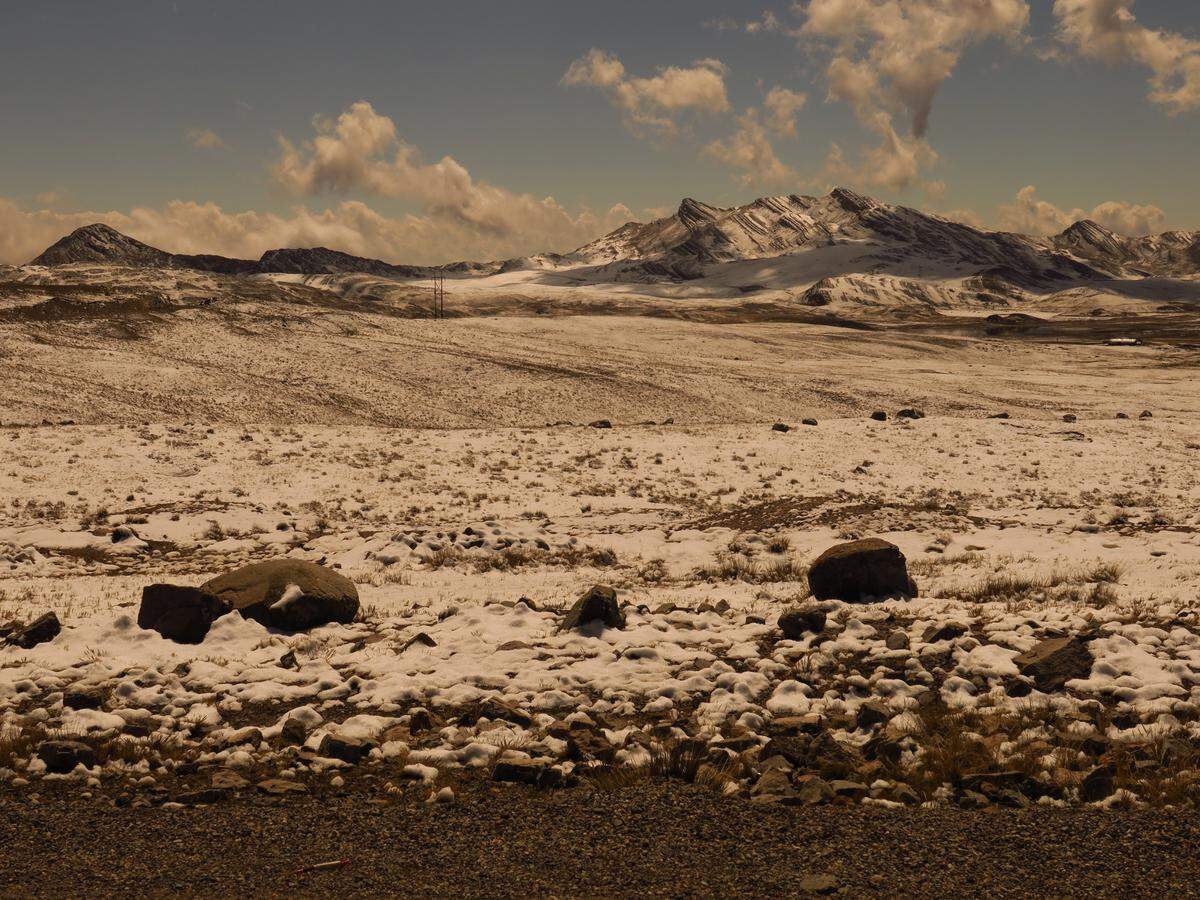
Researchers don’t know how Negrobueno snowy butterflies manage to survive in such an “unusual” and “extreme” environment and recommended follow-up research to answer this question.
Researchers said they named the new species after the Negrobueno Pass where it was first discovered. So far, Negrobueno snowy butterflies have been found at two locations in central Peru but likely live across a wider area.
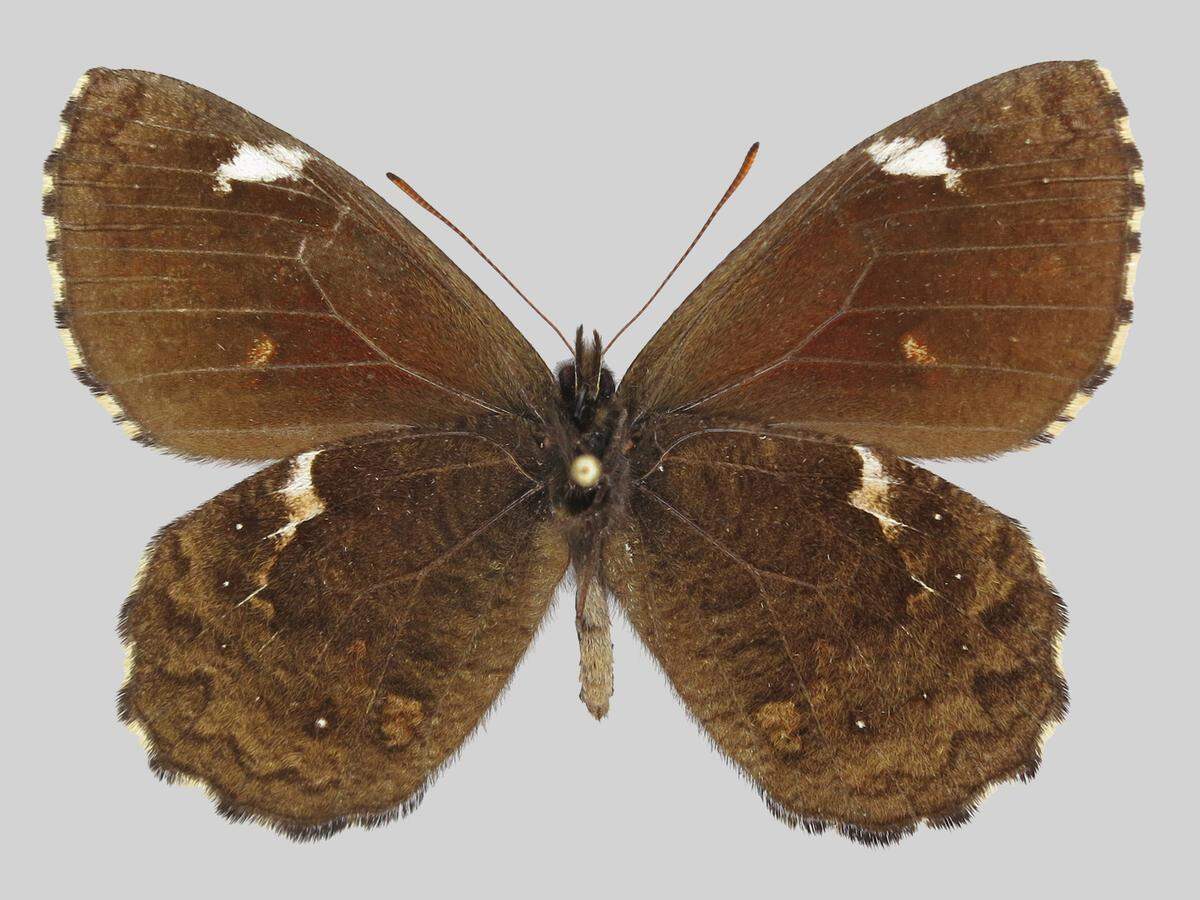
Researchers also discovered two more new species of related butterflies and grouped all three new species into a new genus.
The new species were identified by their DNA, habitat, behavior, size, coloring, genitalia and other subtle physical features, the study said.
The research team included Tomasz Pyrcz, Oscar Mahecha-J., Pierre Boyer, Dorota Lachowska-Cielik, Jose Cerdeña, Jackie Farfán, Rafał Garlacz, Jadwiga Lorenc-Brudecka, Zsolt Bálint, Christer Fåhraeus, Kamila Zając-Garlacz and Marianne Espeland.
This story was originally published November 4, 2024 at 1:00 PM with the headline "Stunned hikers see butterfly ‘happily’ land on snowy peak — and discover new species."