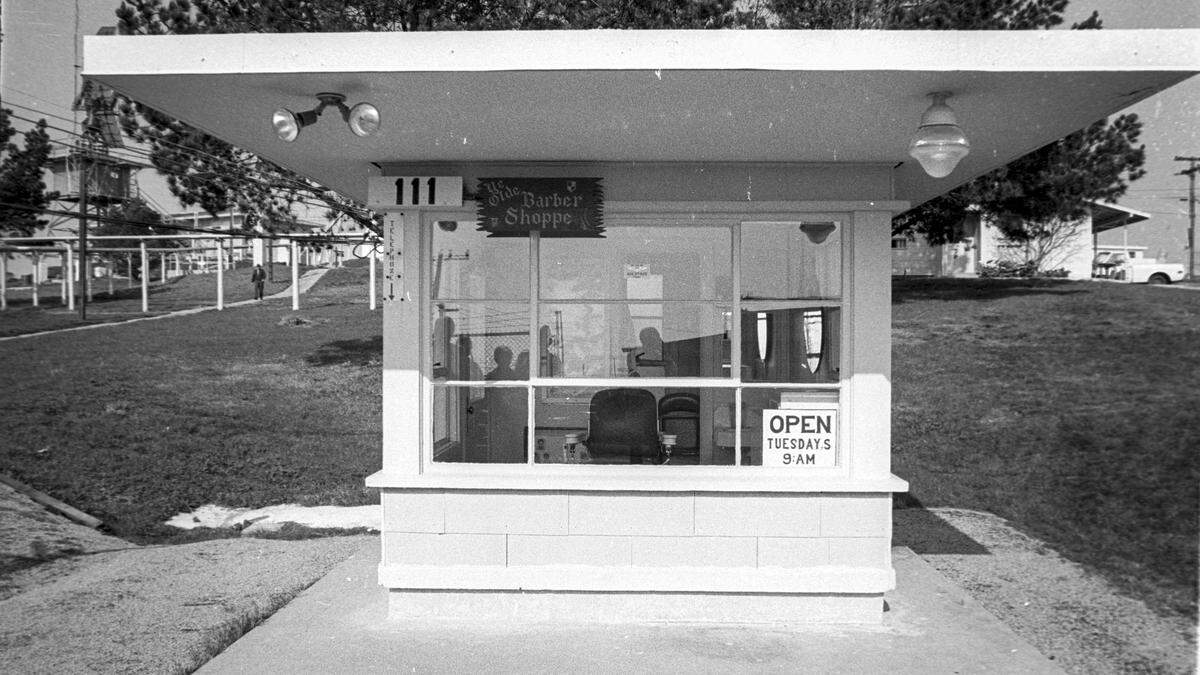
See inside a SLO County Air Force station — now for sale — in historic photos
The surprise attack at Pearl Harbor changed the psyche of the United States in many ways.
One of the lasting impacts was a strong impulse to spend money, trying to never be surprised again.
Congress authorized building a “continental radar fence” in 1948, and two years later bids were opened in Los Angeles.
The Telegram-Tribune got word that one of the stations would be located just south of Cambria on Oct. 24, 1950.
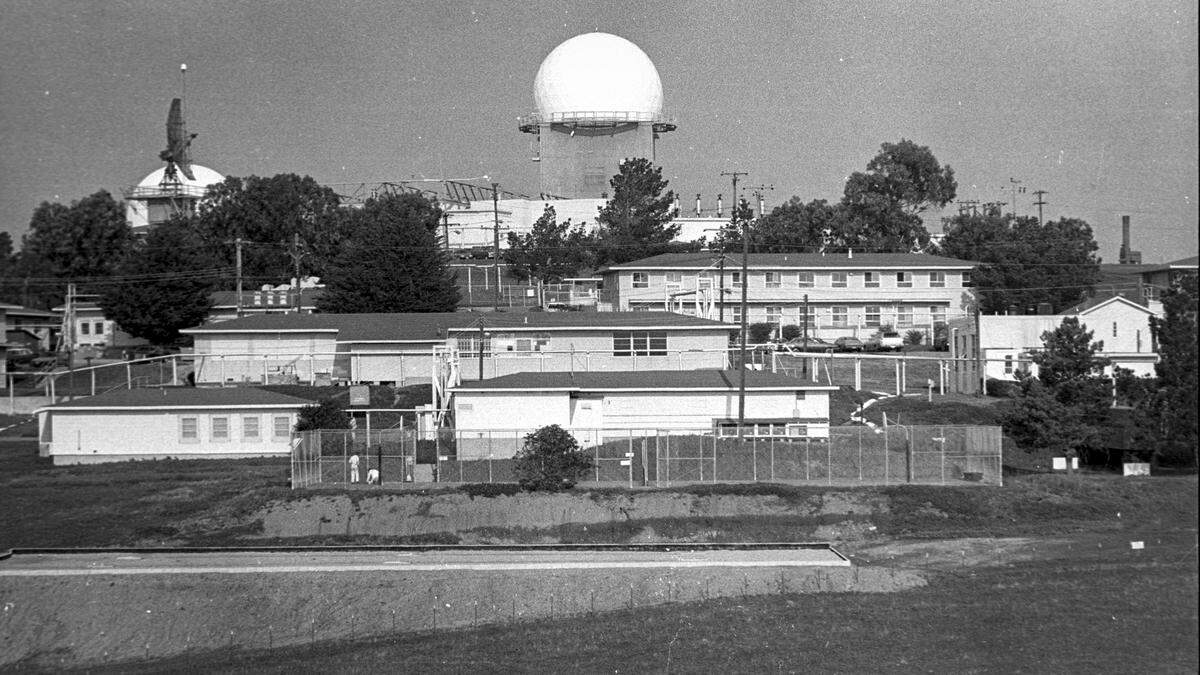
A spokesman would only confirm that it was a “military installation,” and refused further comment.
The building site was on the Alex Ferrasci ranch.
One of the odd and sad stories about the facility was from Aug. 30, 1962.
When the government decided to build a fallout shelter, to hopefully survive a nuclear strike, they built a shelter for base personnel in the restricted area of the base.
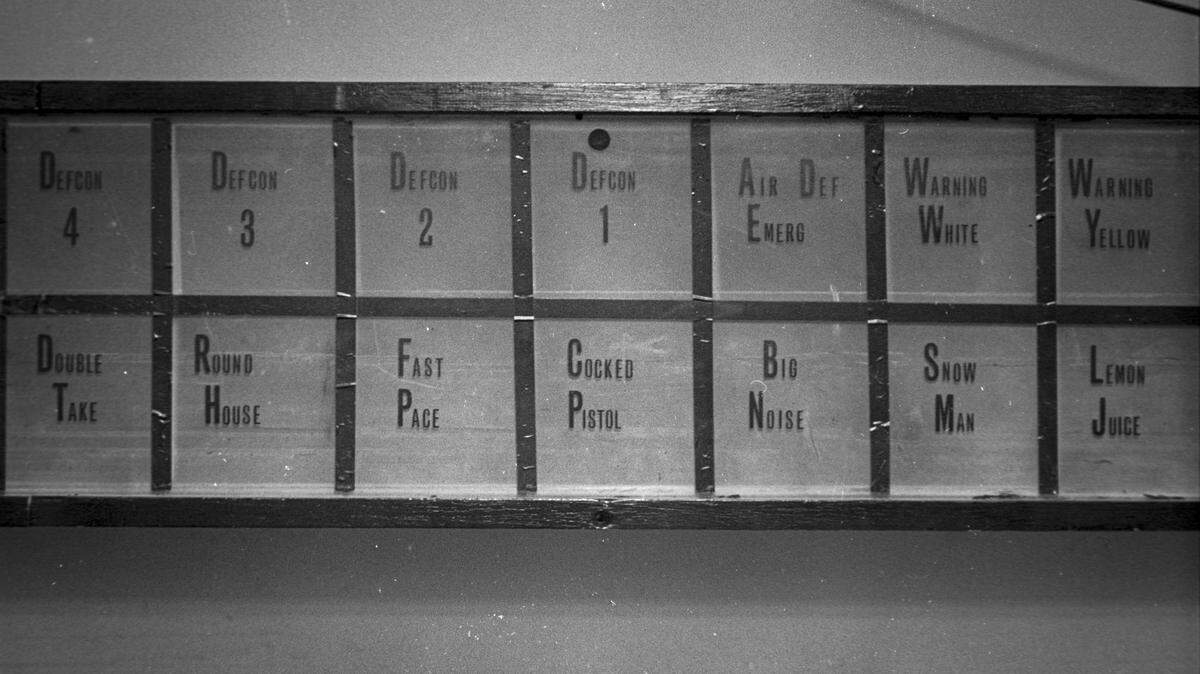
The Aug. 30, 1962, Telegram-Tribune story said it was up to the airmen to volunteer to build another shelter for their on-base dependents. The army engineers would provide design and oversee construction, but it was up to the service members to provide food and extra clothing for their loved ones so they could survive too.
After about 40 years of operations, the site closed in 1981 as a part of a cost-cutting consolidation.
It is a unique property, one of the few in the county with dorms and a two-lane bowling alley.
Declared surplus and sold in March 1983, the property is up for sale again.
Limited water, coastal zone regulations and asbestos removal have previously hampered ambitious plans to develop the property.
What was it like to work there?
Steven Churm wrote this article about the radar base as operations were winding down Jan. 25, 1979.
Keeping track of air traffic
They were lucky Wednesday. Winds that often rush off the ocean some 700 feet below the towering bluff had not mustered their chilling afternoon force. The sun was bright and warm, despite a thick haze that clouded the horizon in all directions.
It was an ideal day to show the place off.
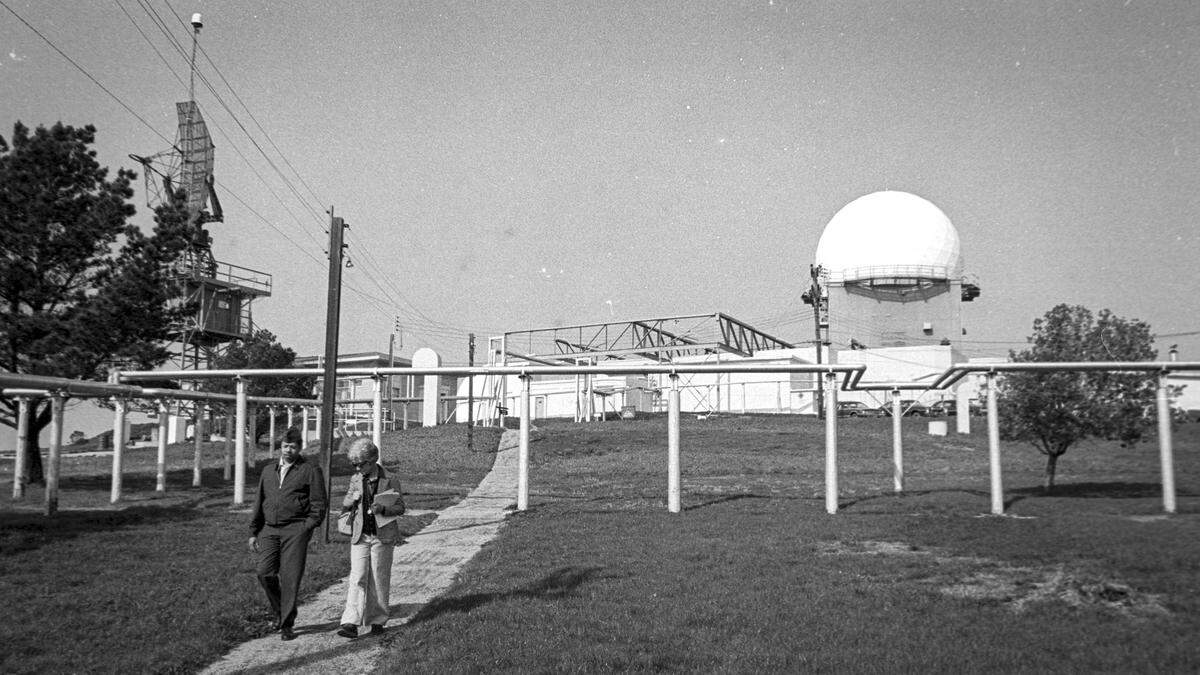
And 1st Lt. Todd L. Erickson, a military information specialist did. He led a handful of civilians — novices to the world of scanners, scopes and radar — on a two-hour tour of the Cambria Air Force Station.
To Erickson, the Cambria Air Force Station — located six air miles south of the community whose name it shares — has been miscast by some as a major defense installation.
“People have this idea we’ve got missiles and the Russians bedded in the sides of the bluffs,” he said, briskly marching past a half-moon shaped radar disc.
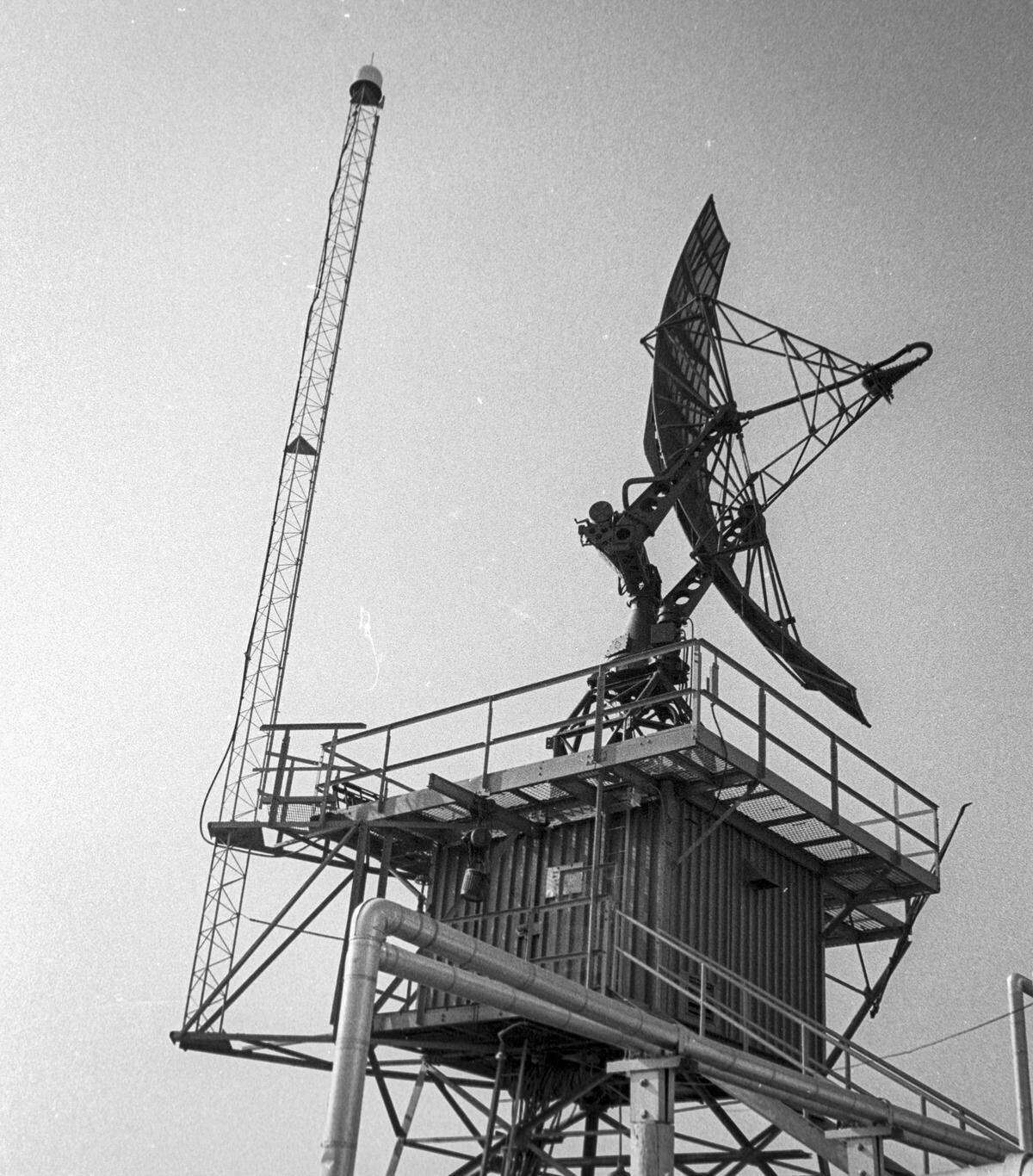
“Some even have this notion we’ve got nuclear warheads up here.”
That’s far from the truth, Erickson explained. The station’s job is simply to monitor air traffic — both military and commercial — 250 miles in every direction.
The station also contains computerized equipment to transmit the radar information to control centers for military use.
The Cambria air station, the only home of the 775th Radar Squadron for the last 27 years, is scheduled to close in the summer of 1980 due to a federal mandate.
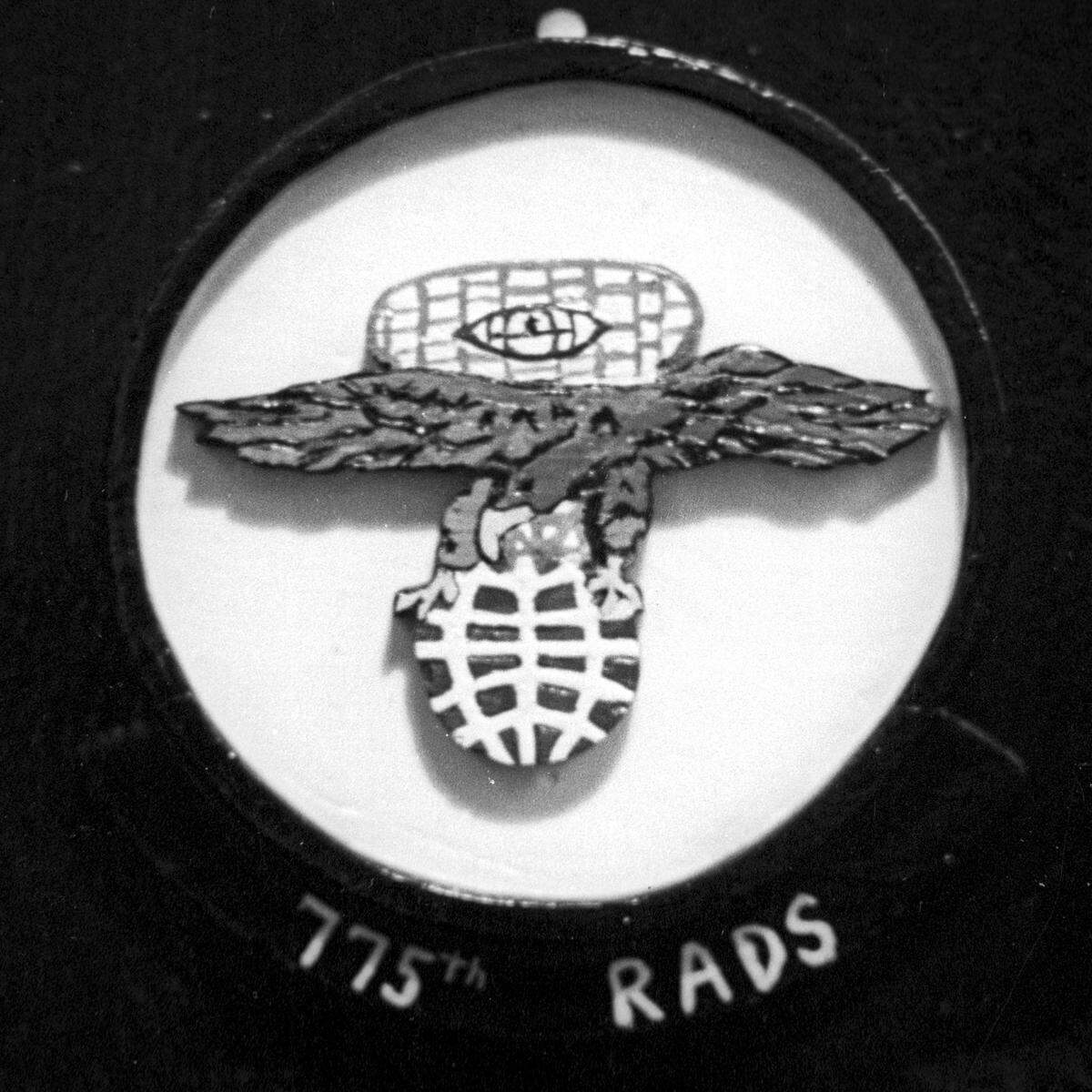
Although no action has been taken, plans to close the base and transfer the station’s 90 military and two dozen civilians are on schedule, Erickson said.
Once closed, the Air Force will enter into a joint surveillance agreement with the Federal Aviation Administration to use the civilian Black Mountain site. The FAA tracks more than 2,000 planes a day from the 3,625-foot mountain.