What was SLO’s Chinatown originally like? Ah Louis son recalled bustling hub, holiday fireworks
Lunar New Year is celebrated today, but even as the city and a local business plan to hold a block party in celebration, one thing is clear: Living memories of San Luis Obispo’s Chinatown have become scarce.
At one time, it was one of the most vibrant enclaves on the West Coast. It was the cultural hub for over 2,000 workers on various projects including railroad and road construction.
But most of the site on Palm Street was bulldozed to make a city parking lot in the early 1950s.
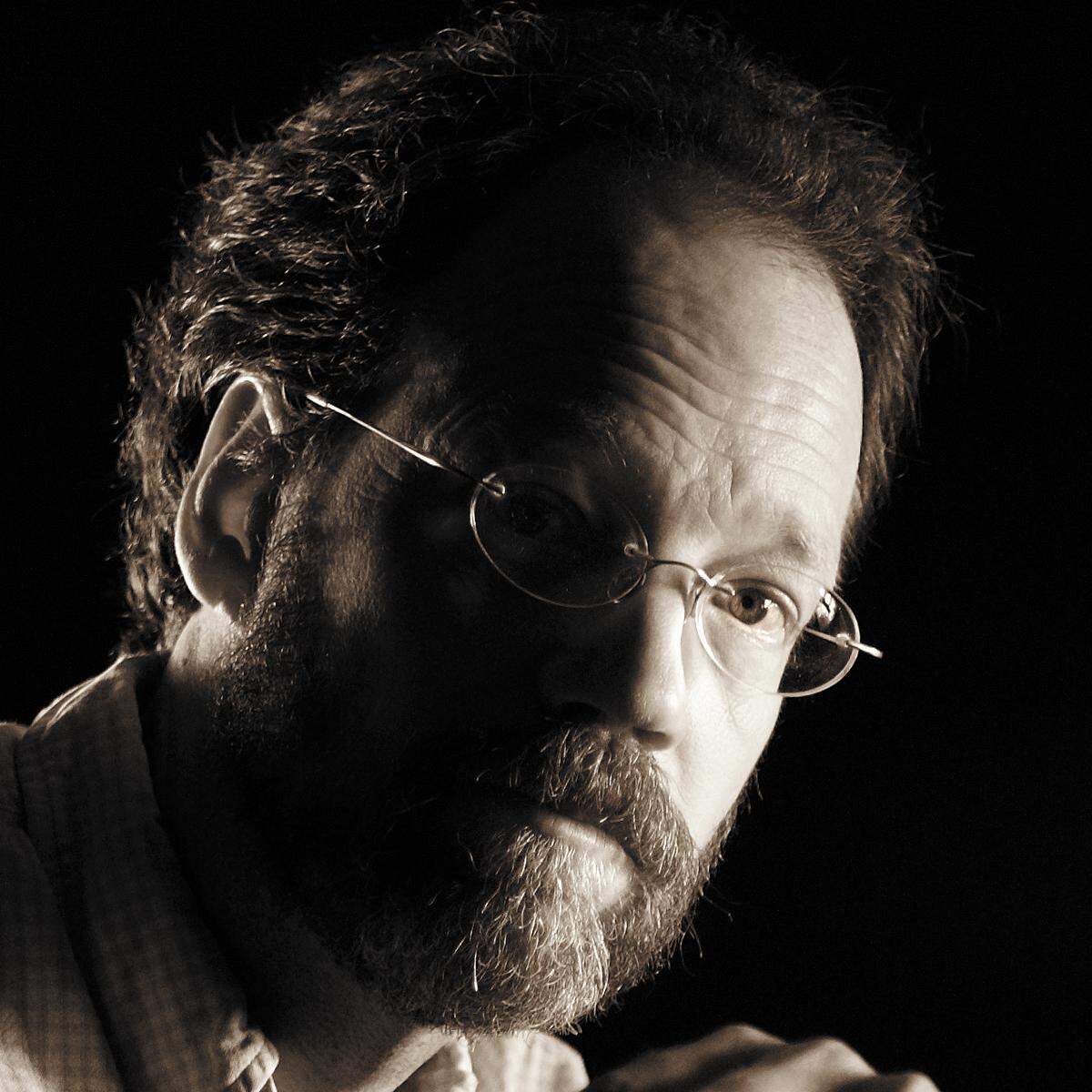
This story captures some of the lost sights and sounds, based on an interview with Howard Louis. He was one of eight children descended from Ah Louis, business pioneer and the unofficial mayor of Chinatown.
Ah Louis began his working career as a cook, a skill he carried his whole life.
Howard Louis fought to save his father’s historic store — the fourth building in San Luis Obispo built of brick, and featuring masonry made by one of Ah Louis’ many businesses — from the wrecking ball.
Howard died in 2008 at the age of 100.
Adam St. James wrote this story Feb. 9, 1996:
Ah Louis family remembers downtown San Luis Obispo of years past
Exclusion. The word carries immeasurable meaning in the history of San Luis Obispo.
Were it not for the Chinese Exclusion Acts of the 1890s, enacted by the federal government after anti-Chinese agitation flared up along the West Coast, San Luis Obispo might still have a bustling Chinatown.
It was bustling in the late 1800s and even into the early part of this century. The block of Palm Street between Morro and Chorro streets — designated the Chinatown Historic District by the City Council in September 1995 — once flourished with the sights, sounds and smells of another culture.
Scores of Chinese workmen roomed in redwood-planked buildings that stood on land now occupied by the Palm Street parking structure. They bought groceries and other necessities from the Ah Louis store, worshiped — if they felt the need — in special shrines to the Buddhist and Taoist faiths and ate in small restaurants and community dining rooms all located in that one city block.
They shared both a fellowship and a loneliness brought on by their common ancestry, and an intolerant turn-of-the-century American mood.
The Exclusion acts, according to Howard Louis, son of Ah and proprietor of the store his father opened 125 years ago, largely kept Chinese women from immigrating to America and joining the men who had done so much to improve the transportation infrastructure of the Central Coast. Despite their heroic efforts to blast and dig the Cuesta Grade roadways and railroad passages that brought San Luis Obispo out of its geographic isolation, the Chinese workers were not allowed the comforts of family life in their adopted home of California.
Had the Exclusion acts not been written, it is possible that Palm Street would today be awash in visions of Chinese women pulling small children through exotic, packed-to-the-rafters groceries. The sounds of the Mandarin and Cantonese dialects might fill the streets. And the scent of soy sauce sizzling on a cast-iron wok would waft into the neighborhood, beckoning the hungry to eat.
Howard Louis remembers it almost like that.
“In the backyard behind the store,” he said last week, reminiscing about the old days, “we had two brick ovens, like a hogan — a bee-hive, with a two-foot diameter opening in the top, and a hole at the bottom to clean the ashes out of. We had stacks of oak wood to stoke it up. My father would get a live pig from the ranch, skin it and lower it into the oven with a yardarm. They roasted that pig all day and when it comes out, boy is it aromatic. They used that five-spice and soy sauce.”
The Louis family — Ah, his eight children, assorted husbands and wives and later granddaughter Elsie — would gather around a table in the middle of the Ah Louis store and dine together. Those employed by Ah Louis would circle another table, and all would sit on teak-wood cubes while they shared a meal and friendly conversation.
Men from the neighborhood would stop in to purchase pieces of the roast pig they had smelled cooking since 4 a.m.—making the Ah Louis store perhaps the first fast food joint in town. It was young Howard’s job to keep the tea hot, keep the kerosene lamp clean and running, and during the daytime, care for the barnyard animals out back.
“Where my warehouse is now used to be our barn. Two stories, hayloft and all. (There was) a horse buggy, and room for six horses in there. It was my duty to clean that place,” he said with a laugh.
“And next door to that barn was the living quarters for our cook and roustabouts–we had two. Beneath them were all the implements for our ranches, and above them, a pigeon loft. We had rabbits and chickens and ducks. It was my job and my brother’s job to feed those damn things. And hogs–we even had hogs in the back yard.”
Elsie Louis is Howard’s niece, the daughter of Ah Louis’s eldest son, Young. She remembers the animals, and in later years, the family gathering to eat in a room toward the back of a small wooden building next to the Ah Louis store. She says that one of the Louis boys would run out into the street and shout “dinner’s ready, dinner’s ready” and ring a triangle.
“The doors would open all around,” she said, “and there would be all these men all running down the street to eat at the store—all these bachelors, all these men didn’t have any homes. It was something that my grandfather just did for people, like the People’s Kitchen. The boys would carry food into the store and let them eat, and it didn’t matter how many people. Then my grandfather would come into the dining room where we (the family) were all sitting, and my grandfather would go to each dish and tell us what it was in it and explain every dish to us. He was a fantastic cook.”
The store provided more than just good food too. The Ah Louis store was the focal point in the neighborhood for celebrations of both Chinese and American holidays. Howard says that on Chinese New Year or the Fourth of July, the Louis’s would light off massive strings of firecrackers.
“We sold the biggest selection of firecrackers from L.A. to San Francisco,” he said. “Skyrockets, Roman candles. For Chinese New Year, we had huge strings of firecrackers from the roof — it’s 30 feet up there — over the top, out beyond the balcony, to the ground. Then we lit that and kept feeding it over — a 50-foot-long string of firecrackers. God almighty. Then the firecracker paper would be from curb to curb. I have good memories.”
Today memories are most of what remains of San Luis Obispo’s Chinatown.
Happily, the Ah Louis Store is still open — when Howard and Yvonne, his wife of 54 years, are not traveling. The Mee Heng Low restaurant, operated since 1987 by Kim Huynh, still serves steaming plates of chop suey. And the old Shanghai Low restaurant, run for decades by George Gin, still looks like a Chinese restaurant — although now the menu features pizza and pasta.
For those who worked to claim historic status for the neighborhood, the vote of the City Council last September brought long-awaited recognition to the Chinese heritage of San Luis Obispo.
Dan Krieger, a Cal Poly history professor and an active member of the San Luis Obispo Historical Society, says that many hundreds of artifacts from the old Chinatown may one day be exhibited in a proposed new wing of the County Historical Museum.
There is little hope, though, that the hustle and bustle that pervades San Francisco’s much larger and still lively Chinese enclave —and that once permeated Palm Street — will ever return.
Helen Yung, granddaughter of George Gin, sadly accepts that fate for all who would hope otherwise when she says “I wish, but I don’t think so.”