SLO County’s first battery plant will soon start operating. Locals worry it isn’t safe
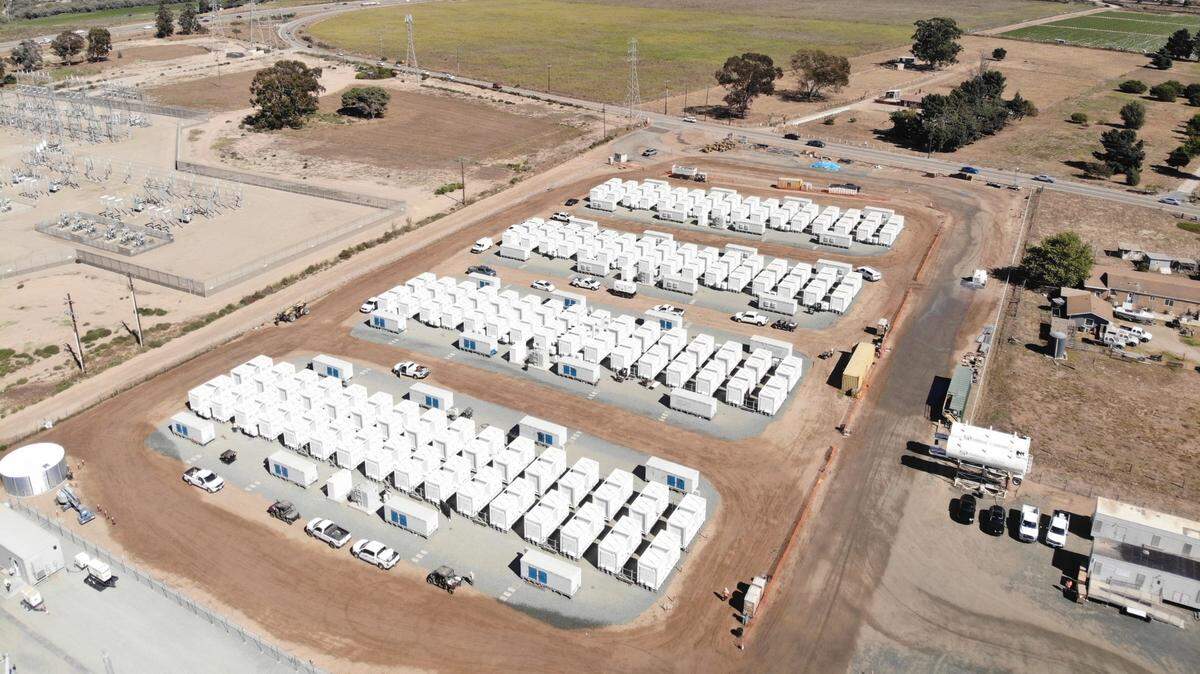
San Luis Obispo County’s first battery energy storage facility will soon be up and running in Nipomo — despite recent community opposition to the project.
The Caballero Energy Storage project will store 100 megawatts of electricity, enough to power 100,000 homes for up to four hours per day, a project spokesperson told The Tribune.
Approved by the San Luis Obispo County Planning Commission in 2023, the facility is scheduled to begin operating in early 2025.
Some Nipomo residents said they were surprised to learn that a battery plant was being built in their backyard. They criticized the county for failing to educate the public about the facility, and asked the San Luis Obispo County Board of Supervisors on Tuesday to pause the project due to safety concerns.
Nipomo resident Lorena Chavez lives about 300 feet away from the project, but neither the county or developer notified her that it would be a battery energy storage facility, she said.
“To my surprise, the Caballero project with hazardous materials was built in my backyard without a courtesy notice,” she said. “When I asked the owner of the property, they said that it was a solar project — nothing to worry about.”
She asked the board to pause the project while developing the appropriate emergency response and evacuation plans.
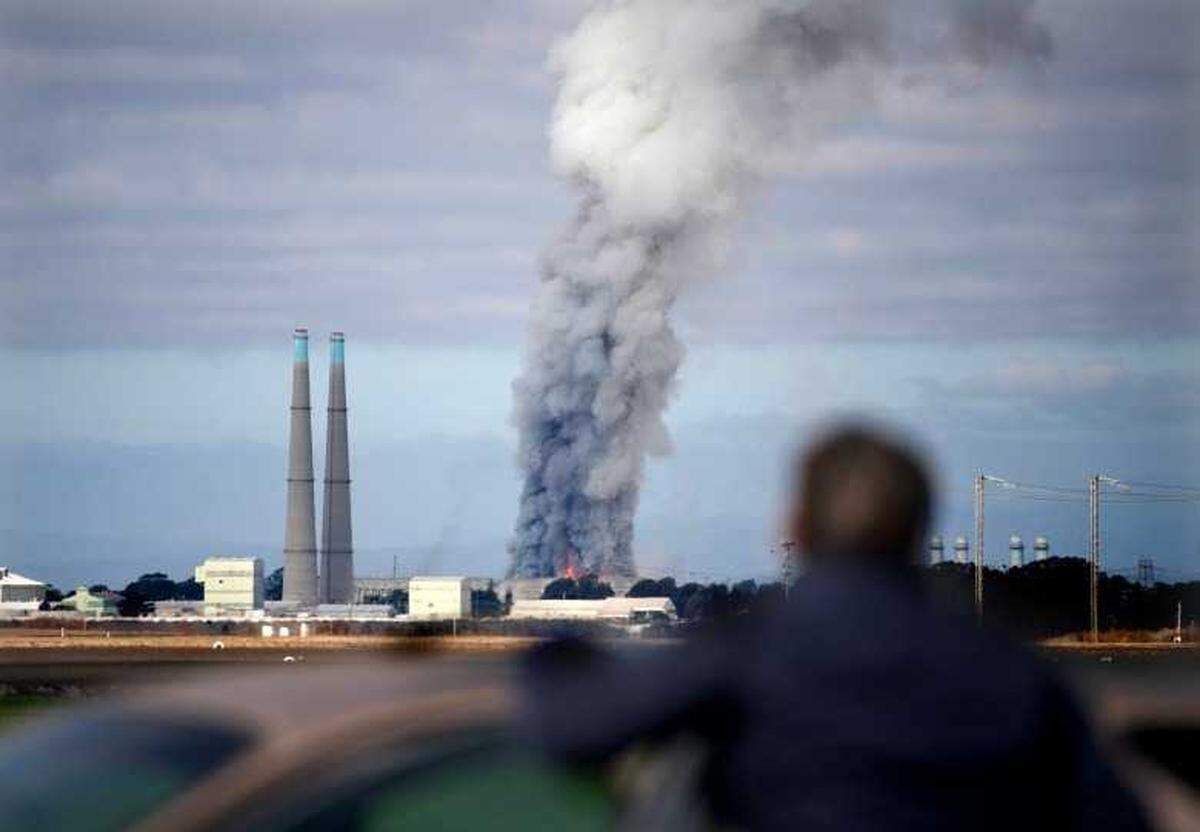
“This project requires immediate attention due to the crisis and the disaster other communities are facing,” she said, mentioning the Moss Landing battery plant fire. “I ask you, please help me feel safe again. Please help my family feel safe again. Please help my community feel safe again.”
Because the project was already approved, the county would risk a lawsuit if it prevented the facility from operating, Supervisor Jimmy Paulding told The Tribune on Wednesday.
“If we were to try to pause the project ... that would cause the county to incur significant legal liability, of course which would be borne upon the taxpayers,” Paulding told The Tribune on Wednesday.
Paulding noted that the technology used at Caballero is different from Moss Landing.
“I think this facility is much safer than the Moss Landing facility,” he told The Tribune. “Do I still have concerns? Absolutely. In this particular case, we’re not able to go back in time to address those because the project has been approved.”
How will the batteries be stored, protected?
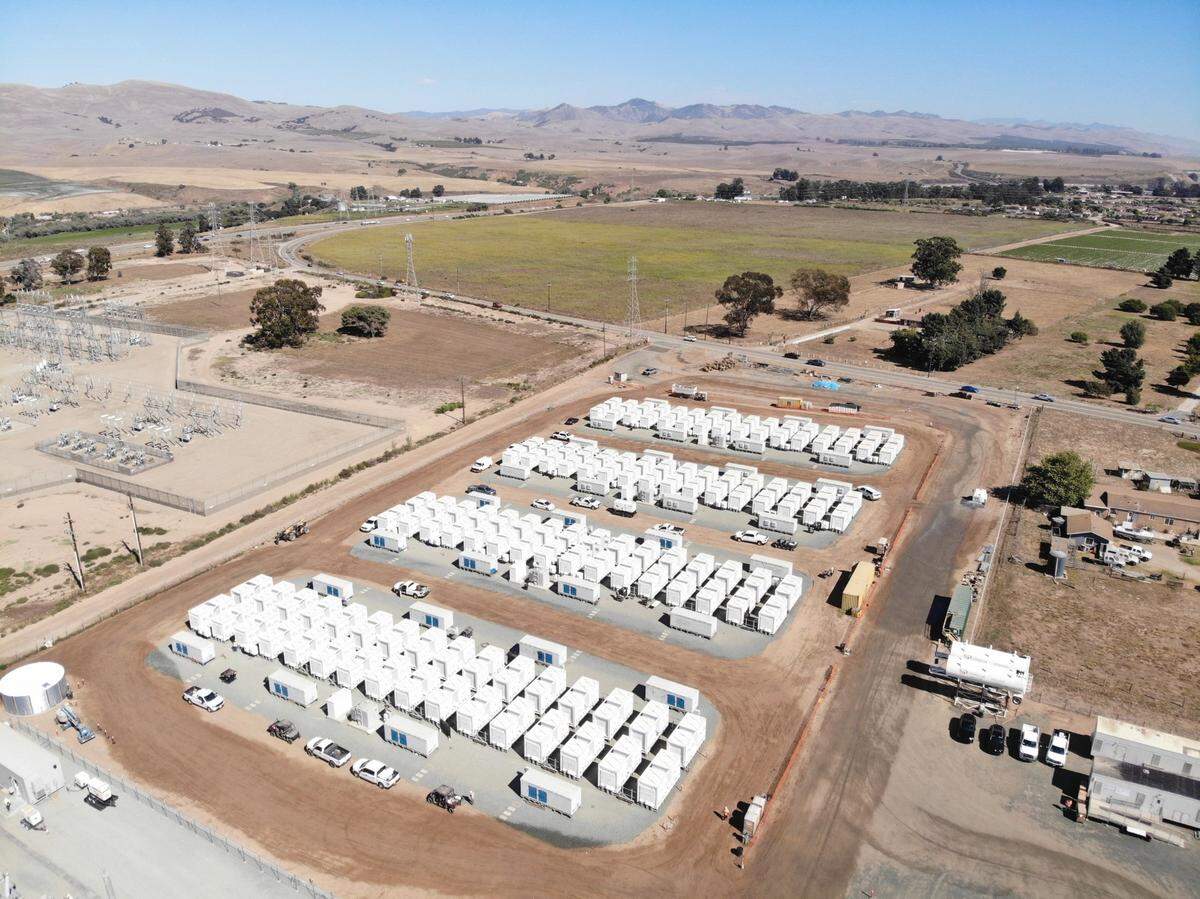
The facility will house lithium iron phosphate battery cells in 33 separate containers, according to a project spokesperson.
“The enclosures are designed, rated and tested for outdoor use and have specific spacing requirements that are being strictly followed,” the spokesperson said in a statement.
First proposed by PG&E then passed to Origis Energy, the project was purchased by Fengate Asset Management and Alpha Omega Power in November 2024.
The 6-acre project sits on a 20-acre property at 650 Joshua St., which is about 1,000 feet west of Highway 101.
Nipomo residents worried that the Caballero project could catch fire like Moss Landing battery plant, which prompted the evacuation of more than 1,000 people and leaked heavy metals into the soil at the Elkhorn Slough Reserve.
Nipomo resident and retired Santa Maria firefighter Victor Gutierrez said the Moss Landing fire alerted him to the dangers of battery energy storage facilities.
“I‘m like everybody else. I was not concerned or wasn’t really worried — wasn’t even thinking about it,” Gutierrez said. “Once the Moss Landing fire happened, it caused me to start doing some research.”
Not only should Cal Fire prepare to fight battery fires, but neighboring fire departments should too so they can support the county’s response to emergencies at Caballero, Gutierrez said.
SLO Climate Coalition executive director Eric Veium, however, said he doesn’t support a pause of the project, as battery technology has improved since Moss Landing was built.
“These are fundamentally different projects that have different characteristics,” he said. “We’ve learned a significant amount around safety, fire protection.”
Vistra’s Moss Landing facility stores batteries are composed of nickel, magnesium and cobalt — which were designed for electric vehicles, GridLab executive director Ric O’Connell previously told The Tribune. Meanwhile, the lithium iron phosphate batteries that will store energy at Caballero were designed for battery energy storage facilities and are more stable.
Additionally, the Moss Landing facility that caught fire held 300 megawatts of lithium ion batteries stacked in racks in one large building.
The Caballero project will store batteries in individual containers rather than in one big building, so as to further reduce the risk of a devastating fire.
“If you have containers with space between them — if you have a thermal runaway in one container, it won’t spread to other containers,” O’Connell said.
The Caballero project spokesperson said the facility includes automatic shutdown systems that will turn off the batteries to prevent a fire from sparking or spreading. The developer also made an emergency response plan as required by SB 38.
“The Caballero Energy Storage project’s design and safety measures have been extensively tested and verified by first responders, including the National Fire Protection Association and the County’s designated Fire Protection Engineer,” the spokesperson said.
Cal Fire Chief John Owens said the agency reviewed the facility’s emergency response plan and developed a standard operating procedure for responding to incidents at the battery plant. Cal Fire also worked with the County Office of Emergency Services to develop an evacuation plan for the community surrounding the facility.
Additionally, the developer offered a training to Cal Fire SLO, the Santa Barbara County Fire Department, the Santa Maria City Fire Department and the Five Cities Fire Authority on how to fight fires at the plant.
The project spokesperson said Caballero will support the state’s grid reliability, as it “will store excess energy from the California grid during peak production periods and release energy to the grid when demand is high.”
To curb climate change, California aims to transition to 100% renewable energy by 2045. Part of that goal is to build 52,000 megawatts of battery energy storage by then, according to the California Energy Commission.
County takes steps to improve risk management for battery projects
Though the county won’t interfere with the Caballero project, it can prepare for emergencies and improve the public outreach process for future battery energy storage projects, Paulding said.
Neighbors who lived within 300 feet of the Caballero project received a written notice about the development before it was presented to the Planning Commission for approval.
On Tuesday, the board voted unanimously to add an item to a future agenda that would increase the notification zone to 1,000 feet. Paulding said he also plans to host more community meetings before the approval of any future battery projects.
“I’m certainly committed to making sure that there’s increased awareness around any future project,” he said. “The public needs to know when a project like this is happening.”
Additionally, Paulding asked staff to add a section on risk management for battery energy storage facilities to the county’s Multi-Jurisdictional Hazard Mitigation Plan.
“It’s really a matter of our public safety professionals ensuring that emergency response protocols are in place, that training is being done, not only with SLO County Fire, but also with neighboring jurisdictions like Santa Maria Fire, Santa Barbara County, to ensure that mutual aid response would be consistent and in accordance with those with best practices,” Paulding said.
This story was originally published February 8, 2025 at 10:00 AM.