Morro Bay moves to block new battery plants after fire. ‘We shouldn’t have to live in fear’
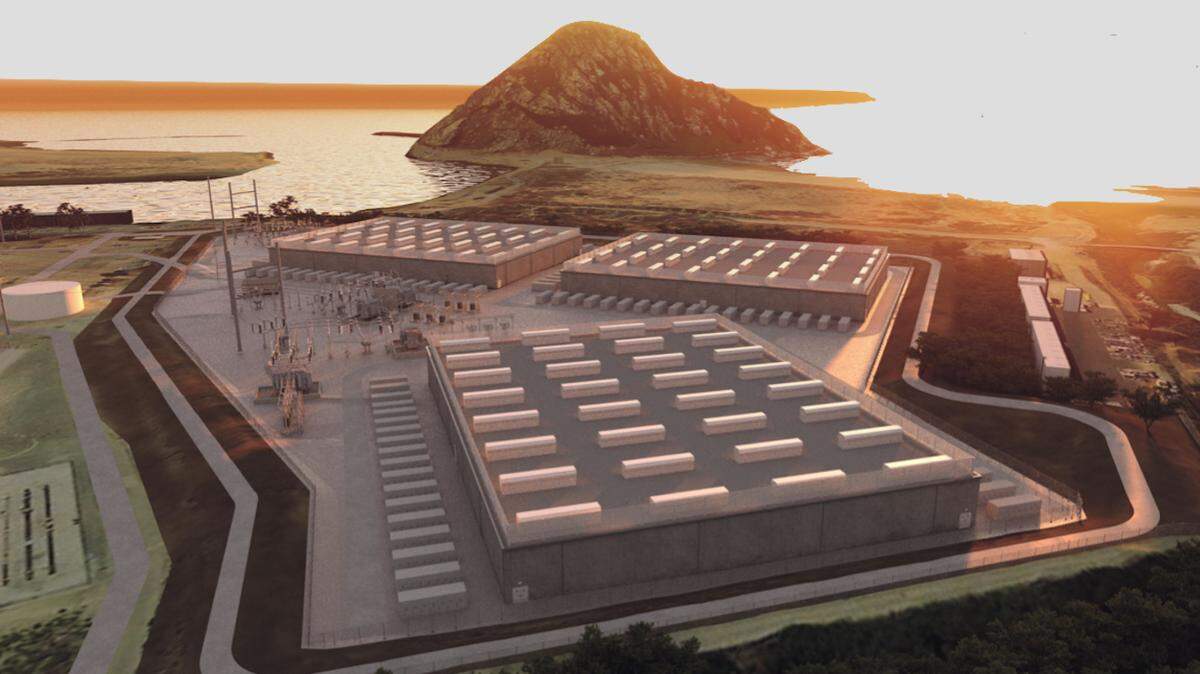
In the wake of the fire at Moss Landing, the Morro Bay City Council took a step to push back on any plans to build a similar battery plant on its waterfront.
The Morro Bay City Council voted unanimously Tuesday to pause the city’s ability to process new battery plant development permits for the next 45 days. The ordinance said battery energy storage systems pose an immediate risk to public safety, as the facilities are vulnerable to fires and explosions.
“As an elected representative, my first responsibility is always to the safety and welfare of the community,” Mayor Carla Wixom said. “We shouldn’t have to live in fear of what may happen.”
On Feb. 25, the council will vote on whether or not to extend the ban so it lasts for two years. The permitting pause gives the city time to develop research-based permanent development requirements for battery plants built in the community, including safety measures, emergency planning and rules about where the facilities could be located, Morro Bay community development director Airlin Singewald said.
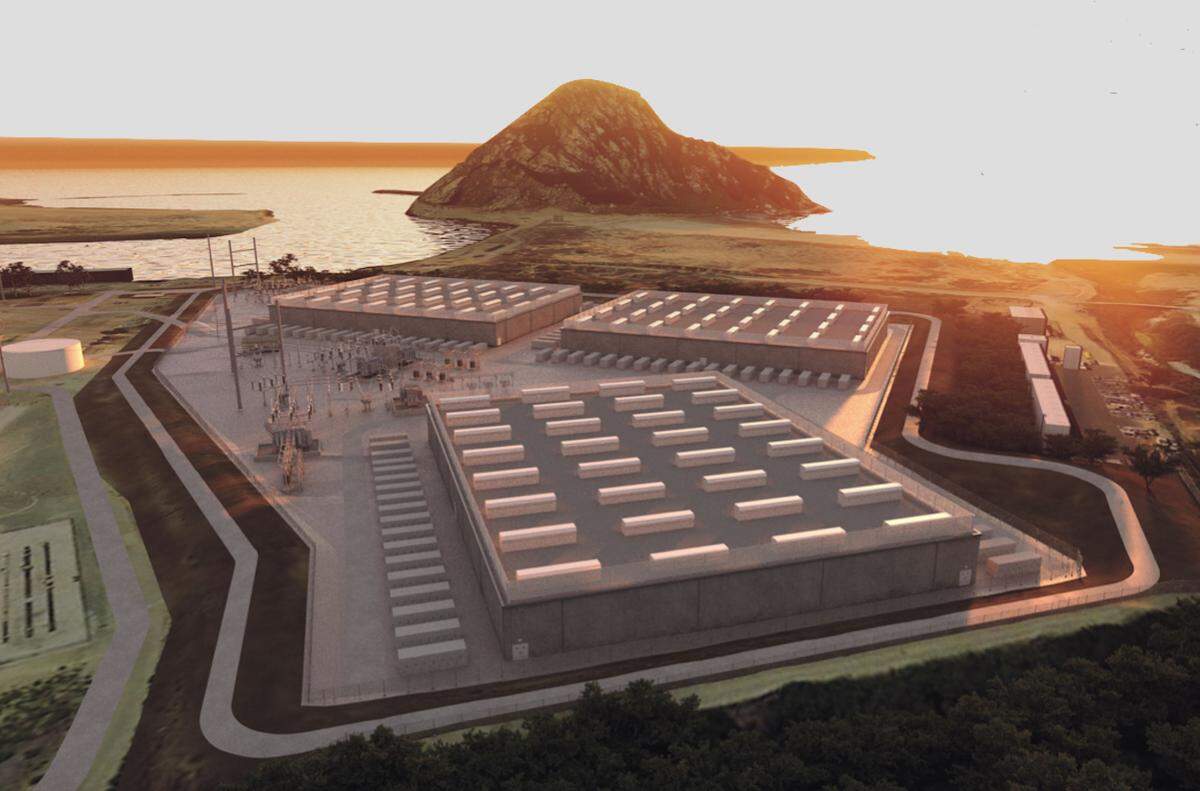
Texas-based energy company Vistra Corp. applied to the city in 2020 to build a 600-megawatt battery storage facility on the retired Morro Bay Power Plant site — sparking local fears about the property’s proximity to homes and the Morro Bay High School.
Vistra paused its application with the city in October and announced plans to apply to the California Energy Commission for approval. As of Tuesday, Vistra had not yet applied to the commission, and the company was focusing on reviewing the fire at Moss Landing.
“Our top priority is the safe operations of every facility in our portfolio,” Vistra said in a statement. “When we know more, or when there is new information about the potential investment to repurpose the Morro Bay site, we will share it.”
Vistra Corp. also owns the Moss Landing facility that caught fire on Jan. 16.
Wixom said Morro Bay shouldn’t be the “guinea pig” for new battery energy storage technology.
“We recognize the need for climate change solutions, I think that our concern in our community has always been about deciding the location,” she said. “We have a marine sanctuary coming in, breeding grounds for the peregrine falcons, all these things that are just environmentally sensitive — and it just is not the right place.”
Next steps for Morro Bay
When it comes to a permanent ordinance, the City Council could either pass an outright ban on battery plants or create development guidelines for such facilities.
Singewald warned that a total ban would push developers to apply to the California Energy Commission for project approval. AB 205 allows developers to bypass local zoning laws and seek the OK from the commission for large renewable energy projects.
“An outright ban essentially forces a battery company to go to the state, because there’s no option through the city,” he said.
He advised the council to instead set development guidelines for battery plants to coax developers to negotiate with the city.
“That would bring them to the table to work with us to see if they can meet those those regulations,” he said.
However, the AB 205 loophole may disappear for battery plants.
In response to the Moss Landing fire, Assemblymember Dawn Addis introduced AB 303, a bill that would remove battery energy storage facilities from the California Energy Commission’s certification process and return permitting authority to local jurisdictions.
The bill would also set limits for where battery energy storage facilities could be built.
For example, a plant couldn’t be located in environmentally sensitive areas like fire and flood zones, and it must be at least 3,200 feet away from homes, schools and health care facilities, Addis said.
Morro Bay resident Nicole Dorfman said she supports the bill.
“We all want to protect Morro Bay,” she said. “The only way we can guarantee this is not going to happen again is for us not to build these plants.”
Could battery storage technology be safe in Morro Bay?
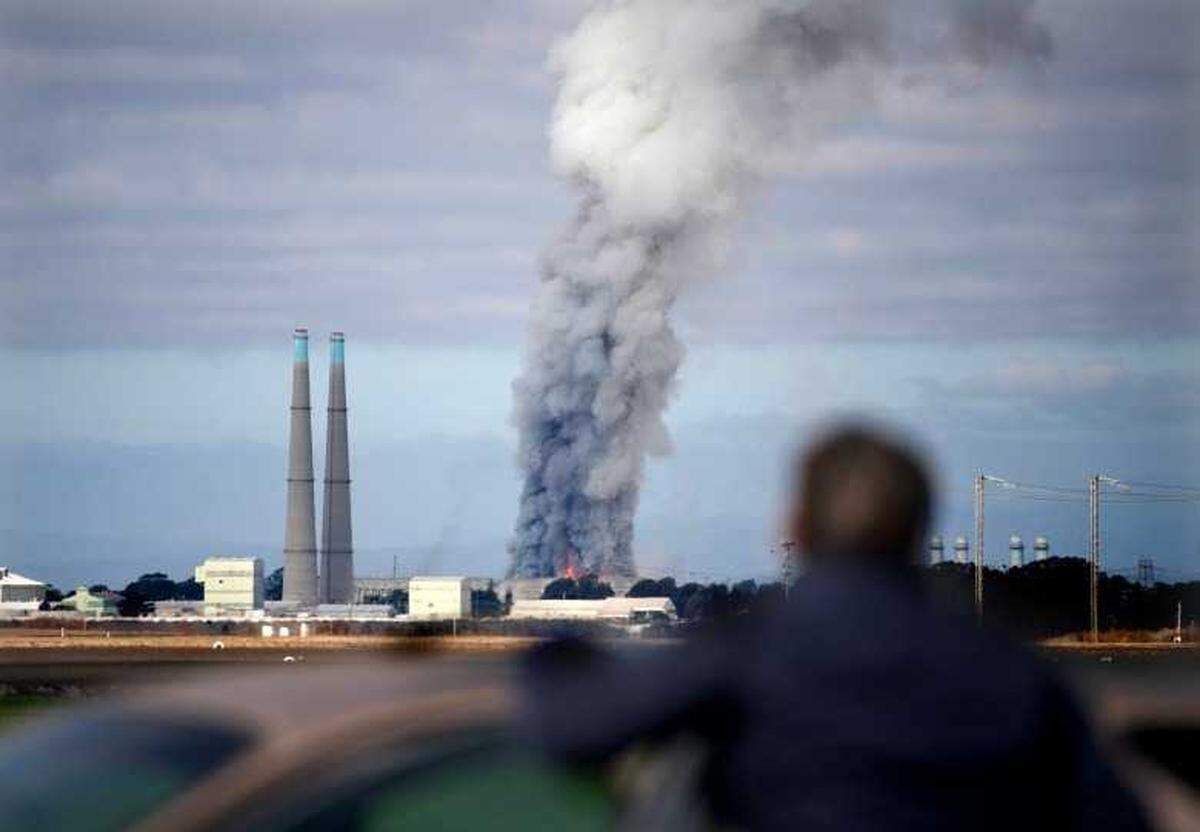
The Moss Landing fire sparked and spread in the oldest of Vistra’s three facilities on site, which started operating in December 2020.
That facility holds 300 megawatts of lithium ion batteries stacked in racks in one large building.
Beyond the initial impacts from the fire, which sent a column of smoke into the air and forced the temporary evacuation of 1,200 people, other lingering effects are now being discovered.
Scientists at San Jose State University’s Moss Landing Marine Laboratories noted a “dramatic increase” in heavy metals used in lithium-ion batteries in the soil at the Elkhorn Slough Reserve after the battery fire, according to a news release from the university.
Those heavy metals included nickel, manganese and cobalt, and they could have an impact on aquatic and terrestrial ecosystems, the report said.
Morro Bay resident Rachel Wilson pointed to that study as another reason to ban battery plants in Morro Bay, where the city should protect the estuary, the Pacific Flyway and other vibrant ecosystems.
“Although I am not against new energy technologies, they need to be safe,” she said.
Vistra is still investigating the cause of the blaze, but independent energy experts said that Moss Landing’s older technology made it more vulnerable fire.
“The Moss Landing facility, even though it was only built four, five years ago, it’s still a really new facility,” GridLab executive director Ric O’Connell told The Tribune. “There’s newer regulations. There’s been new safety standards. We’ve just gotten a lot smarter about fire suppression systems.”
Vistra’s Moss Landing facility stores batteries composed of nickel, magnesium and cobalt, which were designed for electric vehicles. Meanwhile, newer battery plants use lithium ion phosphate batteries, which are “a little more stable” and less likely to catch fire, O’Connell said.
Additionally, newer facilities tend to store batteries in individual containers rather than in one big building, so as to further reduce the risk of a devastating fire.
“If you have containers with space between them — if you have a thermal runaway in one container, it won’t spread to other containers,” he said.
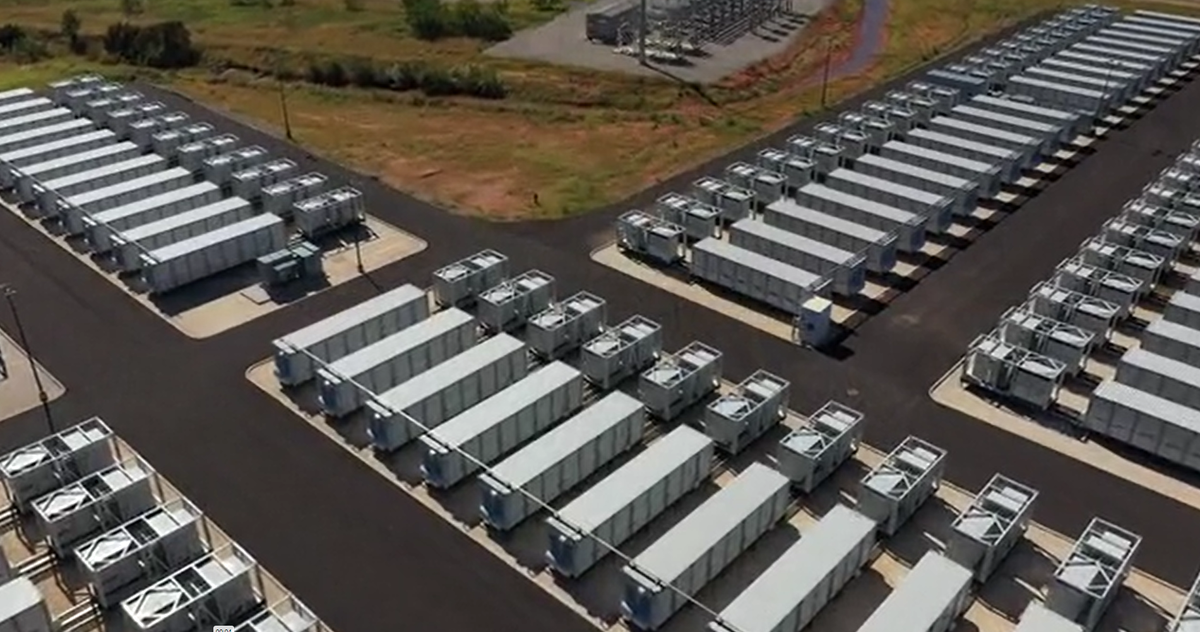
Finally, fire safety and suppression standards set by the industry are updated every three years. New facilities would comply with those standards, he said.
Still, O’Connell said he understands why Morro Bay residents are reluctant to host a battery plant.
“If I lived in Morro Bay, I would be concerned too, especially after what happened in Moss Landing,” he said. “Batteries — they don’t make any noise. They don’t have any emissions. But people are concerned that they might catch fire.”
O’Connell hopes that new battery technology and updated regulations will make battery plants safe enough for communities to feel comfortable hosting them.
“If nobody hosts it, then we essentially default to the status quo,” O’Connell said. “We just end up burning natural gas. We have a dirtier energy system, and somebody will end up bearing that brunt.”
Battery energy storage is critical to the renewable energy transition in California, he said.
To curb climate change, California aims to transition to 100% renewable energy by 2045. Part of that goal is to build 52,000 megawatts of battery energy storage by 2045, according to the California Energy Commission.
In a state with plentiful sunshine, batteries can store solar power during the day and deliver it to the grid after 4 p.m. when electricity demand is highest.
“Batteries are a critical tool in the toolbox,” O’Connell said, but he acknowledged that the technology must be safe if it’s to be built near homes and schools. “It’s a complicated issue.”
The American Clean Power Association said battery energy storage regulations should target safety risks without stunting the industry.
“We have to be smart about the policy response, so that we’re focused on truly what’s presenting the risk, and that we don’t shut off investment and deployment of something that’s foundational to the clean energy transition,” Clean Power Association-California executive director Alex Jackson said.
This story was originally published January 29, 2025 at 1:35 PM.