Trump banned new offshore wind leases, permits. How will it impact Central Coast projects?
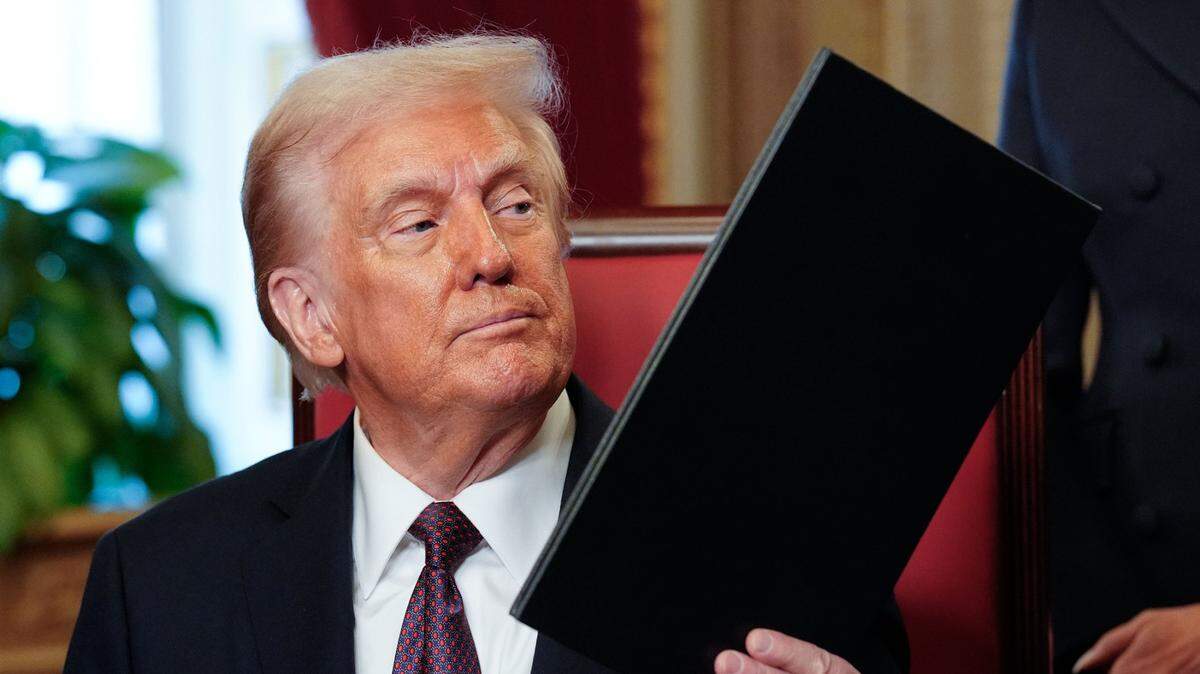
With the stroke of a pen on Monday, President Donald Trump temporarily banned new leases and permits for offshore wind development, but the companies looking to install hundreds of turbines off the Central Coast aren’t yet sure how the executive order will impact their projects.
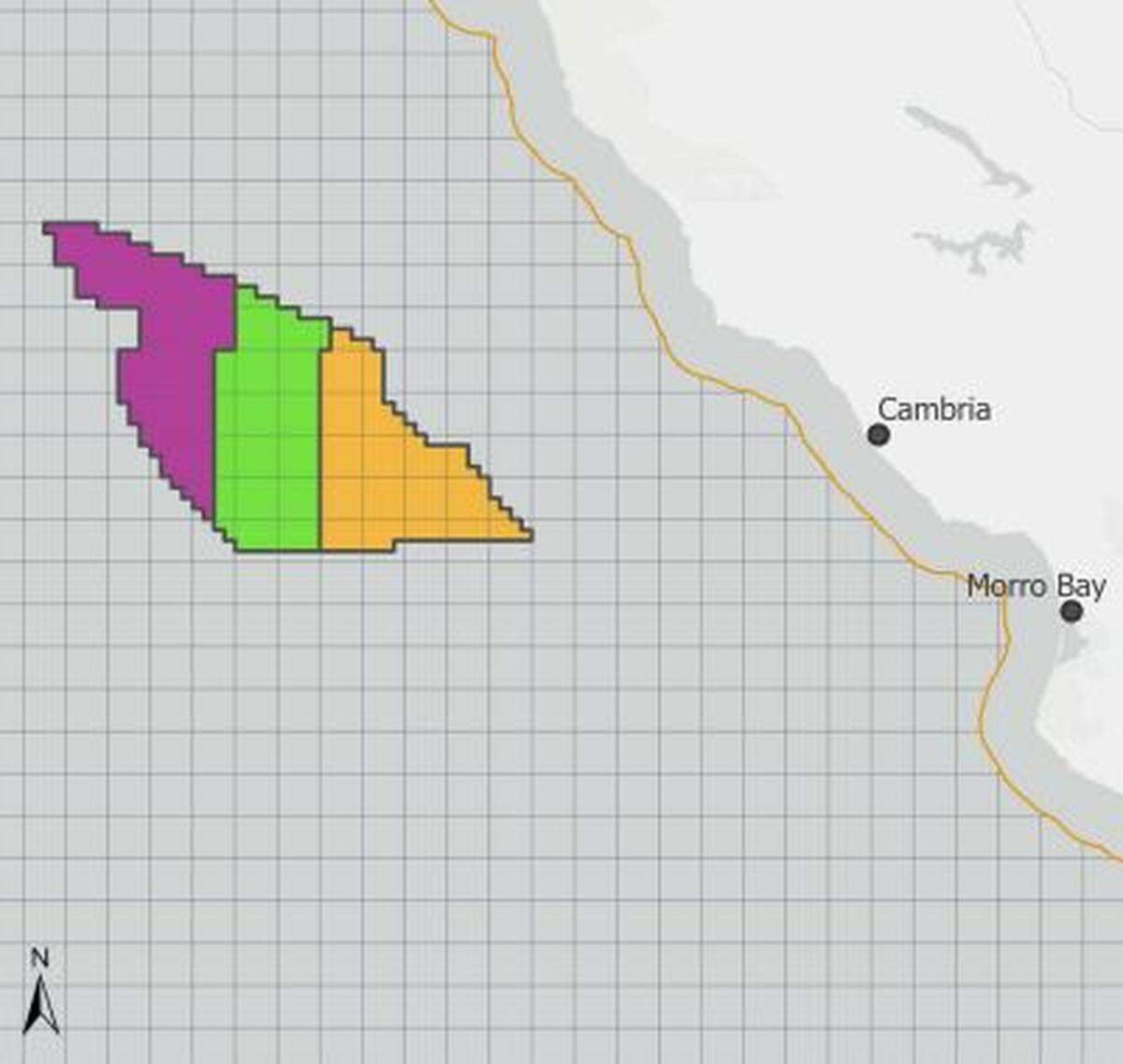
Three corporations hold leases to build floating wind farms in the 376-square-mile Morro Bay Wind Energy Area about 20 miles offshore of Cambria and San Simeon.
Equinor, Invenergy and Ocean Winds will hold onto their Central Coast leases — but their projects may face delays when they eventually seek federal development permits.
“We will continue to assess all policy developments and work with the Trump administration as we deliver long-term energy solutions for the growing American economy,” Equinor said in a statement on Tuesday.
What does the executive order do?
On Monday, Trump used Section 12(a) of the Outer Continental Shelf Lands Act to withdraw federal coastal waters from land available for new offshore wind leases.
Meanwhile, existing leases will be subject to an environmental and economic review conducted by U.S. Interior Secretary Doug Burgum. He then can recommend ending or amending the leases, the executive order said.
The executive order didn’t identify a method or timeline for the review, so it’s hard to say how it could impact the three Central Coast offshore wind projects.
Trump also suspended new permits, loans or approvals for wind energy projects pending a multi-agency review of federal wind leasing and permitting practices.
The Central Coast leaseholders will eventually submit a construction and operations plan to the Bureau of Ocean Energy Management for approval, which will prompt an environmental review under the National Environmental Policy Act.
This process could be impacted by the executive order, but the companies won’t seek those approvals for another few years, according to a Programmatic Environmental Impact Statement released by BOEM.
In the meantime, Equinor, Invenergy and Ocean Winds told the Tribune that they are evaluating the impact of the executive order on their projects.
“In the United States, we believe in the potential of our offshore wind projects to create thousands of jobs, generate billions of dollars in economic activity and provide new energy generation to meet rapidly growing demand,” Ocean Winds North America CEO Michael Brown said in a statement. “We will continue to assess the scope and implications of the executive orders on our three U.S. projects. Offshore wind farms are long-term development projects, and we will keep on finding a path forward in coordination with all relevant authorities.”
Some Central Coast residents celebrate offshore wind ban
The president’s action was just what opponents of offshore wind were hoping for when they held a demonstration two days ahead of Trump’s inauguration.
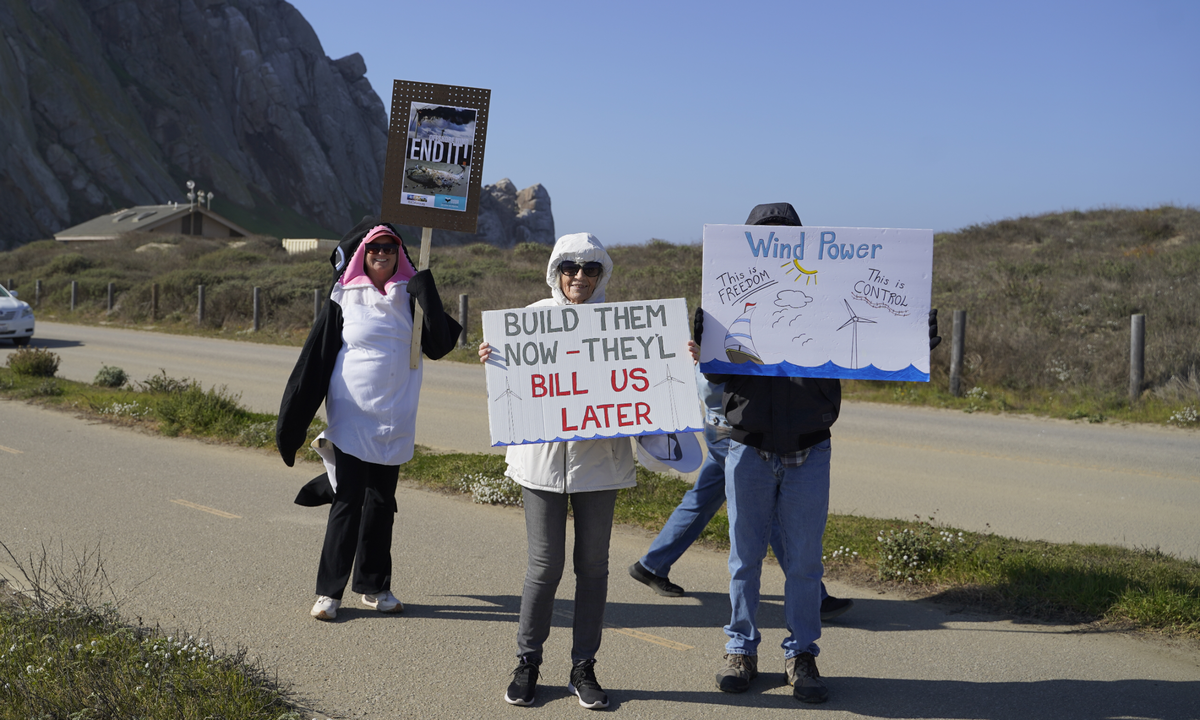
Waving picket signs under a bright blue sky, about 200 people gathered at Morro Rock on Saturday to send President Trump a message: Offshore wind development is not welcome on the Central Coast.
The protest was organized by REACT Alliance, a local nonprofit organization that opposes offshore wind development.
“In two days, we have a new president, we have a new administration and he is going to have a new cabinet. He has said that he will end offshore wind,” REACT Alliance president Mandy Davis said at the protest. “This is all about holding his feet to the fire and letting him know that there are a hell of a lot of people out there looking to him to do exactly what he said — and we are expecting him to end it.”
On Wednesday, the nonprofit published a statement thanking Trump for the executive order.
“The halting of all new offshore wind permits will have a significant impact on the future of the industry in California and will make the costly onshore buildout for the extensive plans for new leases by our governor obsolete and absurd,” the statement said.
REACT Alliance urged the Trump administration to reorganize the Bureau of Ocean Energy Management and the National Oceanic and Atmospheric Administration, as well as end federal subsidies awarded to offshore wind companies.
“We understand that the process of eliminating offshore wind on all of our coastlines will be a lengthy and complex process, but we at REACT Alliance are confident the new administration is up to the task,” the statement said.
Morro Bay Commercial Fisherman’s Organization president Tom Hafer also celebrated the executive order.
“We’re happy,” Hafer told The Tribune. “We don’t want a bunch of machines in the ocean. It will kill everything.”
Hafer expects the executive order to delay offshore wind development on the Central Coast until at least the next president is elected.
“No new leases, no construction, no building, no nothing,” Hafer said. “Wind farms are going to have to wait until the next election, I guess.”
What happens with the wind projects now?
Despite the shift in policy in the White House, others say progress on the Central Coast wind projects will continue to move forward, focusing on securing state approvals over the next four years.
California will pursue port development and improvements to transmission infrastructure during Trump’s presidency, according to American Clean Power Association Pacific Coast offshore wind director Molly Croll.
“We’re still looking at potential impacts of the Trump administration’s directive, but we’re sorry to see the president target an American energy source capable of delivering power at the scale this country needs moving forward,” Croll said in a statement. “California’s five offshore wind projects remain positioned to deliver energy security, grid resilience and good-paying jobs.”
Industry group Offshore Wind California executive director Adam Stern agreed.
“As an industry, we’re focused on advancing offshore wind in California, and right now, most of that is happening at the state level,” he told The Tribune.