Environment

Heading to Lopez Lake? Shellfish-sniffing dogs are inspecting boats for invasive species
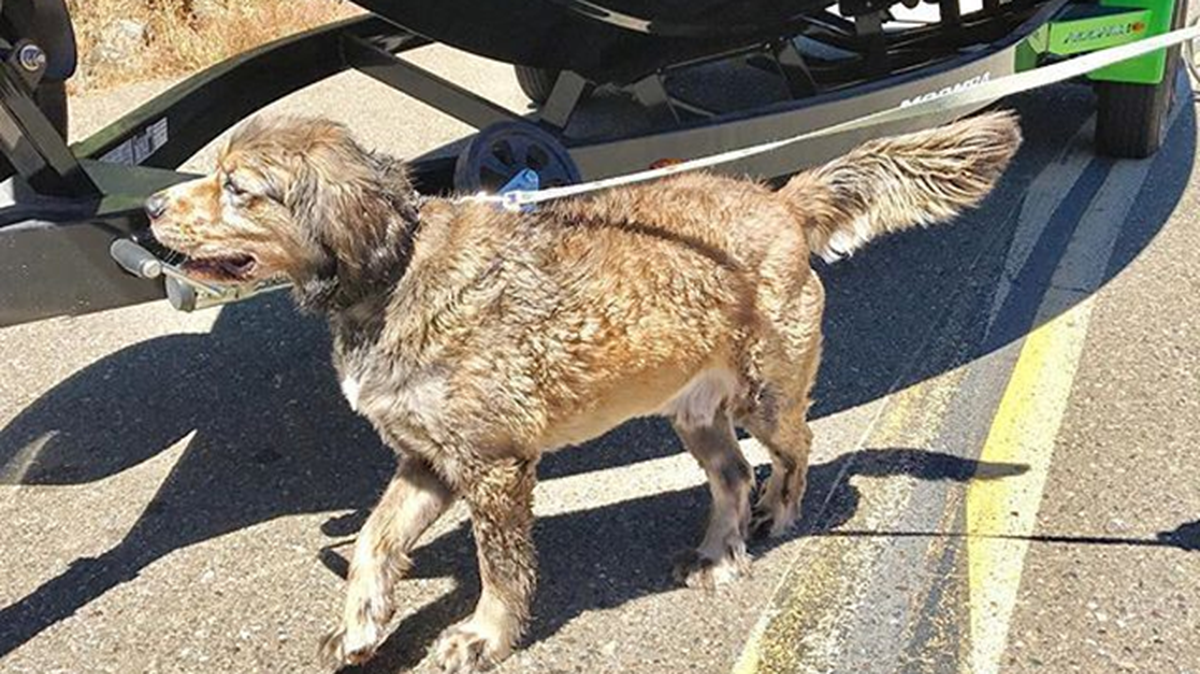
Mussel-sniffing dogs will inspect vessels at Lopez Lake for invasive quagga muscles on July 3 and July 4, 2023.

Shellfish-sniffing dogs will examine vessels at Lopez Lake for invasive quagga mussels ahead of the Fourth of July holiday.

So-called “mussel dogs” “sniff around boats, alerting handlers to the presence of mussels and dramatically decreasing the time it takes to inspect boats,” the San Luis Obispo County Public Works Department said in a news release Tuesday.

All boats entering Lopez Lake east of Arroyo Grande will be inspected on Monday, July 3, and and the Independence Day holiday, Tuesday, July 4.

Vessels that have visited a mussel-infested lake during the past 30 days are prohibited from launching, the agency said.

The shellfish, which are native to eastern Europe, “hitch rides on boats and travel to other lakes, causing damage to a lake’s natural environment, boating and water equipment,” the county said in the release. “Once a lake is infested, it can be expensive to get rid of the mussel infestation. Preventing their spread is the best course of action.”
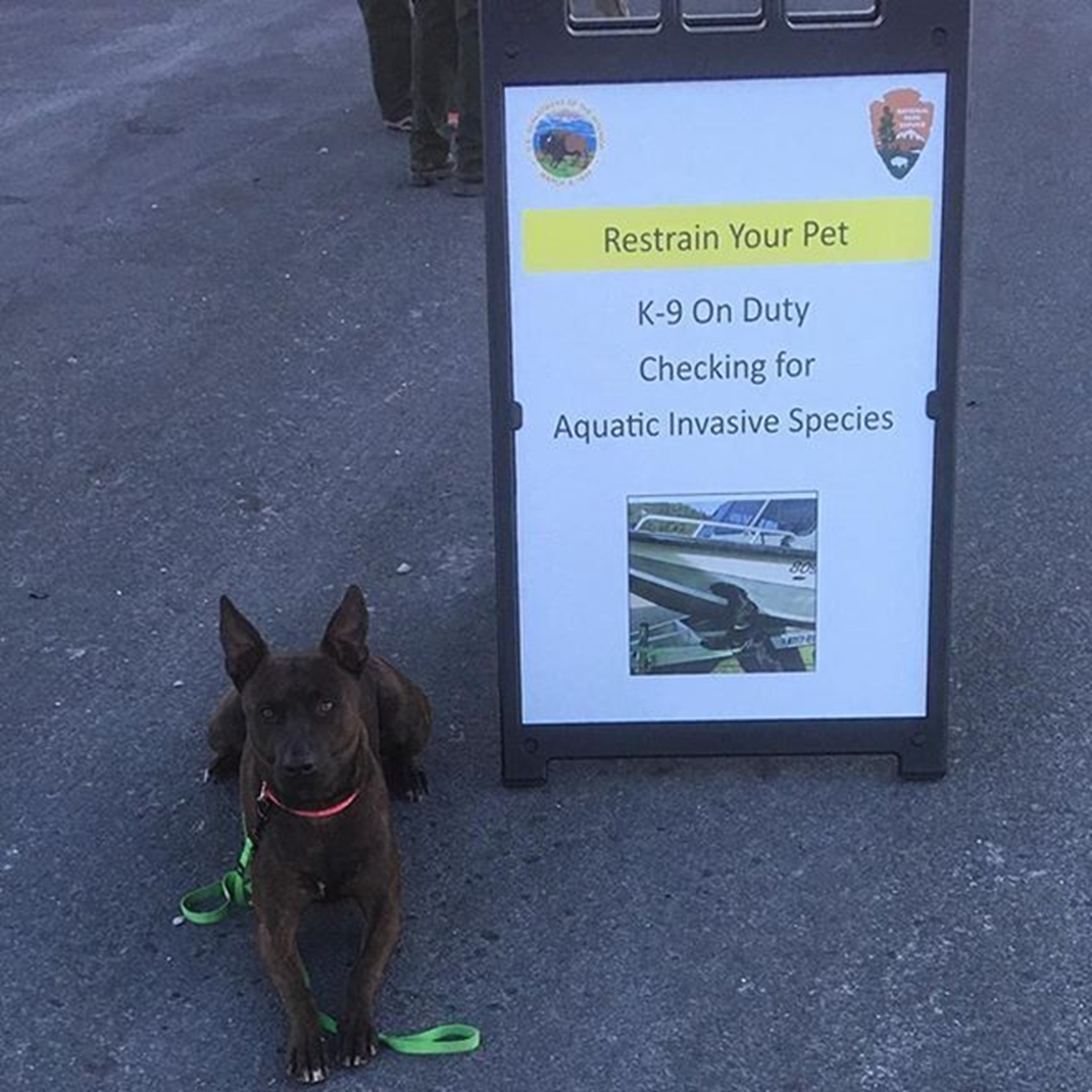
Boaters entering Lake Lopez on July 3 and July 4, 2023, will be greeted by mussel-sniffing dogs, who check boats for invasive shellfish.
Boaters entering Lake Lopez on July 3 and July 4, 2023, will be greeted by mussel-sniffing dogs, who check boats for invasive shellfish. Courtesy of San Luis Obispo County

To prevent mussel infestations, boaters can do the following:

  • Check your boat surfaces for mussels, which feel like sandpaper;
  • Wash the hull of your vessel;
  • Remove plant and animal material;
  • Drain water from the vessel and dry all parts of the boat;
  • Clean and dry all live-wells;
  • Throw away trash and unused bait; and
  • Empty and dry buckets and compartments.
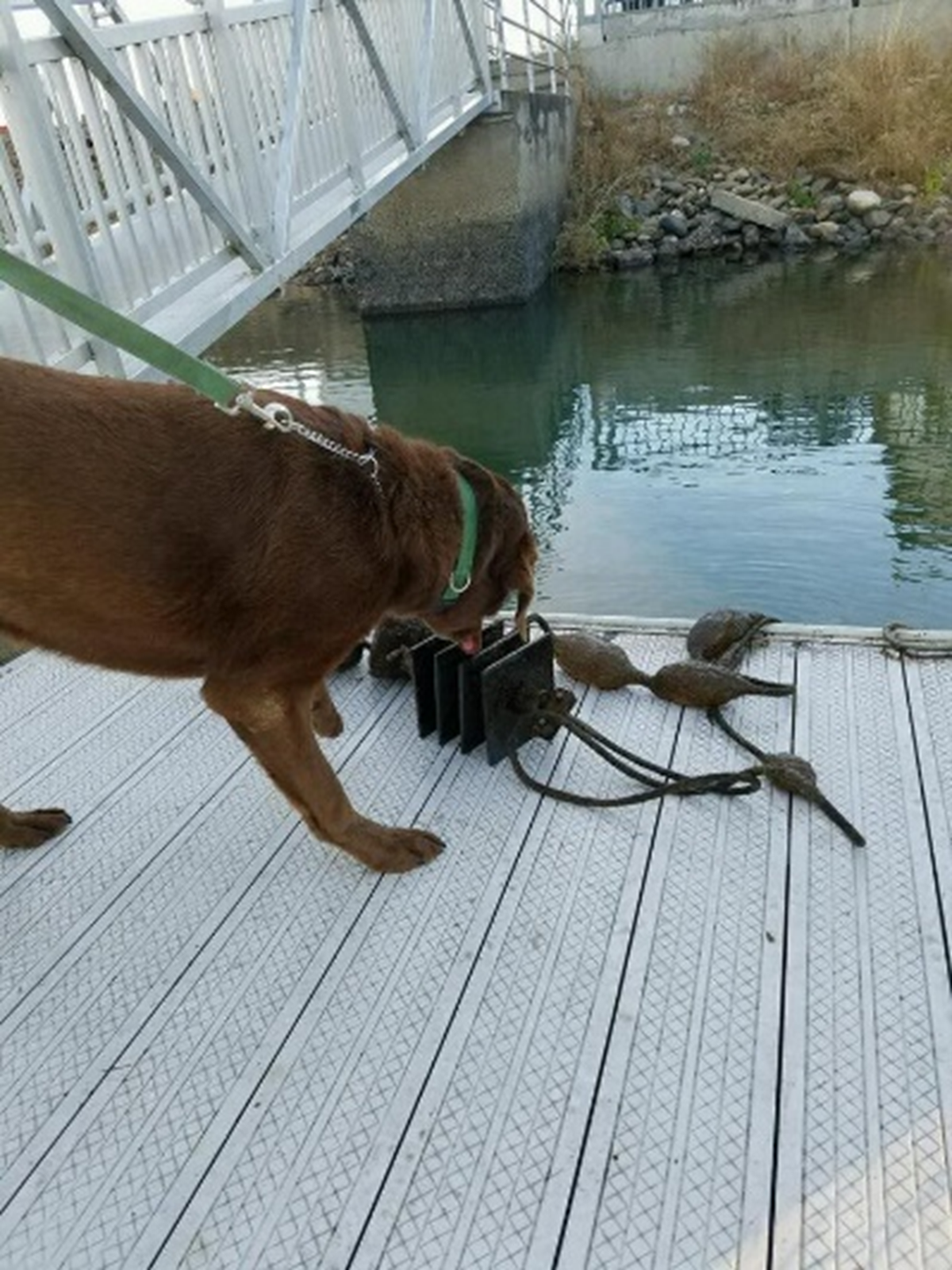
A dog inspects a boat for invasive shellfish.
A dog inspects a boat for invasive shellfish. Courtesy of San Luis Obispo County
Quagga mussels approach an inch in length and can vary in color, as these 2006 examples from Lake Michigan illustrate. Quagga and zebra mussels are native to Russia and Ukraine and are believed to have arrived in the U.S. in the 1980s aboard ships that released ballast water into the Great Lakes.
Quagga mussels approach an inch in length and can vary in color, as these 2006 examples from Lake Michigan illustrate. Quagga and zebra mussels are native to Russia and Ukraine and are believed to have arrived in the U.S. in the 1980s aboard ships that released ballast water into the Great Lakes. Michael Sears Milwaukee Journal Sentinel/TNS
Related Stories from San Luis Obispo Tribune
Stephanie Zappelli
The Tribune
Stephanie Zappelli is the environment and immigration reporter for The Tribune. Born and raised in San Diego, they graduated from Cal Poly with a journalism degree. When not writing, they enjoy playing guitar, reading and exploring the outdoors. 
Get unlimited digital access
#ReadLocal

Try 1 month for $1

CLAIM OFFER