Popular climate change podcast features SLO’s battle against gas industry
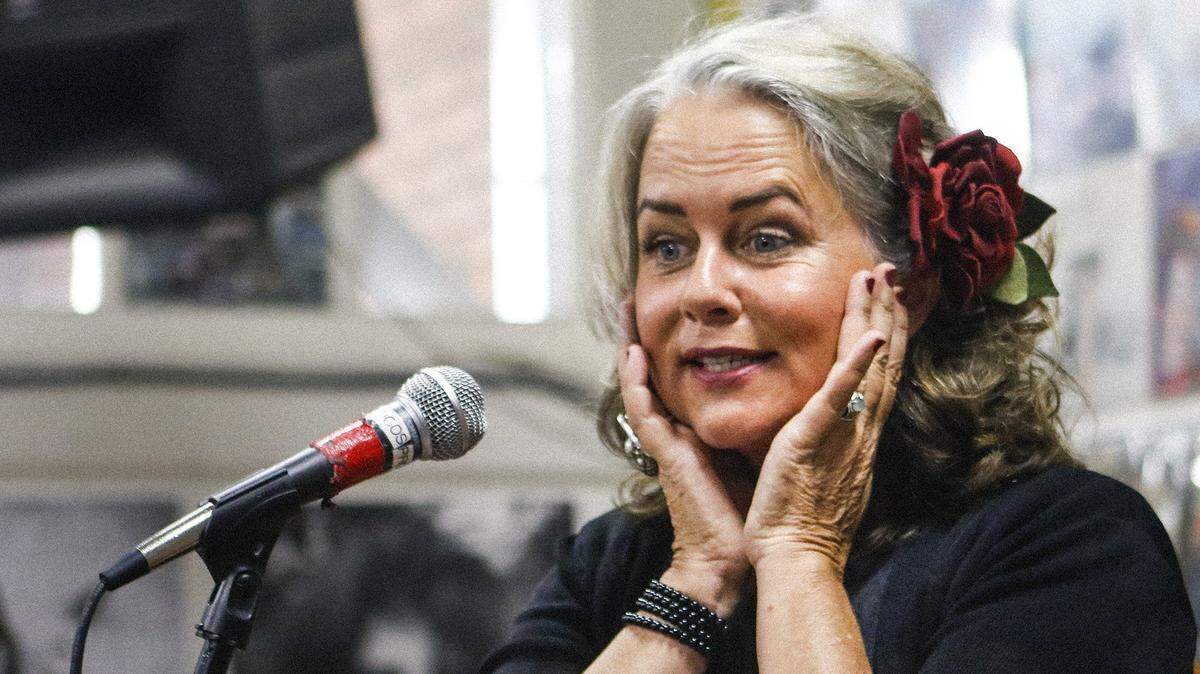
San Luis Obispo is at the center of a new episode of an environmental podcast with more than 1 million listeners worldwide.
Drilled, described as “a true-crime podcast about climate change,” is hosted, reported and produced by award-winning journalist Amy Westervelt.
On Tuesday, Westervelt launched into a five-episode series, titled “New Climate Villains,” exploring how the Southern California Gas Co., colloquially known as SoCal Gas, and the gas industry as a whole have fought against the transition to cleaner renewable energy sources.
The first episode of the series, “A busload of COVID,” features an interview with former San Luis Obispo Mayor Heidi Harmon about the San Luis Obispo City Council’s fight against a union for utility workers over a proposal to ban new buildings from having gas hookups.
“San Luis Obispo is a pretty little college town on California’s Central Coast. It’s got a large agriculture community, and also one of the best architecture programs in the country at Cal Poly University,” Westervelt says in the podcast episode. “Downtown, Spanish Mission-style buildings house craft ice cream shops, hipster cafes and farm-to-table restaurants. In other words, it’s not the sort of place where you might expect this kind of drama.”
Podcast showcases SLO mayor’s fight against gas industry
The first episode of the “New Climate Villains” series highlights how Harmon ran for mayor in 2016 on a platform that included promises to act on climate change.
In 2019, Harmon and the San Luis Obispo City Council proposed an energy policy pushing all-electric new building construction over installation of natural gas. The City Council stopped short of an all-out ban on gas hookups in new buildings — instead mandating new non-electric buildings to either retrofit gas-powered buildings to electric elsewhere in the city or pay a fee.
Then, in early 2020, the city council proposed a revision of the bill, once again considering the prospect of a gas ban.
However, Eric Hofmann, the president of the local regional branch of the Utility Workers Union of America, sent an email to San Luis Obispo city officials on March 16, 2020, threatening to hold a massive protest against the proposed energy policy.
“Please don’t force my hand in bussing hundreds and hundreds of pissed-off people potentially adding to this (coronavirus) pandemic,” Hofmann wrote in his letter, which came in advance of an anticipated April 7 City Council meeting addressing the energy proposal.
As Westervelt notes on “A busload of COVID,” the City Council then delayed voting on the building policy.
On “Drilled,” Harmon describes how she was personally attacked as the proposed gas ban moved forward in the City Council, and how she struggled with finding a balance between protecting workers and the environment.
Harmon tells Westervelt in the podcast that, at the time, she was not going to let threats from the gas industry “intimidate me into not doing what’s right to save my kids’ lives.”
The City Council passed a modified version of the proposed gas ban in July 2020. That policy essentially makes it more expensive to build new buildings with gas hookups, and instead incentivizes all-electrical hookups.
Since San Luis Obispo’s passage of the modified Clean Energy Choice Program for New Buildings more than 50 other localities in California and others around the nation have passed similar policies, Westervelt says on her podcast.
“San Luis Obispo is the first city in SoCal Gas’s territory to pass a ban, but it definitely wasn’t the last,” Westervelt says on “Drilled.” “Pretty soon the utility was playing whack-a-mole with gas bans all over Southern California.”
In “A busload of COVID,” Westervelt details how the gas industry has become “public enemy No. 1” as research continues to reveal the devastating extent to which natural gas production and use harms the environment.
As the “Drilled” host notes on her podcast, the San Luis Obispo City Council recently reintroduced the idea of an all-out ban on gas hookups in new buildings.
City staff released a report during the council’s Feb. 1 meeting that detailed how the Clean Energy Choice Program was not effective.
“When project applicants had the choice, less than half chose to build all electric,” the city report says. “This rate is not sufficient to accomplish city-wide objectives for greenhouse gas reductions. Substantial progress in this area is necessary in the immediate future to accomplish program goals for emissions reductions from the built environment.”
During that virtual meeting, public commenters spoke in support of updating the program to entirely ban gas hookups in new buildings.
So did the entire City Council and current San Luis Obispo Mayor Erica Stewart, who gave city staff direction to develop policy that will require all new buildings to be all-electric with no gas hookups.
“This is a simple decision ... I also think it’s the most equitable, at least for new buildings,” council member Michelle Shoresman said during the February meeting. “This is impacting less than 7% of our total emissions, so, as one of our speakers said, this is really low-hanging fruit. And we have much bigger fish to fry if we’re really going to meet our climate change goals, so those will be harder discussions in the future.”
How to listen to ‘Drilled’
You can find “Drilled” on Spotify, Apple Podcasts, Audible, Google Podcasts and other websites.
“A busload of COVID,” featuring San Luis Obispo’s battle against SoCal Gas, is the first episode in the five-part “New Climate Villains” series.