
Cal Poly students study ancient bacteria stuck in amber. ‘Jurassic Park vibes’
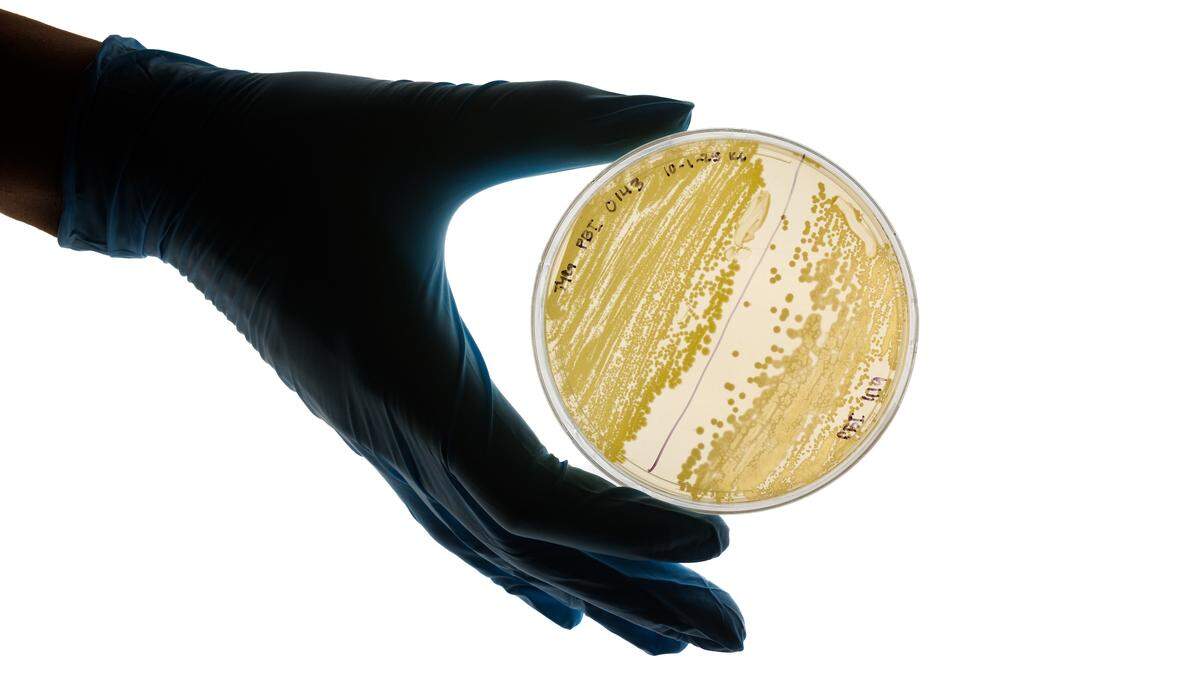
What do Cal Poly and “Jurassic Park” have in common?
Both have scientists studying prehistoric DNA trapped in amber.
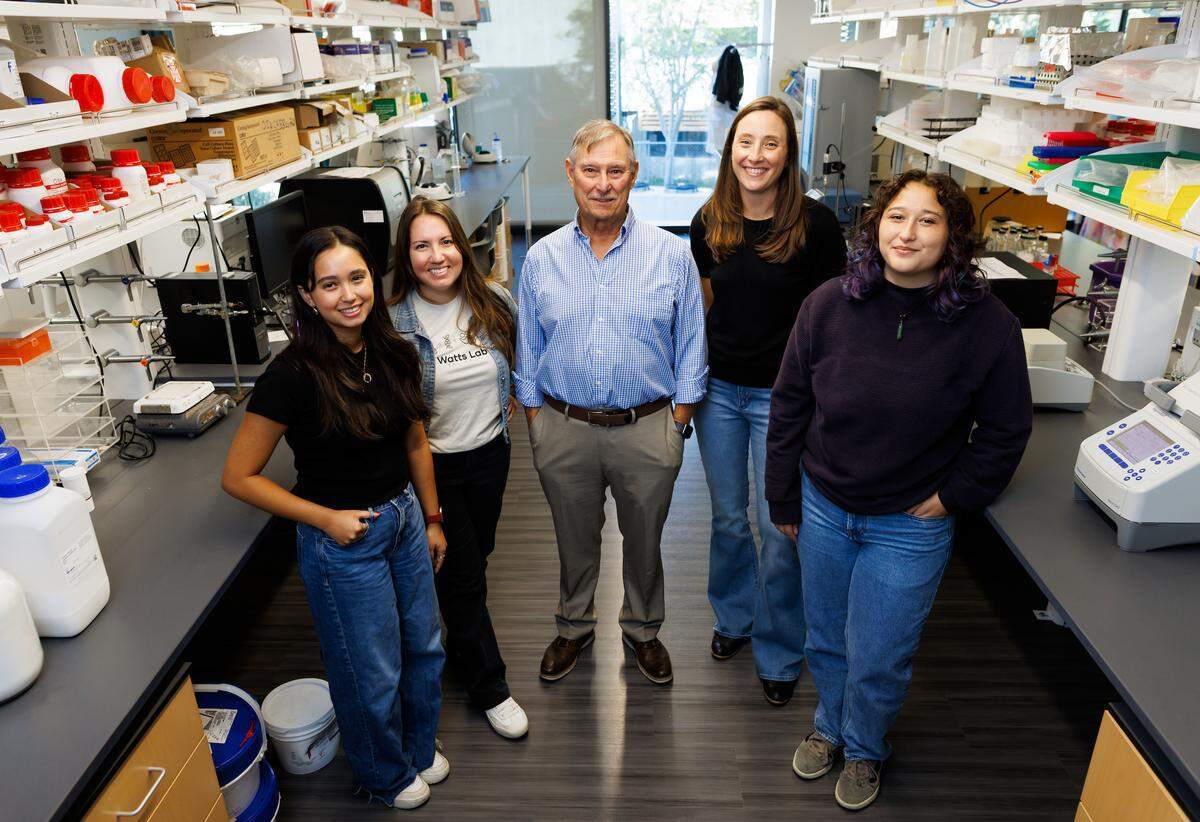
Cal Poly biochemistry Professor Katharine Watts and postdoctoral fellow Rachel Johnson are leading a team in studying microbes dating back tens of millions of years, using a unique collection of ancient samples donated by professor emeritus Raul Cano.
Cano previously worked with the scientist who inspired Michael Crichton’s iconic sci-fi novel, a November news release said.
The team, which includes student researchers Safiya Rufino and Kaitlyn Calligan, is examining the microbial strains — some of which are trapped in hardened tree resin while others were sourced in deep sea cores — for antibiotic properties and testing them for antibiotic resistance.
They’re hoping to potentially discover novel strains, learn more about ancient antibacterial processes and gain insight into antibiotic resistance to fuel medical research, researchers told The Tribune.
“Working with bacteria strains from millions of years ago is surreal,” Rufino, a food science and microbiology major, said in the release. “These bacteria samples have lived during a time we can only know through carbon dating. It also makes me wonder how it would be to one day be revived millions of years in the future, how would I react, would I still be able to function as I once did as these bacteria are able to?”
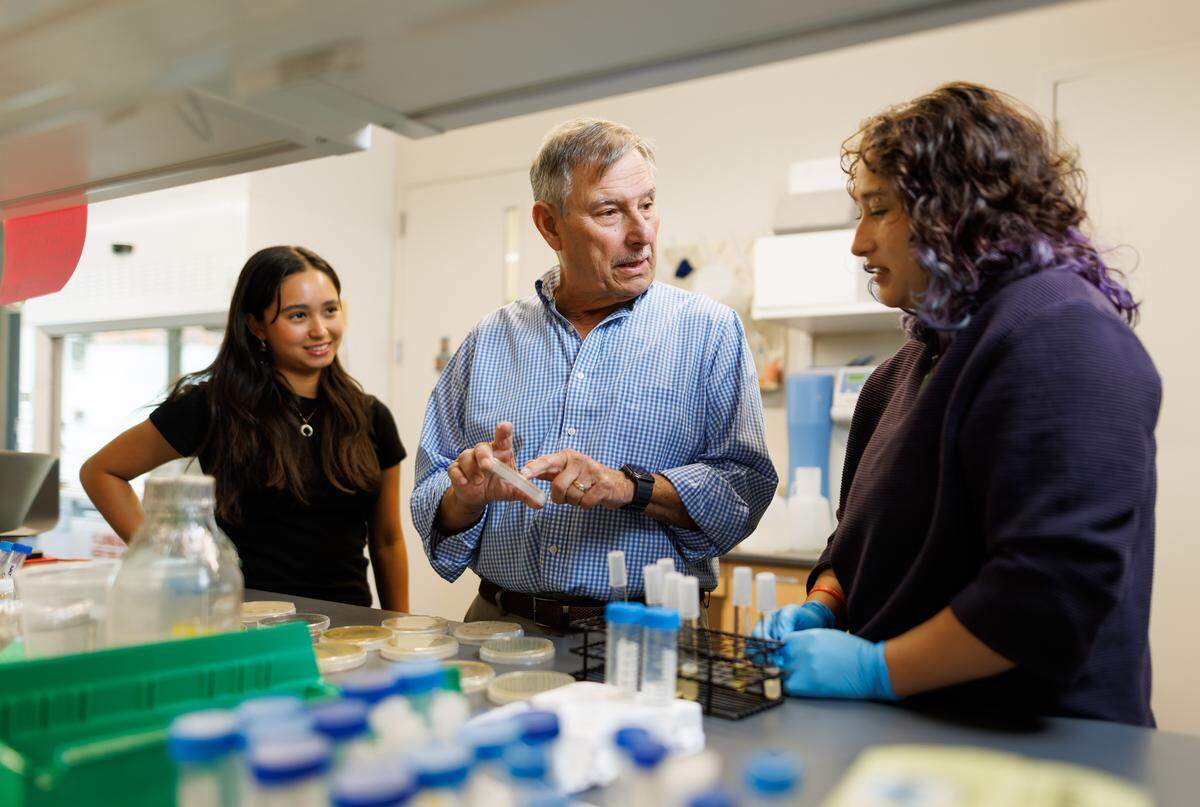
Cal Poly researchers examine ancient bacteria
As a whole, the team is looking at small molecules found in the specimens, and analyzing them for potential antibiotic properties.
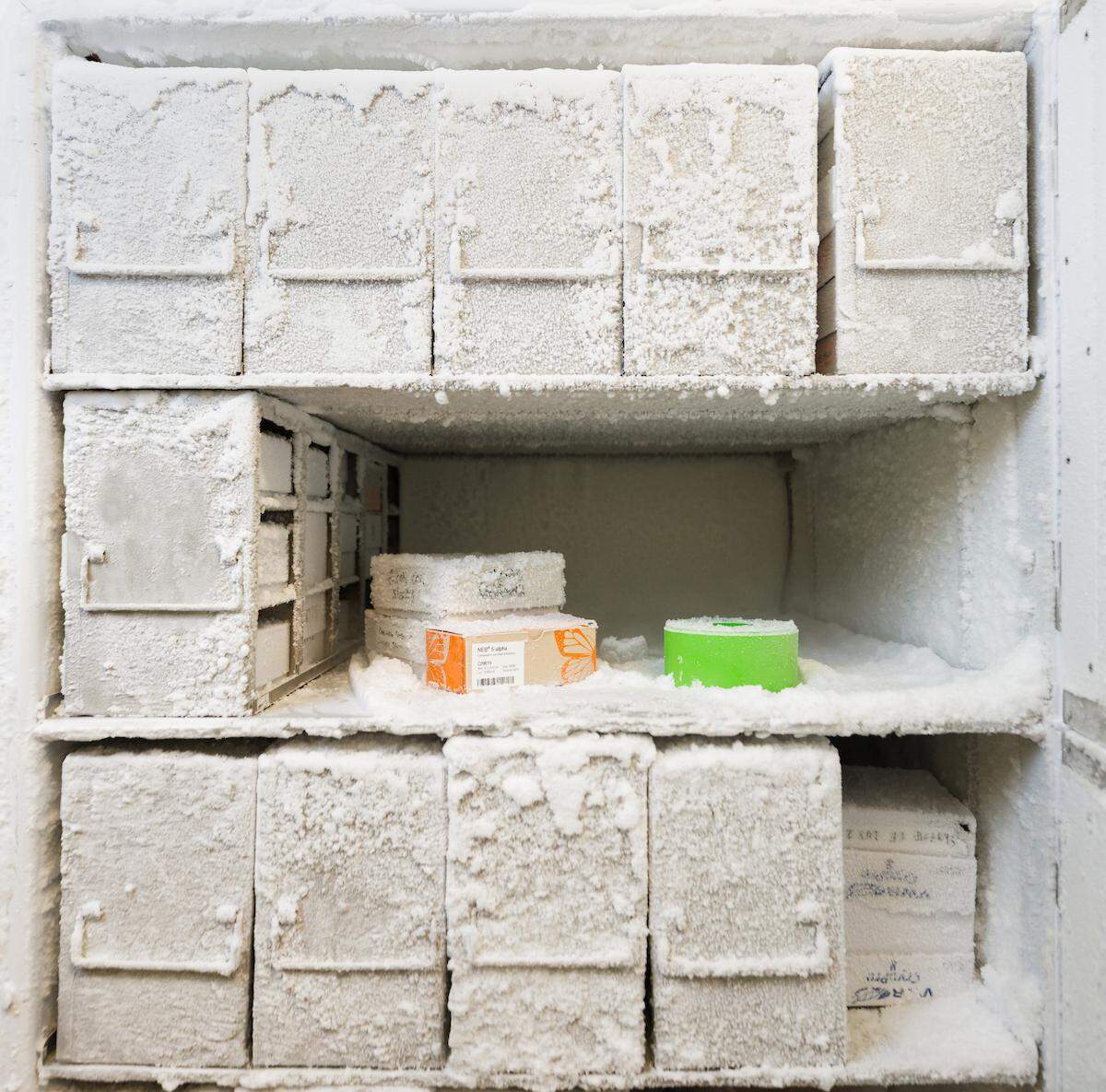
The ancient microbes in the collection range from 20,000 to 40 million years old, Johnson told The Tribune. The amber specimens are stored in a laboratory at -80 degrees Celsius, the release said.
“Specifically, we’re looking for antibiotic compounds, and then we’re also going back to the DNA in these microbes, because the DNA kind of encodes the recipe to make these small molecules,” Johnson said. “We can look at the DNA and see what genes are involved in making them.”
But student researchers Rufino and Calligan also have the chance to focus in on two specific goals.
Calligan told The Tribune her goal is to learn more about the evolution and ecology of the bacteria and their metabolites by examining their protein structures.
Rufino, on the other hand, is focusing on antibiotic production.
“I’m investigating their secondary metabolites, those natural products themselves, and I want to try (to) identify what natural products these bacterias are producing that can inhibit the growth of modern-day safe pathogens,” she told The Tribune.
The work being done comes in response to a rise in antibiotic-resistance that can threaten the treatment of medical conditions requiring antibiotics, the release said. The team is currently still in the discovery stage, and does not have immediate plans to develop a medication, but their research could help scientists better understand how antibiotic resistance evolves and pave the way for the creation of new medications.
While the team is focused on the evolution of antibiotics rather than biological cloning, Calligan told The Tribune the research does “give the ‘Jurassic Park’ vibes.”
All the lab work being done using the ancient bacteria samples are on the most basic safety level, Johnson added.
“Nothing, I guess, to the extent of cloning new dinosaurs, but more so just cloning some proteins that they might express,” she added.
Both Rufino and Calligan are Cal Poly BEACoN scholars.
BEACoN is a program operated through the Office of Diversity, Equity and Inclusion that focuses on empowering underrepresented students through research and mentoring opportunities.
“Being first-gen, and being underrepresented at Cal Poly,” Calligan told The Tribune, “I think I wouldn’t have been able to ... get into the field of research if it wasn’t for BEACoN’s aid.”
.JPG)